
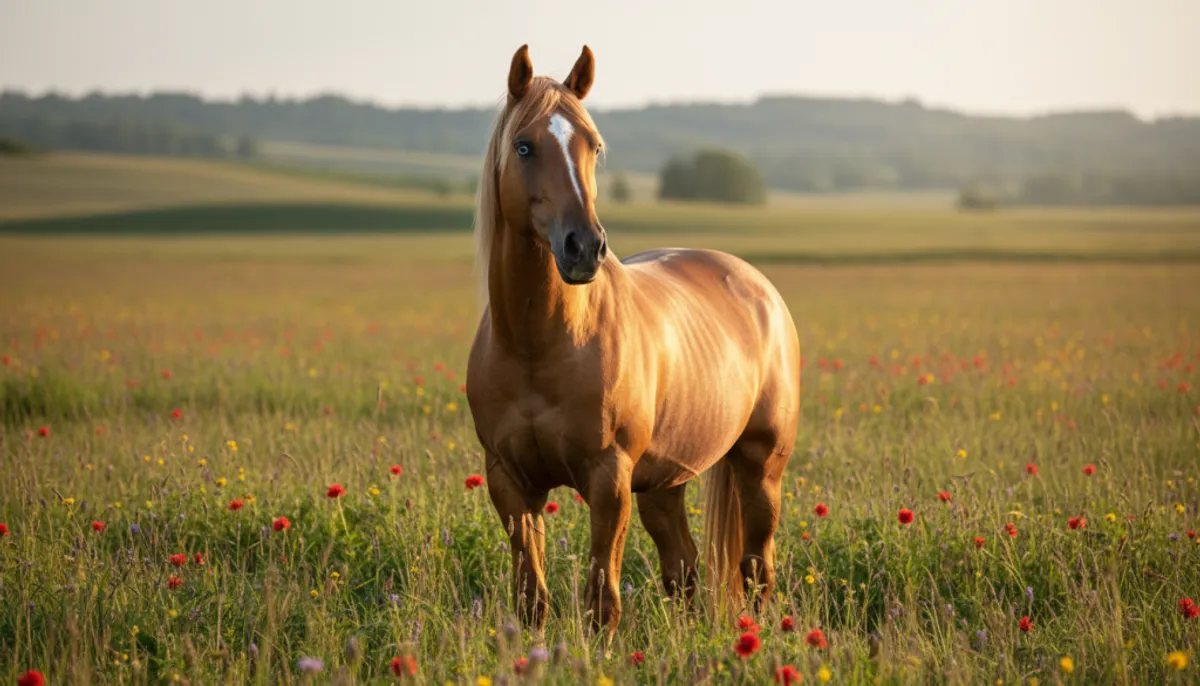
In the equestrian world, certain features immediately capture attention. Among them, a rare and fascinating visual characteristic stands out: a striking blue gaze.
This uniqueness is a favored topic of conversation among enthusiasts. On dedicated platforms, the messages exchanged testify to a genuine passion for these equines with such a distinctive appearance.
Since 2026, the site 1cheval.com has offered a virtual stable and registration services. It fosters an active community where owners share their experiences and photos.
This guide aims to deepen your knowledge about this unique trait. You will discover why it attracts so much attention and how to learn more.
Key Points to Remember
- The blue eye color in horses is a rare and highly sought-after characteristic.
- Enthusiasts actively discuss this topic in dedicated online forums.
- It is rare to have the chance to encounter an equine with blue eyes.
- Platforms like 1cheval.com provide a space to register and share photos of one's animal.
- Observing this uniqueness allows for a better understanding of the diversity and beauty of the equine world.
- The beauty of this atypical gaze remains a central theme for many riders and breeders.
Understanding the Origin and Genetics of Coat Color
The coat of an equine, much more than just appearance, is a direct reflection of its genetic heritage.
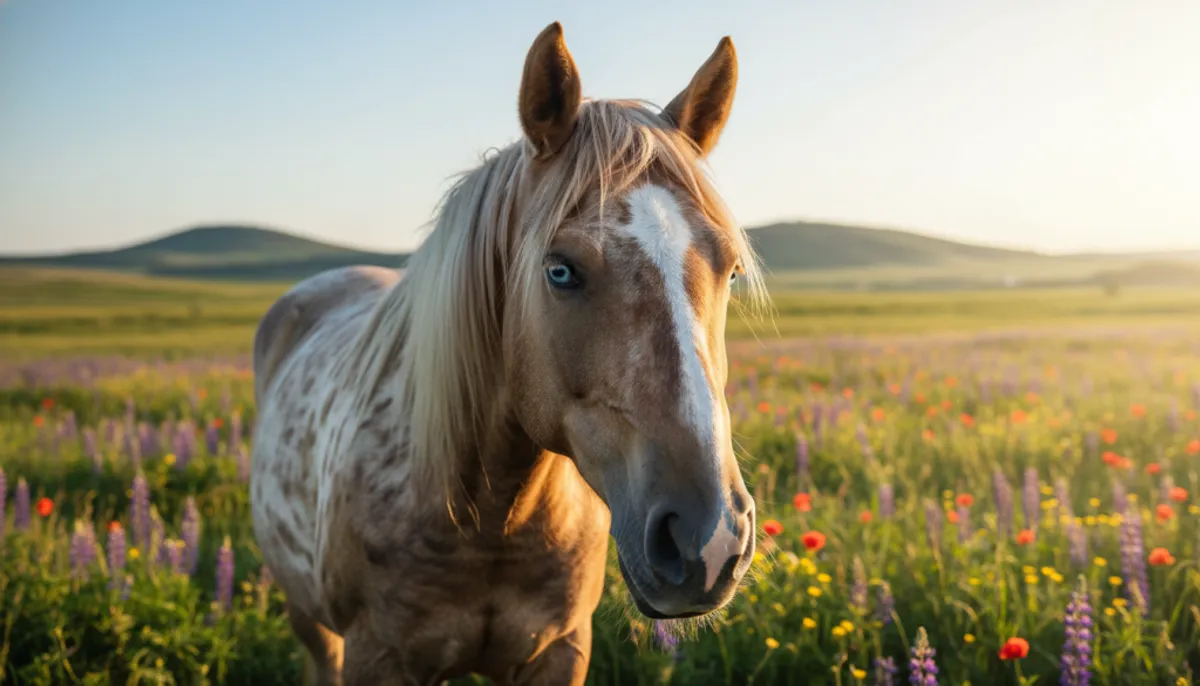
It all starts with a fundamental molecule: melanin. Scientists identify two main types of this pigment. There is eumelanin, responsible for brown-black tones, and pheomelanin, which gives yellow-red shades.
The Mechanisms of Eye Pigmentation
The color of the iris entirely depends on the amount and distribution of these pigments in its cells. A low concentration of melanin results in a light iris, as is the case with blue eyes.
On specialized forums, messages from experts often explain this phenomenon. Light diffuses differently when pigments are absent.
| Characteristic | Eumelanin | Pheomelanin |
|---|---|---|
| Type of pigment | Brown-black pigment | Yellow-red pigment |
| Influence on coat | Dark areas, black, brown | Chestnut, palomino, cream tones |
| Role in iris color | Dark brown iris | Contributes to hazel or amber tones |
| Common association | Dark coats, bays | Diluted coats, pinto patterns |
Genetic and Environmental Factors
A popular question concerns the link between pinto coats and light irises. This pattern affects the coat and can influence the two eyes asymmetrically.
This process requires very precise genetic registration. The synthesis time of pigments also plays a role. It is this complexity that fascinates breeders and enthusiasts of equine genetics.
Focus on the Blue-Eyed Horse
Let's take the example of Jakson, an Irish Cob whose unique gaze captivates everyone who crosses his path. This 4-year-old equine, encountered in an owner's stable, perfectly illustrates this topic. His breed, officially recognized since 1998, is often associated with this fascinating characteristic.
The Influence of Melanin on Eye Color
The color of each iris directly depends on the local concentration of melanin. In Jakson, one eye has a very low amount of this pigment, giving it its light hue.
The fibrous structure of the iris, located in front of the lens, is crucial. It diffuses light differently when pigments are absent. Observing this animal allows for an understanding of how melanin acts eye by eye.
The Meaning of Heterochromia in Pinto Coats
This difference in color between the two eyes, called heterochromia, is common in equines with pinto coats. The genetic pattern of the coat affects the distribution of pigments throughout the body, including the iris.
The messages from breeders confirm this link. A registration in the stud book of the Irish Cob often requires noting these physical details. For Jakson, his blue eye is not a handicap, but a beautiful natural variation.
Characteristics and Myths Surrounding the Blue Eyes of Horses
Physical peculiarities, such as a gaze of deep blue, are often accompanied by legends and misconceptions. It is essential to separate scientific facts from popular beliefs to ensure the well-being of these equines.
Health Aspects and UV Protection
A recurring question concerns the supposed fragility of light irises. Studies, such as those available on Wiley Online Library, show that this sensitivity is often exaggerated.
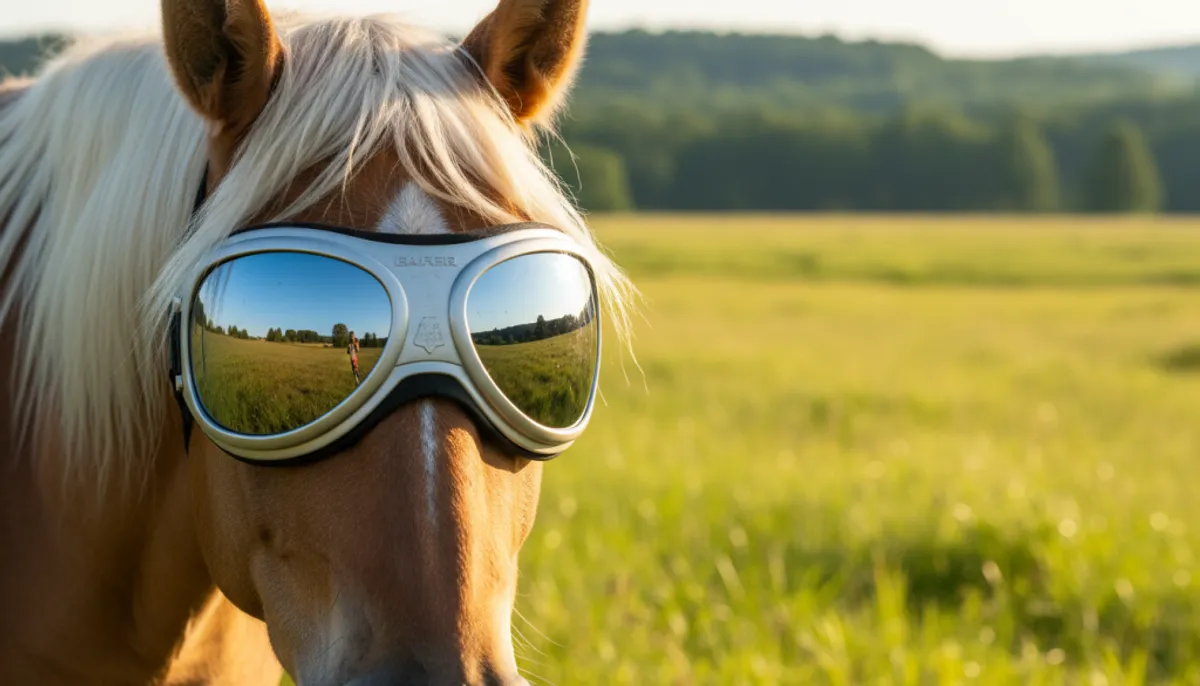
Melanin naturally protects the eye from harmful rays. A low concentration may warrant precautions in cases of prolonged sun exposure.
It is therefore wise to protect your companion's eyes in areas of strong sunlight. A registration in a health register facilitates long-term visual monitoring.
Cultural Beliefs and Perceptions
In the past, a blue eye could inspire mistrust. Today, this uniqueness is mainly admired for its unique aesthetics.
On forums, the messages from owners of pinto horses are reassuring. They testify that their animals live very well, even with this color of eyes.
Perception has evolved, shifting from myth to an informed appreciation of this beautiful natural variation.
Conclusion
In conclusion, this visual uniqueness remains a rare gem within equine diversity. It continues to fuel messages and debates on dedicated forums, proving that the topic is captivating.
Having the chance to be around an equine with this iris color is a memorable experience. The registration of this trait in stud books, such as for the Irish Cob, shows its growing importance for breeders.
It should be noted that the health of the eye primarily depends on the care provided. Melanin influences the hue, but appropriate vigilance ensures the well-being of these horses.
We hope this guide has clarified your questions about genetics and these peculiarities. Continue to share your discoveries to enrich the collective knowledge about these magnificent animals.
FAQ
Can an equine really have two blue eyes?
Yes, it is possible! This feature is often linked to certain genes influencing the coat, as seen in pinto individuals. The color is due to a low concentration of melanin in the iris.
Is the pinto coat always associated with this eye characteristic?
No, not necessarily. This characteristic often occurs when the white markings of the pinto coat encompass the eye area. A pinto animal can very well have both irises dark in color.
Are there health issues related to this light pigmentation?
Rest assured, this color is not a disease. However, like with light eyes in humans, they may be more sensitive to bright light. Good UV protection is recommended on sunny days.
How do enthusiasts discuss this on specialized forums?
The messages on equestrian forums show a keen interest. Discussions often revolve around genetics, breeding, and personal experiences. To participate, a simple registration is required.
What is heterochromia in an equine?
Heterochromia is having one blue eye and one brown eye. It is a form of expression of the same gene that creates coats with white patches. It is a beautiful peculiarity that attracts a lot of attention.
Is this characteristic rare?
It is considered uncommon, but not extremely rare. Its frequency greatly depends on breeds and breeding lines. It always generates a lot of questions and curiosity.