
Welcoming a large equine into your life is an exciting project that requires deep reflection. These majestic animals, such as the Shire, recognized as the largest breed in the world, embody a unique blend of power and gentleness.
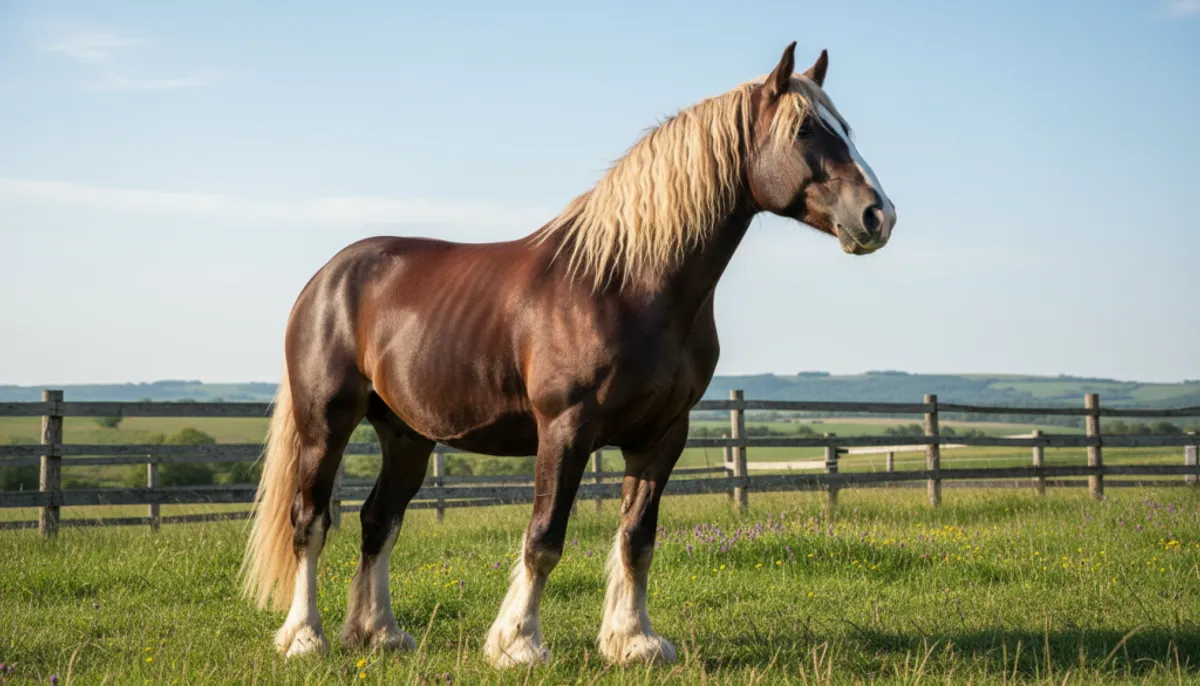
The historical record is held by Sampson, born in 1846, with a height of 2.19 m at the withers. Choosing such a companion influences everything: the necessary space, diet, and daily care must be adapted to its exceptional morphology.
This guide will assist you in making an informed choice and ensuring the welfare of your future partner. We will explore the selection criteria by breed and the daily commitments required for an animal of this stature.
Key Points to Remember
- The Shire is considered the most impressive breed in the world.
- The selection must take into account the living space and suitable infrastructure.
- Each draft breed has a specific temperament and needs.
- Daily maintenance and veterinary care are essential for health.
- Becoming an owner is a long-term commitment that requires preparation.
- A rich diet and regular exercise maintain the animal's vitality.
Introduction to the Ultimate Guide for Large Horses
The creation of the Shire Horse Society in 1884 marked a turning point in the official recognition of working breeds. This move allowed for the separation of the Shire from the Clydesdale and the establishment of precise standards.
The world of draft equines is vast and fascinating. These animals have profoundly impacted the history of agriculture and transportation. Today, they have become highly valued leisure and show companions.
This guide aims to enlighten you about the specificities of these powerful partners. We will discuss their unique character and particular physiological needs.
Choosing such an animal is not a decision to be taken lightly. Each lineage has distinct temperament traits that influence the relationship with humans. A thorough understanding of their origins is essential for optimal management.
Understanding their evolution also helps grasp the current challenges of preservation. This document is a comprehensive resource. It covers all aspects to successfully integrate your mount into daily life while respecting its welfare.
The Characteristics of an Exceptional Large Horse
Discovering the specifics of an exceptional large horse involves delving into its history and anatomy. These draft horses combine legendary strength with a temperament that is often very gentle.
Origin and History of Draft Horses
The Shire, for example, has its roots in central England. Its ancestors include Flemish equines imported as early as the 12th century.
These historical crossings gave rise to a breed specialized for agricultural work and heavy transport. Their development is closely linked to the needs of agriculture and industry.
Remarkable Anatomy and Morphology
The morphology of these animals is impressive. It is characterized by a broad chest, a head with a convex profile, and powerful limbs.
The record for height in this breed is held by Sampson. He measured 2.19 m at the withers in 1846, a benchmark in the equestrian world.
The feathering, long hair on the lower legs, provides natural protection. Their patient character contrasts with their imposing stature, making training easier.
French Saddlery: Excellence Made in France
French craftsmanship shines in the field of saddlery, offering unique and durable products. French Saddlery embodies this tradition of excellence. Each piece is made from start to finish on national territory.
This approach guarantees superior quality compared to standard labels. It ensures rigorous oversight at every stage of creation. You invest in authenticity and support for local craftsmanship.
Custom and Limited Edition Products
The company offers two approaches to meet all needs. Custom creations perfectly fit the morphology of your horse. Limited editions combine exclusivity and accessibility.
The best French artisans design this equipment. Their goal is the comfort and safety of your horses. Each saddle or harness becomes a functional work of art.
| Product Type | Main Advantage | Morphological Adaptation | Craftsmanship Level |
|---|---|---|---|
| Custom | Perfect fit for optimal comfort | Specifically designed for each animal, ideal for any breed | Unique piece, extremely detailed work |
| Limited Edition | Balance between exclusivity and accessibility | Designed for common morphologies of powerful equines | High quality, produced in small numbers |
| Harness | Increased robustness and safety | Specifically reinforced for draft horses | Ancestral know-how for exceptional longevity |
Choosing French Saddlery means prioritizing ethics and sustainability. You provide your partner with equipment that respects its well-being. Discover their universe at laselleriefrancaise.com.
How to Choose the Right Large Horse for Your Needs
Acquiring a partner of large stature is a well-considered decision. The compatibility between your needs and its abilities is paramount. An analysis of the different horse breeds and your project is the first step.
In the 21st century, selection goes beyond appearance. It aims for sustainable harmony. Consulting specialists is essential to understand the breeds and their heritages.
Essential Selection Criteria
Talk to passionate breeders. They know the history and specific needs of their horses. Their expertise guides your choice toward a healthy animal.
Evaluate the temperament and suitability for the intended activities. The size and strength of draft horses must match your infrastructure. This ensures everyone's safety.
Advantages of French Products for Maintenance
To preserve your draft horse, prioritize high-quality French maintenance products. This breed requires robust equipment and suitable care. Local manufacturers excel in this area.
Their products ensure hygiene and durability. You thus protect your companion's well-being in the long term. It is a wise investment for its daily comfort.
| Selection Criteria | Importance | Points to Check |
|---|---|---|
| Health and Origin | Fundamental | Veterinary certificates, breeding history, growth environment. |
| Temperament | Essential for the relationship | Compatibility with the rider, docility, reactions in various situations. |
| Suitability | Determines usage | predisposition for work in agriculture, driving, or leisure. |
| Conformity to the Breed | Ensures characteristics | Compliance with morphological and historical standards of the lineage. |
Uses and Applications of the Large Horse
Far from being confined to the past, powerful draft equines find their place in modern and rewarding activities. The Shire, for example, has transitioned from plowing fields to the stage of equestrian shows.
Historically, these animals were the pillars of agriculture. They pulled heavy loads in fields and on roads. Their strength was then an indispensable resource.
Today, their natural elegance shines in prestigious driving. Many breweries around the world still use teams for their events.
The versatility of these horses is remarkable. It even extends to forestry work such as logging. Their power and calmness make them ideal partners.
Leisure riding increasingly incorporates these breeds. This offers a unique connection experience with an animal of impressive stature. Each application requires appropriate preparation for everyone's safety.
This diversity of uses is crucial. It actively contributes to the preservation of these magnificent draft horses.
Maintenance Tips to Preserve Your Horse
Maintaining the health of such a powerful animal relies on simple yet essential daily actions. A well-established routine protects its health and prolongs its active life.
Daily Care and Balanced Diet
Start with thorough grooming. It stimulates the skin and inspects the coat. Pay particular attention to the feathering.
These long hairs protect the limbs from moisture. Regular cleaning prevents irritations and infections.
Nutrition is fundamental to support the weight and strength of these horses. A balanced ration of fibers, vitamins, and minerals is crucial.
Each breed may have specific nutritional needs. Consult an expert to adjust the rations.
Coat, Hoof, and Health Maintenance
The hooves bear the entire weight of the animal. Regular trimming and shoeing by a farrier are non-negotiable.
Frequently inspect the head and withers. These areas are sensitive to rubbing from the driving harness.
A preventive care program includes deworming and annual veterinary visits. This allows for early detection of any issues.
The generally docile temperament of these draft horses greatly facilitates handling. Nevertheless, always remain vigilant around an animal of this size.
| Care Aspect | Recommended Frequency | Points of Vigilance | Impact on Health |
|---|---|---|---|
| Grooming & Feathering | Daily | Cleaning the hair, drying to prevent rot | Prevents dermatitis and skin infections |
| Hoof Check | Every 6-8 weeks | Wear, cracks, sensitivity to pressure | Ensures balance and prevents lameness |
| Head/Withers Inspection | After each work | Redness, heat, harness rub injuries | Ensures comfort and prevents rubbing sores |
| Complete Veterinary Check-up | Annual | General condition, teeth, vaccination, parasites | Fundamental for a long and healthy life |
A clean and dry living environment complements this care. It is essential for the health of the feet and the overall well-being of your partner.
Certification and French Breeding: A Guarantee of Quality
The official certification of horse breeds in France offers valuable assurance for future owners. It is a true mark of trust and seriousness.
Take the example of the Percheron Horse Society of France. Approved by the Ministry of Agriculture, it has been protecting the Percheron breed since 1883. This historical oversight ensures the sustainability and authenticity of breeding.
French craftsmanship is recognized worldwide for its rigor. It guarantees healthy, high-performing horses that comply with strict standards. Choosing a certified horse ensures perfect traceability.
Protecting the bloodlines is a priority. National associations ensure the genetic diversity of draft equines. The commitment of breeders to preservation programs is essential.
This rigor directly reflects in the temperament and health of the animals. For a buyer, these certifications are clear markers. They confirm compliance with the characteristics of the chosen breed.
Supporting this breeding contributes to the preservation of a living heritage. You invest in the excellence and future of magnificent French draft horses.
The Horse Breeds and Their Specificities
Among equines, draft horses stand out for their power and often very balanced temperament. Each breed has a unique history and traits that guide its use.
Focus on the Shire and Other Draft Horses
The Shire is recognized as the largest horse breed in the world. Originating from England, it has an average height of 1.80 m and weighs around 1000 kg.
Its coat is typically black or bay. Its abundant feathering and its distinctive head profile are characteristic. Nicknamed the “gentle giant,” its temperament is calm and courageous.
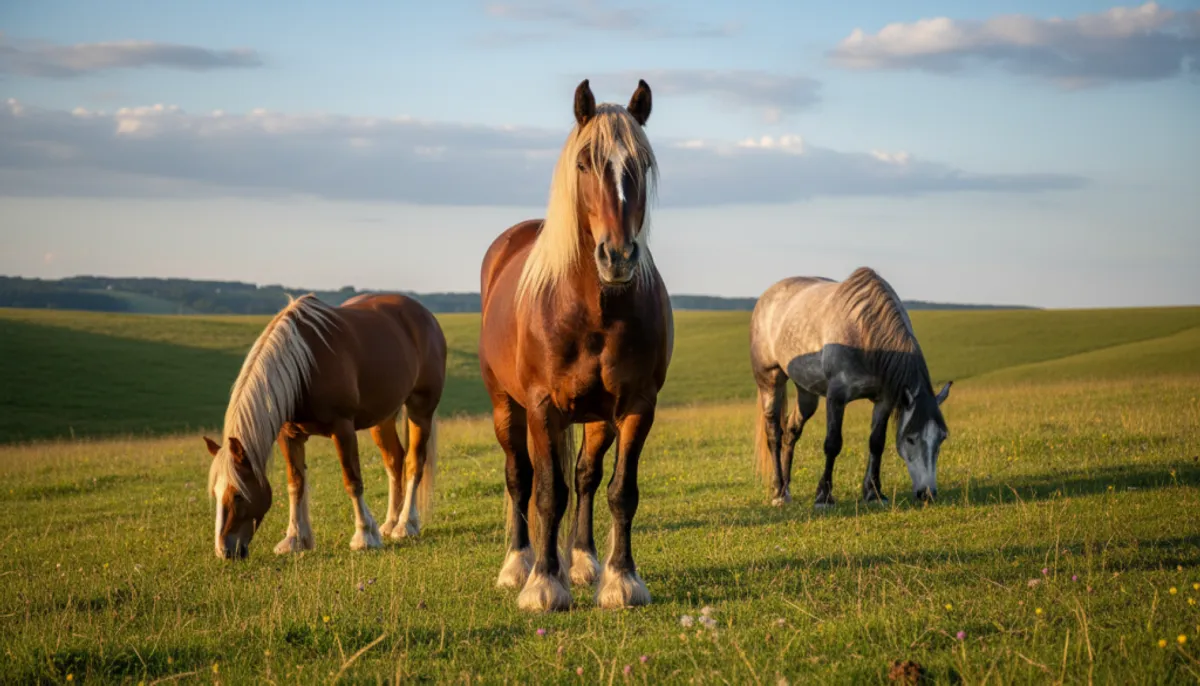
The name “Shire” comes from the English counties where this breed was developed. Crossbreeding with Flemish stallions shaped its imposing morphology.
Other draft horses like the Clydesdale and the Percheron are also highly valued. Each has its specificities in terms of origin, coat, and movement.
| Breed | Origin | Average Height | Typical Coat | Distinctive Feature |
|---|---|---|---|---|
| Shire | England | 1.80 m – 1000 kg | Black, bay | Very abundant feathering, convex head |
| Clydesdale | Scotland | 1.70 m – 900 kg | Bay with markings | Elegant movement and ample stride |
| Percheron | France | 1.65 m – 950 kg | Gray or black | Straight profile, dry limbs |
Understanding these differences is crucial. It allows you to choose a partner whose traits perfectly match your project and lifestyle.
Comparison: Large Horse vs Other Breeds
Comparing different draft horse breeds provides valuable insight into their respective strengths. This analysis helps to better define the unique identity of each equestrian partner.
Morphological and Performance Points
The Shire clearly stands out from the Clydesdale. Its height is often greater, and its head profile is more convex.
The bone structure and mass, the weight, also vary. These differences directly influence their abilities.
The feathering, for example, differs in density. This changes the maintenance needs for each horse breed.
The coat and markings are other distinctive elements. They help to quickly identify other breeds in competitions.
The record for pulling power often goes to the most massive equines. The largest horse in the world, like the Shire, excels in tasks requiring pure strength.
The height at the withers remains a key criterion. It determines suitability for certain work or leisure activities.
Finally, temperament varies. Some lineages are very calm, while others are more dynamic. Understanding these nuances helps to highlight the exceptional qualities of your mount.
The Role of the Large Horse in Agriculture and Leisure
The history of draft horses is marked by a remarkable transition from fields to leisure.
In the 19th century, the Shire was massively exported to North America. Its unmatched strength was used for agricultural work and heavy transport.
These animals plowed difficult lands. They were essential to the agriculture of the time.
Today, their power is valued in leisure activities. Prestigious driving and trail riding are popular.
Their docile temperament facilitates integration. Even novice riders can enjoy their calmness.
The height at the withers remains a symbol. It reminds us of their ability to perform demanding tasks. The coat of these mounts still fascinates the public.
| Field | Historical Role (19th Century) | Modern Role (Leisure) | Highlighted Qualities |
|---|---|---|---|
| Agriculture | Plowing, transporting heavy loads | Traditional events, demonstrations | Strength, endurance, patience |
| Transport | Pulling carts and equipment | Tourism and competition driving | Power, regular gait |
| Human Relationship | Essential work tool | Partner for relaxation and companionship | Gentle temperament, reliability |
This evolution shows a successful adaptation. The health and life of these animals depend on balance.
The preservation of draft breeds maintains this historical link. It ensures their future in the equestrian world.
The Historical and Cultural Heritage of Large Horses in France
The Boulonnais, nicknamed the “Colossus in White Marble”, symbolizes the historical elegance of French horse breeds. Its origins date back to Roman times, reflecting a prestigious past.
French breeders have managed to preserve these lineages over the centuries. The name of each breed is often linked to its region of origin, like the Percheron.
The size and morphology of these powerful equines have been shaped by the needs of agriculture. The record popularity of certain breeds attests to their cultural significance.
The typical gray coat of the Boulonnais has become a symbol of power. This breed embodies the resilience of animals that have accompanied the country's development.
The breeding of these large horses is a tradition passed down through generations. Understanding this heritage allows for a greater appreciation of each horse's value.
| French Breed | Region of Origin | Average Height at the Withers | Characteristic Coat | Main Historical Role |
|---|---|---|---|---|
| Boulonnais | Boulonnais (Pas-de-Calais) | 1.65 m – 1.75 m | Gray (“white marble”) | Quick light traction, maritime transport |
| Percheron | Perche (Normandy) | 1.60 m – 1.85 m | Gray or black | Agriculture, heavy transport, postal work |
| Trait du Nord | Nord-Pas-de-Calais | 1.65 m – 1.73 m | Chestnut, bay, roan | Agriculture of heavy lands, mining |
The French equestrian culture is deeply linked to these draft horses. Their presence has left a mark on minds and rural landscapes, making them a living heritage to cherish.
Testimonials and Advice from Passionate Breeders
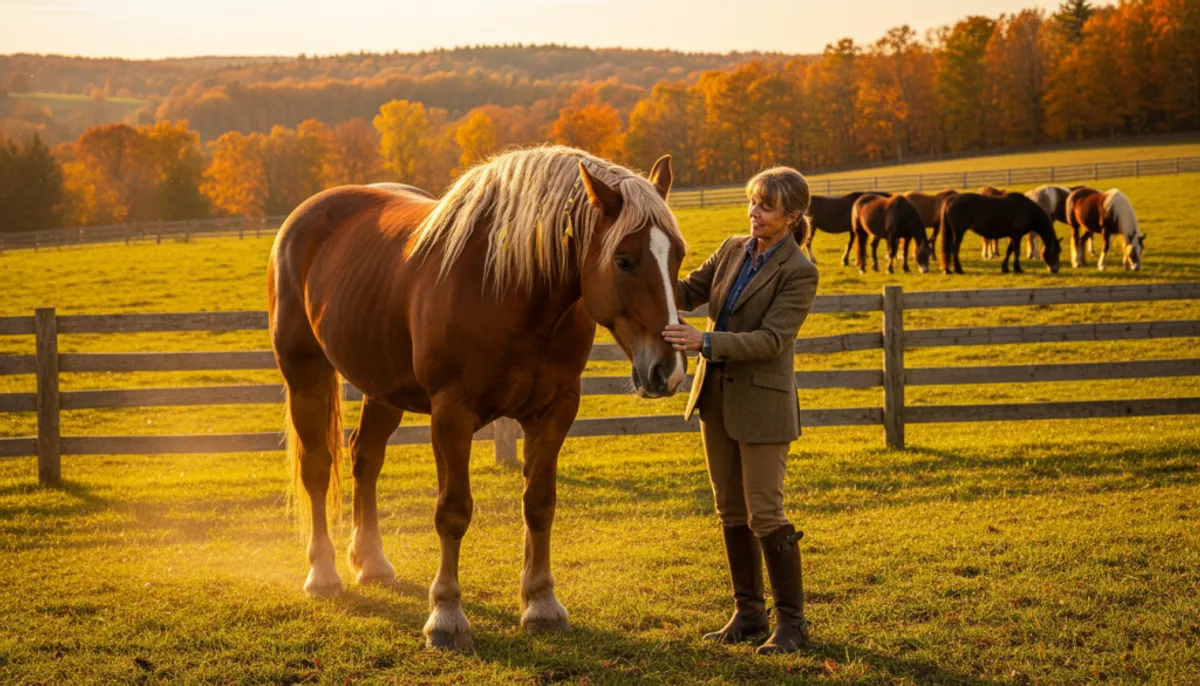
Listening to passionate breeders reveals the secrets behind the successful breeding of powerful draft equines. Their daily experience is a goldmine of practical advice and inspiring anecdotes.
Expert Opinions from France
French specialists emphasize the rigorous selection of stallions and mares. Thoughtful crossbreeding preserves the health and gentle temperament inherent to each breed.
For the Shire, often referred to as the largest, particular attention to weight and nutrition is crucial. This rigor ensures the sustainability of bloodlines and adherence to morphological standards.
Success Stories and Preservation Initiatives
Many success stories arise from local commitment. Each breeder, in their region, plays a key role in preserving this living heritage.
Their passion helps overcome challenges. It transforms the simple management of a breeding into a true family and cultural adventure.
- A meticulous care of the feathering and head prevents infections in these giants with abundant coats.
- Monitoring the height at the withers and morphology ensures the maintenance of the breed standards worldwide.
Conclusion
Adopting a gentle giant among the draft breeds represents a deep commitment to animal welfare. This adventure requires rigorous preparation and constant attention.
The diversity of breeds offers options for all enthusiasts. Each lineage has specific needs related to its size, coat, or temperament.
Daily care and suitable equipment ensure a long and happy life for your companion. Preserving these equines is a cultural challenge supported by dedicated breeders around the world.
By respecting these needs, you build a unique relationship of trust. This guide has provided you with the keys to appreciate the nobility of your horse.
Remember that each animal is a unique individual, deserving all your affection.
FAQ
What is the largest horse breed in the world?
The Shire is often considered the most imposing. Originating from England, this giant can exceed 2 meters at the withers and weigh over a ton. Its power and calm temperament make it an exceptional breed for driving and agricultural work.
How to recognize a draft horse?
These equines are distinguished by a powerful morphology and robust build. They possess a muscular neck, a broad chest, and abundant feathering (long hair) on their legs. Their coat can be bay, black, gray, or roan.
What are the main uses of these powerful equines today?
Their uses have evolved. They still excel in prestigious driving, logging in forests, and organic agriculture. Their popularity is also growing for trail riding and equestrian shows, thanks to their placid nature.
What specific care is needed to preserve their health?
A rich diet and spacious shelter are essential. Regular maintenance of hooves and coat is crucial. Monitoring their weight and activity is necessary to avoid joint problems, given their size and mass.
Why is French breeding recognized for these breeds?
France has a strong historical heritage with breeds like the Percheron or the Boulonnais. French breeders combine traditional craftsmanship with sanitary rigor, providing a guarantee of quality and preserving these remarkable lineages for future generations.