
Welcome to this comprehensive guide on horse meat in France. It will help you understand everything about this meat from a nutritional, culinary, and industry perspective. It is an easy-to-follow guide for buying and cooking horse meat with confidence.

Nutritionally, 100 g of horse meat contains 20 to 23 g of protein. This protein is perfect for building muscles. Horse meat is low in fat, only 2 to 5 g, and has little cholesterol. It is also rich in iron and vitamins, which is good for health.
In cooking, horse meat cooks quickly to maintain its tender flavor. Cuts like shank and neck are best when braised. For raw meat lovers, carpaccio or tartare are good options, but the meat must be fresh. There are also dried or smoked products like bresaola or horse salami.
The consumption of horse meat is declining in France, and much is imported. European law ensures the welfare of horses and the quality of the meat. The 2016 Charter for equine welfare is a good example of these efforts. This guide will also inform you about the French equestrian world and its craftsmanship.
In the upcoming sections, you will learn how to buy horse meat, choose your cuts, cook the meat perfectly, and discover delicious recipes.
Key Points
- Complete proteins: 20–23 g/100 g, with essential amino acids.
- Lean profile: 2–5 g of lipids and about 60–70 mg of cholesterol/100 g.
- Rich in heme iron (3–5 mg) and vitamins B12, B3, B6.
- Quick cooking for steaks; braised for shank and neck.
- Raw recipes possible, only with impeccable freshness.
- French market in decline in consumption and dependent on imports.
- European regulations and welfare charters to frame the industry.
Overview of the Industry in France and Consumption Trends
France has a large number of breeders, riders, and equine professionals. Consumer habits are changing, and the horse meat market is adapting to these new trends. The horse butcher also meets local needs.
Weight of the Equine Industry and Distribution of Equines
In 2018, France had about 1.2 million equines for nearly 140,000 owners. According to the Economic and Social Observatory of the Horse, leisure and learning activities use 68% of equines. This includes 33% for leisure, 27% for sports, and 8% for teaching.
Racing represents 13% of equines, breeding 12%, and pleasure equines 5%. Working horses account for 2%. Equestrianism was the 4th national sport in 2017, but the number of licensed riders has decreased recently.
Evolution of the Herd and Decline in Horse Meat Consumption
The number of horses is decreasing, and their age is increasing, with more horses over 20 years old. The consumption of horse meat is also declining. In 2013, there were about 15% fewer buying households compared to previous years.
Slaughter of equines decreased by 23% in 2017 in France. There are two main types of horse meat: that from heavy foals and that from retired horses. These changes influence the horse meat market, and horse butchers are adapting to demand.
Imports and Dependence of the French Market
About 80% of horse meat consumed in France is imported, showing a strong dependence. Many racehorses are now intended for leisure, reducing the number of animals sent to slaughter and affecting the supply in the national market.
The equine industry in France is seeking to be more self-sufficient by valuing draft breeds and reducing imports. The horse meat market focuses on quality and proximity through local butchers.
| Indicator | Value/Evolution | Source/Reference | Impact on the Horse Meat Market |
|---|---|---|---|
| Equines in France (2018) | ≈ 1.2 million | Economic and Social Observatory of the Horse | Production and service base of the French equine industry |
| Major Uses | Leisure/Sport/Teaching: 68% | National distribution | Priority to non-food activities, influences consumption trends |
| Races | 13% of the herd | Trotters and gallopers | Decline in retired horses sent for slaughter |
| Breeding | 12% (stallions and broodmares) | Draft and blood breeds | Genetic maintenance, potential future supply |
| Decline in Buying Households | -15% (2013) | Consumer panels | Demand contraction, pressure on horse butchers |
| Slaughter of Equines | -23% (2017) | National data | Reduced availability, tension on the horse meat market |
| Imports | ≈ 80% of consumption | Foreign trade | High dependence of the French market |
| Butchery Sectors | Heavy foals and retired horses | Professional organization | Supply structure for horse butchers |
Benefits of Horse Meat and Nutritional Contributions
Horse meat is fine and very tasty. It helps in sports, work, and recovery while being light. Its advantages are evident in both steak and stew.
Complete Proteins and Amino Acid Profile
It contains 20 to 23 g of protein per 100 g. This protein includes all essential amino acids, aiding muscle building. Horse steaks are a good choice to vary protein sources.
Low Fat and Cholesterol Content
The meat is lean, with 2 to 5 g of lipids per 100 g. Cholesterol is low, good for the heart. It is well-suited for healthy eating every day.
Rich in Heme Iron and B Vitamins (B12, B3, B6)
There are 3 to 5 mg of heme iron per 100 g, and vital B vitamins. These elements help with endurance and prevent nutritional deficiencies.
Moderate Caloric Intake for a Balanced Diet
With 110 to 130 kcal per 100 g, it is easy to integrate into menus. Horse steaks are best when briefly seared or slowly cooked. This preserves nutritional qualities without weighing down meals.
| Criterion | Average Value (per 100 g) | Nutritional Interest | Cooking Reference |
|---|---|---|---|
| Proteins | 20–23 g | Complete essential amino acids | Ideal for horse steaks and post-workout |
| Lipids | 2–5 g | Majority of unsaturated fatty acids | Brief cooking over medium-high heat |
| Cholesterol | ≈60–70 mg | Moderate profile for red meat | Limit added fats |
| Heme Iron | ≈3–5 mg | High absorption, helps against anemia | Pair with vitamin C-rich vegetables |
| B Vitamins (B12, B3, B6) | High sources | Energy, nervous system, protein metabolism | Gentle cooking to preserve micronutrients |
| Energy | ≈110–130 kcal | Moderate intake for balanced menus | Perfect in warm salads or light stews |
Horse Meat
Horse meat is the meat of the horse. It plays an important role in culinary tradition in France. It can be found in cities and the countryside. It is appreciated for its mild and slightly sweet flavor, different from beef.
Horse meat can be quickly seared to achieve tender steaks. It is also delicious in braises with red wine or in stews. Dishes like carpaccio and tartare are carefully prepared to bring out the best flavor.
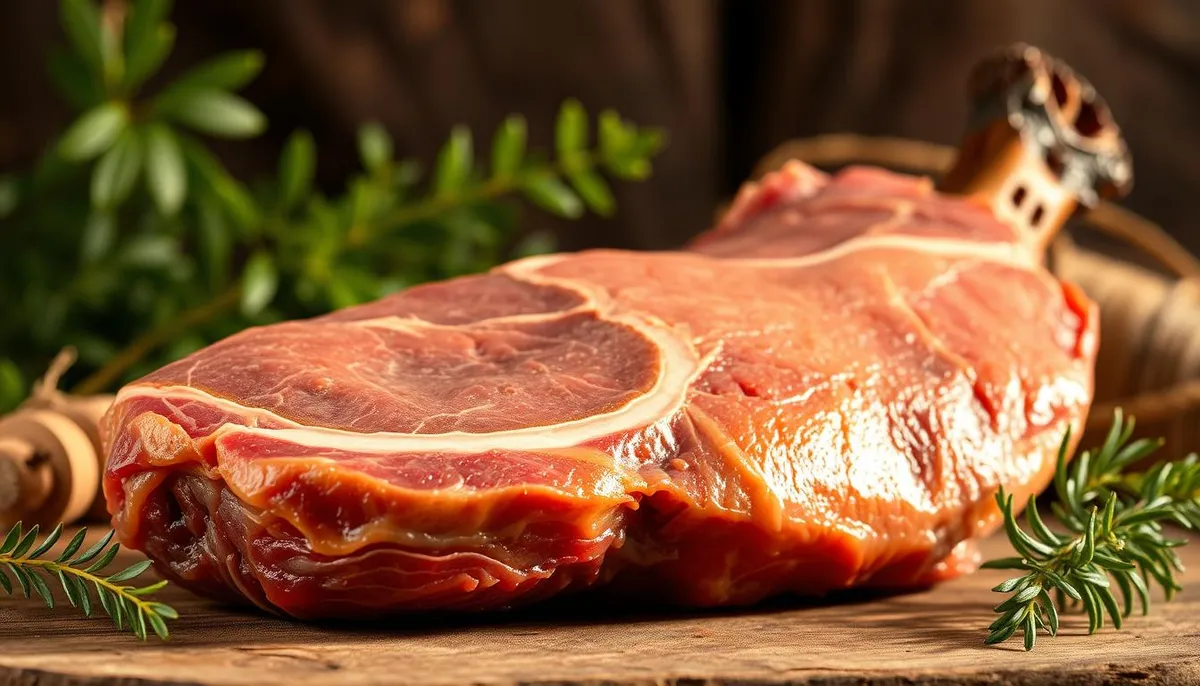
Horse charcuterie, such as bresaola or salami, is rich in flavor and protein. It is perfect for appetizers or in salads. Horse meat enriches regional cuisine, from Paris to Turin.
The perception of horse meat varies from country to country. In France and Italy, it is common, but not in the United States or the United Kingdom. Interest in sincere and seasonal recipes for horse meat is increasing.
Choosing and Buying Horse Meat in France
To buy horse meat without worry, choose local suppliers. They should clearly show where the meat comes from, how it has been tracked, and how it has been kept cool. A good tip: ask questions and request specific details.
Identifying a Trusted Horse Butcher
A good horse butcher indicates where the meat comes from, the lot number, and when it was slaughtered. The displays should be very cold (between 0 and 2 °C) and everything should be clean.
It is also important to know what type of horse the meat comes from, its age, and who raised it. The transparency of this information ensures quality and helps you choose.
- Clear display of origin, traceability, and cold chain management.
- Regular controls and precise cutting.
- Cooking advice available at the counter.
Tips for Buying Horse Meat and Recognizing Freshness
Fresh meat is bright red, has little smell, and is not sticky. It should also look clean and tight.
Avoid meat that is too wet or appears dull. For tartare, ask for a minute cut. This ensures the freshness of your purchase.
- Select internal cuts for raw dishes.
- Opt for a short aging, ideal for lean meat.
- Ask for the receipt date and lot number.
Horse Meat Supplier and Horse Catering: Quality Criteria
A good supplier documents everything: from slaughter to transport, in compliance with EC Regulation No. 1/2005, to aging and veterinary control. Always ask for details about the slaughterhouse and how the slaughter was conducted.
A reliable caterer follows traceability, cold storage rules, and adheres to the 2016 Charter for equine welfare. These practices enhance local breeding and protect our draft breeds.
| Criterion | Horse Butcher | Horse Meat Supplier | Horse Catering |
|---|---|---|---|
| Traceability | Origin and details displayed | Complete documentation | Precise tracking |
| Cold Chain | Very cold displays | Refrigerated transport | Good preservation |
| Animal Welfare | Clear information on conditions | Compliance with standards | Agreements with suppliers |
| Freshness | Quality meat | Controlled process | Day preparation |
| Customer Advice | Personalized service | Detailed information | Practical advice |
Tip: To ensure your purchase, keep the receipt, the lot number, and follow cooking advice. This assures quality and enhances flavor.
Preparations and Cooking with Horse Meat
Horse meat is appreciated for its fineness and lightness. It contains 110–130 kcal per 100 g. It also has 20–23 g of protein and only 2–5 g of lipids. It is perfect for athletes and those who enjoy good food.
It is important to manage heat, seasoning, and cooking time well. This keeps the meat tender and juicy.
Choose meat with a good origin and have it cut by a specialized butcher for better results.
Horse Steaks: Grilled or Pan-Fried, Time and Temperature
Cook horse steaks over medium or high heat, turning them quickly. Cook for two minutes on each side for a rare steak. Three minutes for a medium steak.
Do not overcook them. Their low fat content could dry them out.
After cooking, let them rest for 2-3 minutes. A simple seasoning with salt, pepper, and a little clarified butter is perfect. A bit of herb marinade, lemon, or balsamic vinegar can also enhance the flavor.
Recipes with Horse Meat: Stews, Braises, and Sauces
Cuts like shank and neck are perfect for long, slow cooking. A stew with carrots, potatoes, red wine, and herbs de Provence is delicious. It releases collagen that enriches the sauce.
Serve it with polenta or fresh pasta. These horse meat dishes are both light and nourishing.
Carpaccio and Tartare: Food Safety and Cut Selection
If you prefer to consume raw meat, ensure it is very fresh. The butcher must also adhere to strict hygiene. Ask for a minute cut from a beef tenderloin or fillet.
For carpaccio, slice the meat very thinly. Season with olive oil, lemon, and herbs. For tartare, finely chop the meat. Add capers, shallots, and mustard. Serve these dishes cold.
Charcuterie, Dried or Smoked: Uses and Pairings
Horse charcuterie resembles bresaola in texture. Horse salami and smoked cuts are convenient and rich in protein.
Serve them with citrus, arugula, and hard cheese, like Comté. These pairings complement the spirit of horse steaks. They are suitable for appetizers or in salads while remaining modern.
| Preparation | Recommended Cuts | Technique and Time | Seasoning | Nutritional Benefits |
|---|---|---|---|---|
| Pan-Fried/Grilled Steak | Fillet, rump steak | Seared 2–3 min/side, rest 2–3 min | Salt, pepper, herbs, lemon or balsamic | 20–23 g protein/100 g, low lipids |
| Stew/Braise | Shank, neck | Slow cooking 2–3 h with vegetables and wine | Herbs de Provence, garlic, bay leaf | Melted collagen, rich and light sauce |
| Carpaccio | Fillet, beef tenderloin | Ultra-thin slicing, immediate serving | Olive oil, lemon, fine herbs | Moderate caloric intake, delicate flavor |
| Tartare | Fillet, round steak | Fine chopping cold, minute assembly | Capers, shallots, mustard, pepper | High protein, no added fat |
| Dried/Smoked Charcuterie | Lean fresh cuts for drying | Controlled drying or cold smoking | Pepper, coriander, hint of citrus | Convenient for snacks, rich in protein |
Ethical Aspects, Welfare, and Regulation
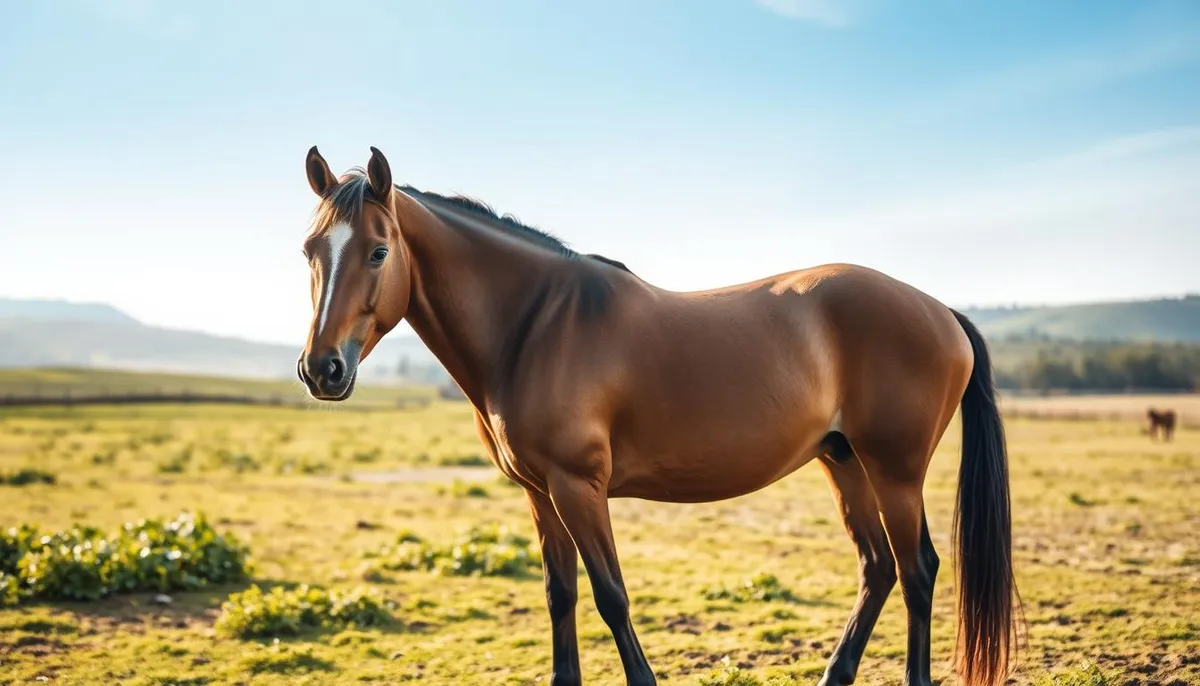
In France, strict regulations and strong commitments govern the equine industry. The goal is to ensure the welfare of equines from birth to their end of life. This includes monitoring and slaughter practices that meet societal expectations.
EU and national rules control breeding, transport, and slaughter. Charters further enhance the welfare of horses.
European and French Framework for Transport and Breeding
Directive 98/58/EC establishes the foundations for the protection of farm animals, implemented in France since 1982. The rules for the transport of animals are specified by Regulation (EC) No. 1/2005. Although there are no specific criteria for equines, these rules still provide solid protection.
The IFCE suggests monitoring the welfare of equines at rest and at work. With 31 criteria, this monitoring helps maintain their welfare, safety, and health.
Butchery Sectors: Heavy Foals and Retired Horses
The sector mainly relies on draft foals and retired racehorses. With declining consumption, the origin of the animals is becoming increasingly important.
Recent plans aim to better organize national production. They want to preserve French draft breeds and modernize slaughterhouses. The goal is to meet demand with clear traceability and regulation.
Charter for Equine Welfare and Good Slaughter Practices
Initiated in 2016, the Charter for equine welfare proposes eight specific actions to improve the daily lives of horses. In 2018-2019, European guides were published, currently being evaluated by Anses for ministerial validation.
A national guide for good slaughter practices is being prepared. This aims to better protect animals, standardize methods, and maintain consumer trust, without complicating the task for professionals.
End of Life, Traceability, and Consumer Expectations
Every owner has the choice to exclude their equine from the butchery sector via the identification booklet. This decision commits them to care for it until its natural end. This concerns both ethics and the economy of breeding.
Consumers demand more transparency regarding traceability, equine welfare, and slaughter conditions. France, as an importer of horses, must meet these expectations through its regulations and charters.
| Aspect | Reference/Provision | Field Application | Key Benefit |
|---|---|---|---|
| Breeding | Directive 98/58/EC; amended order of 25/10/1982 | Feeding, space, daily care | Measurable and controllable equine welfare |
| Transport | Regulation (EC) No. 1/2005 | Duration limits, density, competence of transporters | Reduction of stress and injuries |
| Evaluation | IFCE; AWIN protocol (31 indicators) | Controls at rest and at work | Continuous improvement and objective data |
| Slaughter | National guide for good slaughter practices | Standardized procedures and training | Enhanced protection and increased trust |
| End of Life | Identification booklet; choice of destination | Possible exclusion from consumption | Responsibility and clarity of traceability |
Where to Find Excellence Products Related to the Horse World
To equip a stable, find the perfect gift, or showcase a unique style, La Sellerie Française is the best option. It represents French craftsmanship in the equestrian world. Enthusiasts find quality, durable accessories with known origins.
La Sellerie Française: 100% French Made Craftsmanship
Each item is made in France, from start to finish, by expert artisans. This approach ensures superior quality. It also guarantees a clear origin of the materials used.
Products are comfortable for the horse and last long. They are made with precision and authenticity. This meets the expectations of horse riding enthusiasts.
High-End, Custom, and Limited Series Products
La Sellerie Française offers luxurious and precise items. You can choose from different leathers, colors, and finishes. Their limited series use the highest quality materials.
Their custom service allows for perfect adjustment of each piece of equipment. This enhances safety, appearance, and comfort. These products are a good investment for everyday use or competitions.
Link Between Equestrian Culture, Quality, and Local Gastronomy
The approach of La Sellerie Française is strongly linked to the territory. It unites equestrianism and local artisanal traditions. The demand for quality in a saddle is also found among local artisans.
By choosing made in France, we support a responsible economy. La Sellerie Française demonstrates the importance of excellence, responsibility, and elegance.
Practical Tips for Successful Horse Meat Recipes
A delicious horse meat cuisine requires appropriate cooking. This preserves tenderness. Sear horse steaks over medium/high heat for 1 to 2 minutes on each side. Avoid overcooking and let rest for three minutes afterward. This allows the juices to redistribute.
Horse meat is low in calories but rich in protein. Use light marinades like herbs and lemon. They add flavor without heaviness. With olive oil, pepper, arugula, and parmesan, you have a quick meal.
For tougher cuts, slow cooking is better. Use red wine, vegetables, and herbs to braise. The meat will become tender. Serve with polenta or potatoes.
Raw preparations require great attention to hygiene. Buy from a reliable butcher and consume quickly. Season your carpaccio or tartare to enjoy it to the fullest.
Charcuterie and dried meats pair well with citrus and hard cheeses. Add pickles and sourdough bread for a balanced meal. Horse steaks also fit well in salads.
When buying, pay attention to origin and traceability. This is crucial, especially for imports. Ask questions and check labels carefully.
Horse meat is rich in iron and vitamins. It has little cholesterol. Eat it with vegetables and grains for a healthy meal.
A quick tip: salt horse steaks after searing. Pair with vegetables or a salad for a light and flavorful meal.
Conclusion
Horse meat is both nutritious and delicious. It contains 20 to 23 g of protein and only 110 to 130 kcal per 100 g. With 2 to 5 g of lipids and full of vitamins like B12, B3, and B6, it is an excellent option.
It can be cooked in many ways: grilled, pan-fried, as carpaccio, or even dried. It always remains tender and flavorful. Additionally, this meat is easy to digest due to its quality.
In France, the majority of horse meat is imported. This highlights the need for a more organized industry. Improving quality and origin involves better structuring among different types of horses.
European and French regulations encourage a more ethical approach. They aim for more traceability and better health control. This improves the quality of horse meat.
When buying, choose a reliable butcher. Ask about the meat's origin and check its freshness. This is important for health.
Proper cooking is key to enjoying its flavor. For steaks, quick cooking is ideal. Cuts for stewing require a lower temperature. Be rigorous with hygiene for tartare and carpaccio.
La Sellerie Française represents the excellence of craftsmanship, all made in France. This shows the importance of quality products. Choosing a local horse butcher and being attentive when purchasing supports our gastronomic heritage. It also encourages a responsible approach.
FAQ
What is horse meat and how does it differ from beef?
Horse meat is the meat of the horse. It has less fat than beef and a mild, slightly sweet taste. It is high in protein. For good cooking, it requires either quick medium heat or long braising.
What are the nutritional benefits of horse meat?
Horse meat is rich in protein and good amino acids. It has low fat and cholesterol. It provides iron and B vitamins B12, B3, B6. All this for 110–130 kcal/100 g.
Is horse meat suitable for low-calorie or athletic diets?
Yes. With low calories and fat, it is good for muscles and satiety. It is ideal for athletes and diets, with gentle cooking.
Where to buy quality horse meat in France?
Choose a specialized butcher. Ask where it comes from, what type of horse, the cutting date, and its tracking. Ensure that the cold chain has been maintained and check labels. Good caterers are transparent about their sources.
How to recognize the freshness of a horse steak?
It should be bright red, smell good, be moist but not sticky, and have visible fibers. Avoid anything that leaks or looks dull. For tartare or carpaccio, the meat should be cut in front of you and be very fresh.
Why does France import so much horse meat?
French production is insufficient. 80% of horse meat comes from abroad. The goal is to increase French production to rely less on imports and value local breeds.
What are the animal welfare and traceability rules?
Breeding and transport follow strict European rules. There is also a charter and guides for the welfare of horses, their slaughter, and tracking, verified by Anses.
What cuts to choose for horse steaks?
Prefer fillet, rump steak, or round steak. Cook over medium/high heat and let rest. A simple seasoning is sufficient.
How to cook horse meat recipes in a stew?
Take shank or neck. Braise for a long time with vegetables, red wine, and herbs. The sauce becomes rich and creamy, perfect for flavorful dishes.
Is raw horse meat (tartare, carpaccio) safe?
Yes, if it is very fresh. Buy from a reliable butcher, have it cut in front of you, and maintain strict hygiene. Eat quickly after purchase.
Is horse charcuterie (dried or smoked) interesting?
Yes, for its proteins and aromas. Try it in thin slices with citrus, arugula, and hard cheeses. It is delicious in salads or on boards.
What are the main horse butchery sectors?
There are young draft horses and retired racehorses. Both are closely monitored for safety and quality.
Why is horse meat consumption declining?
People's tastes are changing, the supply is decreasing, and interest in animal welfare is rising. The decline is notable between 2013 and 2017, although some remain loyal to this meat.
What criteria to choose a horse meat supplier or caterer?
Look for clarity on traceability, origin, compliance with rules, commitment to animal welfare, cold chain maintenance, information on age and breed, and transparency regarding aging and cutting.
How to cook horse steaks without drying them out?
Cook briefly over high heat. Avoid overcooking and let rest. A marinade with herbs or lemon can make the meat more tender without adding calories.
What is the caloric intake of a portion of horse meat?
For 100 g, there are about 110–130 kcal. This includes 20–23 g of protein and 2–5 g of healthy fats. It is good for healthy eating.
Can horse meat be associated with local gastronomy and equestrian craftsmanship?
Yes. Horse meat values local and short supply chains. Local equestrian craftsmanship, like La Sellerie Française, highlights custom or limited products, showcasing quality and tracking.
What controls to ask for at a horse butcher?
Ask about origin, lot, cutting date, temperature, and sanitary compliance. For raw meat, insist on a cut made on the spot.
Is horse meat compatible with a low-cholesterol diet?
Yes, with low cholesterol and healthy fats. Integrate it into a well-balanced diet. Cook without too much fat.
How to integrate horse meat into everyday recipes?
Try grilled steaks with salad, a stew with red wine, carpaccio with olive oil, or bresaola on focaccia. It is quick and rich in protein.
RelatedRelated articles
- 30 Nov 2025·14 min readHorse Price – Guide to Buying or SellingGeneral
 Are you considering buying or selling a horse in 2025? This guide will help you understand prices in France, from Thoroughbreds to Selle Français. It also covers Ponies and Quarter Horses. We provide benchmarks on the cost of horses, their maintenanc...