
Since ancient times, the Egyptian, Greek, and Chinese civilizations used a plant with extraordinary virtues. Today, this succulent is recognized for its unique properties, particularly beneficial for our equine companions.
Its leaves are composed of nearly 99% water, making it a natural and deep source of hydration. This composition largely explains its soothing and regenerating effect.
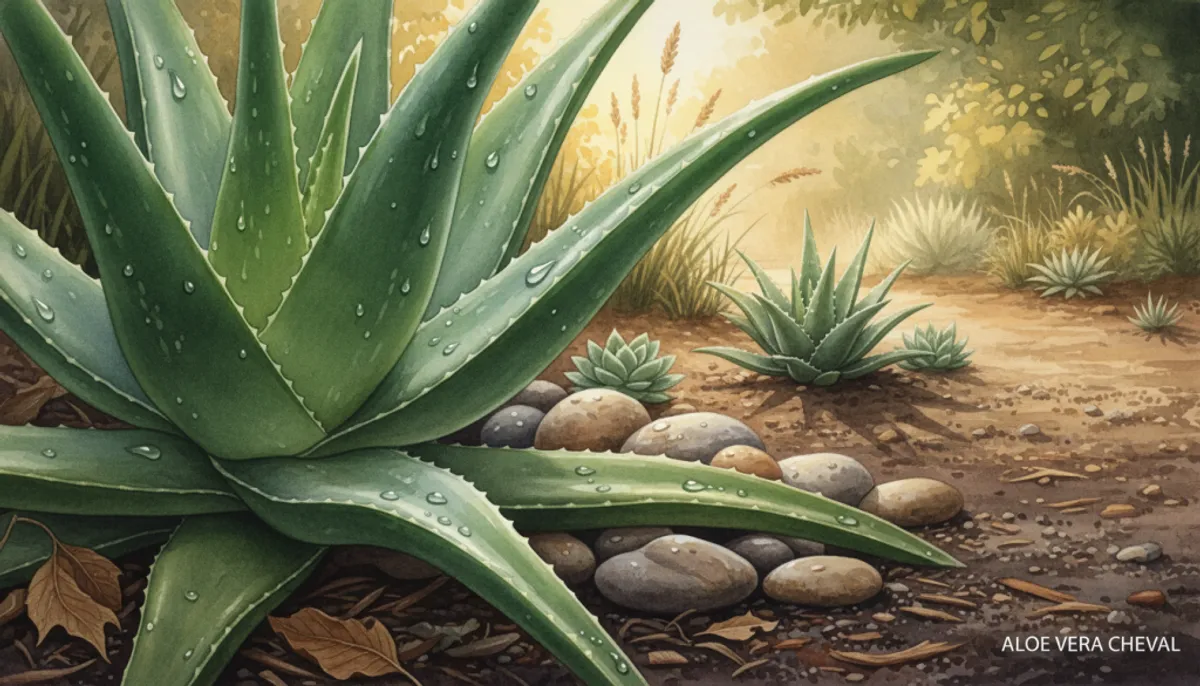
Rich in over 75 active compounds, it provides a valuable supply of vitamins and minerals. This cocktail of essential nutrients supports the overall health of your mount and helps treat various skin issues.
Whether in the form of pure gel or incorporated into care products, its action is versatile. It promotes tissue repair, soothes irritations, and contributes to the daily well-being of animals.
Key Points to Remember
- A historical medicinal plant, used for millennia for its virtues.
- Intense hydration thanks to exceptional water content.
- A composition rich in vitamins, minerals, and essential amino acids.
- A skin ally, helping to calm irritations and accelerate healing.
- Support for the digestive comfort and immune system of the equine.
- A natural supplement that can be easily integrated into the care routine.
- A beneficial action to keep the animal in top shape.
Introduction to Aloe Vera for Horses
Among the phytotherapeutic alternatives, a succulent native to warm climates is gaining increasing interest.
This medicinal plant, initially found in Egypt, is now cultivated under generous suns. It is produced in India, Asia, the Caribbean, and Mexico.
More and more owners are exploring natural solutions for their companions. They seek to promote the welfare of the equine gently.
Incorporating this plant remedy into the routine is simple. It offers soothing and restorative properties that are highly valued.
The horse at pasture or the athlete in competition finds valuable support in it. It helps calm a sensitive stomach and supports the skin.
For animals subjected to intense efforts, it is a choice ally. It contributes to overall digestive health and prevents certain discomforts.
This natural approach meets a strong expectation from today’s riders.
Origin and Composition of Aloe Vera
To understand its action, one must delve into the heart of the leaf and discover its secrets. This succulent, named Aloe barbadensis, is much more than just a decorative plant.
History and Origin of the Plant
Its history dates back to ancient Egypt. It was already recognized there as a source of healing for animals.
Today, it grows in generous climates, such as in India or Mexico. These sunny lands optimize the quality of its sap.
Active Components and Essential Nutrients
The leaf is primarily composed of water, at a rate of 98 to 99%. This property makes it an exceptional rehydration agent for the tissues of equines.
It contains more than 75 different active compounds. Among them, there are essential minerals and valuable amino acids.
The viscous and transparent gel extracted from it is packed with vitamins. These nutrients, such as vitamins A and C, are essential for proper metabolic functioning.
Properties and Therapeutic Virtues
The wide range of therapeutic applications originates from the unique biochemical composition of the plant. Its numerous compounds act in synergy.
This synergy offers valuable and versatile support for equines.
Healing and Soothing Properties
The aloe vera gel possesses remarkable repairing properties. It accelerates the healing of wounds and skin irritations.
The salicylic acid present can be very useful. It naturally reduces pain associated with inflammation.
Compounds like Aloe-emodin offer antibacterial action. This protects lesions from infections.
Effects on the Digestive and Immune Systems
This succulent contains more than 75 active elements. They effectively support the digestive system.
In cases of ulcers, its anti-inflammatory action soothes irritated walls. The enzyme amylase aids in the digestion of starch.
The immune system is also strengthened. Anthraquinones protect cells against oxidative stress.
The following table summarizes the main actions:
| Property | Key Active Component | Main Effect | Common Application |
|---|---|---|---|
| Skin Healing | Polysaccharides, amino acids | Accelerated tissue repair | Treatment of wounds, abrasions |
| Soothing of Tissues | Salicylic acid, plant steroids | Reduction of inflammation and pain | Irritations, sunburn |
| Digestive Support | Enzymes (amylase), mucilages | Soothing of mucous membranes, aids digestion | Gastric discomfort, ulcers |
| Immune Strengthening | Anthraquinones, vitamins (A, C, E) | Antioxidant protection, stimulation of defenses | Convalescence, general support |
These combined effects make this gel a comprehensive ally for the health of your animals.
Aloe Vera Horse: Internal Applications
The horse's gastrointestinal system, often sensitive, finds effective support in this nutrient-rich pulp. Used orally, this natural supplement directly targets the digestive system.
Benefits for Digestion and Transit Regulation
This gel is ideal in cases of loss of appetite or weight loss. It helps regulate transit in horses without undesirable laxative effects.
The pulp contains biotin. This nutrient is essential for the health of the mane and hooves.
In cases of ulcers, it soothes the stomach. It also promotes the healing of internal mucous membranes.
An oral treatment stimulates immune defenses. It also stabilizes the intestinal flora thanks to its prebiotic properties.
The animals benefit from its rehydrating effect. This is valuable during transport or competitions.
Dosages, Precautions, and Mixing with Other Supplements
The aloe vera gel from Hilton Herbs is concentrated 2:1. It is twice as powerful as fresh juice.
The recommended dose for an adult weighing 550 kg is 50 ml per day. This concentrated form is easy to mix with the feed.
This supplement can be combined with other products. It does not interfere with most nutrients and minerals.
It is important to choose a purified product. This avoids issues related to aloin.
| Internal Application | Main Benefit | Indicative Dosage (horse 550kg) | Precautions |
|---|---|---|---|
| General Digestive Support | Transit regulation, appetite stimulation | 50 ml/day | Use a purified gel without aloin |
| Management of Gastric Ulcers | Soothing of mucous membranes, aids healing | 50 ml/day in a course | Consult a veterinarian for diagnosis |
| Immune Reinforcement and Hydration | Stimulation of defenses, rehydrating effect | 50 ml/day during stress | Adjust the dose according to the animal's weight |
| Improvement of Hoof and Coat Quality | Supply of biotin and essential nutrients | 50 ml/day as a dietary supplement | Results are visible after several weeks |
Aloe Vera Horse: External Applications
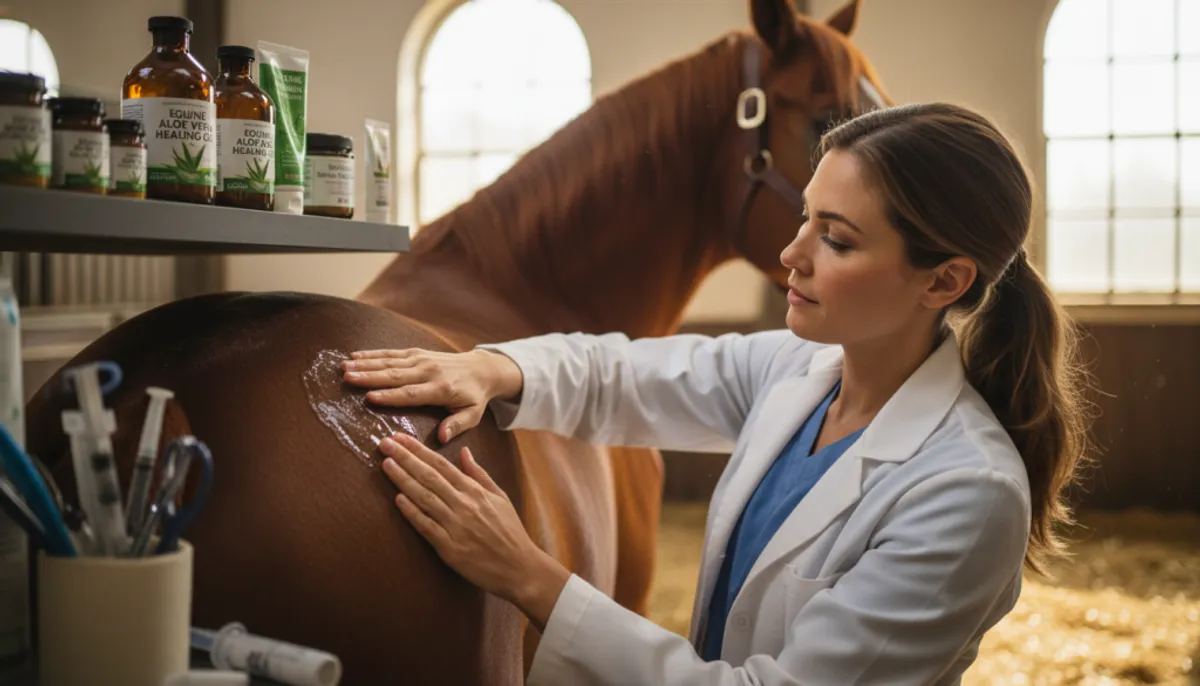
Applied locally, the transparent gel becomes a valuable ally for skin care. Its direct action on the epidermis allows for the treatment of various dermatological issues in equines.
Skin Care and Wound Treatment
The aloe gel can be used to clean small lesions. It offers a disinfecting and hydrating action for the skin.
This promotes rapid and healthy healing. In cases of summer dermatitis, this substance soothes symptoms.
Use in Cases of Skin Irritations or Burns
For common irritations, the Bye Bye Itch lotion is ideal. Enriched with natural components, it calms sensitive skin on a daily basis.
The pulp extracted from the inner leaf regenerates the epidermis after minor burns. It provides essential nutrients for tissue repair.
Against ringworm, Farnam's Aloedine shampoo utilizes the properties of aloe vera. It limits the proliferation of fungi thanks to iodine.
| Skin Problem | Recommended Product or Action | Main Benefit |
|---|---|---|
| Wounds and Abrasions | Application of pure gel | Disinfection and accelerated healing |
| Summer Dermatitis | Bye Bye Itch Lotion | Soothing of itching, reduction of symptoms |
| Minor Burns | Pulp from the inner leaf | Regeneration of the epidermis |
| Ringworm | Aloedine Shampoo (Farnam) | Antifungal action, limitation of fungi |
Regular application of these products helps maintain healthy skin. It also prevents complications for sensitive equines.
Feedback and Clinical Studies
Clinical observation and practical experience provide concrete insights into the results obtained. These elements validate the growing interest in this natural approach.
Studies on Effectiveness Against Ulcers
Scientific studies provide tangible evidence. Research conducted on twelve racehorses showed an improvement in gastric lesions in 70% of cases.
This figure is significant, as it is estimated that up to 90% of horses may suffer from these ulcers. This condition often leads to weight loss and a decrease in appetite.
The gel contributes to the healing of internal tissues. It thus helps the animals regain a stable state.
Testimonials from Owners and Caregivers
Feedback from the field corroborates this data. Many owners report a reduction in painful symptoms related to ulcers.
They observe better comfort and increased overall welfare in their companions. The use of appropriate products allows for managing complex situations, especially for equine athletes.
These testimonials confirm the beneficial effects on digestive health. They reinforce confidence in this natural solution for the welfare of equines.
Practical Tips for Integrating Aloe Vera into Equine Routine
Optimal use of this natural gel relies on a well-defined application rhythm and storage precautions.
These simple habits preserve the quality of the product and ensure its effectiveness for your companions.
Application Rhythm and Product Preparation
Store the raw material in a cool, dry place. This keeps its active properties intact.
Apply it to clean, dry skin. This step maximizes its soothing effects on equines.
The rhythm should be adapted to the specific needs of the animal. During periods of intense stress, more frequent application may be necessary.
For subjects sensitive to ulcers, a regular oral course helps stabilize the digestive system.
This preventive approach contributes to optimal health on a daily basis.
| Situation | Practical Advice | Indicative Frequency |
|---|---|---|
| Prevention of Gastric Ulcers | Oral course of aloe vera gel | Daily, mixed with feed |
| Skin Care (irritations, wounds) | Local application of pure gel | As needed, on cleaned skin |
| Stress Period (transport, competition) | Increase in oral dose or skin application | Before and during the event |
| General Maintenance and Welfare | Integration into the care routine | Several times a week |
This medicinal plant is a major asset for owners seeking natural care.
Thoughtful preparation and application make it a loyal ally for the welfare of horses.
Aloe Vera Products Available on the Market
To meet the specific needs of equines, several manufacturers have developed specialized products. These formulations facilitate the integration of the benefits of this plant into daily care.
Gels, Creams, and Dietary Supplements
The Gastric Gel from Reverdy is an effective supplement. It combines plant pulp with aluminum phosphate, glutamine, and prebiotics.
This synergy helps prevent gastric ulcers. It also soothes the sensitive mucous membranes of the stomach.
On its part, Horse Master's Gastrix regulates acidity. It combines this succulent with apple cider vinegar.
For the skin, high-quality gels are rich in minerals. They provide an essential base for external care.
Product Comparison and Recommendations
The choice depends on your mount's primary need. Here is a simple guide to help you.
| Product | Key Composition | Main Use | Advantage |
|---|---|---|---|
| Gastric Gel (Reverdy) | Aloe vera, aluminum phosphate, glutamine, prebiotics | Digestive support and ulcer prevention | Multi-factor action for gastric health |
| Gastrix (Horse Master) | Aloe vera, apple cider vinegar | Regulation of stomach acidity | Natural formula to balance pH |
| Pure Skin Gel | Concentrated pulp rich in nutrients | Care for wounds, irritations, and burns | Intense hydration and rapid repairing action |
In cases of digestive sensitivity, an oral supplement is indicated. For skin problems, prioritize a pure gel.
These products offer targeted natural solutions for the well-being of your horses.
Natural Approach and Supplements for Equine Welfare
Opt for a holistic approach by integrating plant solutions into your mount's routine. This natural approach places sustainable welfare at the heart of care. The aloe vera for horses is an essential pillar.

Companies like ESC Laboratoire are pioneers in equine phytotherapy. They develop supplements based on plant active ingredients that respect physiology.
Inulin, present in formulas like Paskastomac, acts as a prebiotic. It stabilizes the intestinal flora, especially during periods of stress.
Combined with these prebiotics, the aloe vera gel supports digestive health. It helps prevent ulcers and maintains the internal balance of horses.
This synergy ensures overall welfare. It combines nutrition and high-quality care for optimal vitality.
This holistic approach considers the animal as a whole. It aims to strengthen its natural defenses and comfort on a daily basis.
Conclusion
Adopting this plant remedy is choosing a gentle and effective solution to support your mount.
This plant is a powerful natural source. It improves overall health, accelerates healing, and provides notable comfort.
Its unique properties, rich in essential nutrients, help address various issues. It is useful for sensitive skin and for gastric ulcers.
Studies and field feedback confirm its soothing effect. Integrating this supplement into your routine offers a natural and reliable treatment.
The pure gel can support the immune system on a daily basis. It becomes a valuable ally for prevention and a balanced life.
In summary, it is an indispensable asset for the sustainable welfare of your equines.
FAQ
What are the main benefits of Aloe vera for my equine companion?
This plant is renowned for its soothing and regenerative properties. When used externally, its gel promotes the healing of small skin lesions. Internally, it can support digestive comfort and contribute to the animal's overall well-being thanks to its numerous nutrients.
How to apply it to the skin in case of a problem?
For skin care, such as irritations or superficial wounds, use a high-quality pure gel. Apply it gently to the cleaned area. Its hydrating action and components help soothe discomfort and protect the lesion.
Can it help with digestive system disorders?
Yes, its use as a dietary supplement is common to support digestive function. The pulp of the leaf contains amino acids and minerals that can have a beneficial effect on the gastric mucosa and help regulate transit.
Are there precautions to take with this type of product?
It is crucial to choose products specifically designed for animals, such as those from the Equi'phyto brand. Always respect the recommended dosages. Observe your equine when introducing it and consult a veterinarian in case of persistent symptoms.
In what forms can it be found for equines?
You will primarily find pure gel for local applications, as well as liquid or powdered dietary supplements to mix with feed. Creams based on this plant are also available for skin and hoof care.
Do scientific studies confirm its effectiveness?
Several studies, particularly on its effect on the gastric mucosa, show promising results. Testimonials from owners and caregivers also report improved comfort and appetite in some animals using it.