
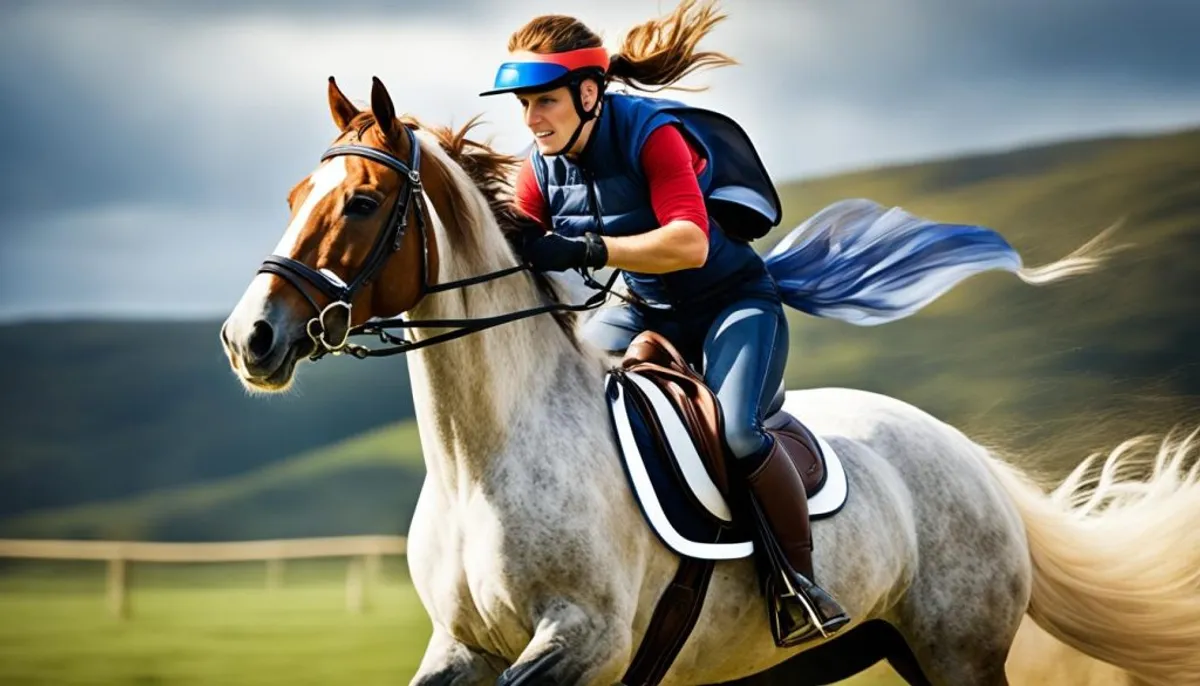
Riding requires great attention to safety. The protective vest or jacket is crucial for any rider, regardless of their experience. It aims to protect the spine, lower back, and neck in case of a fall. Wearing a back protection is often required in high-risk sports such as show jumping or cross-country.
The materials used are durable and absorb shocks. Thus, back protection reduces the risk of serious injuries. Whether it's a vest, a jacket, a soft back protector, or a back guard, this equipment is vital for safe riding.
Main points to remember:
- Back protection is essential equipment for practicing riding
- It protects the spine, lower back, and neck in case of a fall
- Wearing certified back protection is often mandatory in high-risk disciplines
- Durable and shock-absorbing materials reduce the risk of serious injuries
- There are different types of back protection, tailored to each need
The importance of back protection in riding
The back protection is crucial for the safety of riders. The spine is very fragile. It must be well protected in riding, especially in high-risk sports.
An injury here can be serious or even irreversible.
Preventing serious injuries
A body protector, a soft back protector, or a back guard absorbs shocks. They prevent injuries to the spine. This is essential for all riders, whether novices or experts.
The spine, a fragile area
Wearing back protection in riding reassures young riders and beginners. This way, they can train without fearing serious injuries.
Different types of back protection for riding
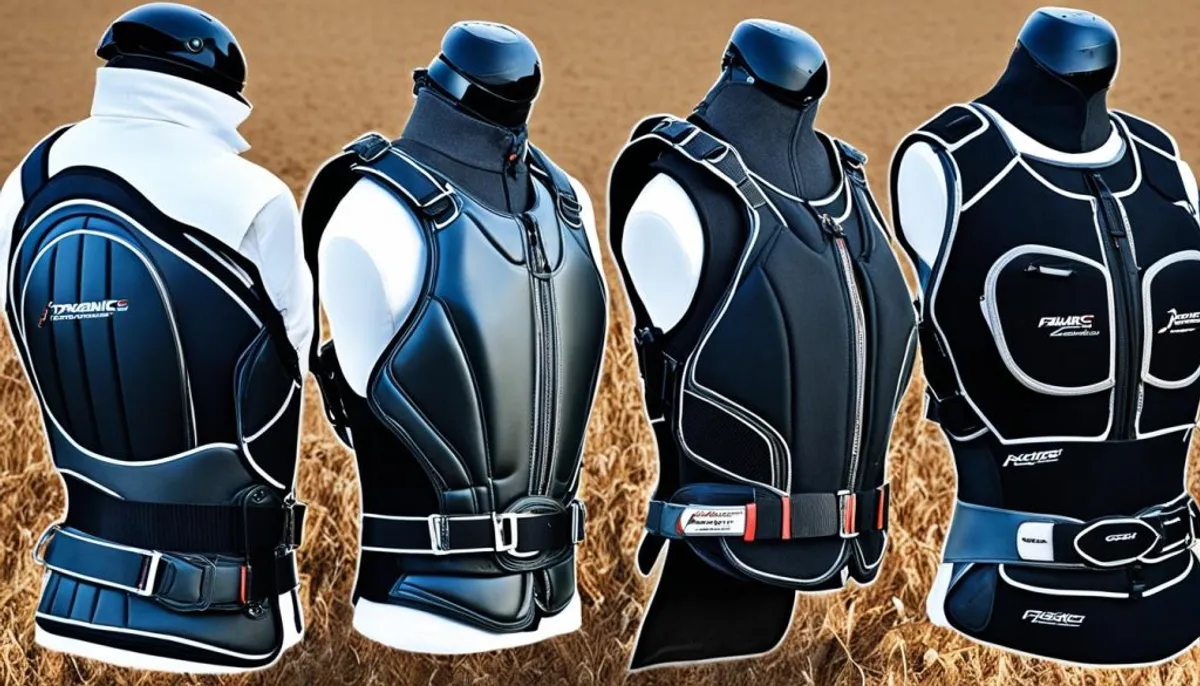
In the world of riding, riders find a variety of protective vests, protective jackets, and back protectors. These pieces of equipment are essential for safety. They are suitable for different sports such as cross-country, show jumping, and trail riding.
Safety vests are very common. They are semi-rigid and made of foam. They protect the torso and back. Additionally, they offer freedom of movement and absorb shocks.
High-risk disciplines, such as cross-country, require level 3 horse body protectors. These vests are stiffer and sometimes air-filled. They offer enhanced protection but are a bit bulkier.
Each type of protection has its advantages. The choice depends on the rider's needs and the sport practiced. It is important to find the right balance between safety, comfort, and freedom of movement.
The EN 13158 standard: a guide to choosing your back protection for riding
The safety of the rider is essential in riding. The European standard EN 13158 is crucial for back protection. It defines three levels of protection for vests and body protectors. These must absorb shocks during falls.
Levels of protection
- Level 1: Ideal for experienced riders, this level offers light and flexible protection. Perfect for training and leisure.
- Level 2: Suitable for all riders, this intermediate level offers enhanced protection. Ideal for competitions or trail rides.
- Level 3: For high-risk riders, this maximum level of protection is recommended. Perfect for high-impact disciplines.
Certification of back protectors
A protective vest must be certified according to the EN 13158 standard to be considered. It must meet strict criteria. This includes shock absorption, puncture resistance, and protection of key areas.
This standard ensures safety and reliability for the rider and their riding safety equipment.
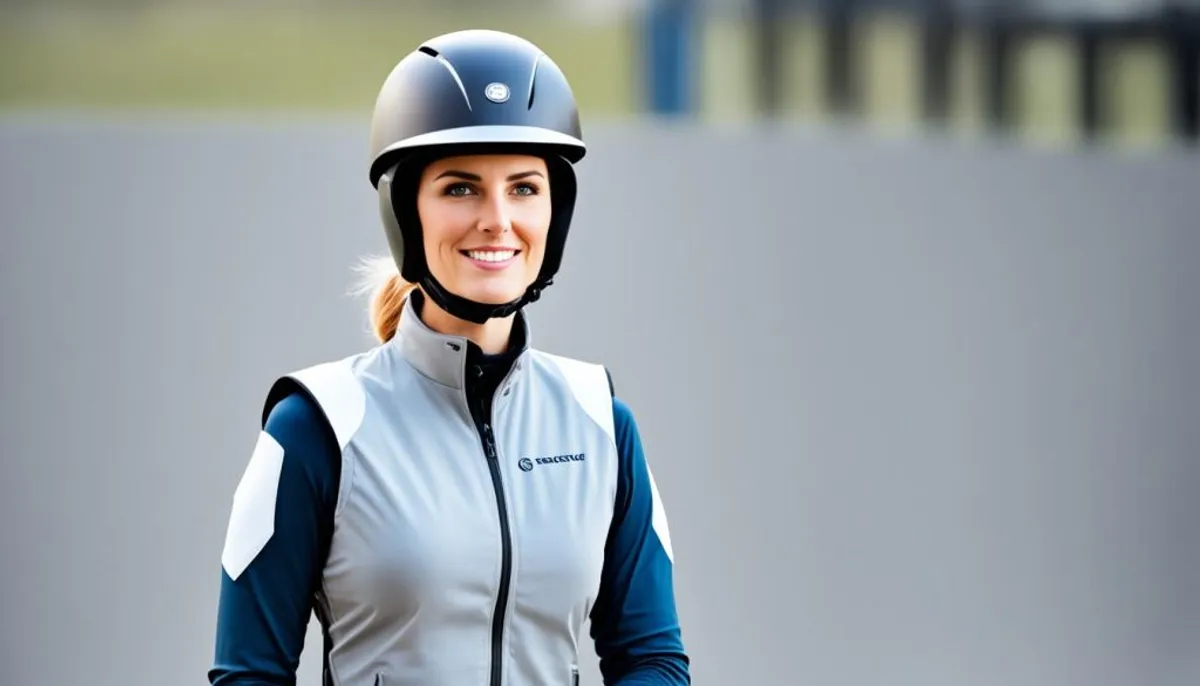
By opting for back protection compliant with the EN 13158 standard, the rider benefits from appropriate protection. It is a crucial investment for their safety on the field.
Back protection for riding: selection criteria
When purchasing back protection for riding, it is crucial to consider several points. The proper fit of the protective vest is essential. Comfort and freedom of movement are also very important.
The proper fit, key to effectiveness
The protective jacket for riding must fit the rider perfectly. It should neither be too loose nor too tight. Thus, it will effectively absorb shocks in case of a fall.
A safety equipment for riding that is poorly fitted decreases its effectiveness. This increases risks for the rider.
Prioritizing comfort and freedom of movement
Comfort and freedom of movement are crucial. A adjustable back protector for riding that is too rigid can be restrictive. It is important to choose a child's back protection for riding that offers both safety and comfort.
The quality of materials and adherence to safety standards are also important. They ensure the reliability and durability of the back protection for riding.
Conclusion
Back protection is crucial for riders, regardless of their level. It protects the spine and torso from injuries in case of a fall. It is important to choose a certified model that is fitted and balances safety and freedom.
It is essential for riding, whether in a club, in competition, or on a trail. Regular use makes riding safer and more serene. It is a key element for the safety of riders.
In conclusion, investing in back protection is a good idea for safety. With the right criteria and proper maintenance, this equipment becomes a valuable ally. It allows for fully enjoying riding with peace of mind.
FAQ
Why is it important to wear back protection in riding?
Wearing back protection is crucial to protect the spine and lower back in case of a fall. It reduces the risk of serious injuries by absorbing shocks.
What are the sensitive areas protected by back protection?
The spine is very sensitive, and an injury can be serious. Therefore, wearing certified back protection is vital to avoid trauma.
What are the different types of back protection for riding?
There are several types of back protection, such as safety vests and inflatable vests. Semi-rigid and foam vests protect the torso and back. For high-risk sports, level 3 vests offer enhanced protection.
What is the European standard EN 13158?
The EN 13158 standard defines the levels of protection for riding back protectors. It classifies protections from level 1 to 3 according to the risk and experience of the rider. A protection must meet strict criteria to be certified.
What criteria should be considered when purchasing back protection?
When purchasing, it is important to choose a vest that fits the body for good shock absorption. Freedom of movement and comfort are crucial. The quality of materials and adherence to standards are also essential.