
The bit is a central element of horseback riding. It allows for a clear and precise dialogue between you and your horse.
Its history is ancient. Archaeologists have found evidence of its use in the Botai culture, in Kazakhstan, around 3500 BC. This shows its millennial importance.
Choosing the right equipment is fundamental for the well-being of your mount. A suitable bit respects oral sensitivity and fosters a relationship of trust.
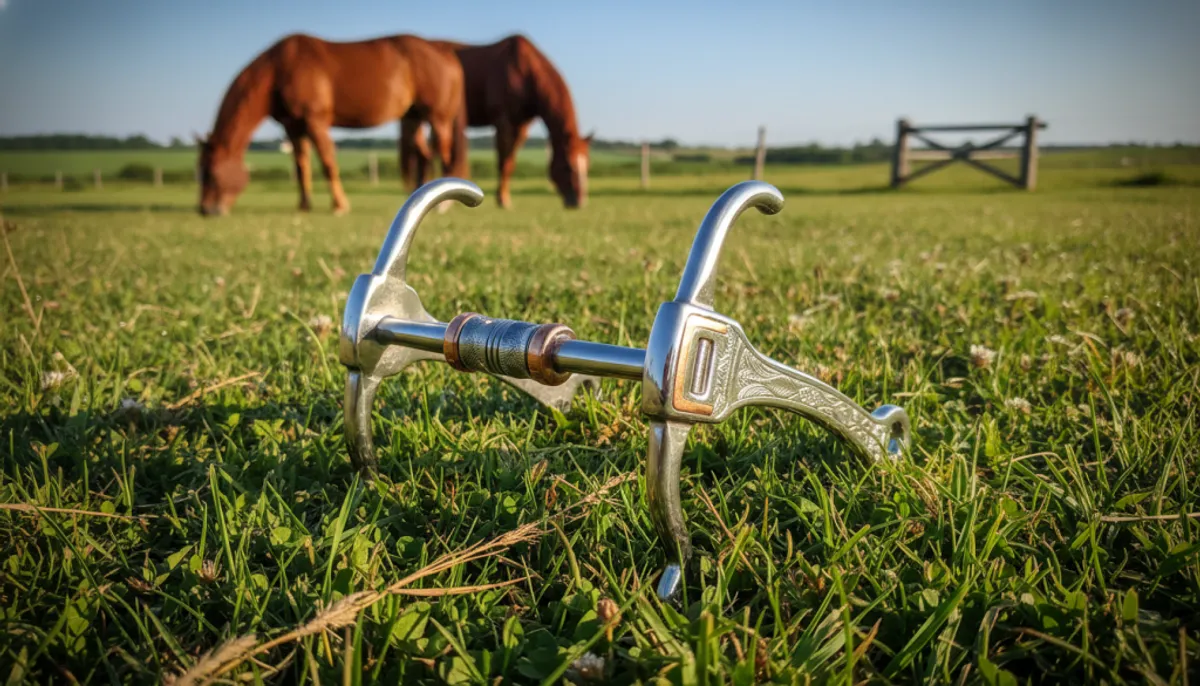
Our guide explains the mechanisms of pressure. The goal is a safe and comfortable use on a daily basis.
We review the available models. You will be able to select the ideal piece for your animal's unique morphology.
Key Points to Remember
- The bit is an essential communication tool between the rider and their mount.
- Its use dates back to prehistory, as evidenced by discoveries from the Botai culture.
- The choice of equipment directly impacts the horse's harmony and comfort.
- Understanding the principles of pressure is crucial for safe practice.
- Our guide helps you navigate the market options.
- The horse's morphology should be the main selection criterion.
- Proper use ensures animal welfare and the effectiveness of the sessions.
Understanding the Functioning of the Horse Bit
To communicate effectively with your mount, it is essential to grasp the action mechanisms of the tool placed in its mouth. This knowledge dates back to antiquity.
Archaeologists have found evidence, such as the Luristan bronze bit, which shows an ancient concern for control and comfort.
Structure and Components of the Bit
A typical bit acts on the bars, a sensitive area between the teeth. Its design has hardly changed for millennia.
Representations on the Standard of Ur (2600-2400 BC) already show nose rings. This proves a constant search for precision.
Action and Pressure Applied to the Mount
The signal transmitted relies on light pressure. It applies to the tongue, lips, and the famous bars.
Understanding this mechanics, whether direct or leverage, is crucial. This avoids any pain reaction in the animal.
As early as 1400 BC, Sinitic riders were already using bridles without bits. This illustrates the quest for gentle alternative methods.
Materials Used: Focus on Stainless Steel
The choice of material has a lasting impact on comfort. Today, stainless steel is often favored for its qualities.
It offers a smooth and hygienic surface. This respects the delicacy of the mouth and ensures clear communication.
Choosing the Right Model for Each Mount
No mount is identical, which is why the choice of its communication tool must be personalized. This decision directly influences the clarity of aids and oral well-being.
Taking the time to evaluate options ensures a calm and effective relationship.
Selection Criteria for Optimal Comfort
The morphology of the jaw is the starting point. The mouthpiece should rest correctly on the bars, without causing friction.
Avoid overly severe models. They can provoke defenses, such as an animal stiffening against the hand.
| Criterion | Impact on Comfort | Practical Advice |
|---|---|---|
| Width of the mouthpiece | Avoids pinching at the corners of the lips. | Measure the space between the lips without tightening. |
| Thickness of the mouthpiece | Affects pressure on the tongue and bars. | Prefer a medium thickness for sensitive mouths. |
| Type of action (direct/leverage) | Determines the intensity and distribution of pressure. | Choose based on the level of training and sensitivity. |
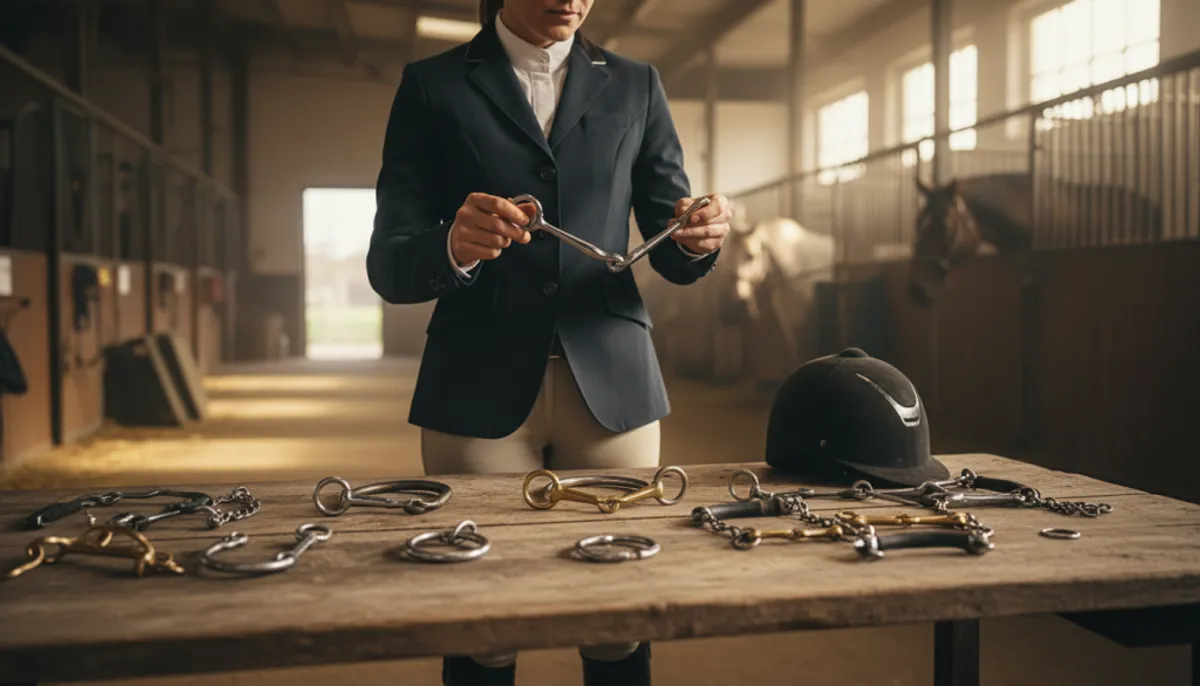
Expert Advice and Feedback
The Pelham, for example, combines two actions. Its use with four reins requires an experienced hand to master the pressures.
Observe the salivation. A moist mouth is often a sign of relaxation and acceptance of contact.
Field feedback confirms that soft materials, like certain copper alloys, promote finer communication. They reduce stress related to unpredictable contact.
Stainless Steel Horse Bit: Advantages and Particularities
Since its widespread adoption in the mid-20th century, stainless steel has revolutionized the design of equestrian communication tools. It largely replaced nickel alloys around 1940, bringing new reliability.
This material is now the reference for riders concerned about their mount's well-being. Its technical qualities perfectly meet the demands of modern horseback riding.
Durability and Corrosion Resistance
Stainless steel offers exceptional resistance to rust. This property is crucial for equipment constantly exposed to saliva.
It maintains its stable shape over time. This avoids unpredictable deformations that could harm oral comfort.
Its surface remains smooth and neutral. Most horses tolerate it very well, which promotes a relaxed mouth.
Choosing a mouthpiece made of stainless steel is a smart investment. Its longevity compensates for its initial cost, even against the elements.
You gain peace of mind during each session. Your communication tool remains reliable and safe year after year.
Guide to Using and Adjusting the Bit
The success of use relies as much on the choice of material as on the care taken in its initial adjustment and regular control. A correct installation transforms your tool into a trusted partner, ensuring safety and comfort at each session.
Advice for Safe Use
Before mounting, always inspect the seams of your bridle. Worn points can give way, compromising your control. This simple check, often recommended in specialized guides, is essential.
To preserve oral sensitivity, avoid constant tension on the reins. The action should be a light and precise request, followed by immediate release. This finesse encourages cooperation.
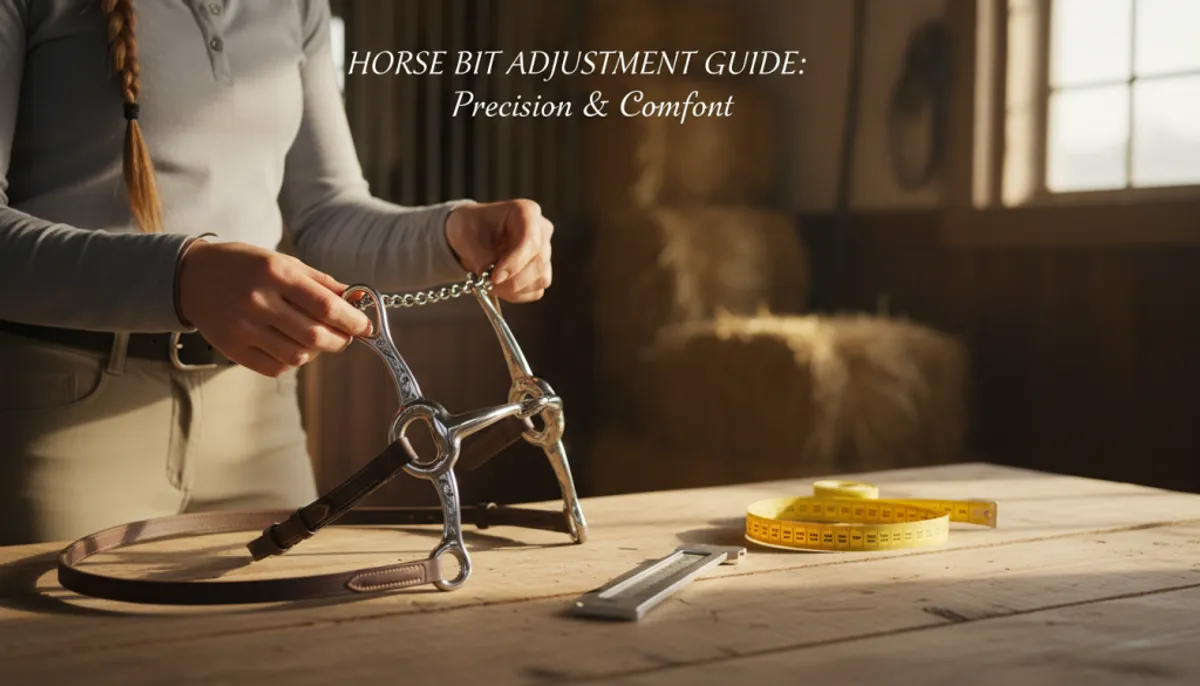
Adjustments Based on the Horse's Morphology
The correct adjustment is vital. The mouthpiece should rest on the bars, the gum area between the teeth. Even a model in stainless steel, though smooth, will cause discomfort if it touches the teeth.
Adjust the headpiece so that the bit does not rise. Two folds at the corners of the lips is a good indicator. A too-loose adjustment makes it move, while a too-tight adjustment causes it to rise and cause discomfort.
The length of the cheekpieces is also crucial. Adjust it so that the mouthpiece is stable and well positioned, without pulling on the lips. Each morphology is unique and requires this personalization.
Regular checks of these adjustments ensure harmonious communication and preserve your mount's well-being in the long term.
Maintenance and Care Tips
Caring for your equipment is as important as choosing it well to ensure calm sessions. A simple routine preserves its condition and guarantees reliable communication at each outing.
Cleaning Techniques and Material Preservation
A regular cleaning after work eliminates saliva and residues. This prevents the accumulation of bacteria and maintains your mount's oral hygiene.
Use warm water and a soft brush. As Carolyn Henderson advises in her manuals, this method cleans deeply without scratching the metal surfaces.
Inspect the rings and mouthpiece before mounting. Look for sharp edges or abnormal wear. This quick check is crucial for safety.
Store your mouthpiece in a dry and temperate place. Even stainless steel benefits from appropriate storage to avoid premature oxidation.
A rigorous maintenance significantly extends the longevity of your equipment. It also ensures that your horse's comfort remains a top priority.
Conclusion
Your equestrian journey gains harmony when every detail of the equipment is mastered with care and knowledge.
Selecting a mouthpiece suitable for your mount's unique morphology is fundamental. This choice directly influences its welfare and the clarity of your requests in the saddle.
Understanding the history and functioning of different models transforms you into a more attentive rider. You then develop a light and precise hand, respectful of oral sensitivity.
Favoring durable materials like stainless steel ensures optimal safety. Meticulous adjustment and regular maintenance maintain fluid communication without discomfort.
We hope these tips guide you toward the ideal model. May they strengthen your bond and make every shared moment even more enriching.
FAQ
How does a bit work in my horse's mouth?
The bit acts as a point of communication between your hands and your mount's mouth. It rests on the bars, an area without teeth in the lower jaw. A gentle action on the reins transmits light pressure, guiding your equine partner with precision and respect.
Why choose a stainless steel model for my riding?
Stainless steel is an excellent choice for its robustness and ease of maintenance. This material resists rust and corrosion perfectly, even with intensive use and exposure to saliva. It ensures exceptional longevity for your equipment.
What are the criteria for selecting the right model for my mount?
Several elements must be considered for your horse's well-being. The morphology of its mouth, its level of training, and its sensitivity are paramount. The thickness, shape, and action of the bit must correspond to its conformation and experience for optimal comfort.
How to properly adjust this essential link of the bridle?
A correct adjustment is fundamental to avoid any discomfort. Generally, you should see one or two small folds at the corners of your companion's lips. It should neither pull excessively on the mouth nor be too loose. A personalized adjustment guarantees clear and pain-free communication.
What maintenance does a stainless steel bit require after a session?
A simple cleaning with warm soapy water after each use is usually sufficient. Dry it thoroughly with a soft cloth to preserve its shine. This quick routine eliminates residues of saliva and dirt, thus preserving the hygiene and surface condition of the durable material.