
The curly horse is a fascinating breed that captures the attention of equestrian enthusiasts. Its unique coat and distinct morphology make it an exceptional animal. This comprehensive article invites you to explore the characteristics of this mount, which dates back to the 1800s in the United States.
La Sellerie Française, accessible at laselleriefrancaise.com, specializes in the manufacture of high-end products. Each item is made from start to finish in France by skilled artisans. These pieces of equipment are designed to accompany each rider in their equestrian adventures.
We will discover how this rare breed fits into the French equestrian landscape. With its remarkable character and physical abilities, the curly horse deserves your full attention. The quality of La Sellerie Française's products goes far beyond simple Origine France certification.
Key Points
- The curly horse has a unique coat that fascinates enthusiasts.
- La Sellerie Française offers equipment made in France.
- This breed has a rich and unique history.
- We will explore its remarkable abilities.
- Each product is the result of exceptional artisanal know-how.
Introduction: La Sellerie Française and the Curly Horse
The passion for horses is reflected in every product from La Sellerie Française. This company specializes in creating high-end equestrian equipment, tailored to the needs of riders and their horses. By choosing items made in France, you not only support local craftsmanship but also ensure unparalleled quality.
La Sellerie Française positions itself as an essential reference. Here are some reasons to prioritize Made in France:
- Unique products, designed by the best French artisans.
- Support for the local economy while benefiting from impeccable quality.
- Equipment specifically tailored to the curly horse breed.
- A total manufacturing requirement that exceeds Origine France certification.
- Investment in exemplary durability for optimal comfort.
Origins and History of the Curly Horse
The beginnings of this breed are traced back to the vast plains of North America. Native American tribes, such as the Sioux, have always regarded these animals as sacred. This fascinating story begins with a strong spiritual connection between horses and indigenous peoples.
The Damele family played a crucial role in preserving the breed in Nevada. As early as 1898, they faced harsh winters, proving the exceptional resilience of these animals. Although myths suggest Russian origins, the actual presence of curly horses is documented as early as the 1800s through historical engravings.
Since 2011, official recognition in France has allowed many riders to discover the unique qualities of this breed. The evolution of the breed has been marked by strategic crossbreeding, stabilizing their physical characteristics while preserving their distinctive temperament.
The Unique Characteristics of the Curly Horse
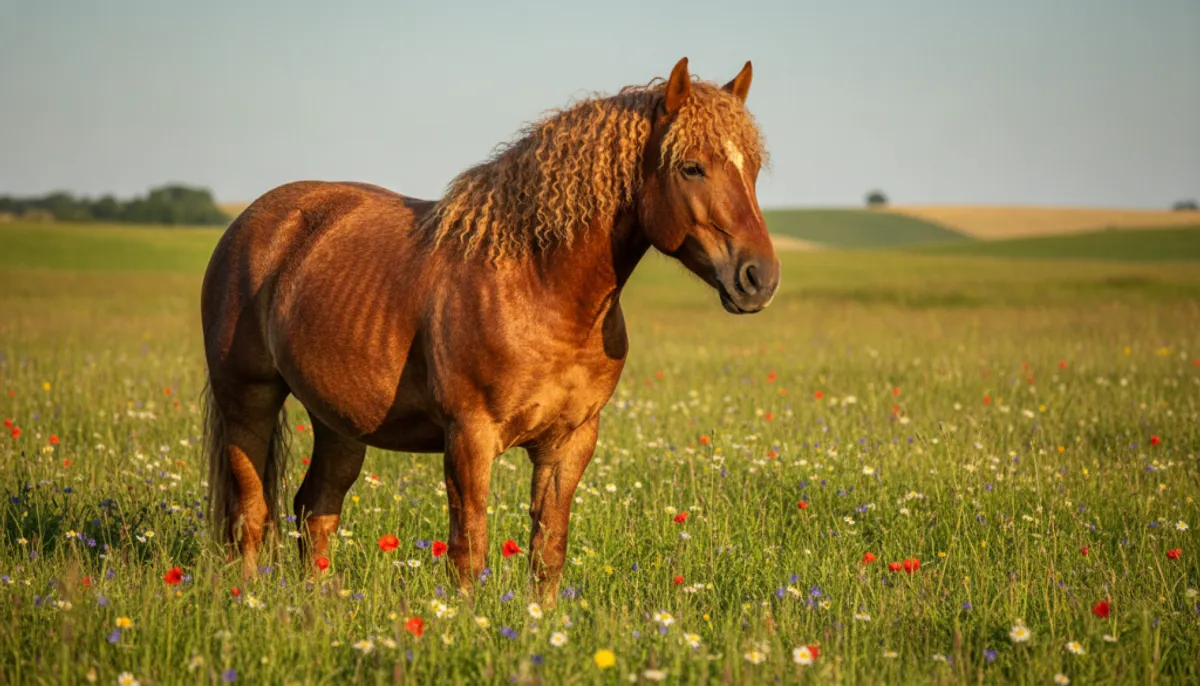
The peculiarities of the curly horse make it a unique breed. Its distinctive coat is the result of a genetic mutation on the KRT25 gene, which creates characteristic curls. These hairs are not only aesthetic; they also provide an effective thermal barrier against extreme temperatures.
This breed possesses remarkable physiological adaptation. In winter, a protective layer of fat develops under the skin, allowing for better cold resistance. Furthermore, horses of this lineage exhibit a superior ventilation capacity due to their slightly open nostrils, promoting optimal oxygenation of muscles during intense efforts.
Beyond its appearance, the temperament of these animals is known for its great docility. This facilitates daily work with riders, making every interaction enjoyable.
| Characteristic | Description |
|---|---|
| Coat | Mutation on the KRT25 gene, creating curls |
| Cold adaptation | Protective layer of fat under the skin |
| Ventilation capacity | Slightly open nostrils for better oxygenation |
| Temperament | Docility and ease of interaction with riders |
Conformation and Appearance of the Curly Horse
The conformation of the curly horse is distinguished by features that captivate enthusiasts. What makes this breed so special is its curly hair, which often extends from the mane to the tail, creating a very recognizable silhouette.
With a height at the withers ranging from 1.42 m to 1.63 m, these horses exhibit a versatile morphology. They are suitable for many equestrian disciplines. Their average weight of 500 kg gives them a robust structure, ideal for both leisure activities and sports.
The overall conformation sometimes resembles that of the Morgan, with dense limbs and exceptionally strong hooves. These characteristics reduce the need for shoeing. Additionally, the coat undergoes a seasonal shedding, helping the horses adapt to temperature variations while maintaining their natural elegance.
| Characteristic | Description |
|---|---|
| Hair | Curly, visual signature of the breed |
| Height at withers | Between 1.42 m and 1.63 m |
| Average weight | About 500 kg |
| Conformation | Resembles the Morgan, dense limbs |
| Shedding | Seasonal, adaptation to temperatures |
Temperament and Behavior
The temperament of the curly horse is often described as a major asset for riders. These animals are known for their gentleness and docility, making them easy to train for people of all levels. This breed is an ideal choice for beginner riders.
Their adaptability is exemplary. They remain calm even in stressful situations or during new outdoor experiences. People who interact with these horses often highlight their intelligence and willingness to please, making daily work very rewarding.
Moreover, the emotional stability of these animals allows for safe use in various contexts. Whether for leisure riding or animal-assisted therapy, their placid nature is a major asset. This makes them a preferred choice for equestrian centers looking to offer a soothing experience to their participants.
Uses and Equestrian Disciplines
The curly horse is a versatile companion, capable of adapting to various equestrian practices. Its flexibility allows it to excel in diverse disciplines such as western riding, trail riding, and even show jumping.
In terms of dressage, these animals show great responsiveness and a capacity for learning that delights riders who appreciate precision. Their use in driving is also common, benefiting from their quiet strength and natural robustness.
Thanks to their calm temperament, these horses have become preferred partners for equine therapy, helping individuals seeking serenity. Each discipline practiced confirms that these horses possess the physical and mental qualities necessary to meet the demands of modern riders.
French Manufacturing and Artisan Excellence
French craftsmanship is honored with products specially designed for equestrian enthusiasts. La Sellerie Française stands out for its unique items, made from start to finish in France. Each product is the result of exceptional know-how, ensuring unparalleled quality.
Artisans take pride in using high-quality materials. This not only ensures the longevity of the equipment but also optimal comfort for the horses. Here are some characteristics of the products offered:
- Custom products: Tailored to the morphology of the curly horse.
- Special care: Each item is designed with attention to reflect the excellence of French manufacturing.
- Limited editions: Own unique pieces, created by passionate artisans.
- Support for local craftsmanship: By choosing these products, you contribute to a sustainable French industry.
- Refined aesthetics: Each piece enhances the beauty of your mount.
| Characteristic | Description |
|---|---|
| Custom-made | Equipment tailored to specific needs |
| Materials | High quality for optimal durability |
| Limited editions | Unique products made with passion |
| Local craftsmanship | Support for the French tradition |
| Aesthetics | Refined design enhancing each horse |
Diversity of Sizes and Morphotypes
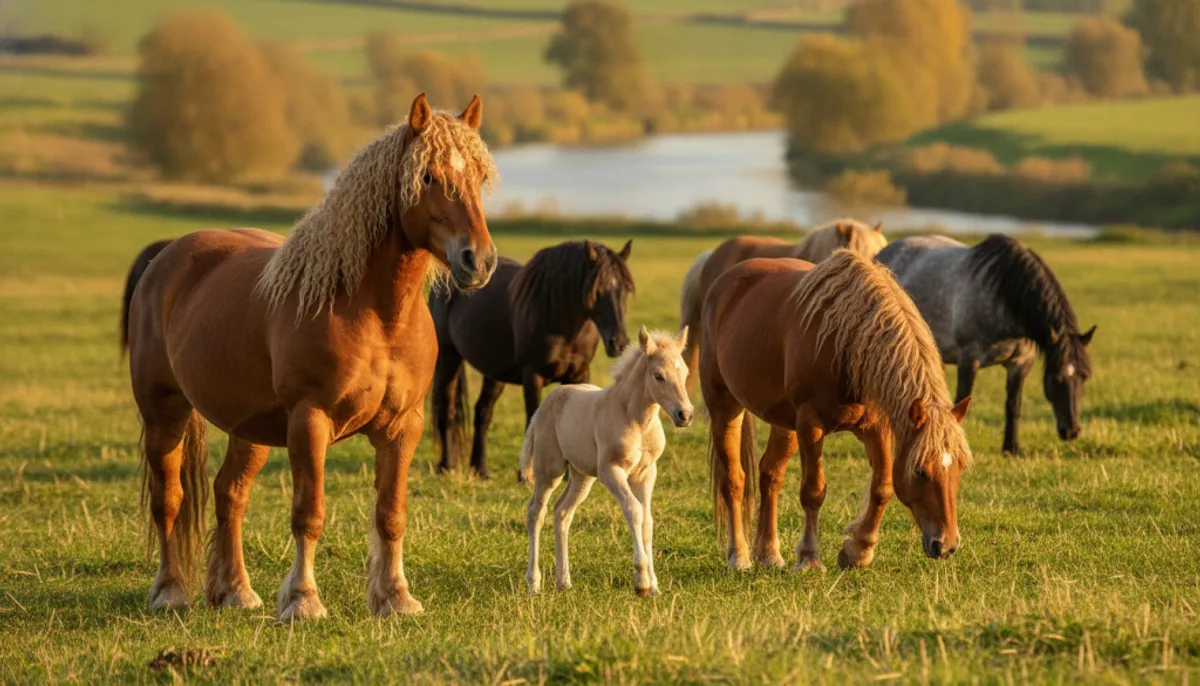
The horse breed presents an astonishing diversity, allowing each rider to find an ideal companion. The height at the withers of the curly horses varies considerably, thus offering models suited to all morphologies.
This morphological variety is a true asset. Breeders strive to preserve the different characteristics within the breed, ranging from mustang types to sport types. Each individual is unique, the result of rigorous selection that guarantees a varied offering.
Here are some key points to remember:
- Adaptability: The diversity of sizes allows for the selection of a horse perfectly suited to individual needs.
- Unique characteristics: Each horse has distinct traits, enriching the breed.
- Various formats: Models ranging from ponies to larger horses are available.
- Rustic past: The morphology reflects the history of the breed while incorporating modern influences.
- Family sharing: This variety allows families to share their passion with horses of different sizes.
| Type of Horse | Height at Withers | Use |
|---|---|---|
| Pony | Less than 1.42 m | Leisure riding |
| Mustang Type | 1.42 m to 1.54 m | Trail riding, western riding |
| Sport Type | 1.54 m to 1.63 m | Show jumping, dressage |
The Challenges of Hypoallergenicity
The impact of hypoallergenic horses on riders is an increasingly explored topic. This breed attracts many allergic individuals to horses, offering them a chance to reconnect with their passion. Scientific studies, such as one conducted in 2020 on 103 riders, show that tolerance can improve when in contact with these animals.
It is hypothetically suggested that the allergen proteins present in the skin of hypoallergenic horses are fewer in number. The coat and the nature of the hairs also seem to play a role in reducing allergic reactions. Although research is ongoing, many testimonies from riders confirm a notable improvement in their comfort.
This specificity makes these horses valuable partners for equestrian facilities, promoting inclusion for all audiences. Riders can thus enjoy their passion without the usual inconveniences.
Breeding and Selection of the Curly Horse
The preservation of this fascinating breed relies on a well-structured breeding framework. The American Bashkir Curly Horse Registry (ABCHR), founded in 1971, plays a key role in protecting the breed's standards. This organization ensures that each horse meets the established criteria to maintain the unique characteristics of the lineage.
In parallel, the International Curly Horse Organization (ICHO), created in 2000, promotes genetic diversity. This allows for the stud book to open to new lineages, thus enriching the genetic heritage of the horses. Breeders commit to adhering to strict criteria, ensuring the health and temperament of the foals.
This rigorous management ensures that each horse from these breeding programs retains the exceptional qualities that make the breed renowned. Here are some key points regarding breeding and selection:
- Oversight by the ABCHR: Preservation of breed standards since 1971.
- Rigorous selection: Maintenance of the exceptional qualities of the horses.
- Genetic diversity: The ICHO promotes the opening to new lineages.
- Strict criteria: Commitment from breeders to ensure the health of the foals.
- Unique characteristics: Ensures the sustainability of the breed.
| Organization | Year of Creation | Role |
|---|---|---|
| ABCHR | 1971 | Preservation of breed standards |
| ICHO | 2000 | Diversification of lineages |
Financial Aspects and Acquisition Costs
Investing in a purebred horse may seem daunting, but it is essential to understand the associated costs. Acquiring a curly horse is a financial commitment that varies based on age, training level, and the animal's origins. Generally, the price of a weaned foal is around 4,000 euros. For a trained adult, prices range from 7,000 to 9,000 euros.
It is also crucial to anticipate additional costs for veterinary care, appropriate equipment, and quality boarding for your companion. Here are some elements to consider:
- Initial investment: The price of a trained adult reflects the rarity and value of this breed in the current market.
- Maintenance costs: Includes trimming, vaccinations, and a balanced diet suitable for outdoor living.
- Anticipate care: A family should plan for expenses related to daily maintenance and regular follow-up by professionals.
- Robustness: The sturdiness of these horses can often limit certain health-related expenses.
Testimonials and Experiences of Riders
The stories of riders often reveal the beauty of the relationship with their horses. Many enthusiasts testify to the ease of work and the exceptional docility of their animals. These shared experiences highlight the unique bond created by the calming character of these horses.
- Ideal partner: Testimonials from riders confirm that the curly horse is a perfect companion for those seeking a relationship based on trust.
- Softness of the coat: Many people emphasize the serenity these horses bring during outdoor work sessions.
- Versatility: Experiences shared by owners show that this breed adapts to all levels of practice.
- Overall appreciation: These stories illustrate why these horses are so loved in the equestrian world, both for their physique and their temperament.
- Rider satisfaction: The success of modern breeding is evident in the fundamental qualities of this endearing breed.
The Curly Horse in Equestrian Culture
At the heart of equestrian history, the curly horse stands out for its unique heritage. In the 19th century, the Sioux and Crow tribes regarded these horses as sacred, symbolizing strength and protection. This spiritual relationship reflects the importance of this breed in Native American traditions.
The North American Curly Horse, formerly known as the American curly, has managed to traverse the century to become an icon of modern equestrian culture. Unlike other horses, this breed has retained its ancestral characteristics while adapting to the needs of riders from all years.
Its role in the evolution of modern breeding is significant. The curly horse serves as a foundation for crossbreeds that enhance its temperament and unique coat. Moreover, the presence of these animals in sport and leisure horses demonstrates their lasting importance in the current international equestrian landscape.
Conclusion
In conclusion, this rare breed offers an unparalleled equestrian experience to enthusiasts. The curly horse stands out for its fascinating history and exceptional qualities. This article has highlighted the importance of choosing quality equipment, such as those from La Sellerie Française, to accompany this unique mount.
Whether for sport, leisure, or equine therapy, these versatile horses meet the expectations of demanding riders. The preservation of this breed remains a crucial challenge for passionate breeders who value its genetic heritage and gentle character.
We hope this guide has helped you better understand why the curly is a preferred choice for those seeking an extraordinary companion. Every interaction with these horses is an opportunity to discover their endearing personality and robustness.