
Establishing a harmonious connection with your mount is a key step for any rider. It is the foundation of a serene and progressive equestrian practice on a daily basis.
This page serves as your comprehensive guide. It walks you step by step towards this sought-after bond, transforming each session into a successful experience.
The portal 1cheval.com, active since 2026, offers a virtual stable and an online simulation game. These interactive tools help enthusiasts better understand equine behavior.
Mastering this technique requires patience and keen observation. A deep understanding of your animal's natural needs is essential to achieve this.
Key Points to Remember
- This technique is a fundamental step for progressing in riding.
- It allows for establishing a harmonious and trusting connection with the horse.
- The platform 1cheval.com offers virtual resources, including a simulation game, for practice.
- Success relies on patience, observation, and respect for the animal's natural behavior.
- Every moment spent in the saddle can become a moment of connection.
- A gradual and gentle approach is recommended for achieving lasting results.
Introduction to Putting a Horse on the Bit
Putting a horse on the bit is much more than a simple training technique; it is a silent dialogue between two partners. This practice represents the culmination of clear and mutually respectful communication.
The Basics of Equestrian Communication
The relationship between the rider and their mount is based on precise signals. These indications allow for establishing a clear and lasting contact.
The animal communicates through subtle gestures. Active listening is therefore essential to establish a solid trust.
The Goal and Stakes of Putting a Horse on the Bit
The main goal is to obtain a willing and flexible partner. It must maintain its balance and natural impulsion while responding to requests.
The stakes are crucial for the horse's physical well-being. Proper positioning preserves its back and promotes healthy engagement.
By refining your aids, the rider guides their mount towards constant serenity and responsiveness.
Preparing Your Equipment: Quality and French Craftsmanship
Even before mounting, the preparation of the equipment plays a decisive role in the equine well-being. Properly fitted and of exceptional quality, the tack is the basis for calm and effective work.
It allows you to convey your intentions clearly and gently. This is an essential investment for the safety and progress of your duo.
High-End Products from La Sellerie Française
La Sellerie Française embodies this ideal. It offers equipment made from start to finish in France by the best artisans in the field.
Each piece, whether custom-made or in limited series, undergoes rigorous quality control. This approach ensures unmatched finishing and durability.
The Advantages of Made in France in the Equestrian Field
Choosing French equipment means opting for technical precision that is essential. The choice of bit, for example, is crucial for a successful putting on the bit.
A well-designed bit respects the horse's mouth and enhances the subtlety of your aids. The animal's comfort is thus preserved, promoting its natural engagement.
This complete manufacturing on the territory values a unique know-how. It is a true commitment to quality and the well-being of your horse.
The Fundamentals of Communication with Your Horse
Fluid communication while riding is established through a constant exchange of micro-signals between the rider and the animal. These foundations are the bedrock of a relationship based on trust and precision.
Signals, Gestures, and Reactions of the Horse
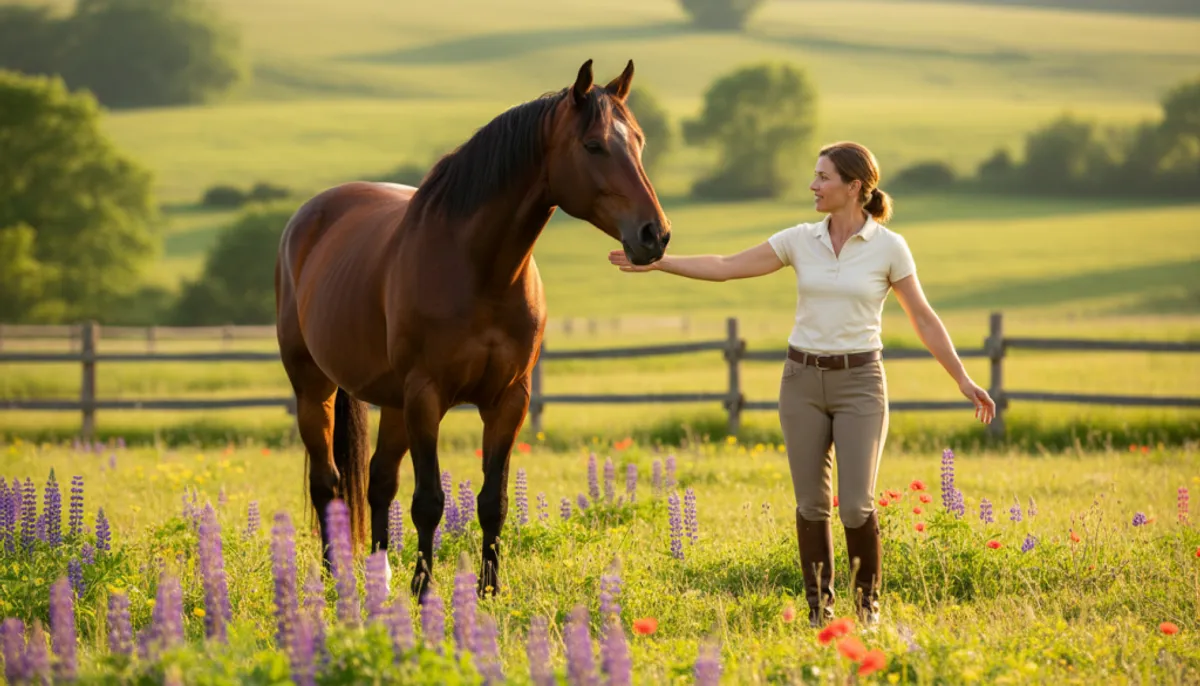
Your light hand is your primary tool for dialogue. The horse's mouth is a very sensitive area that requires a delicate touch to avoid any tension.
Observing your equine partner's reactions is crucial. An ear movement, a slight jaw play, or a change in posture indicates its state of mind.
These signals allow you to adjust your requests in real time. The horse remains calm and receptive during the session.
The consistency of your cues is paramount. Clear and repeated aids help the animal understand exactly what is expected.
For this, a fixed and independent position of your hands is essential. It prevents unnecessary disturbance of the mouth's sensitivity and promotes relaxation.
This daily work should always aim for mutual understanding. The goal is for the horse to feel guided, never forced.
Practical Techniques: How to Put a Horse on the Bit
A good dialogue with your equine partner involves controlling your own movements. This practical phase transforms theory into concrete and shared sensations.
Key Steps to Establishing a Trusting Relationship
Trust is established when the animal perceives your hand as a constant guide. It should seek this contact on its own, without being forced.
Start with work at a standstill or at the walk. The goal is to achieve total relaxation of the jaw and neck.
The successful putting on the bit depends on your ability to follow the movement of the head. You should never block contact with the bit.
Using Wrist Vibrations and Hand Position
The action of your fingers is crucial for modulating tension on the reins. Light vibrations of the wrists invite relaxation.
Keep your fingers soft and elastic. A too-rigid hand position hardens the mouth and hinders progress.
By adjusting delicately, you help your mount find its balance. It then remains attentive to your aids.
This technique significantly refines the putting on the bit. The horse learns that your hand is a kind reference point.
The Importance of Balance and the Rider's Seat
The rider's seat and stability directly influence the horse's well-being. A good balance allows your partner to better engage its back. This makes every movement more harmonious.
| Aspect | Balanced Position | Unbalanced Position |
|---|---|---|
| Engagement of the horse's back | Ease and naturalness | Blockage and tension |
| Distribution of the rider's weight | Uniform and stable | Unbalanced and unstable |
| Trust of the mount | High and serene | Uncertain and nervous |
| Quality of locomotion | Fluid and efficient | Jerky and ineffective |
Maintaining a Stable and Secure Position
Your balance is the foundation of all progress. A stable rider frees the back of their mount. It can then move freely.
A good distribution of your weight is crucial. It allows the animal to engage its hindquarters with power. This is essential for quality training.
This secure position strengthens mutual trust. The horse feels calm and avoids unnecessary tension. Its natural balance remains intact.
Also, remember to keep your own spine flexible. It should move fluidly with the motion. The connection then becomes imperceptible.
By perfecting your seat, you help your partner develop properly. Its back structure strengthens sustainably. It creates a virtuous circle for your duo.
Exercises and Tips for Progressing in Putting a Horse on the Bit
The key to successful training lies in the variety and gradual progression of sessions. A methodical approach allows for lasting results and a peaceful relationship.
Progressive Training and Specific Exercises
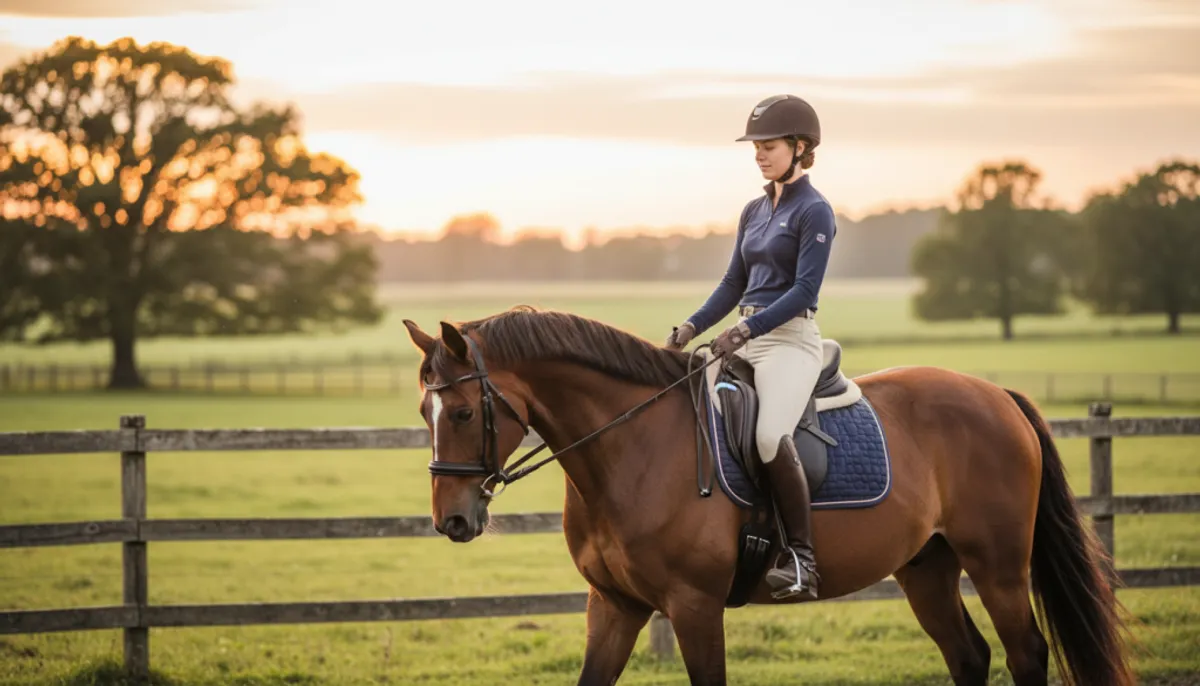
It is advisable to vary the exercises to help your equine partner. This promotes the extension of its neck and deep relaxation.
The natural tendency to carry itself high can be corrected. Frequent transitions between gaits encourage a lower and rounder attitude.
Working on the neck, by encouraging it downwards, is an effective technique. It improves the animal's flexibility and receptiveness.
Tips for Improving Contact Training
Progressiveness in training is paramount. The horse should never feel overwhelmed by demands.
Contact training requires great consistency. A stable hand accompanies each stride with precision and constancy.
By alternating exercises, you help the horse build its back and neck muscles in a balanced manner. This harmonious musculature greatly facilitates the search for the ideal connection.
Managing Common Issues with Engagement and the Bit
Equestrian forums are full of testimonials about difficulties related to the bit and the horse's engagement. These exchanges among riders provide valuable insights for identifying and resolving recurring problems.
Identifying and Correcting Tension on the Bit
A young mare, like Audrey's (4 years), may have a tendency to carry herself high. This problem is often linked to a lack of engagement in the hindquarters, as noted by Manuelle.
Excessive drooling, reported by Kat for her horse Sportsfield, sometimes indicates disrupted contact. It is necessary to check the position of the bit and the saddle, as a pressure point on the back can block everything.
Advice for Reacting to Activation Problems
In the case of a horse that is "getting hot," Flau recommends increasing transitions. This helps regain calm and balance in a short amount of time.
Heidi reminds us that the solution comes from behind. Good work at the walk and precise transitions activate impulsion. They correct the problems in front.
| Common Problem | Probable Cause | Correction Advice |
|---|---|---|
| High neck position | Lack of engagement in the hindquarters | Work on transitions and downward extension |
| Excessive drooling at the bit | Too hard contact or poorly positioned saddle | Check the equipment and soften the fingers |
| Refusal to release the bit | Tension in the jaw and neck | Relax through circles and light vibrations |
| Getting hot and losing calm | Lack of concentration and balance | Increase transitions to refocus attention |
| Stiff and blocked back | Inappropriate saddle position or unbalanced rider | Analyze photos and adjust the rider's seat |
The forum with its 75 participants shows the importance of sharing. The photos and real-time feedback are powerful tools for progress.
Testimonials and Advice from Equestrian Forums
Online equestrian forums have become essential spaces for riders seeking to share their experiences and obtain informed opinions.
Experience Feedback and Technical Discussions
Experts like Pia Munck, 69 years old and based in Denmark, share detailed methods there. Their technical advice helps solve complex training issues.
Analyzing photos of one's own riding is a key point. It allows for correcting one's position and balance to better support the horses' backs.
Each response provided on the forum enriches the circle of knowledge. It creates valuable motivation for all members.
Comparison Between French and German Techniques
Debates often compare national approaches. Each method has its advantages and its own tendency.
| Technical Aspect | French Approach | German Approach |
|---|---|---|
| Work Priority | Lightness and relaxation | Impulsion and active engagement |
| Role of the Neck | Seeking flexibility and "low and round" | Maintaining a natural and dynamic carriage |
| Use of Aids | Subtle contact and light vibrations | Precision of cues and clarity of requests |
This game of comparisons offers the rider varied perspectives. They can thus find the technique that best suits their partner.
Conclusion
Achieving this bond with your mount marks the culmination of a patient journey. The putting on the bit remains a continuous process, requiring a fine listening to your horse's needs.
Quality equipment, such as that from La Sellerie Française, greatly facilitates precision work. A well-fitted bit is crucial for comfort and receptiveness.
The primary goal should always be the equine well-being. Gradually integrate the technical advice to refine your position and contact.
By remaining attentive to signals, each session becomes a moment of connection. You thus strengthen your relationship as a rider, for lasting progress.
FAQ
What does it mean exactly to "put a horse on the bit"?
This describes a horse that willingly seeks light and constant contact with the rider's hand through the reins. It stretches its neck forward and downward, engages its hindquarters, and gives in the mouth. It is a sign of relaxation, balance, and trust.
My horse refuses contact and hides behind the vertical. What should I do?
This common problem often stems from sensitivity to the bit or misunderstanding. Check the fitting of your bridle. Work again on transitions and large circles while lunging to encourage it to stretch its back and move forward without fear of the hand. Patience is key.
How does my position influence the putting on the bit?
Your seat and balance are fundamental. A stable position, with soft fingers and open shoulders, allows for precise and soothing rein effects. If you are tense or off-balance, your mount will be too. Focus on your own posture before asking for that of your mare or gelding.
Is specific equipment needed for this training work?
Good equipment, well-fitted, is a major asset. High-end products from brands like La Sellerie Française, designed with artisanal expertise, offer optimal comfort. A bit suited to the morphology of your equine's mouth makes all the difference for quality contact.
What simple exercises can I do to progress?
Favor exercises involving transitions (walk-trot-walk) and changes of direction on large circles. These movements encourage engagement of the hindquarters and stretching of the top line. Alternate phases of active rein play with moments of lowering the hand in a straight line to reward.
I have read differing opinions on forums. Is there only one right method?
Discussions on forums show that each pair is unique. The French school often advocates lightness and persuasion, while the German approach may emphasize impulsion more. The important thing is to find the technique that creates mutual understanding and harmonious progress for you and your partner.