
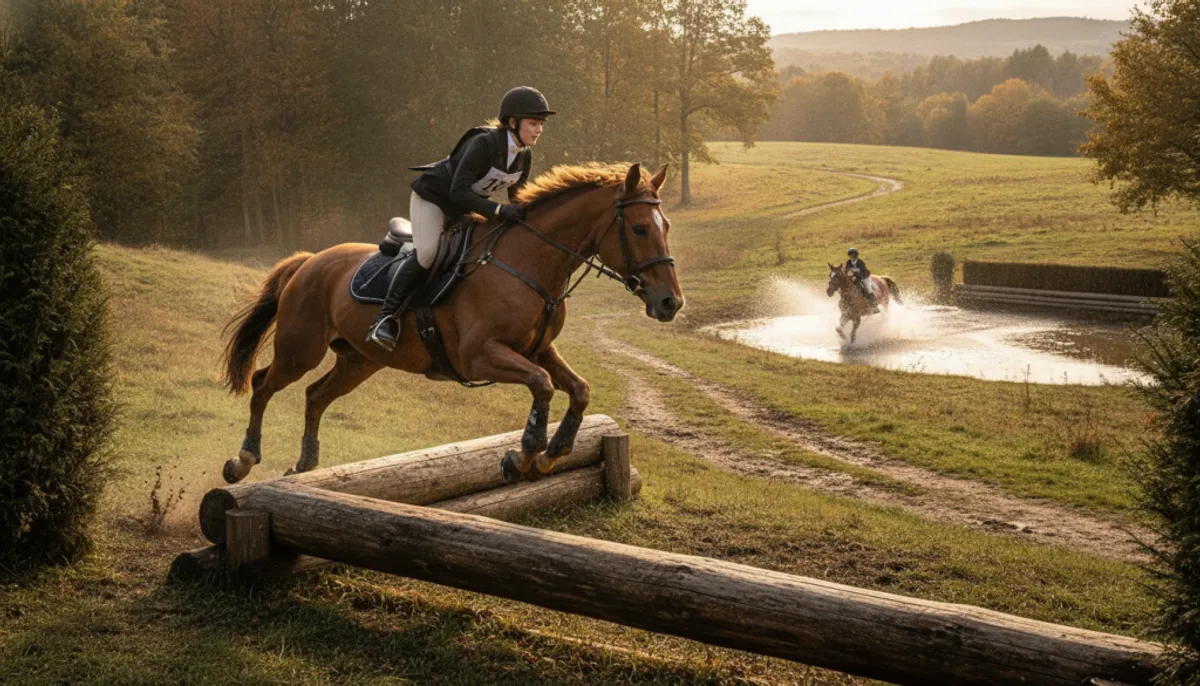
The discipline of cross offers a unique experience, combining challenge and the beauty of landscapes. Practiced outdoors, it requires great trust between the rider and their horse. Each course is an adventure, where the natural obstacles test balance and technique.
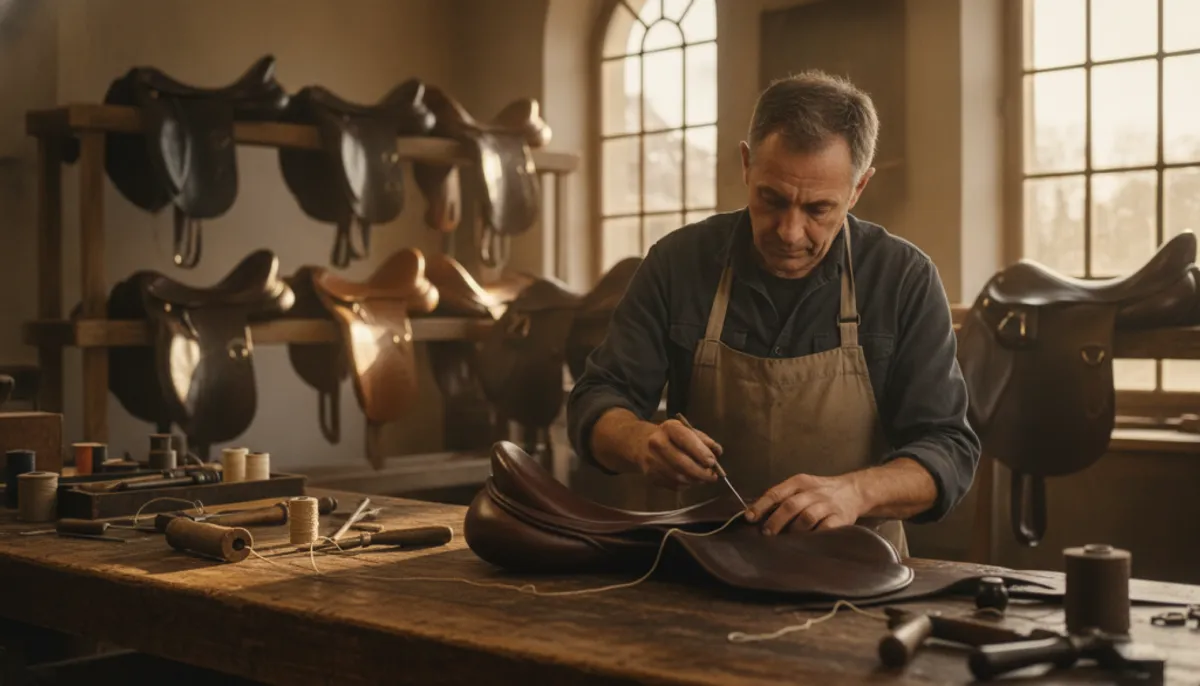
La Sellerie Française, accessible at laselleriefrancaise.com, stands out for its high-end products. Made from A to Z in France, these equipments are designed by expert craftsmen. They guarantee not only performance but also safety in the field.
As a rider, you will learn to manage your gallop and overcome various obstacles. Each challenge encountered on the course helps to strengthen the trust between you and your horse. This demanding practice requires quality equipment, essential for excelling in this discipline.
Key Points
- La Sellerie Française offers equipment made in France by expert craftsmen.
- Cross is a discipline that requires trust and collaboration between the rider and their horse.
- Managing balance and gallop is crucial for overcoming obstacles.
- Each obstacle in the field requires special attention to ensure safety.
- Quality equipment is essential for performance in competition.
Introduction to Cross Riding
The art of cross reveals itself through its natural challenges and technical requirements. This discipline is one of the three events in the complete horse riding competition. It is practiced outdoors on fixed obstacles that do not fall, unlike other forms of riding.
The French Federation of Equestrianism (FFE) defines cross as an event aimed at demonstrating the ability of the rider and their horse to progress together. Each course requires a precise reading of the terrain and constant anticipation.
The main objective is to maintain a steady gallop and a stable balance. This proves the complicity between the rider and their horse on the course. Moreover, the French artisanal expertise, like that of La Sellerie Française, ensures that each piece of equipment meets the technical needs of this demanding discipline.
Starting cross requires a structured progression, often accessible from gallop 5. This ensures safety and enjoyment in practicing outdoor riding.
The Values of La Sellerie Française and Its Expertise
La Sellerie Française embodies artisanal excellence through its unique equipment. Each product is the result of meticulous craftsmanship, ensuring high quality. The 100% French manufacturing from A to Z ensures that each element is designed with care to meet the needs of riders and their horses.
Unlike industrial standards, the craftsmen of La Sellerie Française prioritize quality. This is essential for every piece of equipment used in cross. Trust in the material is paramount, especially when the rider must manage their time and speed on a technical course.
Each saddle or accessory is designed to optimize the rider's balance. This allows for precise and safe navigation over obstacles. By choosing products made in France, you support exceptional craftsmanship while ensuring the well-being of your horse during cross sessions.
The goal of La Sellerie Française is to provide durable equipment. This equipment accompanies the rider in their progression, from beginner level to complete competitions.
The Essential Equipment for Practicing Cross Riding
To practice cross, suitable equipment is essential. The safety of the rider and the horse relies on quality equipment. Each element must be carefully chosen to ensure protection during sessions on the field.
Rider Protection: Helmet, Vest, and Boots
The helmet must be certified and well-fitted to protect the rider's head. The protective vest is mandatory, absorbing shocks to the back and chest. The boots or mini-chaps ensure optimal stability on descents and ascents.
Essential Accessories for the Horse
To protect the horse while crossing fixed obstacles, the use of closed boots and fetlock protectors is essential. This limits the risk of injuries. Proper management of the equipment, checked before each course, allows the rider to focus on their position and the precision of their jump.
Techniques and Practical Tips for Starting in Cross Riding
To initiate in this discipline, mastering the basics is crucial. The rider must be comfortable with their gallop 5, which allows them to direct their horse with precision. This mastery is the first step towards success over the fixed obstacles.
Professional guidance, like that offered by UCPA, is essential. Qualified instructors help manage the pace and balance on the course. A gradual progression, starting with simple exercises on a varied terrain, strengthens the trust between the rider and horse.
Here are some practical tips:
- Adjust your position, especially on descents, by keeping your torso upright to avoid falls.
- Practice regularly to manage speed, which is 500 meters per minute in competition.
- Focus on the stability of your legs and the flexibility of your hands during jumps.
- In case of difficulty, guidance allows for analyzing and correcting the trajectory to successfully clear the obstacle.
| Elements | Tips | Importance |
|---|---|---|
| Position | Keep your torso upright | Avoids falls |
| Speed | Practice at 500 m/min | Prepares for competition |
| Stability | Focus on your legs | Improves control |
Safety and Management of Fixed Obstacles in Cross Riding
Safety is paramount when managing obstacles in cross. Each rider must be attentive to their trajectory and gaze. This allows for approaching fixed obstacles with confidence.
Clearing a drop fence requires a good position. The rider must keep their legs engaged and accompany the movement of the horse with suppleness. Here are some tips to minimize risks:
- Stay stable in your position and avoid rushing.
- Build mutual trust with your horse during training sessions.
- Anticipate the challenges of the varied terrain to maintain the fluidity of the course.
- In case of imbalance, quickly regain your direction and pace.
- The FFE reminds that falling is part of learning, but it should be minimized.
Progression Towards Varied and Technical Courses
Mastering balance and speed is essential for navigating varied courses. As the rider progresses, they learn to read the terrain accurately. This skill particularly sharpens from gallop 6, where combinations of more technical obstacles appear.
The discipline then becomes a true challenge. Each rider must anticipate the elevations and types of obstacles. This requires significant adaptation of their position to remain a reassuring partner for their horse.
Reading the Terrain and Adapting to the Course
- Progressing to varied terrains requires a fine reading of the ground to adapt their gallop and balance.
- From gallop 6, the rider sequences technical combinations, requiring precision in speed management.
- Cross becomes a discipline where anticipation is key to successfully completing the course.
- Complete competitions allow testing this progression in real conditions.
- The experience gained on different terrains strengthens the bond with the horse.
| Elements | Tips | Importance |
|---|---|---|
| Reading the Terrain | Anticipate the elevations | Improves obstacle management |
| Position | Adapt to the relief | Reassures your horse |
| Speed | Manage with precision | Success of the course |
Conclusion
Cross is much more than just an equestrian sport; it is a rewarding adventure. This discipline fosters trust and complicity between the rider and their horse. With structured progression and quality equipment, every rider can learn to clear the obstacles safely.
Mastering balance and reading the terrain are key skills that are acquired over time and with regular practice. By choosing equipment made by expert craftsmen, you ensure comfort and performance for your horse on all courses.
Whether for pleasure or competition, cross offers unique sensations at every outdoor session. Continue to train and progress to discover the full richness of this exciting discipline within your equestrian center.