
The pinto horse is a true symbol of beauty and elegance in the equestrian world. This unique coat, adorned with white patches, has captivated horse enthusiasts for centuries. Traces of these magnificent animals date back to Antiquity, with evidence in Egypt from 3000 BC.
Each pinto horse is a living example of fascinating genetics. These animals exhibit distinctive markings that make them unique. Indeed, the pinto coat is not simply a type of color, but a complex pattern that can vary by breed.
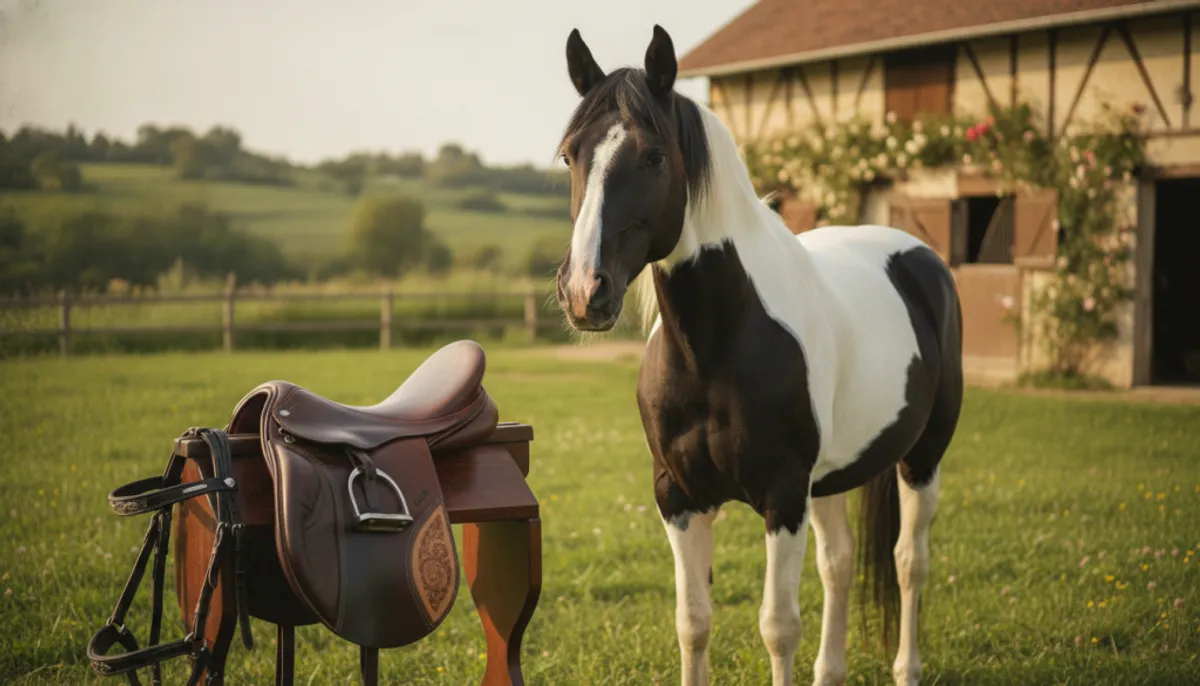
The French saddlery is committed to providing custom equipment that highlights the morphology of each horse. This attention to detail ensures not only comfort but also high-end aesthetics, paying tribute to the beauty of these exceptional animals.
Key Points
- The pinto horse has fascinated since Antiquity.
- This coat is characterized by unique white patches.
- Each pinto horse has distinctive markings.
- The pinto coat is a complex pattern, categorized by breed.
- Horses can have eyes of different colors.
Introduction to the World of the Pinto Horse
The beauty of the pinto horse lies in its white patches that tell a story. This coat is defined by hippology as a color of the horse's coat, adorned with numerous white patches separated from another darker color. Contrary to popular belief, the pinto coat is not simply a color, but a fascinating pattern on the coat.
The skin under the white areas is pink, while that under the colored parts is dark. This biological characteristic is essential for understanding the unique appeal of these horses. Historically, Native Americans preferred colored mounts, while colonists often opted for solid-colored horses.
The photographer Edward S. Curtis captured this special relationship between man and the pinto horse through his photographs between 1907 and 1930. Today, breeders, especially those of the Paint Horse, highlight these patterns for their unique aesthetics in the contemporary equestrian world.
La Sellerie Française: Excellence Made in France
La Sellerie Française embodies excellence in the manufacturing of equestrian equipment. Each product is designed with attention to detail, ensuring unparalleled quality. These items, whether custom-made or in limited series, are the result of the work of the finest French artisans.
Here are some characteristics that contribute to the reputation of La Sellerie Française:
- High-end products: Unique and designed to meet the needs of discerning riders.
- Local manufacturing: Each piece is made from start to finish in France, respecting artisanal tradition.
- Perfect fit: The equipment is designed to adapt to the specific morphology of the pinto horse.
- Exceptional craftsmanship: A craft that values durability and elegance.
- Support for local production: By choosing these products, you prioritize artisanal quality over industrial production.

Variants and Specificities of the Pinto Coat
The variations of the pinto coat are fascinating and deserve exploration. These horses stand out with their unique patterns, adding to their charm.
The tobiano is the most common pinto coat. In this type, the white crosses the back without reaching the head. Next, we have the overo coat, which is rarer. Its white patches do not cross the back but may reach the horse's head.
The tovero combines characteristics of the two previous types, creating attractive patterns on the animal's flanks. Another interesting variation is the Sabino Sb-1 mutation, which creates jagged borders on the coat, resembling lace.
The rabicano horses are distinguished by a mix of white and colored hairs, while the blazans, or splashed white, feature very sharp patch borders. It is important to note that crossing two overo horses is strongly discouraged, as it can lead to fatal complications for the foal.
History and Legends of the Pinto Horse
The stories surrounding the pinto horse are as rich as its patterns. Since Antiquity, these animals have captivated the imagination of people. Used for war and agriculture, they have always been at the heart of many traditions.
Victor Hugo, in his work The Man Who Laughs, describes the pinto horse as a monstrosity, revealing the prejudices of his time. However, this perception has evolved. Native Americans, for instance, attributed a mythical value to these horses, especially those with a medicine hat.
Legend has it that these pinto horses allow their rider to read hearts. Over the centuries, their image has shifted from war mounts to cherished companions for leisure. Nomadism and the fantastic, present in works like The Land Where One Never Arrives by André Dhôtel, continue to fuel their mystery.
Genetic Characteristics and Breeding Tips
The secrets of the pinto coat lie in the complexity of its genetics. This unique coat is influenced by several genes, particularly the TO locus, which is partially responsible for the patches.
Marie-Hélène Farce, in her research, explains how genes determine the distribution of colors in animals. For example, the KIT gene plays a crucial role in the formation of white patches.
For breeders, understanding dominant and recessive genes is essential. This helps avoid genetic anomalies. Here are some tips for successful breeding:
- Monitor mutations: Keep an eye on mutations like Sabino Sb-1.
- Understand the migration of melanoblasts: This process determines the distribution of patches.
- Conduct genetic testing: This can prevent health issues in foals.
- Choose breeders carefully: Avoid risky crossings for health.
Pinto Horse: Practical Guide for Care and Maintenance
Caring for a pinto horse requires special attention. The pinto coat, with its white patches, demands appropriate care to preserve its beauty. Here are some practical tips to ensure your companion's well-being.
Tips for Coat and Skin Maintenance
The skin under the white areas is often pink, making it more sensitive to sunburn. It is essential to:
- Protect the skin: Use suitable sunscreen to prevent burns.
- Monitor the eyes: Pinto horses with light eyes may require specific protections.
- Brush regularly: Frequent brushing maintains the shine of the coat.
- Use care products: Opt for high-quality care recommended by experts.
Tips for Raising Your Pinto Horse
A balanced diet is crucial for the health of the skin and the vitality of your horse. Remember to:
- Monitor the blazans: Check regularly to avoid skin irritations.
- Use the Hudada app: This helps plan rides suited to your horse's needs.
- Choose nutritious foods: Ensure the diet supports your horse's overall health.
Conclusion
In the equestrian world, the pinto coat stands out for its captivating appearance. This type of horse combines a rich history with fascinating genetics. Its visual beauty attracts attention and sparks interest among enthusiasts.
Understanding the specifics of this coat, such as tobiano and overo, helps owners better meet their animal's health needs. French craftsmanship, represented by houses like La Sellerie Française, offers custom solutions to enhance the natural elegance of these horses.
Finally, research on the KIT gene continues to shed light on the mysteries surrounding the transmission of these unique patterns. By respecting biological needs and using appropriate equipment, every rider can fully enjoy their relationship with their pinto horse.