
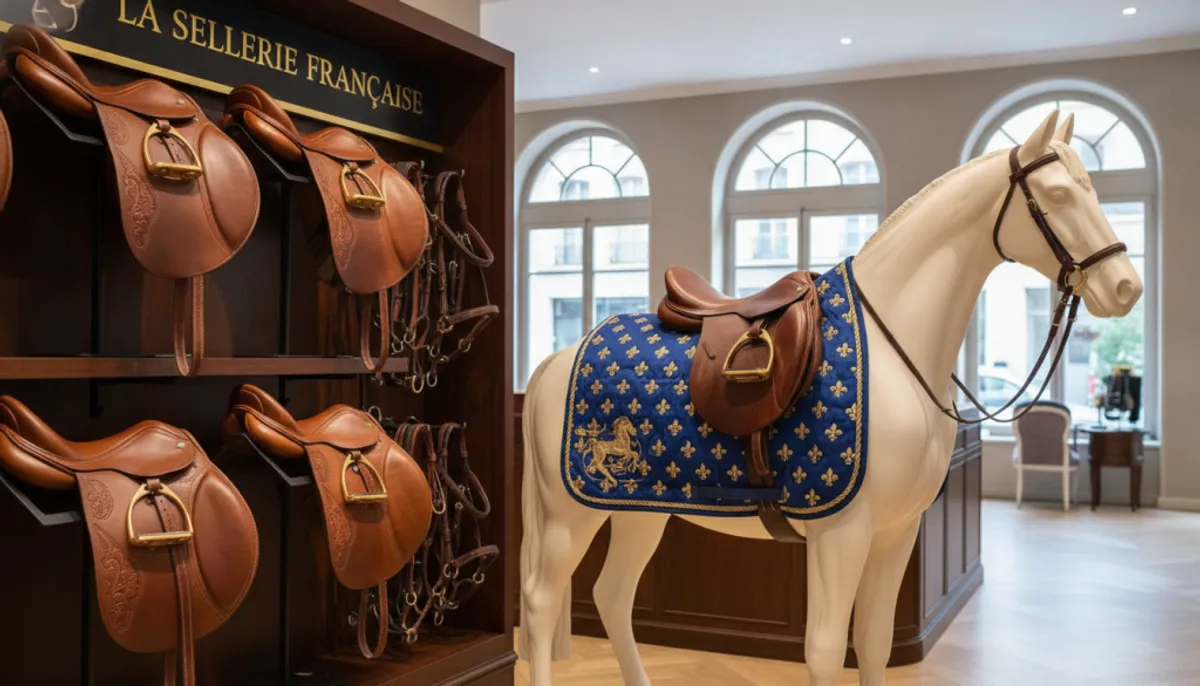
The French Saddle offers you a range of exceptional products, all made in France. Each item is designed by expert artisans, ensuring superior quality. Unlike standard labels, this house guarantees complete manufacturing within French territory. This allows you to access unique equipment, whether custom-made or in limited series.
Equestrianism is a demanding discipline. To practice this sport, it is essential to have reliable equipment. By investing in handcrafted French pieces, you enhance your equestrian practice while supporting local craftsmanship. Moreover, you benefit from optimal comfort for your horse.
This guide aims to help you better understand the overall cost of equipment related to equestrianism. By integrating the superior quality of made-in-France products into your budget considerations, you will make an informed choice.
Key Points to Remember
- The French Saddle offers high-end equipment made in France.
- Each product is designed by expert artisans to ensure exceptional quality.
- Investing in handcrafted pieces sustainably enhances your practice.
- You support local craftsmanship while ensuring your horse's comfort.
- This guide helps you understand the overall cost of equipment.
Introduction to High-End Equestrianism in France
The products from The French Saddle stand out for their high-quality French manufacturing. This house offers unique equipment, designed custom or in limited series. Each item is the result of the craftsmanship of passionate artisans, ensuring an exceptional experience for riders.
In 2022, equestrianism was the 3rd most practiced sport in France, reflecting the growing enthusiasm for this discipline. Practicing equestrianism in a club allows you to ride horses without the maintenance costs of a personal horse, which can cost around 5,000 euros to purchase.
Riding centers welcome thousands of riders each year, from children to adults. They provide a safe environment suited to each level of practice. Choosing made-in-France means opting for sustainability and artisanal know-how while sharing the passion for horses with family.
Understanding the Budget for Equestrian Practice
Understanding the expenses related to equestrian practice is essential for every rider. This includes several unavoidable expense categories that can quickly add up. The rates of riding centers were updated in January 2026 to reflect the actual costs of facilities and care needed for the well-being of horses.
Each rider must also consider the cost of the FFE license, which is set at 25 euros for minors and 36 euros for adults. Additionally, the annual budget should include club membership and weekly riding lessons.
Riding centers often offer 10-hour cards, with prices ranging from 150 to 300 euros. This allows occasional riders to practice without long-term commitment. 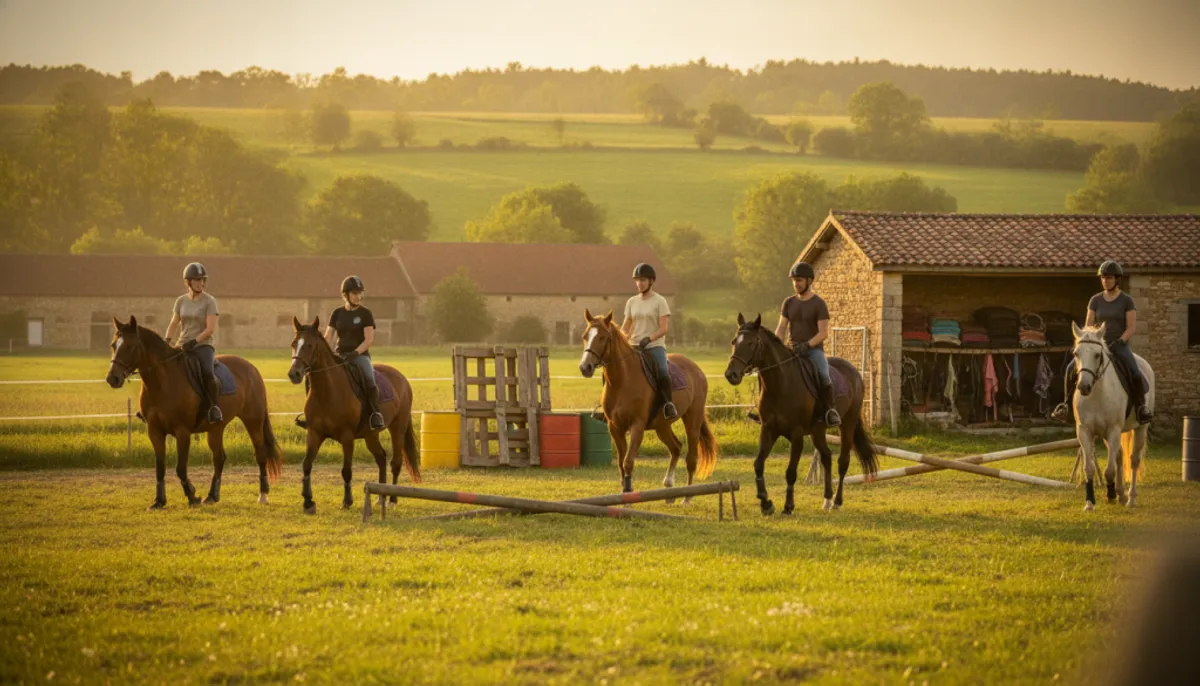
Finally, activities such as rides or workshops can enrich the experience, but they also require a well-planned budget. Competitions, whether internal or official, add expenses that are important to anticipate.
Equestrian Prices: Focus on Rates and Suitable Packages
The rates for equestrian activities vary significantly between riding centers. Each club offers different prices based on their location and services provided. For example, in Parisian centers, costs can be up to 30% higher than in other regions.
To optimize their budget, riders can opt for a 10-session card. This flexible package allows riding without an annual commitment. The cost of a day workshop ranges from 50 to 100 euros, providing total immersion to progress quickly with ponies or horses.
The license, essential for participating in competitions, adds to the cost of lessons. It guarantees liability insurance for each rider. Investing in quality equipment, such as a competition outfit costing around 100 euros, is essential for participating in official activities.
Riding centers also offer various packages, including private lessons for personalized learning or group lessons for camaraderie. Choosing between these different options allows riders to adapt their budget to their actual needs.
Tips for Optimizing Your Equestrian Budget
Managing your equestrian budget may seem challenging, but with a few tips, it becomes easier. Purchasing quality equipment does not necessarily mean excessive spending. Here are some tips to save while pursuing your passion.
Tips for Saving on Equipment and Attire
To reduce the cost of your equipment, prioritize purchasing second-hand gear or take advantage of sales to acquire durable pieces. The license is a fixed investment, but you can save on lessons by choosing session cards instead of annual packages.
Rental Options and Second-Hand Purchases
Planning your activities during holidays often allows you to benefit from preferential rates on intensive workshops organized by the club. The budget can be lightened by sharing certain accessories with other riders or selling equipment that has become too small for your child.
Before investing in complete equipment, take the time to test different disciplines and competitions to identify your actual needs. The French Saddle offers made-in-France products that, due to their artisanal quality, represent a sustainable investment.
By limiting the number of official competitions at the beginning, you can better manage your budget while fully enjoying your passion for horses. Using a 10-hour card offers great freedom to manage your time and money throughout the year.
| Type of Purchase | Advantages | Disadvantages |
|---|---|---|
| New Equipment | Guaranteed quality | High cost |
| Second-Hand Equipment | Significant savings | Variable quality |
| Rental | Flexibility | No ownership |
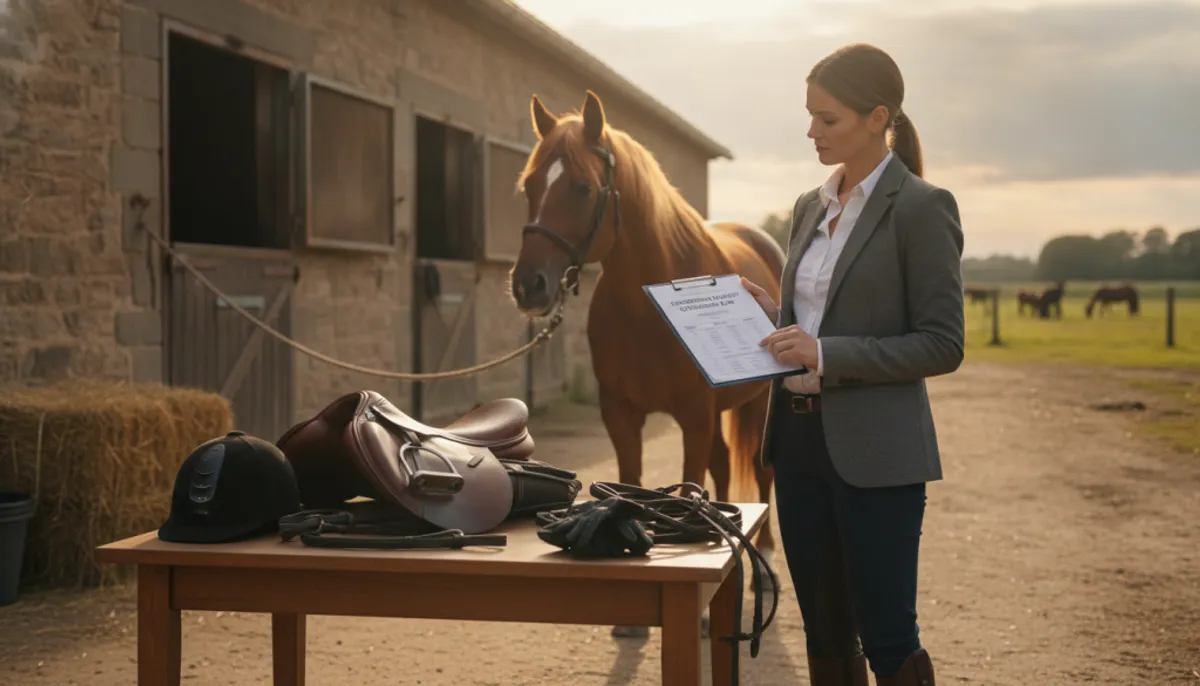
Adapting Your Practice to Control Costs
To effectively manage your budget while practicing equestrianism, it is crucial to adapt your approach. This involves choosing between different types of lessons and planning your practice according to your needs and availability.
Choosing Between Group and Private Lessons
Opting for group lessons can reduce the hourly cost compared to private lessons. In addition to being more economical, these lessons foster camaraderie among riders, enriching the learning experience.
Planning Your Practice Based on Frequency and Needs
To practice equestrianism regularly, it is advisable to plan your sessions throughout the year. This helps anticipate expenses related to the license and lessons. Workshops organized during school holidays are also an excellent option for intense progress. A day of workshop often costs less than a series of weekly lessons.
Riding in a club allows you to benefit from a structured environment, where rates include the maintenance of horses and facilities. The frequency of practice should be adjusted according to your sporting goals and budget. By adapting your pace, you can fully enjoy your passion for horses while controlling costs.
| Type of Lesson | Estimated Cost | Advantages |
|---|---|---|
| Group Lessons | 30-50 euros/hour | Economy and camaraderie |
| Private Lessons | 60-80 euros/hour | Personalized learning |
| Workshops | 50-100 euros/day | Rapid progress |
Conclusion
Investing in equestrianism requires deep reflection on the associated costs. This exciting sport demands financial commitment, including lessons, the license, and necessary equipment.
By choosing quality products, such as those from The French Saddle, you invest in sustainability and French craftsmanship for your horse. Managing your budget involves smart planning, using session cards, or targeting competitions suitable for your level.
Whether you are a beginner or an experienced rider, the club remains the ideal place to progress safely with well-cared-for horses. By mastering your expenses and prioritizing quality, you can fully enjoy every moment spent riding.
The key is to find the balance between your passion, your annual budget, and the well-being of your mount within your club.
FAQ
What are the rates for riding lessons at riding centers?
Rates vary by center, but generally range between 30 and 60 euros per session. Monthly packages may also be offered to reduce costs.
Is it possible to practice equestrianism without having your own horse?
Yes, many riding centers offer horses for rent for lessons and competitions. This allows riders to enjoy equestrianism without having to invest in a horse.
What activities are offered during school holidays?
Riding centers often organize workshops and initiation days during holidays. These activities are ideal for young riders looking to improve their skills.
How to choose between a group lesson and a private lesson?
It depends on your goals. Group lessons are often cheaper and promote team spirit, while private lessons offer personalized attention for faster progress.
What equipment is necessary to start riding?
To start, it is essential to have a safety helmet, riding boots, and appropriate clothing. Other equipment can be added as you progress.
Are there rental options for riding equipment?
Yes, some riding centers offer equipment rentals, which can be a good solution for beginners or those who want to try before buying.
What safety measures should be followed when practicing equestrianism?
It is important to always wear a helmet, follow the instructors' instructions, and ensure that the horse is well-prepared before mounting. Safety is paramount in this sport.