
Equestrianism connects man and horse in a magnificent dance. However, we must consider the well-being of horses, which is essential to this practice. At La Sellerie Française, we highlight the connection between horseback riding and animal welfare. This seems crucial for a truly enriching equestrian experience for everyone.
In this article, we discuss animal welfare in equestrianism. We explain its principles and share practices that strengthen the bond between the rider and their horse. We show how horseback riding can contribute to the well-being of horses. And how it offers an extraordinary experience for riders.
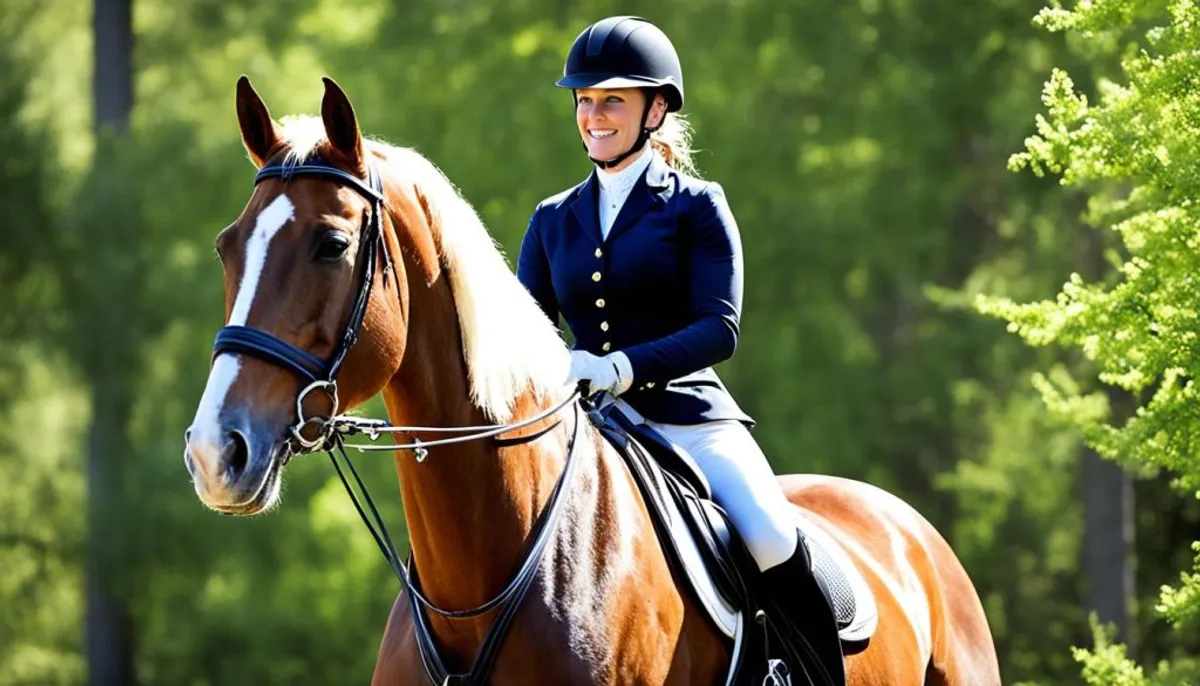
Main Ideas to Remember
- Equestrianism and animal welfare are closely linked for a fulfilling practice
- Understanding the principles of animal welfare for a kind approach
- Adopting respectful practices towards horses to promote their health and behavior
- Discovering the benefits of natural horseback riding and communication with horses
- Choosing stables and equestrian centers committed to animal welfare
Understanding the Importance of Animal Welfare in Equestrianism
Animal welfare in equestrianism takes care of the horse's physical and mental well-being. It means considering how comfortable and happy horses are. We do this by providing the right living conditions, balanced food, quality care, and using gentle training.
Definition of Animal Welfare
Animal welfare in equestrianism is crucial. It is the happiness and health of horses. They should live healthily, eat well, and enjoy spending time with humans.
Impact on the Horse's Athletic Performance
Welfare directly affects how the horse behaves in competition. A happy and healthy horse performs better. Conversely, a sad or sick horse does not perform well.
| Indicators of Animal Welfare | Impacts on Performance |
|---|---|
| Natural behavior, absence of stress | Better concentration, motivation, and engagement in effort |
| Good physical health | Fewer injuries, quick recovery |
| Suitable environment and quality care | Fit and thriving horses |
That is why taking care of horses is essential. Both for their well-being and their performance. A gentle approach with the horse is key to a beautiful relationship between humans and animals.
The Kind Approach: A New Equestrian Philosophy
Natural horseback riding, or the kind approach, changes the rules of equestrianism. It values the respect and happiness of the horse. Its essence is communication and trust between the rider and the horse.
Basic Principles of Natural Equestrianism
This method relies on careful observation of the horse, adapting to its needs, and using gentle training methods. The idea is to create a safe space that stimulates the horse, allowing it to thrive and work well.
Benefits for the Horse and the Rider
This gentle approach has major advantages. It improves the relationship, based on trust and respect. The horse becomes happier and more willing to work, which enhances its performance. The rider understands their horse better. They practice a sport that respects the well-being of all.
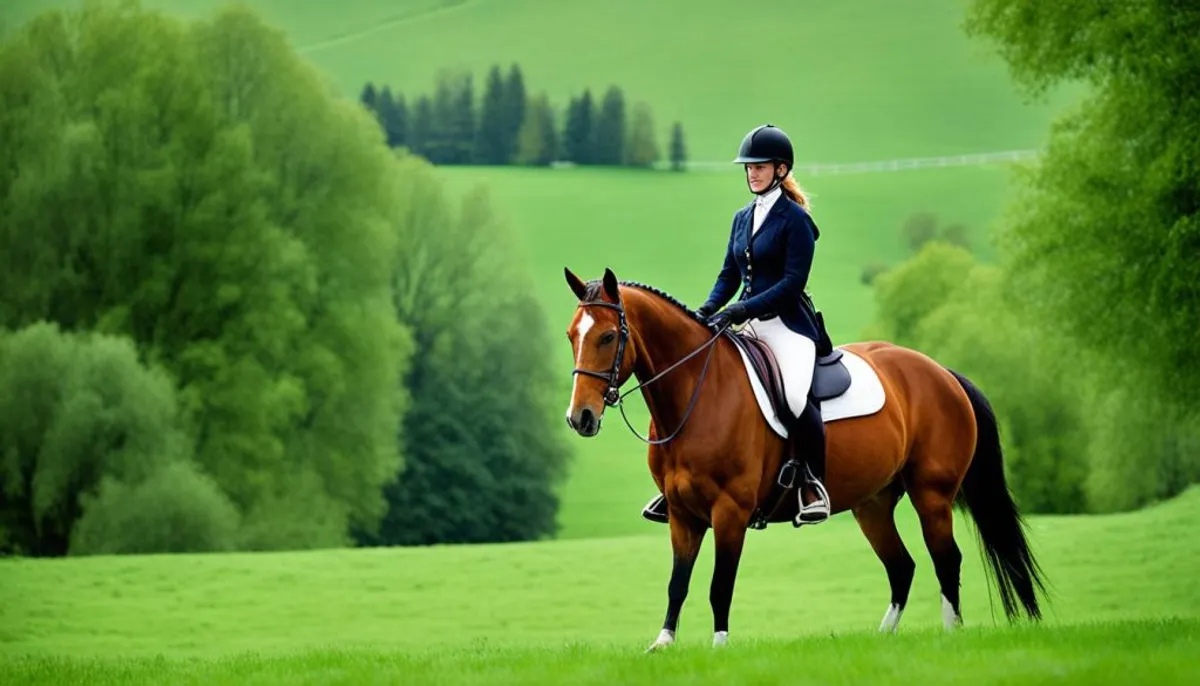
The natural horseback riding marks a significant step in this sport. It places the happiness of the horse at the center. This new approach unites man and animal in a real harmony. It brings benefits to both.
Animal Communication: A Valuable Tool
Animal communication is crucial for riders. It helps them connect with their horse. By learning to listen to each other, they improve their performance. This also contributes to the welfare of the horse.
Understanding a horse's body and responding to it is important. It helps build a trusting relationship. The rider learns to manage stress and be in harmony with the animal.
Understanding Horse Signals
Knowing what a horse's gestures mean is essential. Here are some important signals:
- Ears forward mean attention.
- If they are back, the horse may be wary.
- A tense tail indicates stress.
- Dilated nostrils show excitement or fear.
- A fixed gaze may indicate caution.
By observing this, a rider can adapt their behavior. This improves athletic performance.
Developing Empathetic Communication
Animal communication goes beyond signals. It includes a deep connection with the horse. This requires attentive listening and gentle responses.
Through this connection, rider and horse can work in harmony. This enhances athletic performance and the welfare of the animal.
| Behaviors to Encourage | Behaviors to Avoid |
|---|---|
| Slow and calm movements | Sudden and unpredictable gestures |
| Calm and reassuring voice | Shouting or authoritative tones |
| Rewards and encouragement | Punishments and reprimands |
| Patience and understanding | Impatience and frustration |
A gentle and empathetic approach helps the rider communicate well with their horse. This makes the relationship enriching for both.
Equestrianism and Animal Welfare: Respectful Practices
Adopting equestrian practices that respect horse welfare is crucial. It creates a relationship between the rider and the animal. Ethical training and gentle riding promote animal welfare.
Ethical Training and Gentle Riding
Ethical training uses gentle methods. No coercion, but communication and rewards. This establishes a bond and helps the horse learn and thrive.
Gentle riding means listening to the horse's needs. The rider remains calm and speaks to their horse for a true connection.
Stress Management and Equine Behavior
Caring for horse welfare includes managing its stress. It is important to understand its language, identify what stresses it, and help it. The goal is for it to feel good and behave peacefully.
| Practices | Benefits |
|---|---|
| Ethical training | Establishes a relationship of trust and bond between the rider and the horse. |
| Gentle riding | Allows for subtle communication and constant adaptation to the horse's needs. |
| Management of equine stress | Promotes serene behavior and aligns with horse welfare. |
With these good practices, riders improve their relationship with their horses. They help them be happy and perform well.
Stables and Equestrian Centers Respecting Welfare
It is vital that stables and equestrian centers respect the welfare of horses. For animal welfare, there are strict criteria to follow. This ensures that these places provide the best in terms of horse welfare.
Evaluation Criteria and Certification
The “Cheval Bien-Être” certification is highly regarded. It looks at several important aspects for the happiness of equines. These include:
- The infrastructure and facilities of the stable;
- The feeding and watering;
- The veterinary care and health monitoring;
- The management of stress and horse behavior;
- The overall welfare of the equines.
Stables must meet high standards to obtain this certification. This assures horse owners that their animals are well treated. It is a mark of respectful stables.
In addition to this certification, several local actions encourage the proper treatment of horses. This helps change mindsets and promotes better practices in equestrianism.
Conclusion: Creating Sustainable Harmony Between Man and Horse
The practice of equestrianism should aim for the well-being of horses. It is an essential means to establish a strong and joyful bond between man and animal. By being kind, empathetic, and using respectful methods, we can truly be one with our horse. This union is good for equestrian sports and the health of all.
Equestrianism and respect for the horse go hand in hand to create equestrian harmony. This harmony is based on a new perspective: understanding what the horse needs and how it communicates. This understanding enhances the human-horse relationship, boosts athletic performance, and ensures animal welfare.
By following these ideas, riders and equestrian centers can change the world of equestrianism. They can make it more ethical, sustainable, and happy for everyone. Let’s spread this vision to show the respect that horses deserve.
FAQ
What is La Sellerie Française and what are its commitments?
La Sellerie Française creates high-end items in France. These products are unique or in limited series. They are custom-made by artisans with exceptional skills. Each step is carried out in France to promote a quality of excellence. Additionally, the company is committed to ensuring humane treatment of animals used in the equestrian industry.
What is animal welfare in equestrianism?
Animal welfare in equestrianism means considering the comfort of horses. It involves taking care of their mental and physical health by providing good living conditions.
Horses receive healthy food and quality care. Furthermore, their training and riding respect gentle methods.
What is the impact of animal welfare on the horse's athletic performance?
A healthy horse, both physically and mentally, performs better in competitions. Its welfare influences its ability to work, stay focused, and motivated. Thus, it delivers better performances.
Conversely, a stressed or mistreated horse will struggle to fully invest itself.
What is natural horseback riding?
Natural horseback riding is based on respect for the horse. The rider and their mount communicate in a climate of trust. Observing the horse's behavior is crucial to respond to its needs.
The rider adapts their training methods. They prioritize gentleness and follow a gradual process.
What are the benefits of the kind approach in equestrianism?
This approach creates a harmonious relationship between the horse and the rider. The horse improves its mental health. It then performs better in competition.
The rider develops a better understanding of their horse. This makes the practice of equestrianism more rewarding and respectful.
How can animal communication improve the relationship between the rider and the horse?
To improve their relationship, the rider can learn animal communication. This allows for a better understanding of the horse's needs and emotions.
Intuitive communication helps manage the horse's stress. This contributes to its performances while ensuring its welfare.
What are the equestrian practices that respect animal welfare?
Practices such as ethical training and gentle riding strengthen the relationship. They focus on communication and rewards. These methods respect the animal without coercion.
The rider acts kindly by listening to their horse and adapting to it.
How to manage stress and horse behavior to ensure their welfare?
Managing stress and horse behavior is important. It is necessary to identify signs of stress and sources of tension.
Implementing appropriate strategies reduces stress. This promotes serene behavior, which is good for the horse.
What are the evaluation and certification criteria for stables that respect animal welfare?
Stables must meet certain criteria for the welfare of horses. The “Cheval Bien-Être” label checks living conditions. It evaluates, among other things, infrastructure, feeding, and veterinary care.