
Equine science is the in-depth study of the horse. It is important for all riders who want to improve. Whether you know little or are already strong in equestrianism, it will help you. It teaches you to understand and communicate with your horse by observing its body, behavior, and how to care for it. By understanding these aspects well, you will build a good relationship with your horse, and both of you will be happy to work together.

Main lessons to remember
- Equine science is the comprehensive study of the horse as a whole
- It allows for better understanding and communication with the animal
- Equine science is essential for becoming a skilled rider
- It applies to both beginners and experienced riders
- Equine science ensures the well-being of the horse-rider pair
What is equine science?
Equine science is a fascinating discipline. It deals with the science of horses. This in-depth study covers all important aspects of horses. It ranges from their anatomy to their behavior, and even to their care and equestrian sports.
Definition of equine science
Equine science is the detailed study of the horse. It helps us to understand this fascinating animal well. We discuss its morphology, its ethology, what it eats, and how it is trained.
This study is very important for riders and those who work with horses. It teaches us to care for these wonderful animals with knowledge and responsibility.
- Study of the anatomy of the horse
- Understanding of animal behavior and ethology
- Knowledge of horse breeds and their evolution
- Mastery of aspects related to nutrition and the reproduction of equines
- Deepening of various equestrian disciplines
Equine science is essential for anyone who loves horses. Whether you are a rider, breeder, or work with horses, it offers you a rich and comprehensive knowledge of equines.
The basics of equine science in training
The first lessons of equine science focus on ethology, the study of the behavior of horses. This helps students understand the secret language of horses. Knowing how to read their expressions is crucial for establishing a real connection with them.
The anatomy of the horse
The following courses focus on the anatomy of the horse. Students learn the parts of its body, from head to hooves. Knowing its anatomy helps to understand how it moves and what it needs.
The coats and markings
Next, we address the external aspect of horses: their coats and markings. They discover the different hair colors and special markings on each horse.
The horse's nutrition
The learning also includes the nutrition of horses. Students learn what they should eat to stay healthy. This is a key aspect of caring for a horse.
The equestrian disciplines
The different equestrian sports are also part of the program. This prepares students to choose activities that suit them and their horse. They thus discover a variety of options such as dressage and endurance.
This solid training prepares students to take care of their own horse. It lays the groundwork for becoming an excellent rider, capable of understanding and caring for their faithful friend.

Advanced equine science and equestrianism
Beyond the fundamentals, equine science explores the history and varieties of horses. It delves into the anatomy of bones, muscles, and tendons. We learn about horse diseases, what they eat, and how they reproduce. All of this helps to keep them healthy.
The evolution and breeds of horses
The evolution of the horse fascinates by showing the origins of equines. From the ancient Hyracotherium to the current breeds, much has changed. Today, more than 300 breeds of horses exhibit various characteristics.
Detailed anatomy (bones, muscles, tendons)
The detailed anatomy of the horse shows an impressive design. From the strength of the bones to the power of the muscles, everything is connected. Understanding this anatomy is crucial for appreciating the horse.
Horse pathologies
Horses can fall ill. Muscle problems, breathing issues, or digestive troubles are common. It is vital to know how to recognize them and provide proper care.
Nutrition and reproduction
- The nutrition of the horse is fundamental for their health. They require a balanced diet that satisfies them.
- The reproduction of the horse is also closely studied in equine science. It covers everything from gestation to the breeding of foals.
Learning these subjects in equine science helps enthusiasts understand horses. It makes them more capable of caring for these majestic animals.
The importance of equine science in equestrianism
Equine science is vital for riders. It goes beyond studying the horse. It ensures the well-being of our four-legged friends. It also helps us communicate better and understand their needs and capabilities.
Knowing about anatomy, behavior, and the needs of horses is crucial. This helps riders adapt to their horses. They will be able to use equipment correctly and train effectively, all while considering each horse's needs.
Equine science builds a relationship of trust between the rider and their horse. Understanding how to communicate with their horse allows the rider to develop a deep connection with their friend. This makes their relationship more harmonious.
Equine science is therefore key to being a good rider, caring for horses. It ensures a satisfying equestrian experience for everyone.
| Benefits of equine science in equestrianism | Description |
|---|---|
| Horse well-being | Knowing the anatomy and the behavior of the horse helps to care for it. |
| Horse-rider communication | It strengthens the bond between the rider and the horse, improving their relationship. |
| Understanding horses | Better understanding of horses allows riders to care for them effectively. |
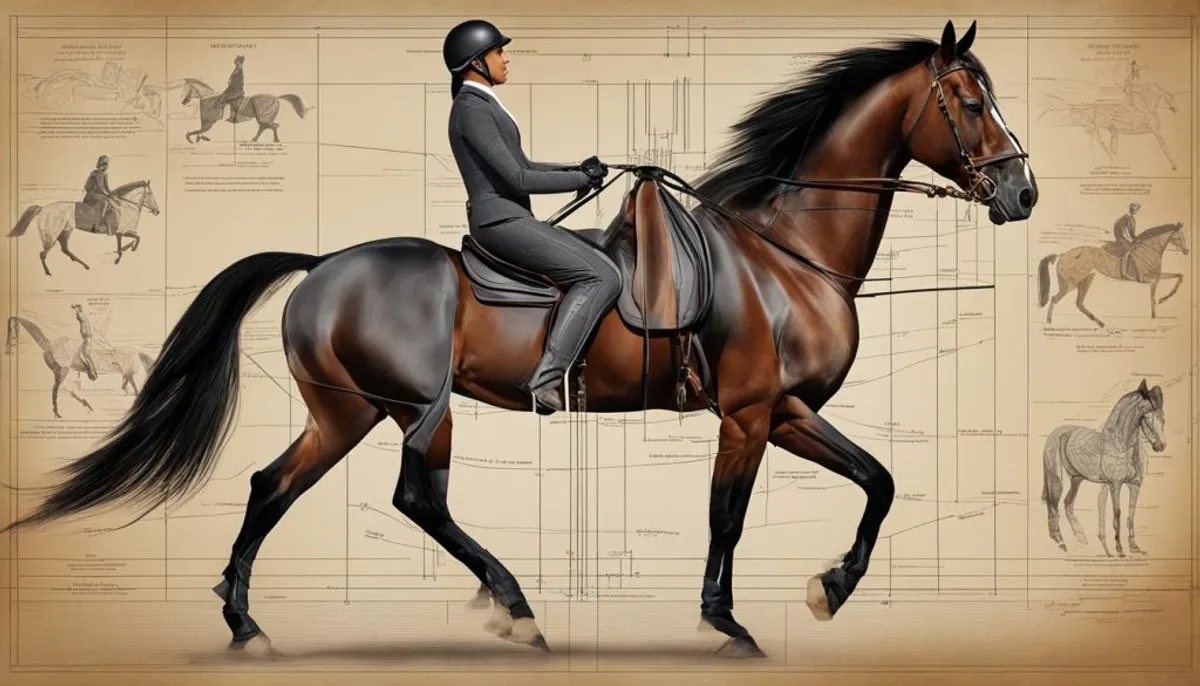
In the end, equine science is essential for all riders. It allows them to be attentive and loving towards their horses.
The different conformations for equestrian disciplines
Each equestrian discipline has specific needs. Riders must know what type of horse corresponds to their activity.
Dressage prefers a horse with a well-defined neck and a short back. For eventing, strong limbs and perfect balance are required. In show jumping, the rib cage should be ample, and the tendons firm. However, endurance seeks a more slender and dry horse.
For driving, vaulting, horseball, and western, there are also types of horses suited for these activities. Here is what fits best for each of these activities:
| Equestrian discipline | Ideal horse conformation |
|---|---|
| Dressage | Harmonious neck, short back, balanced limbs |
| Eventing | Powerful limbs, good balance, developed musculature |
| Show jumping | Developed rib cage, dry tendons, correct posture |
| Endurance | Slender morphology, dry musculature, cardiac endurance |
| Driving | Powerful neck, short back, robust limbs |
| Vaulting | Short back, dry musculature, balance and flexibility |
| Horseball | Agility, liveliness, responsiveness, endurance |
| Western riding | Slender morphology, relaxed musculature, calmness and confidence |
The different conformations help horses excel in their disciplines. This understanding is key for riders who want to excel in equestrianism.
Conclusion
Equine science, the science of the horse, is crucial for riders. It encompasses everything one needs to know about horses. Understanding their anatomy, behavior, and needs greatly helps. It allows for better communication and a strong bond between the rider and the horse.
This science is useful for all types of riders. From those who are beginners to those who are very experienced. It helps to see the horse as a whole. This establishes a relationship based on trust and respect.
In summary, knowing equine science is essential for progressing in equestrianism. It offers better safety and well-being for both the horse and the rider. This comprehensive approach is the key to a rewarding equestrian practice for all.
FAQ
What is equine science?
Equine science studies the horse in detail, including its body, behavior, and how to care for it. By practicing it, one learns to know horses well. This is important for the happiness of both the horse and its rider.
What are the basics studied in equine science training?
The courses in equine science start with the foundations. They include the study of horse behavior and anatomy. One also learns to recognize their different colors and markings. Nutrition and the necessary care for their good health are part of the program.
Additionally, an overview of equestrian sports is provided. This way, students know how to apply what they learn in the horse world.
What does advanced equine science allow to deepen?
Studies in equine science go further. They teach the evolution and varieties of horses that exist. We learn more about their bodies, from bones to tendons. Common diseases, specific nutrition, and horse reproduction are also covered.
This in-depth knowledge is crucial for taking proper care of horses. It allows for anticipating health issues and responding to their needs appropriately.
Why is equine science important for riders?
Equine science is essential for riders. It gives them the keys to understanding horses. By knowing what to expect from their horse, riders improve their communication with it. This strengthens their relationship while ensuring the well-being of the animal.
How does equine science help choose the right horse for a discipline?
Each equestrian sport requires certain characteristics in a horse. By understanding these criteria, riders can choose the ideal horse for their activity. Whether for dressage, jumping, or endurance, they know what they need.