
Discovering the equestrian world often raises questions about the risks. Riding a horse, a powerful animal weighing between 500 and 600 kg, represents a unique adventure.
An analysis from the British Medical Journal, involving 25,000 people, assessed potential accidents. This practice therefore requires special attention.
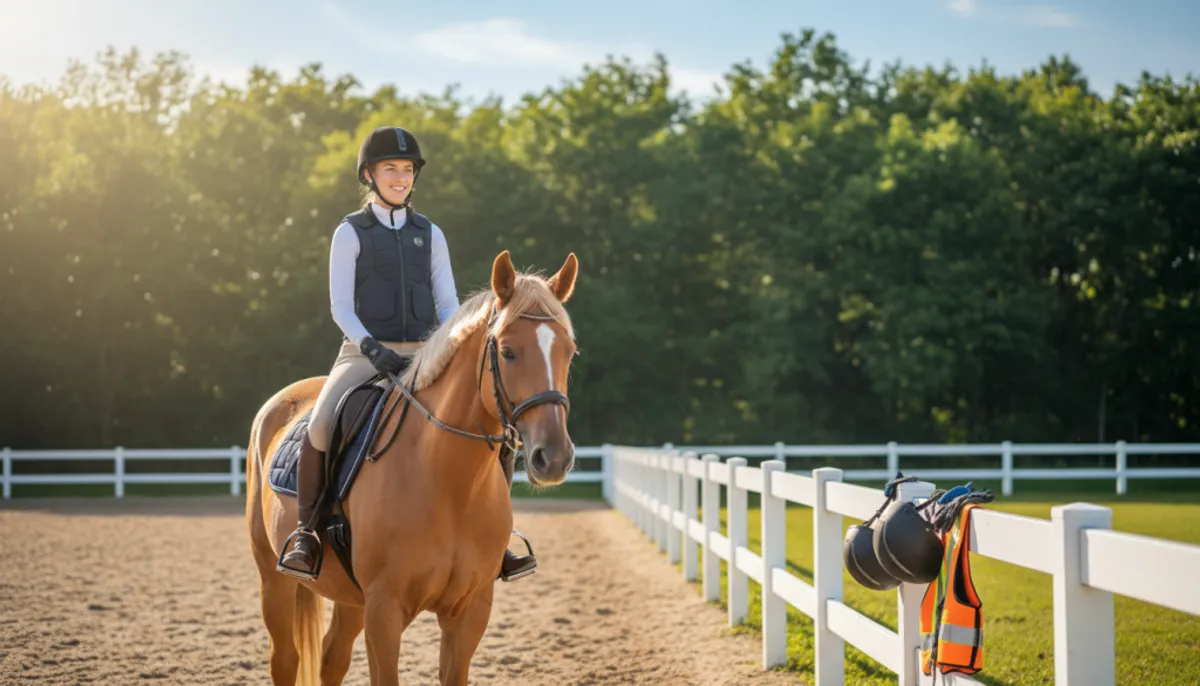
Falls are part of the daily life of riders, even experienced ones. The unpredictable nature of the horse, a prey animal, directly influences safety.
This article provides clear answers. It explores how speed and height increase dangers. Rigorous precautions are essential to minimize incidents.
The goal is a calm practice. Adhering to basic rules and good advice protects the health of the rider. A positive experience with horses is entirely achievable.
Key Points to Remember
- Horse riding involves heavy and powerful animals, requiring respect.
- Statistical studies help to objectify the real risks of this sport.
- Constant vigilance is required in the face of the horse's unpredictable nature.
- Falls are a common occurrence in equestrian life.
- Appropriate precautions and good training significantly reduce dangers.
- The rider's safety is paramount for lasting enjoyment.
- This article aims to inform for a safer and more fulfilling practice.
Understanding the Risks Associated with Horse Riding
Medical statistics provide concrete insight into equestrian incidents. This practice exposes individuals to specific dangers that are crucial to analyze.
The Unpredictable Nature of the Horse and Its Reactions
The horse remains a prey animal with sudden reflexes. Its imposing mass, between 500 and 600 kg, amplifies any abrupt movement.
This reactive nature explains why falls are part of the daily life of riders. Constant vigilance is key.
The Consequences of Height and Speed
Speed and fall height multiply the force of impact. Data from the CDC are telling.
The risk of hospitalization is higher than for football. Serious head injuries dominate fatal cases.
| Body Area | Percentage of Injuries | Remarks |
|---|---|---|
| Chest/Trunk | 37% | Most frequently affected area |
| Arms/Shoulders | 26% | Common injuries during falls |
| Legs | 23% | Risks of fractures and bruises |
| Head and Neck | Major cause | Responsible for 75% of deaths |
Riders aged 50 to 59 are particularly represented in the statistics. Wearing appropriate protective equipment becomes vital for health.
Safety Measures for Beginner Riders
Safety in horse riding relies on two fundamental pillars: appropriate equipment and professional guidance. For novices, these elements are non-negotiable.
The Importance of Wearing Appropriate Protective Equipment
Studies reveal an alarming fact. Many riders involved in injuries were not wearing helmets.
Yet, head and neck trauma cause the majority of deaths. A certified helmet is therefore essential.
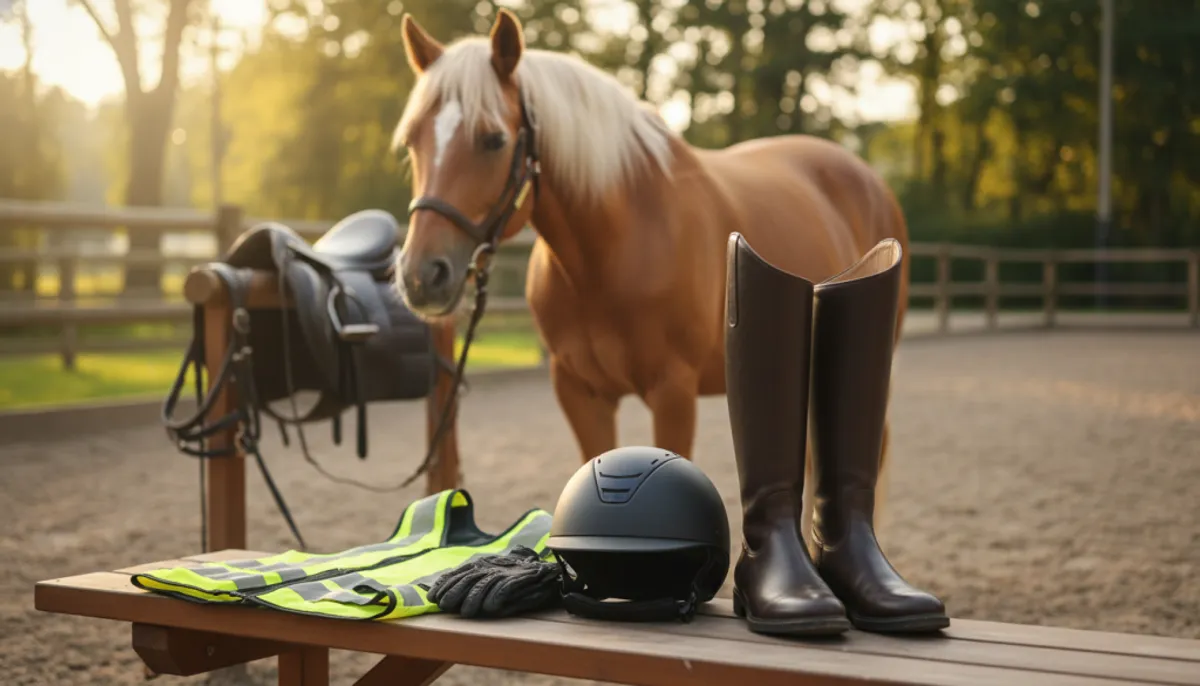
For dynamic disciplines like show jumping, a protection vest is also recommended. This equipment absorbs shocks and can save lives.
Researchers confirm that these preventive measures significantly reduce mortality.
Taking Lessons with a Competent Professional
Taking lessons with a qualified instructor is crucial. They impart the right reflexes to anticipate the horse's reactions.
This training allows progress at one's level while minimizing risks. Getting to know one's mount creates an essential bond of trust.
Correct technique, taught early, prevents many incidents. Vigilance remains necessary at every practice session.
Is Horse Riding a Dangerous Sport?
The analysis of equestrian disciplines reveals distinct levels of risk. A recent study provides precise figures on this activity.

Specific Risks by Discipline
Show jumping and cross-country present a higher danger. The complexity of obstacles and speed increase the likelihood of falls.
Dressage is less exposed to serious accidents. Endurance carries risks related to fatigue and terrain.
| Discipline | Main Risk | Key Safety Advice |
|---|---|---|
| Show Jumping | Fall from height | Mandatory wearing of a protection vest |
| Dressage | Injuries from sudden movements | Perfect mastery of the basics |
| Endurance | Course accidents and exhaustion | Constant monitoring of the horse's condition |
Epidemiological Data and Real Case Analyses
The study from the journal Trauma Surgery & Acute Care Open examined 24,791 cases. Chest injuries account for 37% of incidents.
About 20.5% of patients suffered a traumatic brain injury. These serious injuries often require intensive care.
Practical Tips to Minimize Dangers
Regularly checking your equipment is an essential precaution. Always adapt your practice to weather conditions.
These simple tips preserve your health and that of the horse. They ensure optimal safety for all riders.
Conclusion
At the end of this analysis, it appears that constant vigilance is the best ally of the rider. This article has shown that horse riding carries real risks, but a cautious approach significantly reduces them.
The health of riders directly depends on rigorous precautions. The systematic wearing of an appropriate helmet and other protections is non-negotiable.
Even in the face of the horse, an unpredictable animal, ongoing training allows for anticipating dangers. Thus, serious injuries become rare.
By always prioritizing safety, you can fully enjoy this unique relationship with horses. This sport remains a rewarding passion for all.
FAQ
Is horse riding really dangerous for a beginner?
Like any activity with an animal, the practice involves risks. However, for a novice rider, these dangers are greatly reduced by taking lessons at a reputable riding center. One starts at a walk, with a calm horse, under the supervision of an instructor. Serious injuries are very rare in this secure learning context.
What protective equipment is essential for horse riding?
A> A certified helmet is absolutely mandatory to protect the head. Closed shoes with a small heel and a riding helmet for arena work are also essential. For certain disciplines like show jumping, a protection vest may be recommended. This appropriate equipment is your first barrier against falls.
Is show jumping the riskiest discipline?
A> It is among the equestrian sports where the level of risk is higher due to height, speed, and technical complexity. Falls can occur. But disciplines like high-level dressage or endurance also present their own dangers, such as extreme fatigue. The risk varies according to the intensity of practice.
How can I minimize dangers when practicing horse riding?
A> Several precautions are key: always wear your protective equipment, choose a horse suited to your level, and never overestimate your abilities. Listening to your instructor's advice, respecting the animal and its work, and maintaining good physical condition are daily actions that enhance your safety and that of your equine partner.
Should I be afraid of horses as a beginner?
A> Fear is natural in the presence of a large animal. The key is to transform it into respect. Horses are sensitive and react to your attitude. A good riding center will teach you how to approach them, understand them, and communicate with them confidently. This trust relationship is the foundation of a pleasant and safer practice.