
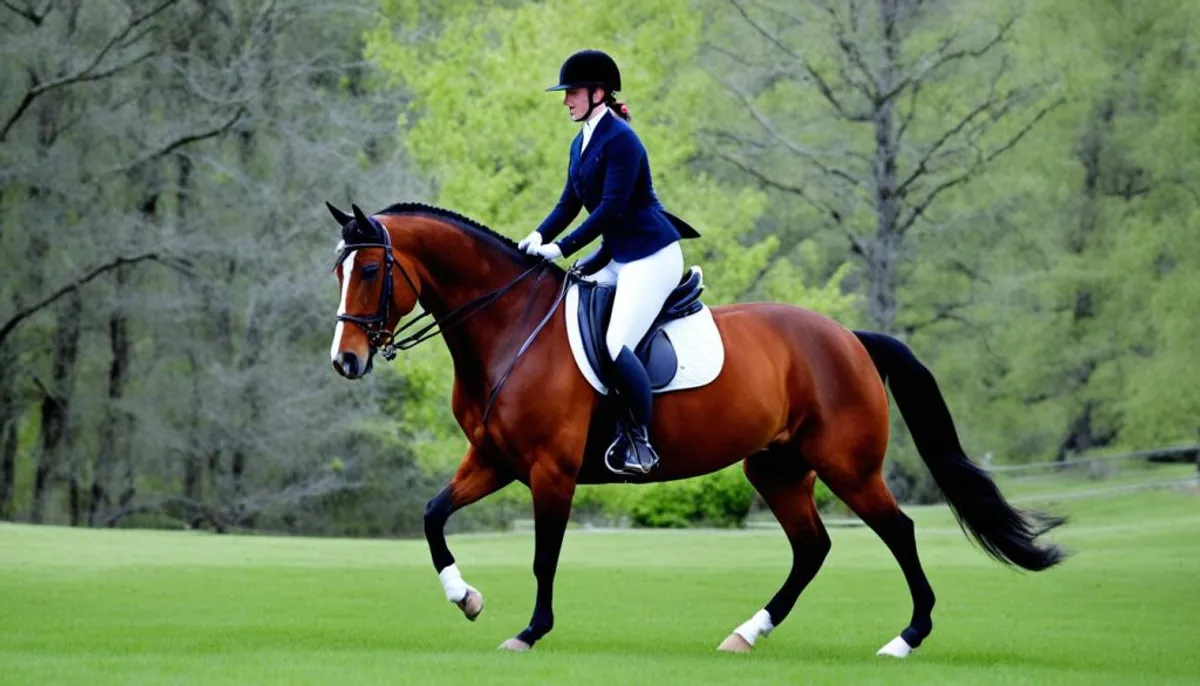
Ethological riding respects the horse. It creates a strong bond between the rider and the animal. This method is based on observing horses to better communicate with them. Thus, we improve the connection with our horse and work on its physical condition and flexibility, but in a gentle manner.
Key Points to Remember
- Ethological riding is a respectful approach to the horse
- It aims to create a relationship of trust and complicity
- Groundwork helps develop the bond with your horse
- Ethological exercises improve muscle tone and the flexibility of the horse
- This practice allows for progress in riding while respecting the well-being of the animal
What is Ethological Riding?
Ethological riding respects the horse by seeking to establish a relationship of trust and complicity. We learn it by observing the natural behaviors of horses. Understanding their language helps us train them without force.
It is different from traditional methods. It aims for a deep and balanced relationship between human and animal. Its goal is to allow for respectful interaction. This strengthens bonds and ensures harmonious work.
The natural horse training relies on paying attention to the signs and gestures of the horse. The rider learns to make themselves understood in a calm and loving manner. This forges a trusting rider-horse relationship.
Ethological riding places the happiness of the horse at the center of its concerns. By respecting its needs and limits, we build a true partnership. This method uses neither force nor coercion.
Why Practice Ethological Riding?
Ethological riding brings many benefits, especially for new riders. The groundwork plays a crucial role. It helps to create a strong bond between the rider and the horse.
This practice is not only fun but also respects the animal. It allows for improving the horse's muscle tone and flexibility without forcing it.
By practicing it, you will see your riding improve gently. You will discover the language and behavior of the horse. This will help you communicate more effectively with it.
- The groundwork strengthens the bond between the horse and its rider.
- It improves the horse's strength and flexibility gently.
- This approach allows for respectful progress in your equestrian practice.
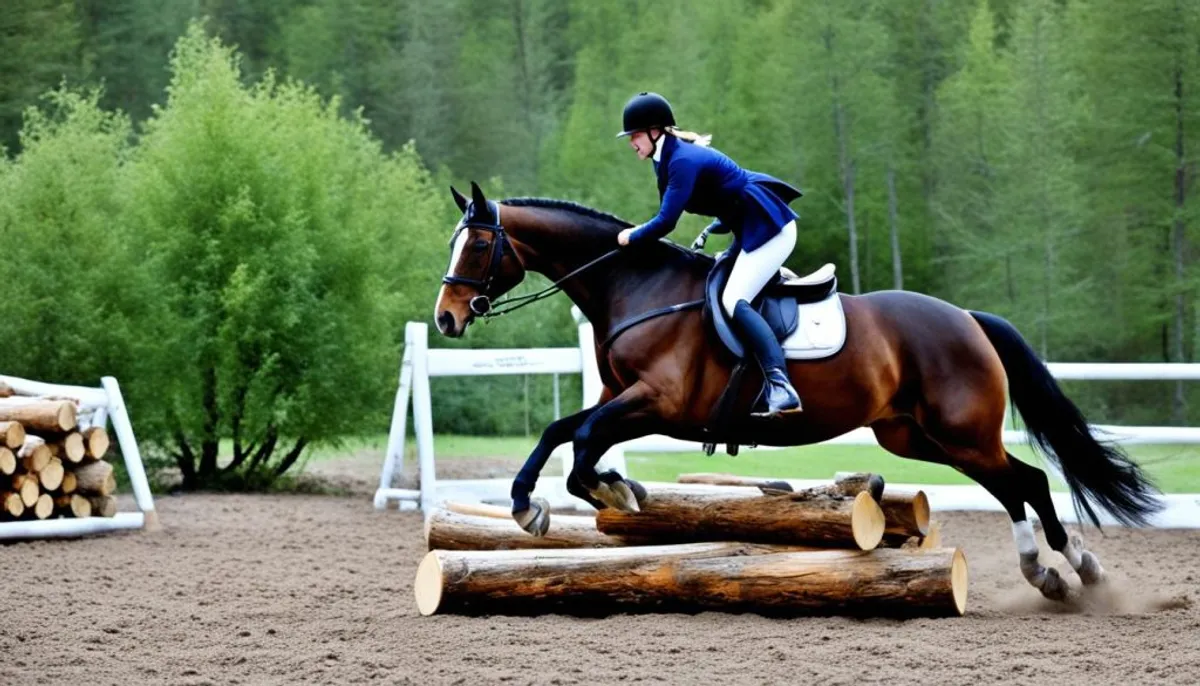
Practicing ethological riding is ideal for beginners. It allows them to build a relationship of trust with their horse. You will progress at your own pace thanks to the groundwork, at the heart of this gentle and beneficial method for the animal.
Ethological Riding Exercises
Ethological riding emphasizes respectful communication between the rider and the horse. The exercises are done gradually to build a relationship of trust. They also help the rider guide their mount gently yet precisely.
Lunge Work
The lunge work improves the bond between the horse and its rider. It makes the horse more flexible and strong while creating trust. For the rider, this means learning to guide the horse with finesse.
Circular Work
Circular work is also important in ethological riding. It works on the horse's flexibility, balance, and engagement. This creates a special trusting relationship between the rider and the horse.
Liberty Work
The liberty work offers a unique experience. It allows the rider to observe the horse and communicate freely. This leads the rider to better understand their horse and adjust their actions according to the horse's reactions.
This variety of ethological riding exercises allows the rider to connect deeply with their mount. It also promotes the well-being of the horse and helps the rider improve in their riding practice.
| Exercise | Objective | Benefits |
|---|---|---|
| Lunge Work | Develop horse-rider communication | Improves the horse's flexibility and muscle tone, strengthens the bond of trust |
| Circular Work | Work on flexibility, balance, and engagement of the hindquarters | Fosters complicity between the rider and their mount |
| Liberty Work | Observe the horse's natural behavior and communicate without constraint | Helps the rider better understand their horse's signals and adapt to its reactions |
The Necessary Equipment
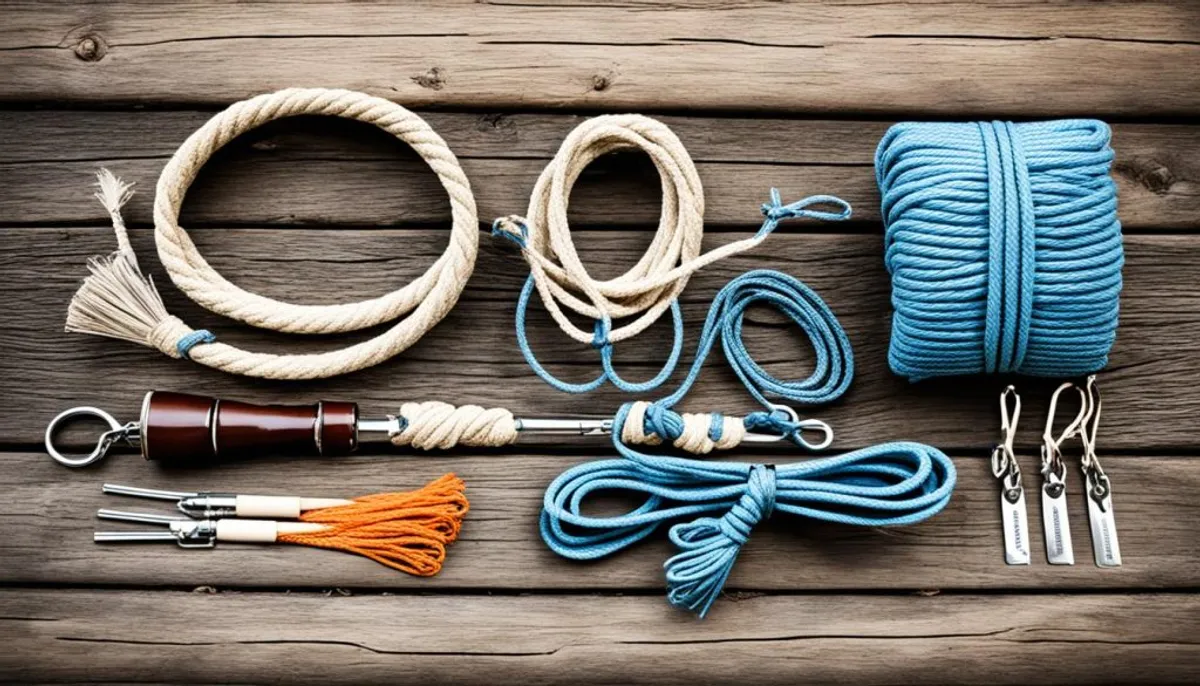
Starting ethological riding requires good equipment. You need certain tools to work safely with your horse. These include a lunge line, a whip, a halter, and a bridle. With these, you communicate better with your horse. This helps to train it gently.
The lunge line is crucial for groundwork. It is used to guide your horse through various exercises. These exercises include central work, circular work, and liberty work. You should choose your lunge line based on your horse.
The whip is a complement to the lunge line. It allows for fine communication with the horse without being harsh. Use it lightly and gently. It simply supports the signals you send with your body.
The halter or the bridle are essential for controlling your horse. They help to direct it gently. This also helps to build a relationship based on trust.
Choosing the right ethological riding equipment will help you a lot. It will allow you to progress in your practice with confidence. Furthermore, it will strengthen your relationship with your horse.
Creating a Trusting Bond
Before starting ethological riding, it is important to gain your horse's trust. This is a key step to progressing without stress in this gentle method towards horses. To do this, you need to know how to look at and understand it. You also need to speak to it softly.
Observing the Horse's Body Language
Horses speak with their bodies. By paying attention to their gestures, you can know what they feel and what they need. Watch their ears, tail, and head closely. Also note if they are breathing quickly and if their muscles are tense.
Communicating Calmly with Your Horse
After understanding its body, it is time to communicate peacefully. Speak to it softly, move slowly. Pet it gently to show it that it can trust you. This gentle tactic is the foundation of a calm relationship.
Taking time to observe and talk to your horse before starting is crucial. This time allows for establishing a solid relationship. This prior approach is key to progressing calmly in ethological riding.
The Basics of Groundwork
The groundwork is vital in ethological riding. It allows for subtle communication and strengthens a trusting relationship with the horse. This method is based on observing its natural behavior and body language. It creates a solid foundation for harmonious riding.
Before riding, it is important to know your horse well. Groundwork creates a special complicity. You will learn to guide, reassure, and reward it properly, thus fostering a natural and loving exchange.
The Key Exercises
Practice these key exercises during groundwork:
- Lunge Work: This teaches you to direct your horse in a circle. It keeps it relaxed and in visual contact with you.
- Circular Work: You develop silent communication. The halter is used to guide and reward your horse.
- Liberty Work: You allow your horse to move freely while maintaining your mutual trust.
These key exercises help to build a balanced relationship. They prepare your horse for ethological riding in complete tranquility.
Progressing Step by Step
In ethological riding, progress is gradual. It is crucial to lay solid foundations. Prioritize the quality of your relationship and communication with your horse. Patience and consistency will mark your progress over time.
Progressing at Your Own Pace
Ethological riding is based on small but sure steps. We follow steps that strengthen the rider-horse relationship. This leads to calm and respectful practice towards the animal.
Respecting the Pace of Progression
It is important to advance without skipping steps, taking your time. Before moving forward, make sure you master each exercise well. This is vital to avoid stressing the horse. The progression in ethological riding goes well with the respect for steps.
Returning to the Basics if Necessary
Returning to the basics is sometimes crucial for building solidly. Make sure that your horse masters each step. This is a sign of love and care towards it.
Progressing at Your Own Rhythm
Each horse-rider team progresses at its own pace. Do not compare yourself to others. Pay attention to your horse's well-being. Keep in mind that consistency and patience lead to significant progress.
| Progression Steps | Objectives |
|---|---|
| Lunge Work | Establish non-verbal communication, develop trust |
| Circular Work | Refine communication, work on flexibility and suppleness |
| Liberty Work | Strengthen the bond, stimulate curiosity and the horse's natural expression |
| Mounted Work | Apply what has been learned in the saddle, develop a lasting complicity |
Conclusion
Ethological riding changes the way we view riding. It focuses on building a strong relationship with the horse. This improves communication and respect between the rider and the animal. Activities range from lunge training to working freely with the horse. These exercises strengthen the emotional bond between the rider and their mount.
This method encourages gradual progress, in calm and harmony. It is different from common methods as it emphasizes the horse's well-being. This approach leads riders towards a more respectful riding experience, where the fulfillment and joy of sharing moments with their horse are paramount.
It is suitable for both beginners and seasoned riders. Ethological riding offers a new perspective on this art, based on listening and compassion for one's horse. Try this method to experience a deep connection with your horse, all in a positive and open spirit.
FAQ
What is ethological riding?
Ethological riding respects the horse. It aims to establish a relationship of trust and complicity. Its goal is to understand the natural behavior of horses. This helps to train them better.
What are the benefits of practicing ethological riding?
Groundwork improves the bond with the horse. It also boosts its strength and flexibility. This method respects the animal while enhancing your riding in a fun way.
What exercises are practiced in ethological riding?
You will perform many exercises to communicate with your horse. You will practice lunge work, circular work, as well as liberty work. There is much more to discover.
What equipment is necessary to start ethological riding?
To start, you will need some essential items. This includes a lunge line, a whip, and a halter or a bridle. Make sure you have everything needed to work safely.
How to create a trusting bond with your horse?
To start well, you need to establish a solid bond. Learn to understand your horse's body language. Speak to it calmly and gently.
What are the basics of groundwork in ethological riding?
The basics are crucial in ethological riding. Groundwork allows for good communication. It creates a strong bond based on observation and respect for the horse.
How to progress in ethological riding?
Progressing requires following the steps with patience. Review the basics if needed, before deepening them. This is the secret to advancing well.