
Welcome to La Sellerie Française, the temple of ethological riding. We emphasize the relationship between horse and rider. This is based on respect, body language, and a slow but steady progress. The items in our shop, all crafted by master artisans from France, will help build a respectful riding experience with your equine partner.
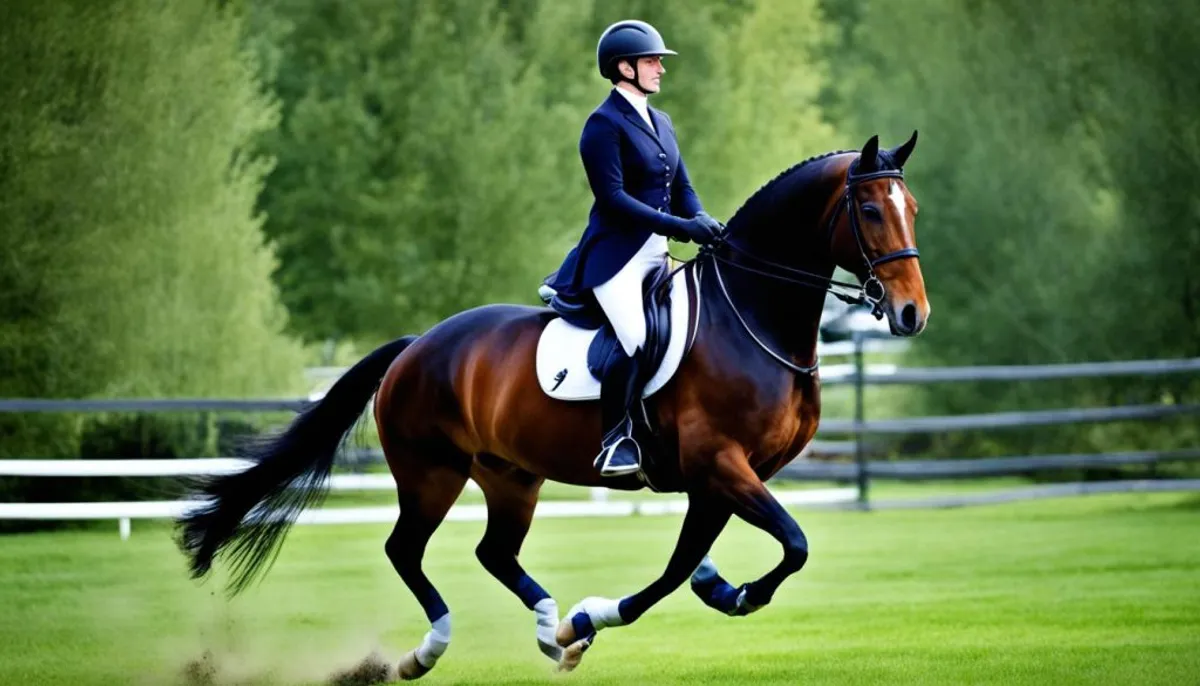
Key Ideas:
- Ethological riding prioritizes the horse's well-being and a trusting relationship.
- It is based on natural communication and respect for the horse's senses and postures.
- This progressive approach allows for the development of a unique bond with your horse.
- The saddlery products from La Sellerie Française support this philosophy of ethological riding.
- Discover how our expertise can help you achieve a horse-rider harmony.
What is ethological riding?
Ethological riding, also known as equine ethology, places the horse's happiness at the forefront. It is based on respecting the horse's natural needs. This creates a trusting relationship between the rider and the animal.
A respectful vision of the horse
Unlike classical riding, equine ethology does not solely aim for performance. Its approach is respectful and considers the horse as a sensitive being. Equine ethologists seek to understand the horse to provide the best treatment.
Natural living conditions
Ethological riding wants the horse to live naturally. This includes the right to move freely and interact with other horses. This vision contributes to a balanced horse-human relationship.
A gentle and progressive approach
This method favors gentle learning. It avoids harsh methods. Riders learn to communicate with their horse in a natural way. This strengthens a relational and positive riding experience.
As a result, ethological riding creates a lasting horse-rider harmony. This aids the well-being of all.
The limitations of classical riding
The classical riding is known to all. But it has some limitations. It mainly focuses on the horse's physical work. This is at the expense of its mental and emotional well-being. The use of harsh artificial aids, such as hard bits, can break the trust between rider and horse.
The priority on physical work
Classical riding emphasizes physical work. Its goal is to achieve movements and technical performances. But this focus neglects what is important for the horse. Its emotional and behavioral needs are vital for its well-being.
The use of harsh artificial aids
To control the horse, this method uses harsh artificial aids. These tools include hard bits and restrictive gadgets. This approach can be painful for the horse. It can also negatively affect the relationship between the rider and the animal.
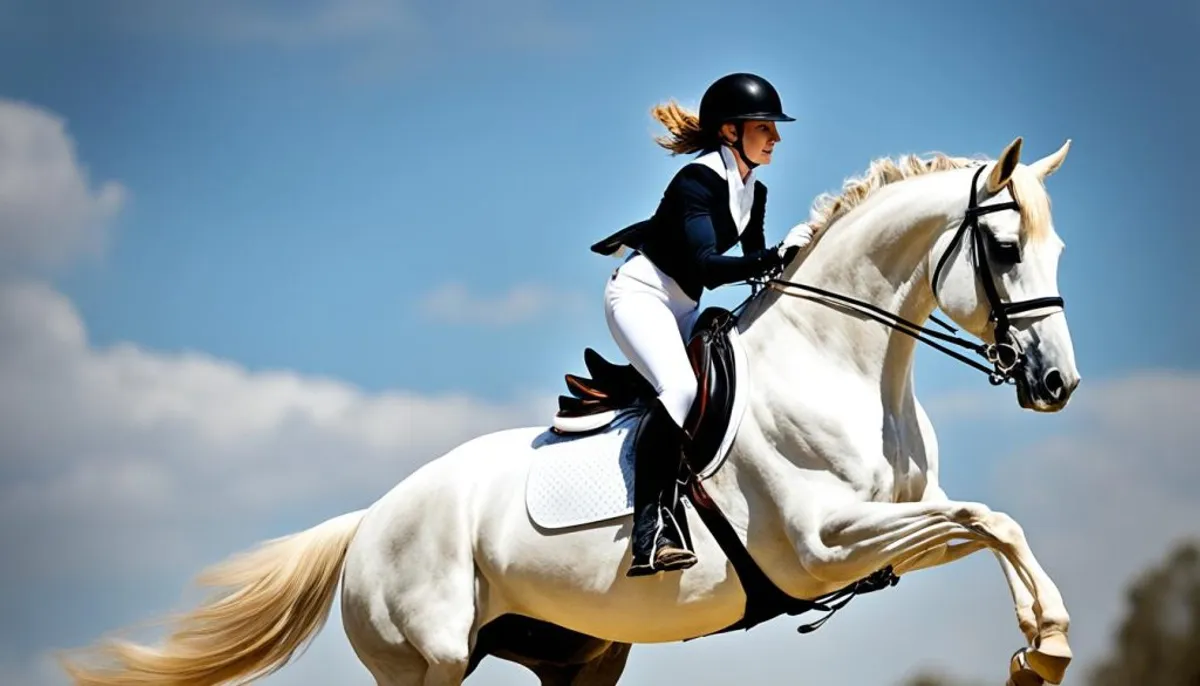
Today, many opt for ethological riding. This approach is gentler for the horse. It relies on a relationship built on trust and harmony.
Understanding the horse's behavior and learning style
Ethological riding is about understanding how horses think and learn. Riders are taught to speak the language of their horses. This is done by listening and respecting how they perceive the world and move.
This method creates a strong and trusting bond. Rider and horse work together, in harmony, to understand each other.
Natural communication
In this approach, gentle and natural dialogue between horse and rider is prioritized. Instead of harsh tools, gentle gestures are used. These special signs are a kind of language that horses understand.
Respect for the horse's senses and postures
Horses have highly developed senses – sight, hearing, and smell. This helps them perceive the world well. In ethological riding, care is taken not to stress them or force them to move in ways that do not suit them.
| Horse's Senses | Characteristics |
|---|---|
| Vision | 360° field of vision, sensitive to colors and movements |
| Hearing | Highly developed, detects sounds across a wide range of frequencies |
| Smell | Extremely keen, allows detection of pheromones and familiar odors |
By learning to better understand horses, their way of thinking, and how to communicate, we strengthen the bond with them. This helps in progressing together, in complete harmony.
Ethological riding: a compassionate education method
Ethological riding adopts a loving approach. It seeks to place the horse at the center of attention. Instead of forcing the horse, we prefer to teach it gently.
This method bases education on trust. The goal is to build a relationship where each is a partner. The rider and their mount work together in a spirit of mutual respect.
- Respect for the horse's natural behavior and needs
- Communication based on mutual understanding
- Use of light aids and a progressive approach
- Establishment of a climate of trust and safety
Ethological riding guides rather than forces. It allows the horse to assimilate exercises at its own pace. This gentle method emphasizes the importance of patience.
Riders learn to listen to and understand their companions. Together, they progress without stress. The development of the horse's natural skills is at the heart of this teaching.
This approach, focused on respect and communication, is gentler and more effective. Its aim is to form strong and close pairs. For both horse and rider, this means enjoyable moments filled with trust.
Progressing gently towards complex movements
Ethological riding allows for learning complex movements using the minimum of aids. This method helps the horse find its comfort. It then engages willingly, creating harmony with the rider.
Working with a minimum of aids
In this riding style, the rider speaks naturally to the horse. They succeed without strong constraints. The gentle work develops the horse's trust. This prepares it to learn complex movements.
The horse finds its comfort
- The horse's well-being is central.
- It engages willingly, improving its comfort and happiness.
- This method creates a real bond between the rider and the horse.
Ethological riding helps to go further while maintaining the horse's comfort. It revolutionizes the equestrian world. It aims for a harmonious and enriching relationship between human and animal.
Ethological riding for all disciplines
Ethological riding respects the horse and its well-being. It is suitable for all disciplines such as show jumping, endurance, and eventing.
Improving performance
By practicing ethological riding, the bond of trust between rider and horse strengthens. They communicate better, making the horse a true partner. Thus, the duo's performances improve significantly.
Thanks to this approach, the horse's movements become more refined. This brings fluidity and efficiency, regardless of the chosen equestrian challenge.
Developing a bond with your horse
Ethological riding is not just about shining in competition. Its goal is to create a strong horse-rider bond. This is achieved by responding to the horse's needs, thereby establishing a harmonious relationship.
This deep relationship enhances the anticipation of movements and responsiveness. The trust between horse and rider grows, making the horse a reliable partner in competition.
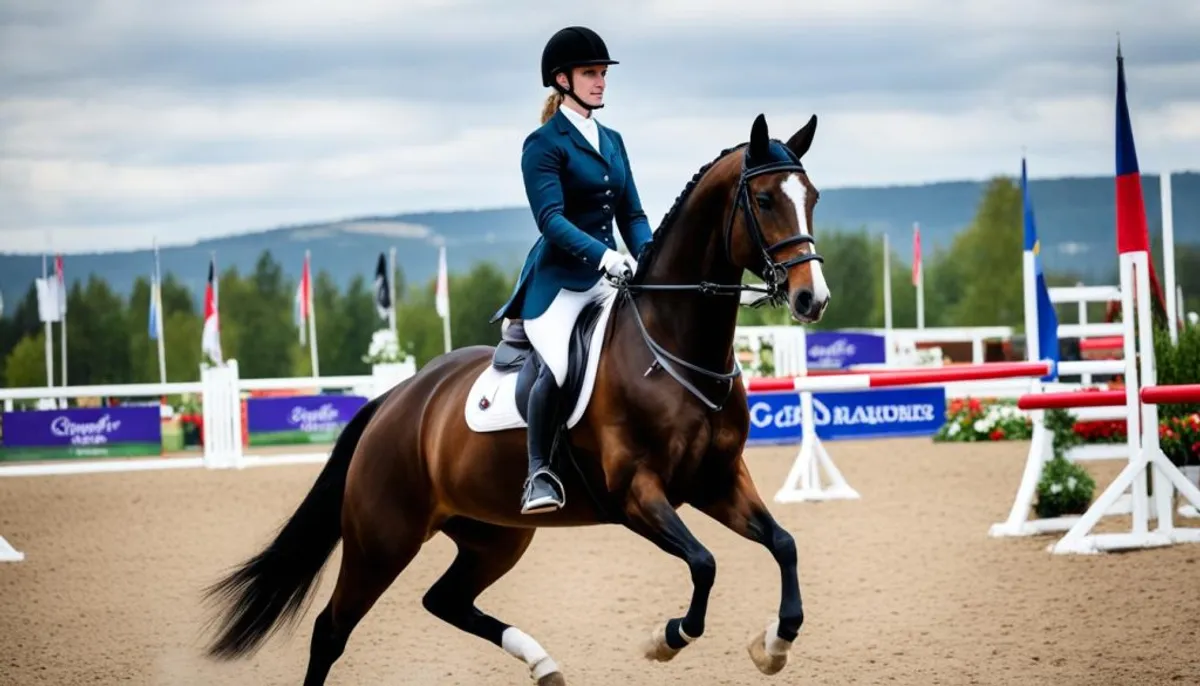
No matter the discipline, ethological riding represents an asset for horse-rider teams. It sustainably improves performance. While cultivating well-being and connection, it makes equestrian practice more enriching.
Conclusion
Ethological riding changes our view of the relationship between humans and animals. It emphasizes the well-being of horses. Thus, it promotes a true understanding between rider and horse, regardless of the level or discipline.
This method advocates respect and gentleness. It allows riders to better understand their mount. Understanding the needs and learning styles of the horse helps to forge strong bonds. These bonds improve performance in an ethical and healthy way.
Away from the pressures of traditional riding, ethological riding is a more natural approach. It makes equestrian experiences enriching for both horse and rider. The pillars of this philosophy are harmony, respect, and trust, changing our way of viewing riding.
FAQ
What is ethological riding?
Ethological riding is based on respect and understanding of the horse. It seeks to build a relationship of trust and complicity between the rider and the animal. The horse's well-being is at the heart of this approach.
What are the differences between ethological riding and classical riding?
Unlike classical riding, ethological riding does not focus solely on the physical aspect. It teaches how to communicate naturally. This is done by respecting the horse's needs and reactions.
This method helps riders and their mounts to progress together in a balanced manner.
Why does ethological riding stand out with its education method?
Its approach is gentle and makes the horse comfortable. Instead of forcing movements, we learn gradually, understanding each other. This method strengthens the trust between rider and horse.
How does ethological riding allow progression towards complex movements?
It helps achieve advanced movements with minimal intervention. This allows the horse to feel good and be motivated. Thus, rider and horse form a truly synchronized team.
Can ethological riding be practiced in all equestrian disciplines?
Yes, it is useful in all disciplines, even in competition. It improves results by strengthening the relationship between the rider and their horse. This creates a favorable environment for the animal's happiness.