
Compact and gentle, the Norwegian pony is increasingly loved by riders in France. Also known as the Fjord horse or Norwegian Fjord, it hails from Vestlandet in Norway. This breed is famous for its strength, simplicity, and friendly character.
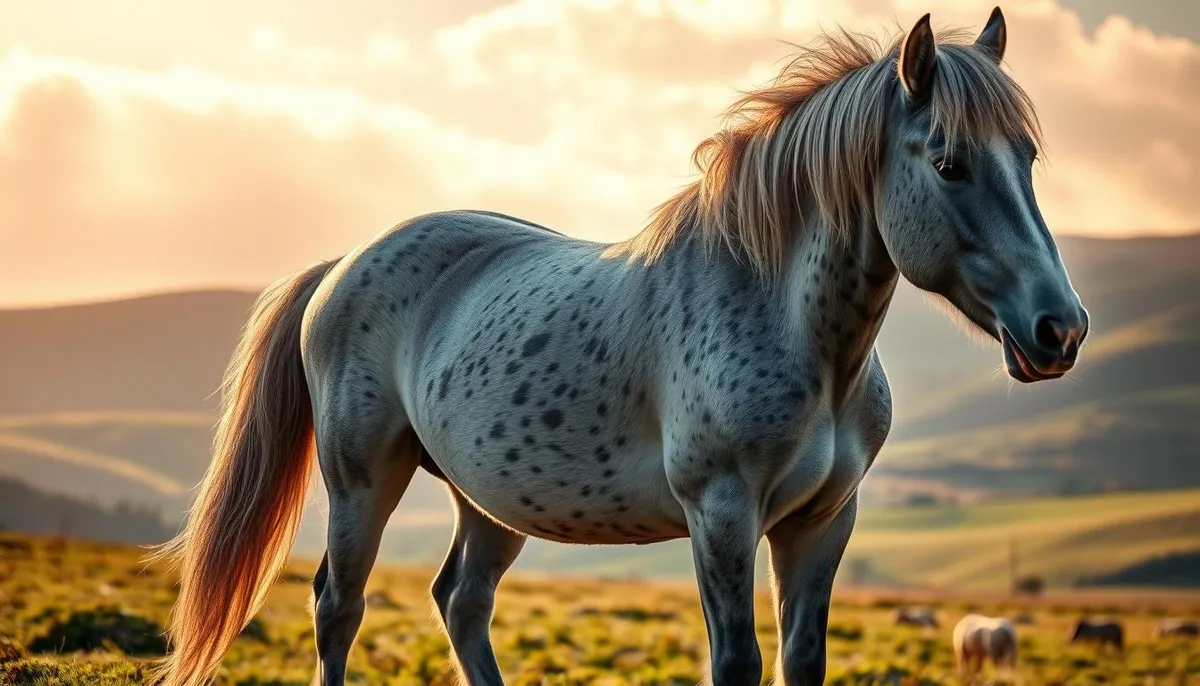
It has a reassuring size: between 1.35 and 1.55 m at the withers, weighing from 400 to 500 kg. It can live from 25 to 30 years with good care. It is a horse that withstands the cold well, lives outdoors without any problems, and is easy to maintain.
It can be found all over France. It is used for trekking, driving, equine therapy, but also for family enjoyment and some farm work. It is not made for competitions like the Thoroughbred, but it is very safe and versatile.
However, one must pay attention to certain things. For example, it can easily become overweight. There is also a risk of equine metabolic syndrome and summer dermatitis. For this, La Sellerie Française offers special high-quality equipment made in France.
Key Points
- Fjord breed is ancient, originating from Vestlandet, recognized for its robustness.
- Height 1.35–1.55 m; 400–500 kg; average longevity 25–30 years.
- Rustic horse: lives outdoors, good cold tolerance, easy maintenance.
- Uses in France: trekking, driving, equine therapy, leisure, and small farms.
- Less performance-oriented than sport horses, but very reliable outdoors.
- Watch out for: overweight, equine metabolic syndrome, summer dermatitis.
- Suitable equipment available at La Sellerie Française for optimal comfort.
Origins and History of the Norwegian Pony
The Norwegian pony was born between mountains and icy fjords, shaped by northern winds. Its strength comes from a harsh environment, where everything is precious. This explains its origins and significance in Norway.
In the heart of Norway, the rusticity of Vestlandet shaped the pony. Traces of them date back over 4,000 years. Later, selection created a pure and very resistant type.
From the Mountains of Vestlandet to French Farms
This pony was born on the slopes of Vestlandet and then spread across Europe. In France, it is appreciated in farms and riding centers for its reliability.
It retains its original traits: compact, energetic, and good on difficult terrain. Its history spans from Norway to French farms, adapted to modern agriculture.
Viking Heritage and Millennia of Selection
Ancient engravings show horses similar to the Fjord. The Vikings used them for various tasks. Their selection created characteristics such as a strong neck and great endurance.
- Over 4,000 years of equine presence in Norway.
- About 2,000 years of careful selection for useful traits.
- Transmission of a calm and sure temperament, signature of the fjord breed.
A National Symbol of Rustic Life in Norway
In Norway, the pony symbolizes outdoor life and community spirit. In Vestlandet, it is always close to fjords, forests, and difficult pastures. The history of the Fjord reinforces its image as a loyal and resilient horse.
It stands out for its Scandinavian origin and calming nature, while being very enduring. The traits of Fjord are clear: compact, economical in effort, and close to humans.
| Aspect | Vestlandet (Norway) | Spread in France | Specificity of the fjord breed |
|---|---|---|---|
| Origin environment | Rugged terrain, harsh climate, sparse pastures | Diverse pastures, riding centers, educational farms | Frugality and adaptation to difficult terrains |
| History | Presence > 4,000 years, reinforced selection 2,000 years ago | Gradual establishment in the 20th century | Preservation of Fjord origins and endurance |
| Uses | Transport, agricultural work, pack | Leisure, trekking, driving, mediation | Strong back, stable mind, sure footed |
| Identity | Symbol of national rusticity | Reference for rustic horse versatility | History of the Fjord visible in type and temperament |
Fjord Characteristics and Distinctive Morphology
The Fjord is compact, powerful, and easy to recognize. It is perfect for work and for walks. It has a unique color and mane that are very appealing.
Size, Weight, and Compact Proportions
It measures between 1.35 m and 1.55 m for a weight of 400 to 500 kg. Its body is short with strong muscles. It has a straight back and short, sturdy legs.
Its head is wide with large eyes and small ears. It has a gentle gaze that makes it easy to identify.
Isabella Coat and Official Shades (brownblakk, gray, ulsblakk, rodblakk, gulblakk)
The Fjord always has a beautiful tawny color with five recognized shades. This uniformity gives it a strong and unique identity.
It stands out from other breeds like the Connemara or Haflinger by its specific color and shades.
Bicolored Mane with a Central Black Stripe
The Fjord's mane is two colors, light on the outside and black in the middle. It is often cut short to highlight its neck.
In Norway, patterns can be shaved into it without damaging the hair or changing its shape.
Strong Hooves and Carrying Back for Driving and Trekking
The Fjord's hooves are perfect for difficult terrains. Its strong back is ideal for work or long walks.
Its strong constitution protects it from the cold and allows it to work for long periods. These qualities make the Fjord a very reliable horse.
Temperament, Uses, and Versatility of the Rustic Horse
The Norwegian pony is calm and versatile. It is self-assured, listens well, and reassures riders of all ages. It is stable outdoors and has a quiet strength. This makes it perfect for daily equestrian activities.
Calm, Courageous, Intelligent, and Close to Humans
It is gentle but also courageous. It learns quickly and is good at staying calm in groups. This quality is essential for a horse accustomed to different terrains.
Leisure, Trekking, Driving, Equine Therapy, Farm Work
On treks, this pony maintains its pace well. In driving, it is consistent and manages traffic well. It excels in equine therapy due to its patience. On the farm, it helps with light tasks while being ideal for leisure.
Advantages for Families, Riding Centers, and Educational Farms
It is reliable, which is reassuring for families and beginners. Riding centers value its affordable maintenance and versatility. In educational farms, it facilitates contact with children.
| Criterion | Fjord (Norwegian pony) | Connemara | Haflinger | Shetland |
|---|---|---|---|---|
| Temperament | Calm, close to humans | Lively, straightforward | Energetic, willing | Clever, sometimes stubborn |
| Key Uses | Trekking, Fjord driving, equine therapy | Jumping, versatile | Leisure, light driving | Initiation, child handler |
| Outdoor Endurance | Excellent on varied terrains | Very good | Good | Fair to moderate |
| Family Friendly | Yes, highly sought after | Yes, depending on the model | Yes, with supervision | Yes, under supervision |
| Versatility | Wide spectrum, equestrian leisure and farm | Sport-leisure | Versatile leisure | Initiation and light driving |
The Norwegian pony stands out for its calmness, endurance, and pulling ability. It is useful from the riding arena to equine therapy, through driving and rural tasks. It always keeps the spirit of equestrian leisure.
Fjord Horse
The Fjord horse combines the strength of a light draft horse with the agility of a leisure horse. This descendant of the Norwegian pony is easily recognized by its golden color, its bicolored mane cut short, and the dark stripe along its back. It is robust, easy to steer, and perfect for rides and driving due to its stability and regular pace.
Despite its small size, the Fjord horse is very popular in France for its versatility and reliable character. It gets along very well with other animals and is always in a good mood. With its solid back and wide chest, it offers comfort and efficiency to the rider and the driver.
Fjord horses are very resilient but can easily become obese if their diet is too rich. It is therefore crucial to monitor their weight, prevent metabolic diseases, and stay alert to summer dermatitis. Basic care such as regular vaccinations and targeted deworming ensures their good health.
In France, the Fjord is highly valued in leisure centers and educational farms for its peaceful nature. If you wish to use it for driving, choose well-fitted and quality equipment. La Sellerie Française offers everything needed for these horses, with gear specially designed for their size and strength.
| Aspect | Key Points | Practical Benefits |
|---|---|---|
| Identity | Isabella coat, bicolored mane, type Norwegian pony | Immediate recognition, strong image in France |
| Morphology | Compact, strong back, imprint of a light draft horse | Comfort in the saddle, effective pulling for driving |
| Behavior | Calm, straightforward, easy to train | Safety for families and beginners |
| Health | Rustic, vigilance on overweight and dermatitis | Controlled costs with proper management |
| Equipment | Fitted harnesses and bridles, La Sellerie Française | Durability, comfort, performance of the fjord breed |
| Uses | Leisure, trekking, driving | Everyday versatility in France |
Fjord Breeding and Daily Management
Breeding a Fjord horse requires attentive daily management. In France, these ponies thrive with simple and regular care. They are suited to their need for moderate feeding.
Choosing a Responsible Fjord Breeder in France
Opt for a reputable Fjord breeder in France. Look closely at their traceability, their choice of calm temperament, and their physical conformation. Seek diverse pastures, good rotation of fields, well-placed shelters, and precise health control. This includes measures against summer dermatitis and regular deworming.
Inquire about health assessments, the origin of the animals, and how they socialize. A quality breeding shows friendly horses, with strong legs and a well-formed back.
Integration into the Herd and Paddock Arrangement
Introducing a Fjord horse should be done gradually. Start by letting it coexist in the paddock, then introduce controlled meetings. Ensure that the fences are sturdy and visible, as this pony is clever.
It requires well-draining soil for the hooves, a spacious shelter, and multiple feeding points to avoid disputes. A large space reduces boredom and facilitates a calm daily management.
Preventing Overweight and Equine Metabolic Syndrome
Choose quality forage, low in sugar, and limit grains. Spread out meals to contain their voracious appetite, monitor their weight regularly, and adjust access to forage with a hay net.
Frequent exercise — walks, long reins work, driving — prevents excess weight, equine metabolic syndrome, and laminitis. In France, control access to young shoots in spring and after rain.
Summer Dermatitis: Protection and Care Routines
Start protecting your horse against summer dermatitis as early as March. Use special blankets, masks, and effective repellents. Avoid letting them out when insects are very active, especially at dusk.
Rinse your horse after each exercise, brush it often, and keep its environment clean and dry. Consult a veterinarian in case of intense itching or lesions that do not heal.
- Clean and fresh water always available
- Enrichment: salt lick, toys, controlled access to hay
- Daily observation: behavior, posture, appetite, weight changes
A methodical management of Fjord breeding ensures a happy and healthy horse. It will be well-suited to its life, summer and winter, throughout France.
Feeding, Habitat, and Practical Maintenance
The Fjord, with its specific needs, requires special attention. One must carefully plan its feeding, habitat, and maintenance. This keeps the horse healthy and performing well.
Forage as a Base, Minerals, and Limiting Grains
Prioritize quality hay and varied grass. If necessary, add mineral and vitamin supplements. For the Fjord, it is important to limit grains as it gains weight easily.
Adjust the feeding according to the seasons and the work done. Observe the horse closely to adjust the ration and avoid weight problems.
Fresh Water, Fractioned Distribution, and Enrichment
Water should always be available, especially after exercise. Use tight-mesh hay nets to slow down consumption.
Offer varied activities to stimulate its mind. This strengthens your bond and helps it stay fit.
Paddock with Shelter, Safe Fences, and Draining Soil
The ideal is an outdoor space with a shelter. Fences should be sturdy and visible. Also, ensure that the soil is draining to avoid hoof problems.
Keep the horse in the pasture year-round if possible. Change it to different plots regularly to protect the soil and grass.
Grooming, Mane Maintenance, and Veterinary Follow-up
Regular grooming is crucial. It helps keep the skin healthy and highlights its unique mane.
Don't forget regular follow-ups with the farrier and vaccinations. Well-chosen equipment is also important for its comfort.
| Key Point | Good Use | Avoid | Benefits for the Fjord |
|---|---|---|---|
| Ration | Forage base + targeted minerals | Excess grains | Stable weight, lower risk of laminitis |
| Hydration | Fresh water available at all times | Dirty or frozen water troughs | Optimal recovery, smooth digestion |
| Distribution | Fractioned meals, hay nets | Unlimited access to concentrates | Slow ingestion, lasting satiety |
| Habitat | Shelter, safe fences, draining soil | Persistent mud, sharp wire | Healthy hooves, enhanced safety |
| Grooming | Frequent brushing, mane in a brush | Tangles, stagnant moisture | Healthy skin, highlighting fjord characteristics |
| Follow-up | Farrier, vaccinations, reasoned deworming | Delays in care | Sustainable prevention, comfort at work |
| Equipment | Fitted harnesses from La Sellerie Française | Ill-fitting gear | Well-being, longevity of equipment |
Conclusion
The Fjord horse, from Vestlandet, is a symbol of reliability. This breed stands out for its special isabella color and unique mane. It is known for its gentleness and close bond with humans.
This pony excels in trekking, driving, and equine therapy. It adapts well to family life. To take good care of it, good forage and minimal grains are essential. Attention must also be paid to overweight and summer dermatitis.
Fresh water, a clean shelter, drained soils, and sturdy fences are necessary. Don't forget grooming, mane maintenance, vaccinations, and deworming. In France, maintaining a Fjord horse is less expensive than other breeds.
It is ideal for riding centers and educational farms due to its versatility and safety. Good management of breeding and regular veterinary care are key to its health. Ensure you have good equipment for its well-being.
Choose a transparent breeding and durable equipment. Quality harnesses make work more enjoyable for the Fjord. La Sellerie Française offers luxury accessories, handmade in France, for your pony. This way, you will contribute to its long-term well-being.
FAQ
Is the Fjord horse a pony or a horse?
The Fjord horse is classified among ponies and small horses. Depending on its size, it can be considered a pony or a small horse. It is a compact and strong animal, often used for leisure.
Where does the Fjord breed come from and what makes it rustic?
The Fjord comes from the west of Norway. It lives in a harsh climate, where it developed its robustness. Centuries of selection have enhanced its ability to withstand the cold.
What are the essential fjord characteristics (size, weight, longevity)?
A Fjord stands about 1.35 to 1.55 m tall and weighs between 400 and 500 kg. They can live up to 30 years. They are recognized for their strength and large expressive eyes.
What is special about the Fjord's coat and mane?
The Fjord has a unique isabella coat, with five accepted shades. Its mane is often cut to show a black stripe.
Is the Fjord suitable for beginners and families?
Absolutely. Gentle and courageous, the Fjord is perfect for beginners and families. It is often found in riding schools and educational farms.
What are its most common uses in France and Europe?
Fjords are used for trekking, farm work, and equine therapy. They are appreciated for their versatile and reliable nature.
How does it compare to a draft horse or a sport horse?
The Fjord is smaller and more maneuverable than draft horses. Compared to sport horses, it is less performance-oriented but very reliable outdoors.
What are the health vigilance points for a Fjord horse?
Although robust, the Fjord can be prone to overweight and summer dermatitis. It is important to monitor its diet and prevent skin problems.
What diet do you recommend for a Fjord?
A diet rich in forage and low in grains is recommended. It is also important to adjust the ration according to work and season.
What habitat and arrangements should be prioritized?
They appreciate pastures with shelter, sturdy fences, and draining soil. Introduction to the herd should be done carefully.
How to maintain a Fjord horse on a daily basis?
Brush it regularly and closely monitor its health, including its hooves and skin. Vaccinations and deworming should be up to date.
How to manage summer dermatitis in the Fjord?
Use insect-proof blankets and repellents from spring. In case of severe symptoms, consult a veterinarian.
Is the Fjord suitable for driving?
Yes, with its strong back and solid hooves, it is excellent for driving. Its calm nature is a plus in the city or countryside.
Where to find a serious Fjord breeder in France?
Look for breeders recognized for their seriousness in selection and care. Ensure they provide good veterinary follow-up and manage the weight and dermatitis of the horses well.
What equipment should be chosen for a compact and muscular Fjord horse?
Prioritize custom or fitted equipment for its powerful physique. La Sellerie Française offers quality options made to last.
How much time and budget should be planned for the maintenance of a Fjord?
Maintaining a Fjord requires a modest budget. Count on quality forage, regular care, and frequent exercise.
Is the Fjord a good choice for equine therapy?
Yes. Its peaceful character and empathy make it an excellent choice for supporting both children and adults.
What is the visual difference between a Connemara or a Haflinger?
The Fjord is distinguished by its specific coat and trimmed mane. In contrast, the Connemara and Haflinger have different coats and manes.
What is the Fjord's behavior outdoors and on varied terrain?
The Fjord is stable and comfortable on rides, even on difficult ground. Its robust constitution makes it very safe.
How to maintain the line and metabolic health of a Fjord?
Limit concentrated foods and increase exercise. Monitor its physical condition. Work with the veterinarian to avoid metabolic issues.