
The French trot is a strong symbol of our sporting and rural culture. It brings together people from all walks of life, from families to bettors, including artisans. These gatherings occur around the French trotter, a remarkable horse known for its robustness, speed, and closeness to humans.
This sport relies on impressive organization. Every year, over 11,000 races enliven our country, across 238 racetracks. Among them, 221 are exclusively dedicated to trotting. The PMU plays a crucial role by financing this activity, thus supporting the breeding and training of horses throughout the territory.
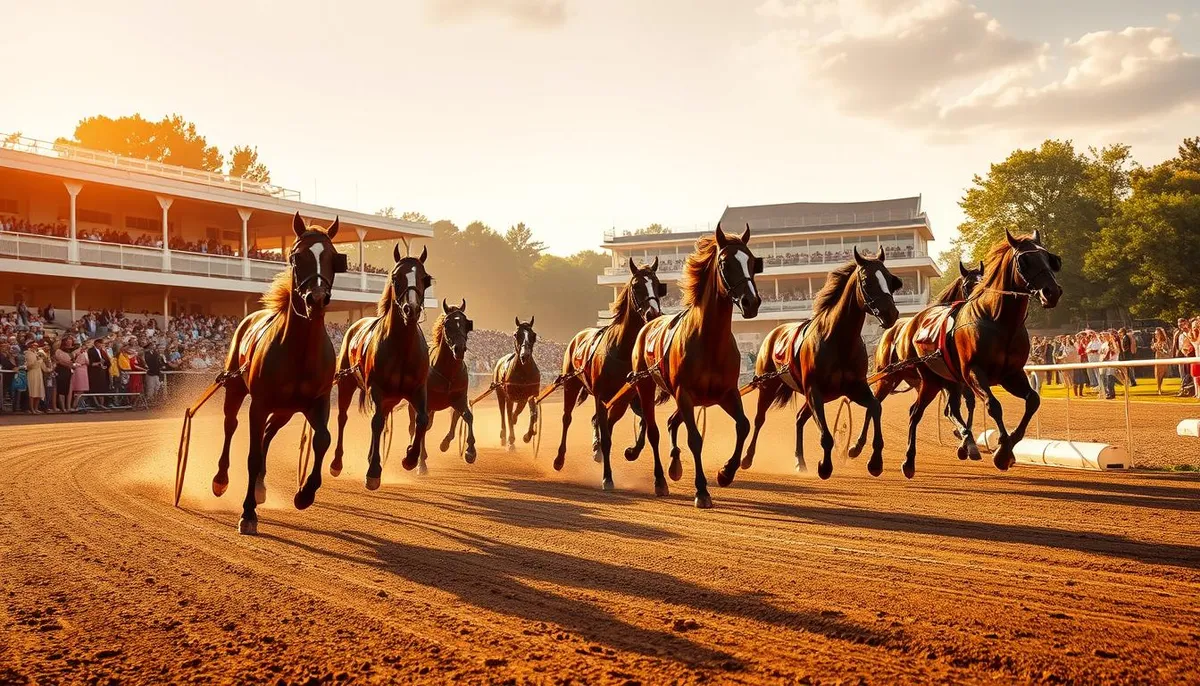
The Grand Prix d’Amérique is the flagship event of this sport. Created in 1920, it features 18 of the best horses racing over 2,700 meters. Each year, around 40,000 people gather at Paris-Vincennes for this event, which is also watched all over the world. Starting in 2025, rankings will be updated weekly, thanks to high-level competitions and standout horses.
French quality is also present in the equipment. La Sellerie Française offers high-end harnesses, entirely made in France. Whether custom-made or in limited editions, these products are crafted by the best artisans. This highlights the importance of collaboration among the various players in this field, from horse care to the races themselves.
Key Points
- The French trot combines popular culture, sport, and rural heritage across the entire territory.
- A calendar of 365 days and over 11,000 trot races enliven 238 racetracks.
- The PMU structures the industry through a solidarity financing model for breeding and training.
- The Grand Prix d’Amérique at Paris-Vincennes has been shining globally since 1920.
- The French trotter embodies a versatile and sought-after trotting horse internationally.
- La Sellerie Française promotes "made in France" excellence with durable equipment.
Overview of Trotting in France and Industry Players
The French trot relies on a dynamic and diverse structure. It spans from the National Studs to ParisLongchamp, near Paris-Vincennes. This structure combines breeding, sport, and various services.
The racing companies coordinate this organization. The racetracks, in turn, animate the trot races throughout the year.
From the stable to the track, every action counts. The equestrian jobs range from the stud farms to the boxes, impacting training and betting. Drivers, farriers, and technical teams create a united community around the horse.
An Industry Employing 80,000 People Between Gallop and Trot
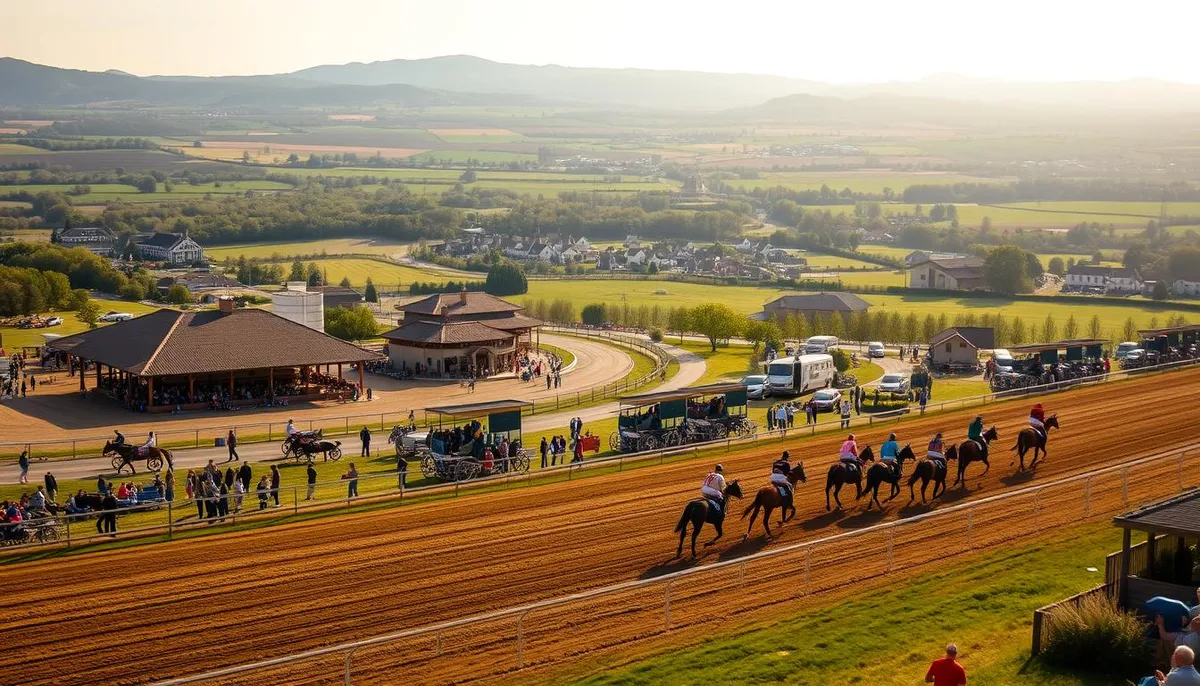
In France, trotting and galloping provide nearly 80,000 jobs. This includes breeders, stable employees, and riders. The racing companies and racetracks also contribute to employment.
The regions benefit as well: in logistics, catering, and transportation. The activity extends from training centers to breeding regions.
Breeders, Trainers, Drivers, and Farriers: A Chain of Expertise
The trotting industry relies on collaboration among professionals. Breeders make selections, trainers enhance condition. Then, the drivers implement the race strategy.
The farriers ensure the horse's comfort at speed.
- Breeders and foaling: choosing crosses and monitoring young horses.
- Trainers and stable teams: preparation, care, and organization.
- Drivers and jockeys: race strategy and composure.
- Artisans and suppliers: equipment and accessories, including those from La Sellerie Française.
This diversity enriches the French trot and ensures the horse's well-being.
A Busy Calendar: 365 Days of Races and Over 11,000 Trot Events Per Year
There are trot races every day, with multiple events. Each year, more than 11,000 races take place.
New developments, rankings, and specialized discussions enliven this sector. For bettors and professionals, this means more visibility and training.
A Unique Network of Racetracks: 238 in France, 221 for Trot Races
France has 238 racetracks, of which 221 are for trotting. This is the largest number in Europe. These venues make the spectacle and professionals more accessible.
| Network | Number | Role in the Trotting Industry | Impact on Equestrian Jobs |
|---|---|---|---|
| Racetracks in France | 238 | Hosting races, providing services to visitors and professionals | Track staff, ticketing, security, catering |
| Sites Dedicated to Trot | 221 | Organizing races and training | Support for drivers and farriers |
| Racing Companies | Multiple | Planning, security, and prizes | Management, communication, and technical aspects |
From Paris-Vincennes to other cities like Caen and Toulouse, a sporting passion is discovered. The trotting industry develops its talents and attracts around the horse.
The French Trot: Breeds, Disciplines, and Major Events
Discover the exciting world of the French trotter. In France, this breed is at the heart of breeding and stands out as one of the four main families of trotters. Races in Paris-Vincennes and other regions come to life thanks to these horses, with major events in winter and throughout the year.
The French Trotter, Versatile in Both Harness and Under Saddle
The French trotter is known for its versatility. It excels in both harness trotting and under saddle, a unique characteristic. This dual skill creates robust, enduring, and reliable horses.
From Vincennes to Caen, their adaptability enriches their careers. Trainers benefit from more options, and the public enjoys diverse and exciting races.
Harness Trotting and Under Saddle: Keys to Understanding
In harness trotting, the horse pulls a sulky with a driver. Maintaining a steady pace is crucial. A misstep can be decisive, especially at Paris-Vincennes.
In the case of under saddle trotting, the jockey aims for balance and propulsion. This direct contact influences how the horse takes turns. These differences explain why some horses excel in one discipline over the other.
Grand Prix d’Amérique: The Most Famous Trot Race in the World
Created in 1920, the Grand Prix d’Amérique brings together 18 champions over 2,700 m. On race day, 40,000 fans are present, and the event is broadcast internationally. The winner is often considered the best harness trotter in the world.
Each winter, Paris-Vincennes becomes the center of attention. The winter meetings set the stage, and each qualifying victory holds significance.
Trot Championships and Meetings: Leaders at the Top in 2025
The 2025 season offers important stages: finals, qualifications, and trophies. The rankings change based on the horses' performances, from regional tracks to Paris-Vincennes.
The winter meetings are crucial. In parallel, traditional events like the Saint-Léger des Trotteurs maintain enthusiasm, leading up to the top of the trot championships.
| Element | Discipline/Event | Specificity | Key Location | Period |
|---|---|---|---|---|
| Breed | French Trotter | Versatility in harness/under saddle | Paris-Vincennes and national network | Annual |
| Discipline | Harness Trotting | Horse + sulky, regular pace | Paris-Vincennes | All year round |
| Discipline | Under Saddle Trotter | Ridden by jockey, different balance | Caen, Laval, Paris-Vincennes | All year round |
| Summit | Grand Prix d’Amérique | 2,700 m, 18 starters, global prestige | Paris-Vincennes | Winter Meetings |
| Framework | Trot Championships | Rankings and finals 2025 | Entire France | 2025 Season |
Breeding Trotters and Performance Genetics
Breeding trotters starts on the farm. It relies on serious choices, patience, and precise care. Genetics plays a significant role in every decision, from selecting stallions to the quality of mares, to turn a hopeful into a champion.
The Breeder, the First Link: Crossing, Gestation, and Foal Preparation
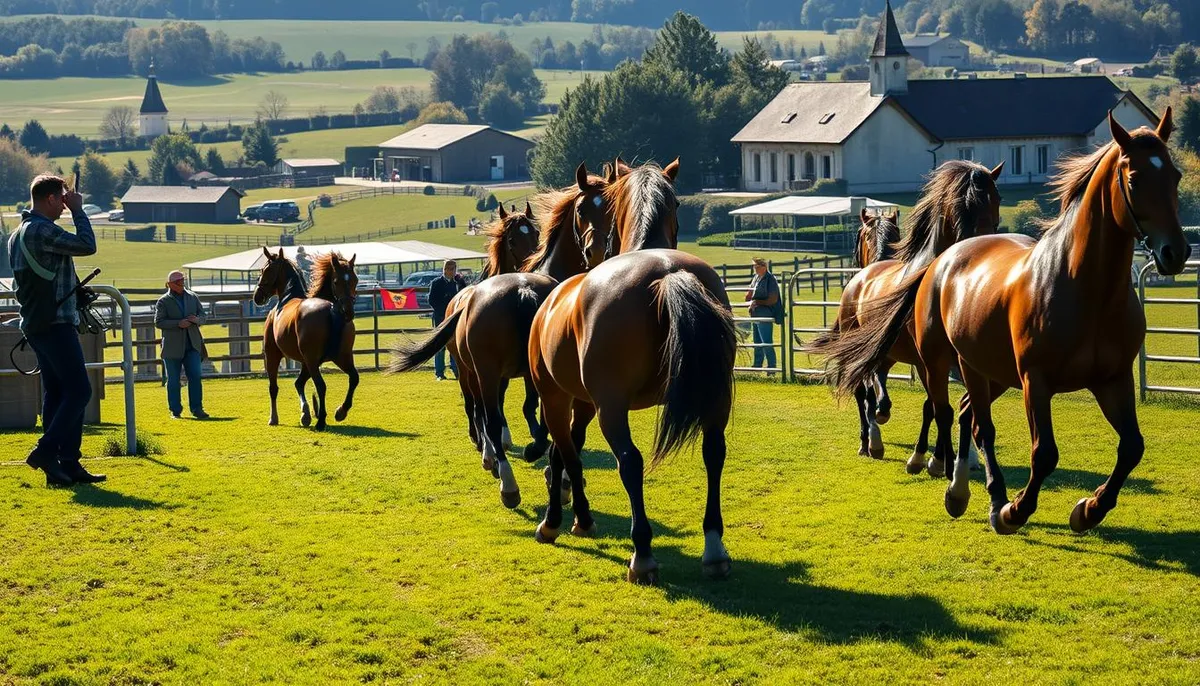
Breeders choose the stallion based on criteria such as speed and health. They seek proven pedigree associations. Gestation lasts about eleven months and includes veterinary care and specific nutrition.
The foal's training begins at birth. It includes contact, hoof care, and early outings. It can take three years before its first races. Professionals in equipment and care are essential. La Sellerie Française exemplifies this pursuit of excellence by providing equipment made in France.
Key Figures: Thousands of Breeders, Mares, and Births in France
France leads in trotter production. In 2018, there were 6,396 breeders, 15,172 mares, and 10,668 births. These figures demonstrate the strength and organization of the breeding of the French trot.
| Indicator | Value | Issue for Trotter Breeding |
|---|---|---|
| Breeders | 6,396 | Human network, knowledge transfer, and sustainable selection |
| Mares | 15,172 | Genetic reserve and diversity of crosses |
| Annual Births | 10,668 | Renewal of generations and sports talent pool |
Pedigrees and Bloodlines: From Lionheart to the New Generation "Turgot"
Pedigrees show the history and future of a family. Famous bloodlines, like Lionheart or the "Turgot," demonstrate genetic advancements. Each cross aims for the best combination of speed, endurance, and temperament.
Remembering ancestors is crucial. The loss of horses like Lilium Madrik highlights the importance of each family. Breeders therefore examine the performances of ancestors to make the best choices.
Solidarity Financing: The Role of PMU in Supporting Breeding
The PMU supports breeding with solidarity financing. This supports races and offers assistance to breeders and trainers. This system is monitored by several ministries and ensures direct support on the ground.
The introduction of Quinté+ in 2019 made races more attractive. This financial support also helps other types of equestrian activities. It strengthens the breeding of trotters, from the pasture to presentation, for the benefit of the entire sector.
Trot Races, Training, and Modern Heroes
The French trot is marked by sporting rigor and knowledge sharing. Behind the scenes, from preparation in the paddocks to racing on tracks, every small element plays a crucial role. The success of harness and under saddle trotting comes from a collective effort between stables and artisans, where expertise rhymes with success.
Trot Training: From Pre-Training to On-Track Performance
Training starts with a solid foundation and then progresses step by step. Endurance, speed, and the horses' cardiac capacity are worked on. This is done on various types of tracks.
Professionals like veterinarians and farriers assist in this preparation. Drivers and jockeys dedicate time to perfecting the horses' physical condition. This includes special techniques for each type of trot.
Before and after races, a strict routine ensures good recovery for the horses. This includes massages and specialized care. Meticulous preparation is essential to excel in competition.
Paris-Vincennes Racetrack: The Stage for Achievements in Under Saddle and Harness Trotting
Paris-Vincennes is a key venue for major competitions. Its unique track tests the limits of competitors.
The public admires complex strategies, whether in harness or under saddle trotting. The winter competitions play a crucial role for the rankings.
Legendary Horses: Ourasi, Bellino II, Ready Cash, Jag de Bellouet, Bold Eagle
These horses have made history in their own way. Ourasi with his incredible finish, Bellino II for his durability, Ready Cash for his speed.
Jag de Bellouet showcased his power while Bold Eagle charmed with his charisma. Their influence continues to inspire participants, especially at Paris-Vincennes.
Peloton News: 2025 Rankings, Victories, and Major Preparations
In 2025, the world of trotting sees the emergence of key leaders. The sections highlighting the best from the last meeting reveal current and future trends.
Performances like “Jolly Chic undefeated in under saddle trotting” and “Kobayashi, star of the Prix Edmond Henry” mark the season. They also guide betting.
International and Sales: From Rome to Lexington, a Global Market for Trotters
Competitions and sales extend well beyond France. In Rome, for example, the Italian Derby attracts the best. And in Lexington, the 2025 sales showcase the market's robustness.
In France, the sales in Caen enliven the trotting calendar. They offer promising young horses and valuable bloodlines. These exchanges enrich the genetic heritage of trotting.
Focus on Breeding: Examples of Horse Profiles (e.g., Arizona Passion) and Artisan Journeys
Arizona Passion shows how selection influences performance. Her pedigree helps in choosing the best crosses.
Artisans like Patrick Desprez and Alan Gendrot highlight the importance of manual expertise. La Sellerie Française provides quality equipment, essential for competitions at Paris-Vincennes.
Conclusion
The French trot is a pillar for nearly 80,000 jobs. It offers a full calendar and numerous racetracks. From Paris-Vincennes to regional circuits, trotting is a passion that blends rigor, emotion, and novelty.
Competitions attract spectators, especially the Grand Prix d’Amérique. Created in 1920, this grand event showcases the excellence and international reach of the French trot. It symbolizes excellence and French pride with its captivating races.
The breeding of trotters is at the heart of success. Thousands of breeders work hard to ensure a promising future for the sport. Quality teams and equipment contribute to this excellence. La Sellerie Française, for example, creates custom equipment in France.
Funding from PMU betting plays a significant role in supporting the sector. Legends like Ourasi and Bold Eagle inspire new generations. The French trot continues to be a cultural and economic leader, ready for future challenges.
FAQ
What do we mean by "the French trot," and why is it so ingrained in Hexagonal culture?
The French trot encompasses the entire culture of trotting races in France. It includes trotting horses and their professionals. This tradition comes from the countryside and is celebrated throughout the country thanks to the racetracks. France has 238 racetracks, with 221 specialized in trot. There are races every day of the year. In total, over 11,000 annual races make this sport an international event. Yet it retains a rural and family spirit.
How many jobs does the trotting and galloping industry generate?
It creates about 80,000 jobs, both direct and indirect. This includes breeders, training experts, and many others. There are also farriers and suppliers among many other professions. All these people work together for the success of the races.
Who makes up the "family of trotting," and what are its skills?
The family of trotting includes breeders, trainers, and other professionals. Many have multiple roles, such as being both a breeder and a trainer. Their expertise is recognized worldwide. It supports the breeding of trotters and their racing performances.
What is the French Trotter, and what makes it unique?
The French Trotter is one of the four global trotting breeds. Its uniqueness lies in its versatility, competing in both harness and under saddle. This dual skill enhances the French sporting status and the quality of trotting competitions.
What is the difference between harness trotting and under saddle trotting?
In harness trotting, the horse pulls a driver in a sulky, where the regularity of the trot is very important. In under saddle trotting, a jockey rides the horse, changing its balance, and other skills are highlighted. Each type of race requires specific training.
What are the major events for trotting races in France?
The Grand Prix d’Amérique is crucial. Since 1920, it attracts the 18 best trotters in the world to Paris-Vincennes. Around 40,000 people come to witness this spectacle, and it is broadcast in 36 countries. There are also other major events throughout the year.
Is the trotting race calendar really daily?
Indeed. In France, trotting races take place every day of the year. At least two meetings are organized daily. In 2018, the number of races reached 11,183. This shows how vibrant and attractive this sport is for enthusiasts.
What is the role of Paris-Vincennes in French trotting?
The Paris-Vincennes racetrack is at the heart of the highlights of trotting. It hosts elite competitions and the most important events. The performances of champions are closely monitored before and after the races.
How does solidarity financing via the PMU work?
The PMU is used to finance races and support breeding and training under state supervision. Thanks to innovations like Quinté+, the attractiveness is improved. This benefits the entire trotting industry.
What are the key figures for trotter breeding in France?
In 2018, France had 6,396 trotter breeders, 15,172 mares, and 10,668 births. Our country is the world's leading producer of trotters, especially French Trotters.
What is the breeder's role in the future performance of the trotter?
The breeder plays a key role from the beginning. They choose the best stallions and manage their breeding. The preparation of the foal starts very early. Between purchasing a mare and the first race, three years often pass. Rigorous monitoring is essential.
Do pedigrees and bloodlines influence a trotter's career?
Absolutely. Prestigious bloodlines are studied closely. Analyzing pedigrees helps choose the best crosses and maintain a quality genetic lineage. This is vital for the future of trotter breeding.
How does trot training aim for high performance?
Training starts with pre-conditioning, increases in intensity, and then targets specific training. Trainers, drivers, and other professionals adjust the equipment for the horse's well-being and performance. It is a close collaboration among all.
Which horses symbolize the excellence of the French trot?
Champions like Ourasi and Ready Cash are legendary. They symbolize the success of trotting races and motivate new talents. These horses have made history and continue to inspire the world of trotting today.
What are the significant news from the peloton in 2025?
In 2025, regular victories and strong leaders characterize the peloton. Special sections highlight the performance and strategy of teams. This shows a constant evolution in the world of trotting.
Is the trotter market international?
Yes, the French trotter shines in both Rome and Lexington. Sales in Caen boost the French market. Successes in Europe and North America prove the excellence of the French trotter on the global stage.
A concrete example of French breeding?
ARIZONA PASSION shows the care taken in selection and breeding. Born from LATINUS and PRINCESSE D’OC, raised by Jean-François Tuffery, she illustrates the importance of monitoring and breeding choices.
What is the contribution of artisans and equipment manufacturers to performance?
Their role is crucial. They provide the necessary equipment at every stage. French artisanal expertise ensures comfort and safety for the horse. This contributes to success in harness or under saddle trotting.
Why is La Sellerie Française cited as a natural partner in the industry?
Because it produces high-end equipment entirely made in France. Whether custom-made or in limited series, the artisans' work perfectly meets the industry's demands. This goes beyond quality labels and addresses the specific needs of professionals.
How many racetracks host trotting races in France?
With 238 racetracks, including 221 for trotting, France holds a record. This ensures great visibility for races throughout the territory. It guarantees access to this sporting spectacle for all.
How does the discipline remain accessible to the general public?
Races are accessible thanks to a dense network of racetracks, TV and internet broadcasts, and accessible betting like Quinté+. Special events and regional meetings invite the public to share the passion for trotting.