
Groundwork in riding is crucial for strengthening the bond between rider and horse. It helps create deep communication. It also allows for working on the basics of dressage and reinforcing mutual trust.
By using various exercises and techniques, the rider can improve the horse's concentration. It can also increase its engagement and lowering. This helps the rider progress in their riding.
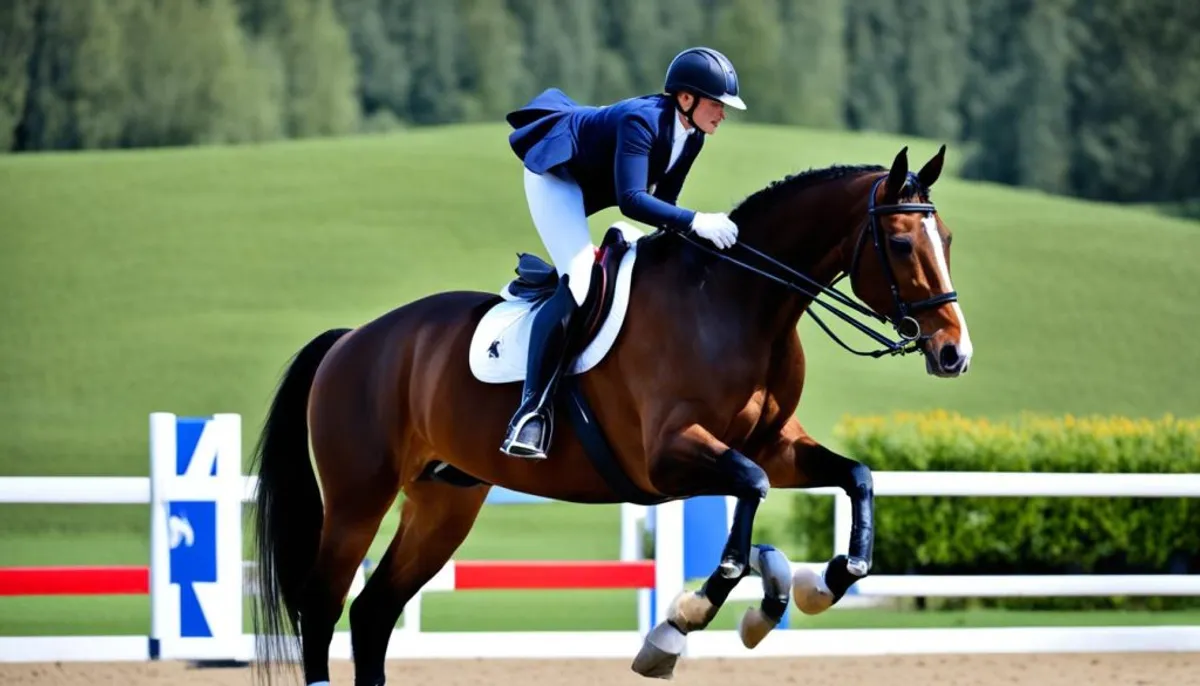
Main ideas to remember
- Groundwork in riding strengthens communication and trust with the horse
- It allows for working on the basics of dressage and developing the horse's concentration
- Different techniques and exercises can be used to engage and lower the horse
- Groundwork is an essential step for progressing in riding
- It develops mutual understanding between the rider and the horse
Lunging: an essential foundation
The lunging is crucial for preparing a horse, whether it is young or older. This method of lunging training helps improve the horse's head-neck attitude. It develops its musculature without the rider's weight. Additionally, it allows for the use of different riding equipment.
The benefits of lunging
Lunging has many advantages for the horse. It helps develop a healthy posture, without the rider's weight. This method also strengthens the horse's musculature, preparing its body for work under saddle.
Different types of longeing
- One must consider the use of the lunge line so that the horse maintains a healthy posture without being constrained.
- Lunge reins are among the riding equipment used to work on the horse's head-neck attitude.
- A lunging session of 15 to 20 minutes is recommended.
The lunging is crucial for preparing a horse. It develops its musculature and head-neck attitude progressively and appropriately.
Long reins: development and precision
Working with long reins is gaining popularity, offering many advantages for the dressage of the horse. It allows for maintaining a favorable head-neck attitude without the rider's weight. This method also introduces lateral movements and offers better control of the hindquarters.
Work on the circle and the track
Working with long reins is ideal for maneuver figures on the circle and the track. It helps the horse improve its lateral mobility, flexibility, and balance. The rider guides the horse precisely through different movements.
- Changes of direction
- Spirals
- Voltes
- Lateral movements
The advantages of contact with long reins
The contact with long reins is a challenge and an advantage for the horse's development. This method refines communication and strengthens the relationship between rider and animal.
| Advantages of contact with long reins | Explanations |
|---|---|
| Development of sensitivity | Light and constant contact helps the horse become more sensitive and responsive. |
| Improvement of flexibility | The work strengthens the flexibility of the neck and jaw. |
| Reinforcement of trust | This method strengthens trust and complicity between rider and horse. |

Groundwork: an ethological approach
Ethological riding is becoming increasingly popular for groundwork. It aims to create a trusting relationship with the horse. This is done by respecting its natural behavior. This method also helps to desensitize and sensitize the animal. It also improves its proprioception.
Desensitization and sensitization of the horse
Ethological groundwork focuses on the desensitization of the horse. It gradually exposes it to new or stressful situations. This method also sensitizes the animal. It helps it better perceive its environment and its movements.
Developing the relationship with the horse
The balance between the rider's moral ascendancy, the severity of the tools, and the skill of the handler is crucial. This method prepares the horse for work under saddle. It creates a relationship of trust and mutual respect.
Handwork: engagement and lowering
Handwork, or work at the shoulder, is an ancient method that is becoming increasingly popular. It teaches the horse the basics of handwork while reinforcing the engagement of the hindquarters and their lowering. This also prepares horses for leg lessons, essential for the Spanish walk, piaffe, and other movements.
The lowering of the hips and the engagement of the hindquarters are crucial for the preparation for academic airs. Handwork strengthens these qualities, creating a solid foundation for future dressage.
| Advantages of handwork | Objectives of handwork |
|---|---|
|
|
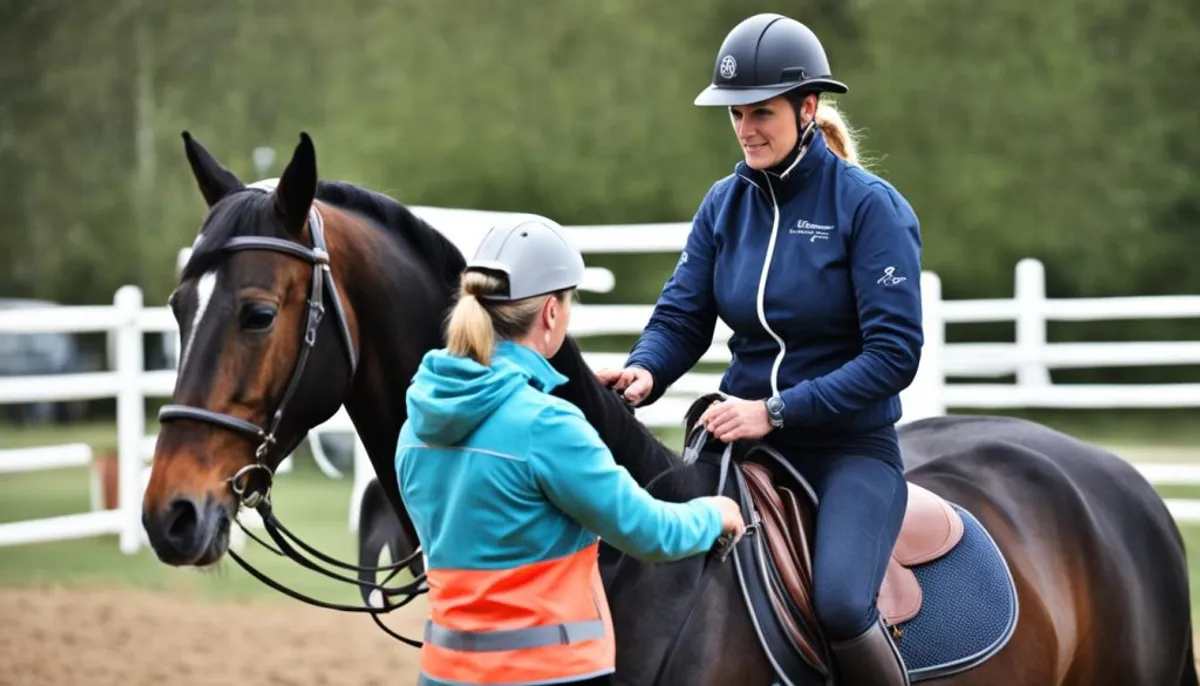
By mastering handwork, the rider creates a solid foundation for academic airs. It also strengthens communication and connection with their horse.
Jaw flexion: a key to relaxation
Jaw flexion is crucial for learning the bit in the horse. This movement helps achieve total relaxation of the animal. It also allows for releasing the top line.
Understanding the role of the bit
Groundwork helps the rider teach the horse to chew the bit gently. This action of chewing causes relaxation. It facilitates the relaxation of the animal.
Chewing: a relaxation tool
Associating these jaw flexions with positive reinforcement improves the relaxation response. The horse learns to see the bit as a moment of relaxation.
| Benefits of jaw flexion | Impacts on the horse |
|---|---|
| Learning to use the bit | General relaxation |
| Releasing the top line | Better receptivity to work under saddle |
| Positive food reinforcement | Associates the bit with a moment of well-being |
Work under saddle: completing the preparation
Work under saddle goes beyond simple practice. It is crucial to work the horse in different head-neck attitudes. This helps the horse strengthen its muscles and stabilizers.
Exercises like neck extension, low and round, and low and long are essential. They help create a solid and balanced mount. The work in free neck at fast pace is also important for the development of the equine athlete.
Work under saddle is an essential complement for the horse. It combines mobility, power, and flexibility. This holistic method improves performance while protecting the well-being of the animal.
Conclusion
Groundwork in riding is crucial for the preparation of the horse. It strengthens the trusting relationship between the rider and their horse. It also helps develop technical skills for optimal performance and well-being.
By using progressive methods, the rider helps their horse reach its full potential. This respects the horse's physical and mental well-being.
Lunging, with long reins or handwork, aids the horse's development. It promotes its relaxation, concentration, and availability. This approach creates a good relationship between the rider and the horse.
By learning these techniques, the rider prepares their horse comprehensively. This allows the horse to thrive and give its best. This method is beneficial for both the horse and the rider, ensuring a fulfilling and sustainable riding experience.
FAQ
What are the main benefits of groundwork in riding?
Groundwork strengthens the bond between the rider and their horse. It helps develop clear communication. It also allows for working on the basics of dressage and reinforcing mutual trust.
It also helps improve the horse's concentration. The horse becomes more engaged and lowers its body. This helps the rider progress in their riding.
Why is lunging important in preparing the horse?
Lunging is crucial for both young and older horses. It works on the horse's attitude and develops its musculature. This allows for work without the rider's weight.
It is important to choose the right type of longeing. This helps the horse maintain a good posture without being constrained.
What are the advantages of working with long reins?
Working with long reins is similar to lunging. It maintains a good attitude of the horse without the rider's weight. This allows for working on lateral movements.
The contact with long reins is a challenge and an advantage for the horse.
What does the ethological approach in groundwork consist of?
The ethological approach aims to create a trusting relationship with the horse. It respects its natural behavior. This helps desensitize and sensitize the horse.
It develops its proprioception and behavior. The balance between the rider, the tools, and the skill is crucial for a successful approach.
What are the main benefits of handwork or shoulder work?
Handwork prepares the horse for handwork. It stimulates the engagement of its hindquarters and their lowering. This prepares for leg lessons.
This type of work is ideal for teaching the Spanish walk and other movements.
Why is jaw flexion essential?
Jaw flexion is crucial for teaching the bit. The rider on the ground teaches the horse to yield to the bit. This improves the relaxation of the horse.
The flexions associated with positive reinforcement enhance this relaxation.
How does work under saddle complete the preparation of the horse?
Work under saddle should be diverse. It must work the horse in different attitudes. This develops its musculature and strengthens the stabilizers of the rib cage.
Work in free neck is also important for the development of the equine athlete. Work under saddle complements the overall preparation of the horse.