
Dreaming of owning a thoroughbred is one thing. Embarking on this adventure while understanding the financial realities is another. This exciting investment requires careful preparation.
The acquisition cost varies greatly. It depends on the lineage, age, and potential of the animal. A promising yearling will not have the same value as a proven stallion.
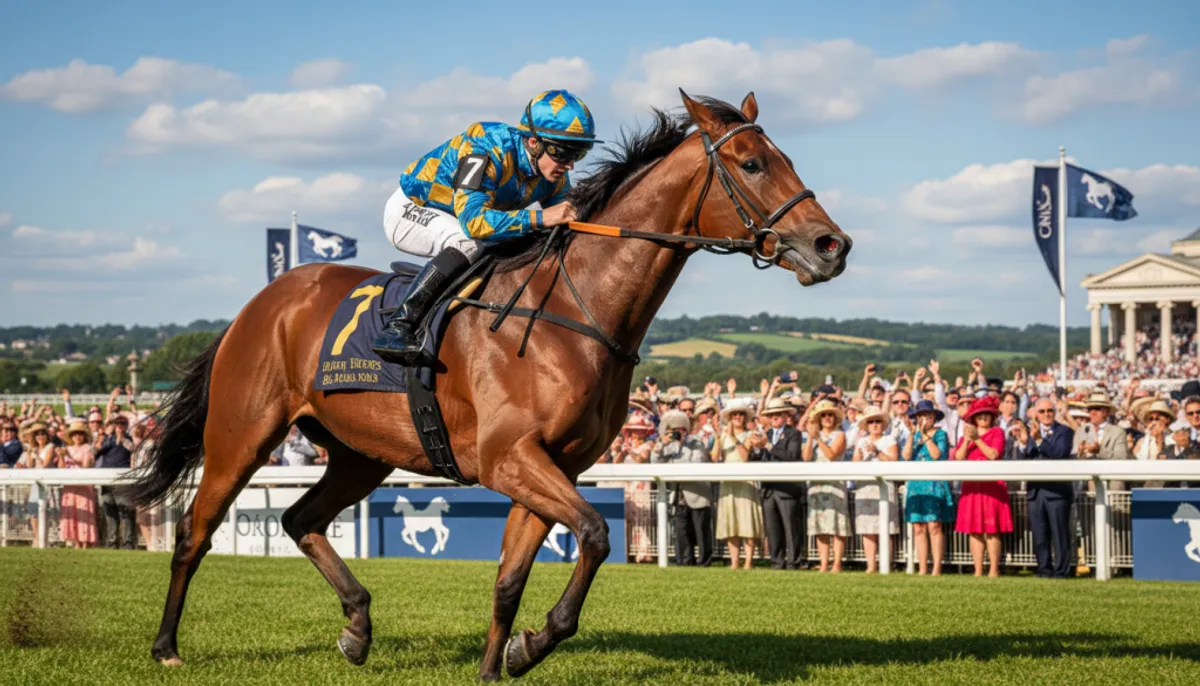
In France, access to ownership is regulated. Institutions like France Galop impose conditions for stable income. This ensures the sustainability of stables.
Becoming an owner is a serious commitment. The initial investment is only part of the equation. Annual maintenance costs represent a significant and recurring budget.
This guide helps you navigate the racing market. It assists you in understanding all the financial aspects of this beautiful passion.
Key Points to Remember
- Buying a thoroughbred is an exciting but financially engaging project.
- The purchase price fluctuates based on pedigree, age, and performance.
- Regulation by France Galop requires proof of sufficient income.
- Annual maintenance costs are often underestimated and quite significant.
- A thorough market study is essential before any commitment.
- This investment goes far beyond the simple purchase.
- Being well-informed allows you to experience this adventure with peace of mind.
Introduction
Diving into the world of horse racing offers an extraordinary sensory and social experience. Agencies like the Broadhurst Agency, founded by Laurent Benoit in Paris in 1999, embody this deep passion for equestrian sport.
Every owner discovers a world where the adrenaline of competition days blends with the serenity of training tracks. It is primarily a human adventure, uniting enthusiasts around strong values.
Investing in an equine athlete also means joining a community. This decision should be preceded by clear reflection on your goals and means. A well-defined project maximizes the chances of success and enjoyment.
This guide helps you explore all facets of this commitment. It addresses the choice of the animal, daily management, and financial reality. The goal is to guide you towards an informed and calm decision.
Understanding the Racehorse Market
The price of a future champion is directly influenced by the type of event for which it is intended. This specialized market is structured and regulated, with its own rules and players.
Before diving in, it is essential to grasp the nuances. This allows for setting a realistic budget and targeting the right animal profile.
The Different Types of Races and Their Specificities
Each discipline attracts a different profile of investor and equine athlete. The choice of specialty determines the buying and training strategy.
In flat racing, we mainly distinguish between flat and jumps. Trotting also attracts a strong community of enthusiasts.
| Type of Race | Specificities | Investor Profile |
|---|---|---|
| Flat (Gallop) | Speed races on track, without obstacles. Values pure speed and pedigree. | Seeks high genetic potential and quick returns. |
| Jumps (Gallop) | Endurance races with hurdles or steeplechase. Requires courage and technique. | Appreciates long-term development and the character of the animal. |
| Trot | Harnessed or mounted races where the horse must maintain a specific gait. Very technical. | Passionate about a demanding discipline and a close-knit community. |
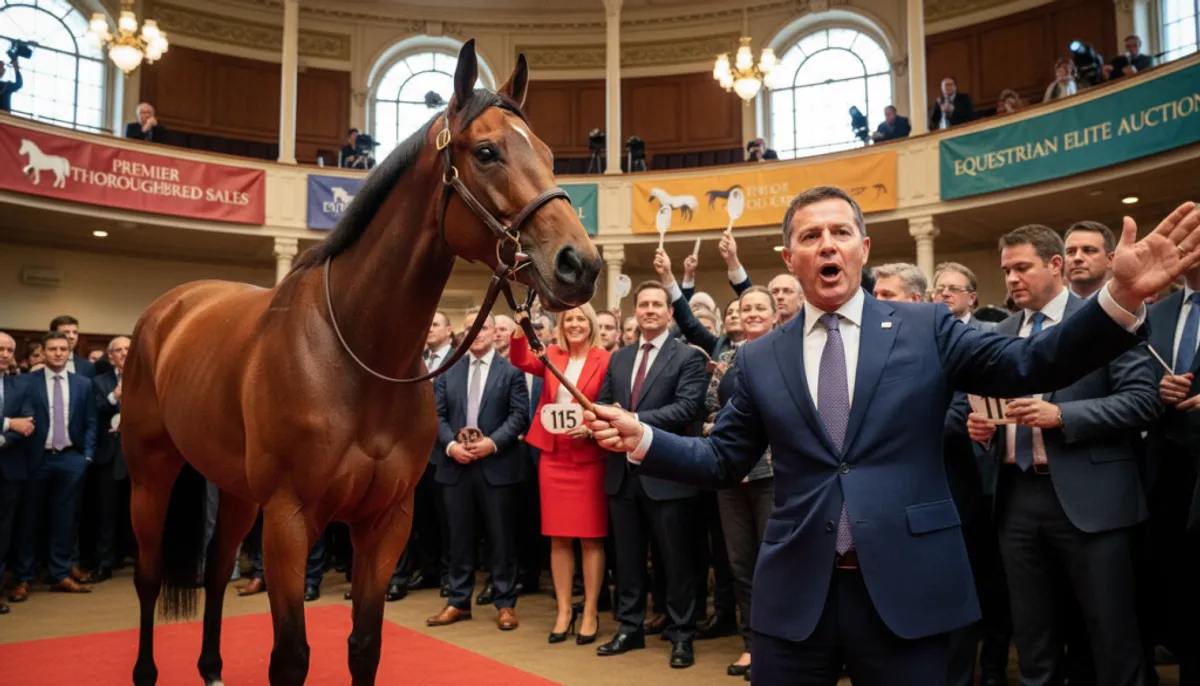
Beyond the discipline, value is also dictated by the mechanisms of the market. Supply and demand play a central role.
The Impact of the Market and Trends on Prices
Institutions like France Galop strictly regulate access. In Paris, an annual income of around €75,000 is required to become an owner.
In the provinces, conditions are more flexible. A minimum of €30,000 per year is often sufficient.
The auctions, such as those by Arqana, are key moments. Here, yearlings of about 18 months, full of promise, are acquired.
During the prestigious Deauville sales in 2021, the average price for a yearling reached €163,000 excluding tax. This amount reflects the value placed on genetic potential.
The final selection relies on the lineage and physical attributes of the animal. Seasonal trends and lineage results also strongly influence costs.
How Much Does a Racehorse Cost
Investing in an equine athlete divides into two main categories: acquisition and recurring costs. Realistic planning examines both aspects simultaneously.
To equip your partner with elegance and safety, La Sellerie Française offers products made from A to Z in France. This superior quality ensures optimal comfort throughout its career.
Acquisition Price versus Annual Maintenance Costs
The initial cost is highly variable. The purchase of a claiming horse, for example, represents a commitment of €9,000 to €50,000.
This amount depends on its experience in competition. Investing in a yearling can start at €1,500.
The annual costs, however, are constant. They include stable boarding and regular veterinary care.
For a sole owner, this budget ranges from €15,000 to €25,000 per year. Professional training is a major expense, charged at a minimum of €1,500 excluding tax per month.
Comparison Between Trotters and Thoroughbreds
The choice of discipline directly influences the budget. Young trotters are often more affordable to purchase.
Their price is generally 30% to 50% lower than that of thoroughbreds of the same age. This difference is explained by the market dynamics specific to each sport.
Whether you choose trotting or galloping, the costs of boarding and training remain comparable. The goal is to maximize your athlete's potential.
Selection Criteria for a Quality Racehorse
Identifying an exceptional equine athlete requires sharp expertise. A rigorous methodology examines both its history and future potential.
This multi-criteria evaluation is fundamental for a successful investment. It allows for detecting the true quality beyond the first glance.
Analysis of Pedigree and Performance
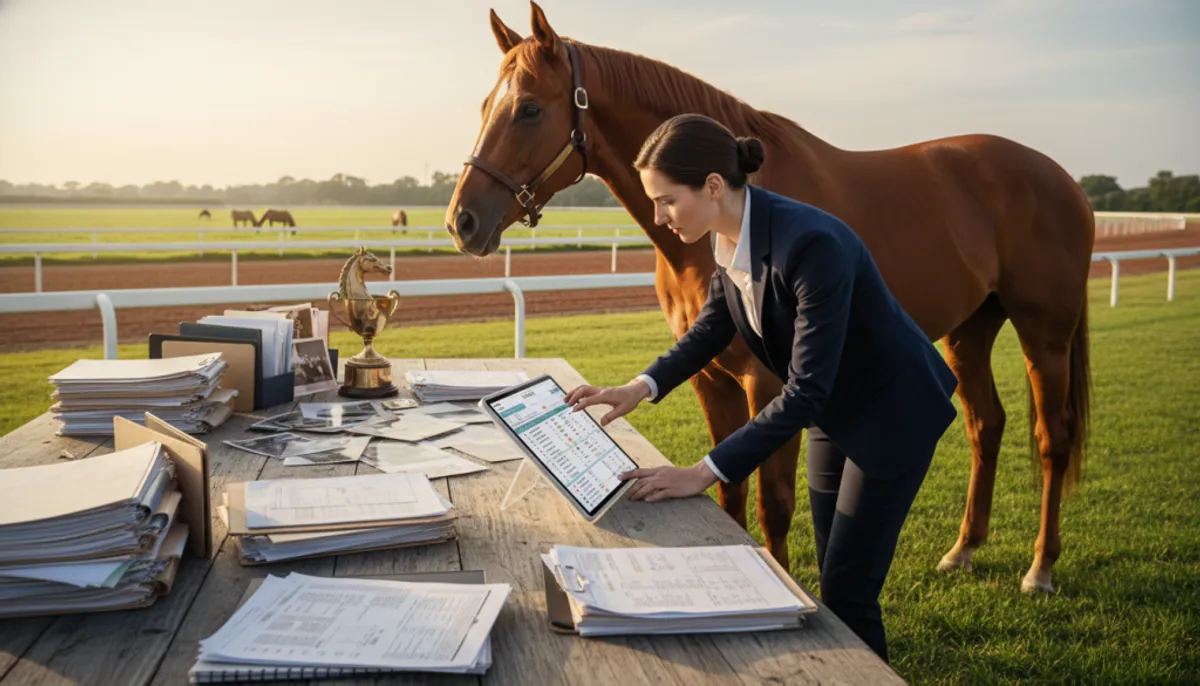
The lineage of an animal is its first passport. A prestigious pedigree suggests a high genetic potential for speed or endurance.
The study of results in competition is equally crucial. It reveals the consistency and mindset of the candidate.
The case of the mare Testosterone is exemplary. Purchased for €15,000, she earned €350,000 in races before being resold for €1.2 million.
Upon a victory, the distribution of winnings is strict. The owner receives 77.5% of the allocation, the trainer 14%, and the jockey 8.5%.
Breeding is also a strategic criterion. The price of a breeding can reach €300,000 for a star stallion.
| Selection Criterion | Description | Impact on Value |
|---|---|---|
| Pedigree | Lineage and genetic ancestry of the animal. | Determines the base price and breeding potential. |
| Performance | Previous results on the track and consistency. | Direct influence on resale price and future earnings. |
| Physical Conformation | Examination of musculature, limbs, and overall health. | Essential for durability and resistance to intensive training. |
| Training Program | Quality and adaptation of training sessions. | Maximizes performance and minimizes injury risks. |
Examination of Physical Attributes and Training
A good pedigree is not enough. The animal must possess impeccable athletic conformation.
Veterinarians inspect the joints, breathing, and heart. This assessment guarantees its ability to withstand the pace of races.
Professional training is the other pillar. A good trainer tailors each session to the specific needs of the horse.
This optimizes its natural abilities. A fine management of the career, including the choice of events, is key.
It allows for maximizing both sporting results and return on investment for the owner.
Purchase and Rental Options for Racehorses
Before committing, it is wise to explore the available acquisition and rental modalities. Each path offers a different level of involvement and risk.
Buying Alone or in a Group: Advantages and Disadvantages
Becoming a sole owner gives total control. You choose the silks and the races. But you bear all the training and boarding costs alone.
Buying in a group shares the costs and risks. For galloping, the group is limited to 6 people. For trotting, it can go up to 10.
Another option is purchasing shares in a stable. The entry price can be very accessible. It ranges from €40 to over €750 depending on the prestige of the structure.
| Modalities | Initial Investment | Control | Risk Sharing |
|---|---|---|---|
| Buying Alone | High | Total | None |
| Buying in a Group | Moderate | Shared | High |
| Stable Shares | Low to Moderate | Limited | Mutualized |
| Rental | Low (Entry Fee) | Operational | Shared with the owner |
Opting for Rental: Flexibility and Risk Sharing
The rental of a horse is a flexible option. The tenant pays an entry fee and monthly boarding costs. They then receive all the winnings from races.
In return, they pay between 5% and 10% of these prizes to the original owner. This is an excellent way to test the adventure without long-term commitment.
The auctions remain the traditional channel for purchase. They concern both yearlings and confirmed athletes. The choice depends on your goals and time.
Investing in the Racing World: From Passion to Profit
Transforming your love for racing into a viable investment requires mastering both recurring costs and potential gains. This adventure closely intertwines financial management with the emotional reward of the sport.
Financial Implications and Boarding Management
The initial purchase is just the first step. The boarding costs represent a crucial daily expense.
For a foal or mare in breeding, this varies from €12 to €30 excluding tax per day. These constant care measures ensure the well-being and development of the athlete.
A good professional training is equally decisive. It optimizes the health and performance of the horse in the long term.
Sporting Gains and the Emotion of Competition
Success on the track brings double satisfaction. A victory, even at a low level in the Paris region, can bring approximately €20,000 to its entourage.
These winnings from races are tax-free for the owner. This tax advantage is a major asset in this universe.
The emotion of victory, carried by cheers, is often what motivates perseverance. It justifies all the daily efforts.
The subsequent sale of a performer can also generate significant returns. A rigorous planning of commitments and sales allows for optimizing the overall balance of the stable.
Conclusion
Embarking on the ownership of an equine athlete is a journey that combines deep passion with financial rigor. This unique adventure requires solid preparation. Understanding the real costs, from acquisition to monthly expenses, is essential.
Adapting your commitment, whether through solo purchase, partnership, or rental, allows for balancing budget and ambitions. Surrounding yourself with competent professionals, such as a good trainer, maximizes the chances of success.
The well-being and performance of your horse are also linked to the quality of its equipment. Partners like La Sellerie Française contribute to this. Finally, being vigilant to market opportunities and sporting results allows you to fully experience this passion. This way, you optimize your investment in this competition horse.
FAQ
What is the average price to acquire a thoroughbred?
The entry price on the market is very variable. For a yearling (one-year-old foal) that has not been tested, you often need to budget several hundred thousand euros during sales like those at Arqana. A horse that already has results on the track sees its value rise based on its potential and lineage.
What are the recurring costs after purchase?
The acquisition is just the first item. You need to add training costs, stable boarding, regular veterinary care, and insurance. In total, these annual expenses can represent an amount equivalent to a significant part of the initial investment.
Is it better to buy alone or in a group?
Buying in shares, or co-ownership, is very common. It allows for sharing the purchase cost and ongoing expenses, making access to a quality horse more affordable. It is an excellent way for a new owner to gain experience while limiting financial risks.
How to assess the potential of a young horse?
Analysis is crucial. Owners and trainers carefully study the pedigree, physical conformation, and initial gallops during training. Organizations like France Galop provide statistics on lineage performance to assist in this evaluation.
Can you rent a racehorse instead of buying it?
Yes, renting, or “leasing,” is an option. It offers flexibility for a season or specific competition, without the commitment of a definitive purchase. This allows you to test a sporting partner and share the ups and downs of the sport with the owner.
Can race winnings cover expenses?
Only the best horses at the highest level generate significant winnings. For most owners, the main motivation remains the passion and emotion of the race. This investment should be considered as a leisure activity with a sporting goal.