
The mounting block in equestrianism is crucial for mounting safely. It is necessary to train the horse to remain still to avoid accidents. This makes the experience enjoyable for both the rider and the horse.
Desensitization techniques and positive reinforcement are key. They help achieve stillness at the mounting block.
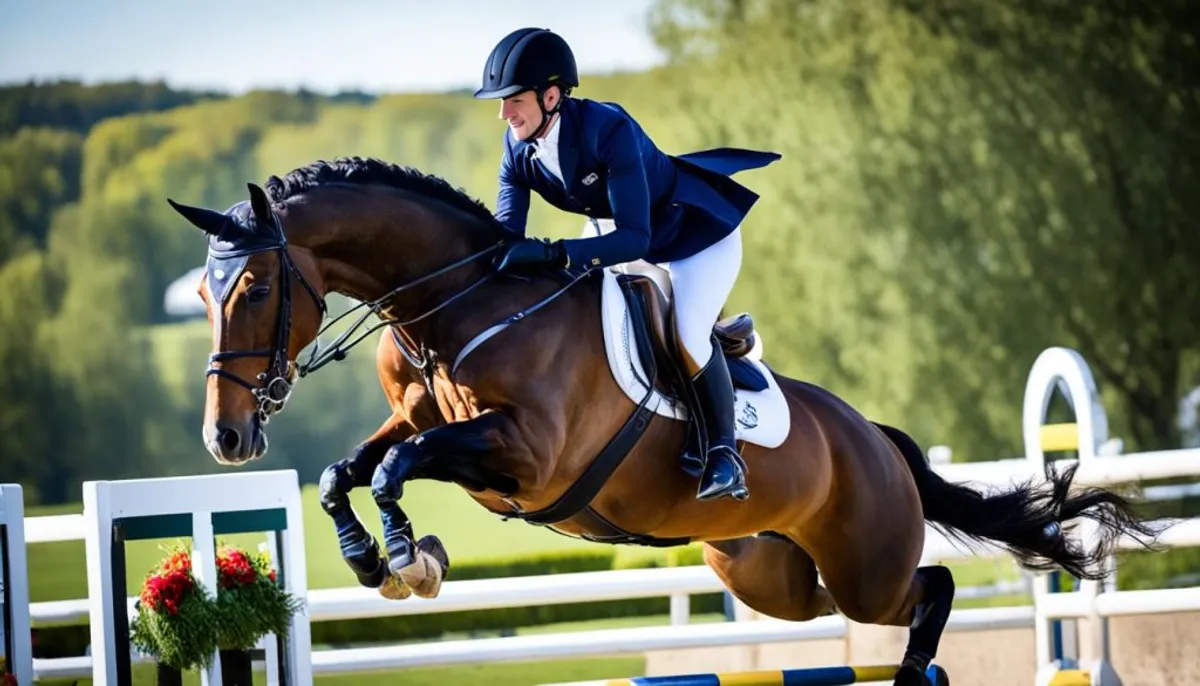
Main Lessons
- The importance of stillness at the mounting block for safety
- Techniques for preparing the horse to stay still
- Creating a positive association with the mounting block
- Mastering the preparatory exercises for the mounting block
- Progressing step by step towards safe mounting
The Importance of Stillness at the Mounting Block
The stillness of the horse at the mounting block is crucial in equestrianism. The horse must remain still for the safety of the rider. This requirement for stillness at the mounting block demands careful preparation of the horse.
Preparing the Horse to Stay Still
Before thinking about the mounting block, it is necessary to desensitize the horse to the presence of the rider. Getting the animal used to the proximity of the mounting block without moving is essential. The goal is to associate the mounting block with a moment of comfort for the horse.
Ground Desensitization Techniques
- Approach the horse calmly and pet it around the mounting block.
- Reward it with treats when it remains still.
- Repeat these exercises until the horse stays calm and still.
Ground preparation is key for the safety and well-being of the horse at the mounting block. It creates an atmosphere of trust and comfort. This is essential for successful stillness at the mounting block.
| Steps | Objectives |
|---|---|
| Ground Desensitization | Get the horse used to the rider's presence around the mounting block |
| Create a positive association with the mounting block | Make the mounting block a comfortable space for the horse |
| Reinforce stillness with frequent pauses | Reward and value the behavior of stillness |
Creating a Positive Association with the Mounting Block
It is crucial to build a trusting relationship with the horse so that it remains still at the mounting block. The goal is to transform the mounting block into a pleasant place. Thus, the horse will feel safe and relaxed.
Using the Mounting Block as a Comfort Space
Encourage the horse to stop near the mounting block without mounting it. Offer it pets and rewards. Over time, the horse will learn to see the mounting block as a moment of tranquility and comfort.
Reinforcing Stillness with Frequent Pauses
When mounting, take frequent pauses near the mounting block. Petting and praising your horse will reinforce its positive association with this spot. This will improve its stillness and calmness.
| Advantages | Disadvantages |
|---|---|
| Calm and confident horse at the mounting block | Requires time and patience |
| Mounting block perceived as a comfort space | May take longer to implement |
| Reinforces the stillness of the horse | Requires a regular and gradual approach |
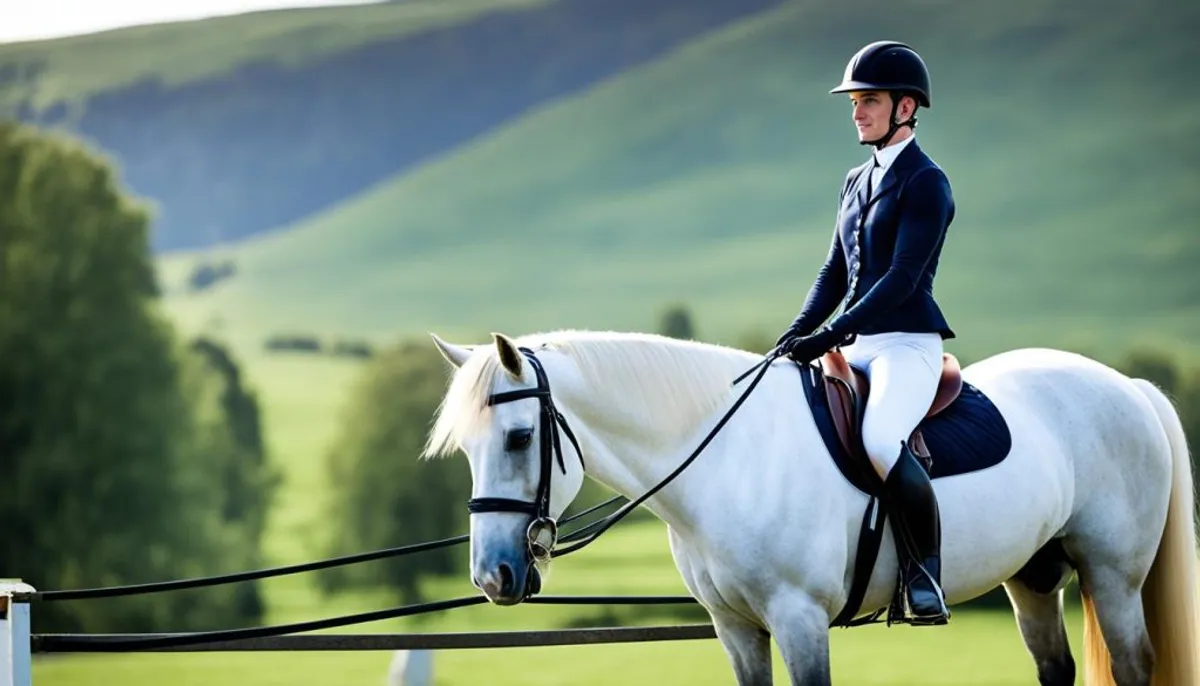
Mounting Block Equestrianism: Mastering Preparatory Exercises
Before working on stillness at the mounting block, it is essential to master certain preparatory exercises on the ground. These exercises prepare the horse and facilitate safe mounting.
Moving the Hips and Backing the Horse
Start by teaching your horse to move its hips. Use the pressure of your foot or hand to gently move it. This exercise helps with the horse's flexibility and responsiveness.
Also work on backing up to the pressure of the halter. Learn to make your horse back up by pressing the halter. This prepares the horse for the mounting block, allowing it to remain still.
Working on Lateral Flexion
Lateral flexion is crucial before mounting. Stand next to your horse and turn its head towards you with the reins. This will help you control the horse's head during mounting.
By mastering these exercises, you will be ready for the mounting block. Your horse will remain calm and responsive to your requests.
Progressing Step by Step Towards the Mounting Block
Starting with the mounting block without a saddle is a good idea. This helps the horse get used to the presence of the rider. Then, you can gradually add the elements of the saddle.
Starting Without a Saddle
Begin by lying across the back of the horse without a saddle. This allows the horse to get used to your presence without stress. The horse will learn to stay calm and still.
Gradually Adding Saddle Elements
- Once the horse is comfortable, gradually add the elements of the saddle. Ensure it remains calm.
- Start by touching the saddle, then shake the stirrups. Install them afterward. Each step must be well mastered.
- This method allows the horse to get used to it without stress. It strengthens the trust between the horse and the rider.
By following these steps, you will progress towards the mounting block safely. Each step reinforces the stillness and confidence of the horse. This method is essential for successful mounting.
Safety First
Safety is paramount when mounting a horse. A key point is to maintain the lateral flexion of the horse. This means turning the horse's head towards you to bring its attention back and control its movements.
Learning lateral flexion is crucial before mounting. This helps the horse get used to this position. It makes the horse calmer and you more secure.
Maintaining Lateral Flexion During Mounting
To stay safe, you must maintain the lateral flexion of the horse. This helps you control its head and avoid unexpected movements.
- Start by achieving lateral flexion on the ground, using positive rewards to reinforce this behavior.
- As you approach the mounting block, check that the horse maintains this flexion and adjust it if necessary.
- Maintain a slight pull on the rein throughout the mounting to keep control of the horse's head.
By mastering lateral flexion, you ensure a safe mounting. It is an essential skill for a calm practice of equestrianism.
Patience and Perseverance
Training the horse at the mounting block requires patience and perseverance. Each horse learns at its own pace. Therefore, it is important to take your time to ensure it is comfortable and confident.
Equestrianism is learned gradually, day by day. By being kind and working hard, the rider and their horse will become a perfect duo at the mounting block.
- Start by preparing the horse for stillness on the ground, using desensitization exercises.
- Then associate the mounting block with a comfort space, rewarding the animal after each session.
- Be vigilant in maintaining the lateral flexion during mounting to ensure everyone's safety.
With patience and perseverance, the rider and their horse will learn to work together. They will develop a strong trusting relationship. This is the key to successful mounting in equestrianism.
| Quality | Importance |
|---|---|
| Patience | Essential to give the horse time to adapt |
| Perseverance | Necessary to achieve stillness goals at the mounting block |

Conclusion
The mounting block in equestrianism is essential for both the horse and the rider. It takes time and specific techniques for the horse to remain still and safe. By following these tips, the rider will mount their horse with confidence and serenity.
It is important to remain still and create a positive association with the mounting block. Mastering the preparatory exercises and progressing slowly are key for safety. With patience and perseverance, the rider will achieve their goals and enjoy their riding sessions.
By following these tips, riders, whether beginners or experienced, will improve their skills. They will create a trusting relationship with their mount. This will make equestrianism more fulfilling and enriching.
FAQ
Why is the horse's stillness at the mounting block so important?
The horse's stillness at the mounting block is crucial for safety. It is important to properly prepare the horse to remain still. This starts with ground exercises to desensitize the horse. This prevents accidents and makes the experience enjoyable for everyone.
How to prepare the horse to stay still at the mounting block?
To help the horse stay still, make the mounting block comfortable and pleasant. Give it breaks next to the mounting block so it feels safe. Over time, the horse will learn to see the mounting block as a place of relaxation.
What preparatory exercises should be mastered before working on stillness at the mounting block?
Before working on stillness at the mounting block, master ground exercises. For example, make the horse move its hips and learn to back up to the pressure of the halter. Lateral flexion is also crucial for safe mounting.
How to progress step by step towards the mounting block?
Start by getting the horse used to the mounting block without a saddle. Then, gradually add the elements of the saddle. Work on stillness at each step, such as touching the saddle or shaking the stirrups. This allows the horse to understand each new step well.
What are the key elements to ensure safety during mounting?
Safety is essential at the mounting block. Keep the horse's head turned towards you for lateral flexion. This helps bring the head back and avoid feet in case of unexpected movement.
What advice for being patient and persevering in training the horse at the mounting block?
Training at the mounting block requires patience and perseverance. Each horse learns at its own pace. Take the necessary time for the animal to feel comfortable. By remaining patient and kind, you will achieve a horse that is still at the mounting block.