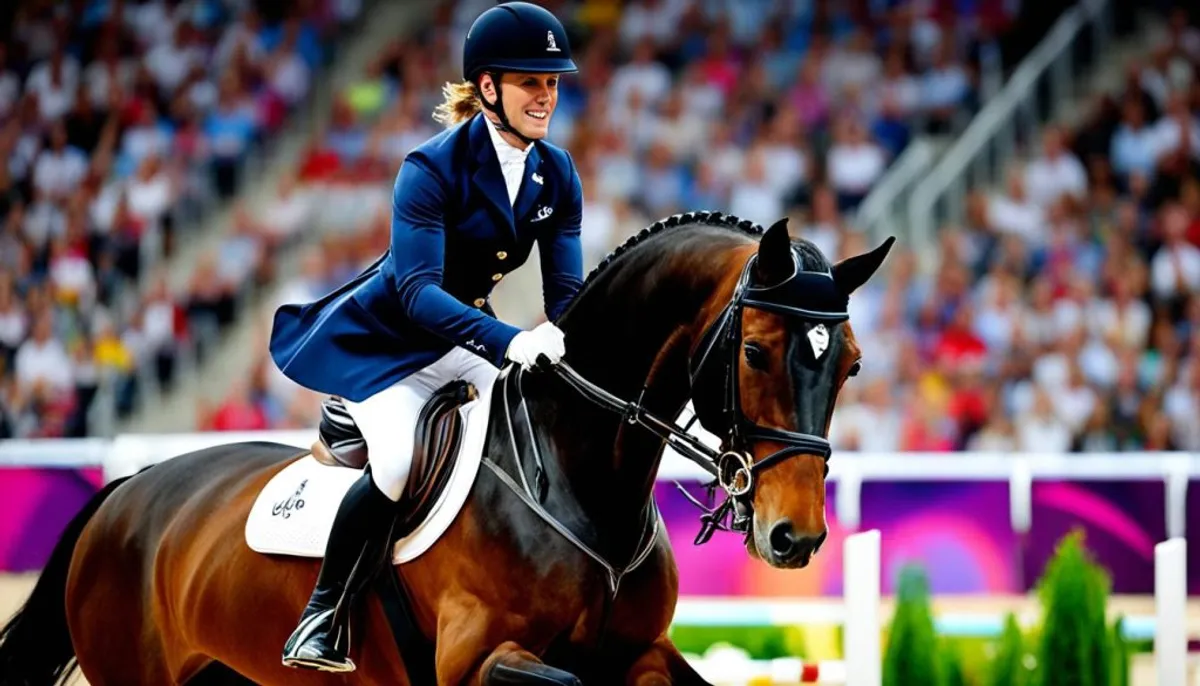
Para-equestrianism is a remarkable Olympic discipline. It combines the beauty of equestrian sports with the courage of disabled athletes. These athletes, aided by their horses, compete at a high level despite physical challenges. Their rigorous preparation, touching stories, and the use of new technologies mark the history of this sport. All these elements allow para-equestrianism to stand out at the Paralympic Games.
Main Ideas to Remember
- Para-equestrianism combines passion and challenge for Paralympic athletes
- Paralympic riders train intensively with their competition horses
- Technologies and adaptive equipment enable inclusive practice of equestrianism
- The inspiring stories of Paralympic equestrian athletes serve as motivation
- Para-equestrianism has a promising future at the Paralympic Games
Introduction to Para-equestrianism at the Olympic Games
Para-equestrianism is unique in the Paralympic sports. It fascinates many, showing how passion and determination can overcome obstacles. Competitors, despite their disabilities, compete in Paralympic equestrian competitions to reach the Paralympic Games.
The Passion for Para-equestrianism
For Paralympic equestrian athletes, riding goes beyond just a sport. It is a way of life. Their bond with horses drives them to overcome their limits. In disciplines such as dressage, show jumping, or eventing, their passion is remarkable.
The Challenge of Competing at the Paralympic Games
Being at the top in Paralympic equestrian sports is a significant challenge. These athletes must overcome physical barriers. Additionally, they compete in an arena filled with talent. Participating in an Olympic event requires immense work and courage.
Para-equestrianism jo, the Paralympic Equestrian Athletics
Equestrianism is a key element of Paralympic equestrian sports. It allows athletes with disabilities to compete at a high level. This practice combines the beauty of dressage with the challenges of the Olympic Games.
Para-equestrianism inspires Paralympic athletes. They find fulfillment in a challenging and exciting sport.
The Paralympic equestrian competitions showcase riders facing unique obstacles. Their perseverance and horse control impress, inspiring future athletes with disabilities.
The Paralympic Games provide an opportunity for these exceptional riders to shine. They draw global attention to para-equestrianism.
Every medal is earned through dedication and love for this sport.
Para-equestrianism goes beyond just a sport. It promotes inclusion and well-being for people with disabilities. This sport helps them overcome obstacles, gain confidence, and feel accepted in the sports community.
At the Paralympic Games and local competitions, para-equestrianism continues to captivate audiences. It celebrates the tenacity, courage, and excellence of these exceptional athletes.
Preparations and Training for the Olympics
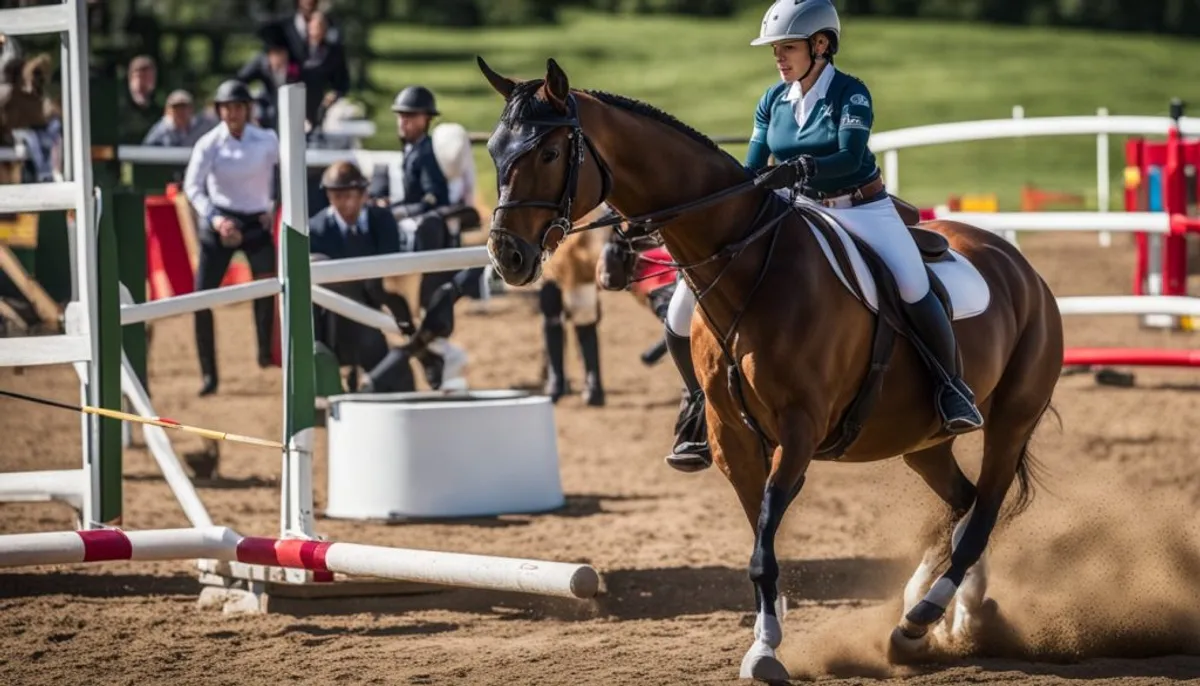
Paralympic riders train extensively for Paralympic equestrian competitions. They have regular sessions where they ride and work with their horses on the ground. The goal is to stay fit.
The coaching team is very important. It includes experts in training, nutrition, and sports medicine. They assist athletes throughout their preparation.
The Intensive Training of Paralympic Riders
Athletes spend hours training and improving their riding skills. They also work on developing their strength and balance through specific exercises.
They simulate competitions to better prepare for the Olympics. All these efforts aim to reach the highest possible athletic level.
The Crucial Role of Competition Horses
Horses are essential to the success of Paralympic riders. They have a lot of experience and are well-suited to the needs of each rider.
The choice of horse is based on the rider's needs and disabilities. The connection between the rider and their horse is crucial for success in para-sports.
The Unique Challenges of Paralympic Riders
Para-equestrianism at the Paralympic Games presents a special challenge for riders. In addition to the skills and strength required, they must overcome challenges related to their disabilities. This demonstrates the strength of their determination.
Paralympic riders possess incredible mental strength. Their unwavering will helps them overcome obstacles, making them role models for everyone.
Overcoming Technical and Physical Challenges
Paralympic riders must be technically strong and in great physical shape. They adapt their riding style to account for their limitations. This requires a lot of work and great harmony with their horse.
Dealing with Disability-Related Constraints
Paralympic riders face particular challenges due to their disabilities. Whether it’s moving or maintaining balance, they constantly adjust their equipment and techniques. Their ability to adapt is essential to their success.
| Challenges Faced by Paralympic Riders | Adaptation Strategies |
|---|---|
| Motor limitations | Use of adaptive saddles, specialized riding techniques |
| Balance issues | Stabilizing equipment, intensive balance exercises |
| Sensory problems | Visual and auditory aids, adapted communication with the horse |
Despite their challenges, Paralympic riders have extraordinary mental strength. Their determination and courage make them examples of resilience and sporting excellence.
The Inspiring Stories of Paralympic Equestrian Athletes
The world of para-equestrianism shines thanks to incredible athletes. Two of them stand out for their dedication to overcoming obstacles. Their stories motivate all Paralympic equestrian athletes to reach further in their aspirations.
Chiara Zenati, the Olympic Hope in para-dressage
Chiara Zenati, at 21 years old, has made her mark in para-equestrianism with her talent. Born with right hemiplegia, she placed fifth at the Tokyo 2020 Games. Now, her goal is to win gold at the Paris 2024 Games. Chiara and her equine partner, Swing Royal, train hard every day. Her story shows that nothing stops those who are passionate and determined, even in the face of disability.
Céline van Till, reborn after a serious accident
Céline van Till has lived an extraordinary journey. A horse riding accident in 2008 left her in a coma. Afterwards, she had to relearn everything, starting with her passion, para-equestrianism. Despite the challenges, she surpassed herself to shine at the Rio 2016 Games. Her story of rebirth is an inspiration for Paralympic equestrian athletes worldwide.
Adaptive Equipment and Technologies for Equestrianism
Para-equestrianism is growing rapidly. It utilizes special equipment. This equipment helps riders with disabilities practice their sport. Adaptive saddles are very important for para-equestrianism.
Specialized Saddles for Disabled Riders
Custom-made saddles from the French Saddlery provide maximum comfort. They help Paralympic riders shine during para-equestrian competitions at the Olympics. These saddles meet the unique needs of each rider.
Adaptive saddles come with advanced features. They include support systems and balance aids. These characteristics help para-equestrian riders stay in the saddle and control their horses. The technologies for para-equestrianism are crucial. They allow Paralympic athletes to focus on their performance.
| Features of Adaptive Saddles | Benefits for Disabled Riders |
|---|---|
| Enhanced support | Improved stability and balance |
| Integrated balance aids | Facilitated control of the mount |
| Special accessories | Personalized adaptations to each rider's needs |
These adaptive equipment allow para-equestrian riders to focus on their practice. They help push the limits of their sport. Thus, they inspire people around the world.
The Future of Para-equestrianism and the Paralympic Games
Para-equestrianism is gaining popularity, showing a keen interest in paralympic sports. Since its inclusion in the Paralympic Games in 1996, its future looks bright. And with its evolution within the French Equestrian Federation since 2017, the future of equestrian sports for the disabled seems promising.
New technologies, improvements in training and competitions, and public support are greatly helping. These elements assist athletes in surpassing themselves and becoming role models in the sports world. Para-equestrianism is thus becoming more accessible and well-known, providing great opportunities for disabled riders.
Advancements in adaptive equipment, such as special saddles and assistive tools, make practice easier for disabled athletes. Additionally, training and support for coaches enhance the guidance of para-equestrian riders.
In the coming years, para-equestrianism jo could gain more recognition in the Olympic and Paralympic world. The successes of athletes, the efforts of federations, and public support will contribute to this. This sport will then inspire more and more riders with disabilities.
This positive growth places para-equestrianism at the heart of the Paralympic Games. This sport thus ensures recognition and development for athletes aiming for excellence.
Conclusion
Para-equestrianism at the Olympic Games demonstrates how athletes with disabilities can succeed at a high level. They show passion, determination, and rely on dedicated professionals. These Paralympic heroes motivate millions of people around the world.
Athletes like Chiara Zenati and Céline van Till offer inspiring stories. Para-equestrianism proves that everyone, even with a disability, can live their passion. It reflects the strength of the human spirit and the importance of inclusion in sports, including paralympic equestrian sports.
Adaptive equestrianism opens doors for these athletes, helping them reach new heights. Their perseverance and strength motivate us to overcome our challenges and love the sport.
FAQ
What is para-equestrianism?
Para-equestrianism is very stimulating. It combines the challenge of Olympic competition with the determination of disabled athletes. The rider and their horse form a team. They perform graceful and technical movements despite physical challenges.
What challenges do Paralympic riders face?
Paralympic riders have specific challenges. In addition to the technical and physical difficulties of riding, they have their own limitations. They must constantly adapt their techniques and equipment. However, they show incredible determination to overcome these obstacles.
What are the inspiring stories of Paralympic equestrian athletes?
Chiara Zenati, at only 21 years old, has proven her talent despite her right hemiplegia. Céline van Till overcame a serious accident to reach the top of para-dressage. These stories show how passion and determination can overcome the challenges of disability.
What role do adaptive equipment and technologies play in para-equestrianism?
Specialized equipment is crucial in para-equestrianism. They help riders practice their sport in the best way possible. Adaptive saddles provide essential support and comfort for Paralympic riders.
What is the future of para-equestrianism and the Paralympic Games?
Para-equestrianism is rapidly growing, showing increasing interest. Since 1996, it has been part of the Paralympic Games. And since 2017, it has been developing in France. Technical advancements, better training conditions, and public support will allow athletes to surpass their limits. They will continue to inspire the sports world.