
The riding reins are very important for communicating and controlling the horse. Choosing the right reins changes the riding experience. This guide aims to help riders find the reins that meet their needs. We will look at the different types of reins, how to choose them, and the best brands.
Main Findings
- The riding reins are a key element for communicating with the horse and guiding it.
- This guide aims to help riders choose the most suitable reins for their discipline and preferences.
- The different types of reins (leather, rubber, braided, elastic) offer specific advantages and disadvantages.
- The choice of reins depends on factors such as material, attachment system, and grip.
- Regular maintenance of the reins is essential to ensure their durability and proper functioning.
Introduction
The reins are more than just an accessory. They are a means of communication between the rider and the horse. They help guide, control speed, and influence the horse's posture.
Using the reins requires finesse and sensitivity. This creates a relationship of trust and respect between the rider and the horse.
Importance of Reins in Communication with the Horse
The reins are essential for communicating with the horse. They allow for the transmission of subtle and nuanced signals. This ranges from encouragement to correction, including requests for changes in direction or speed.
Proper use of the reins enhances understanding between the rider and the horse. This makes riding more harmonious and safe.
Guide Objective: Helping to Choose the Right Reins
This guide aims to explore the different types of riding reins. It examines their characteristics and advantages. The goal is to help riders choose the best accessory for their discipline, level, and preferences.
By understanding the specifics of each type of reins, readers will be better equipped. They will be able to choose the most suitable accessory for their needs and their relationship with their horse.
The Different Types of Riding Reins
Choosing the right reins for your horse is crucial. There are several interesting options, each with its advantages. Let's look at the main categories of riding reins and their characteristics.
Leather Reins
Leather reins are very popular. Leather provides a good grip and a pleasant feel. They are elegant and durable, preferred by many riders.
Rubber Reins
Rubber reins are ideal for wet conditions. Their textured surface ensures a secure grip. They are perfect for show jumping and eventing.
Braided Reins
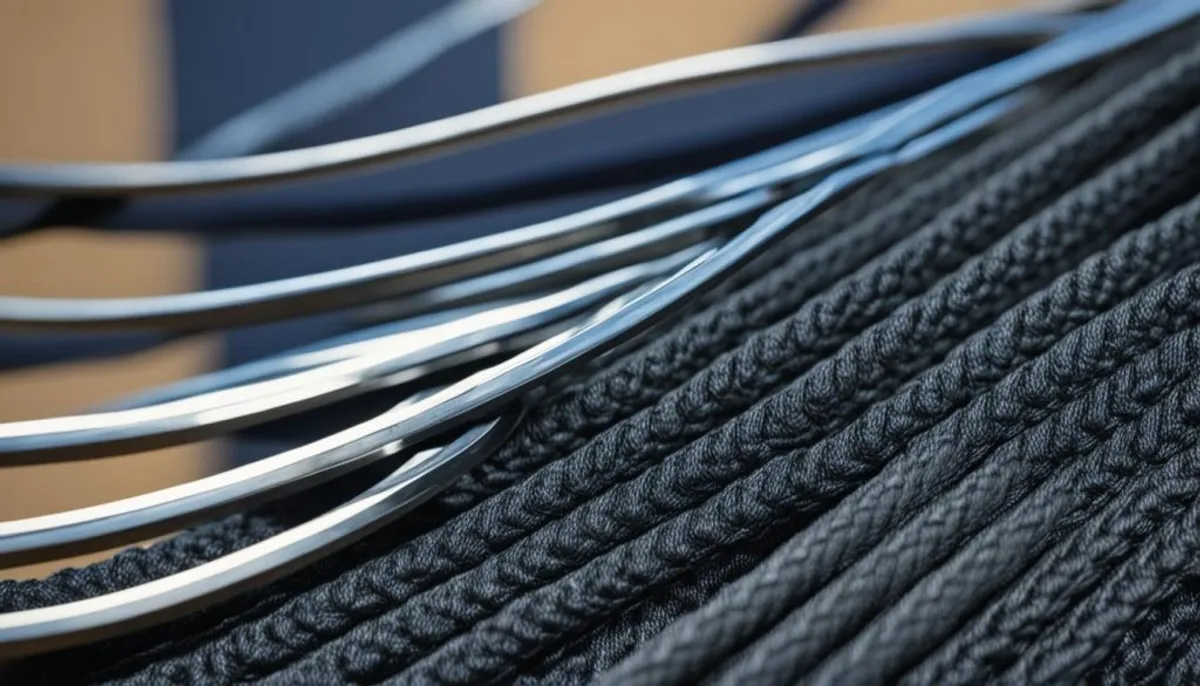
Braided reins, or reins made of rope, are made from synthetic or natural fibers. They offer excellent grip and durability. They are appreciated in western riding and ethological riding.
Elastic Reins
Elastic reins have an elastic segment for more flexibility. They reduce pressure on the horse's mouth. They are favored by riders of all levels.
| Type of Reins | Material | Characteristics | Popular Disciplines |
|---|---|---|---|
| Leather Reins | Leather | Excellent grip, pleasant feel, great durability | All disciplines |
| Rubber Reins | Rubber | Maximum grip, non-slip textured surface | Show jumping, eventing |
| Braided Reins | Synthetic or natural fibers | Superior grip, excellent durability | Western riding, ethological riding |
| Elastic Reins | Integrated elastic segment | Flexibility, reduced pressure on the mouth | All disciplines |
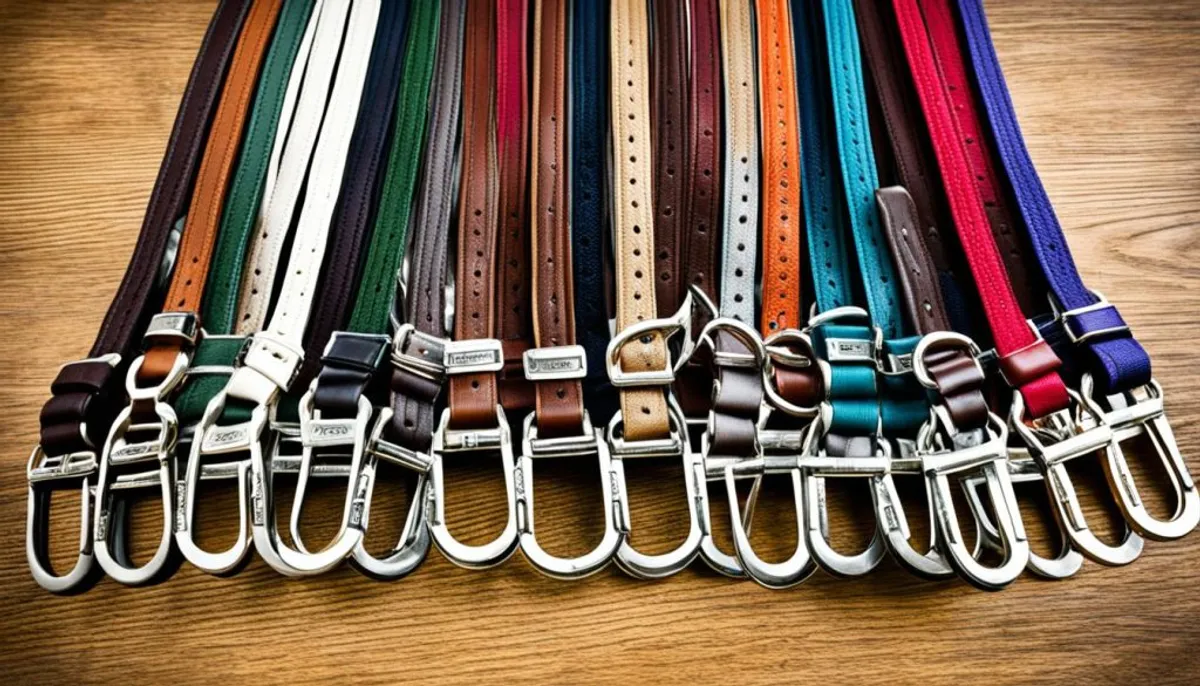
Each type of reins has its advantages. It is crucial to choose based on needs and practice level. This optimizes comfort and communication with the horse.
Choosing Reins According to Discipline
Choosing the right reins is crucial for your equestrian discipline. Each practice has its specific needs. Dressage, show jumping, and western riding require appropriate reins to communicate with the horse.
Reins for Dressage
Dressage demands precision and subtlety. Smooth leather reins are ideal. They offer a refined feel and precise communication with the horse. This allows the rider to convey subtle signals.
Reins for Show Jumping
Show jumping prefers rubber reins. Their textured coating provides additional grip. This helps the rider maintain a firm hold during jumps.
Reins for Western Riding
In western riding, rope or braided leather reins are common. They are lightweight and flexible, allowing for the transmission of subtle signals. This method is essential for smooth and discreet communication.
| Discipline | Recommended Type of Reins | Characteristics |
|---|---|---|
| Dressage | Smooth leather reins | Refined feel, precise communication |
| Show Jumping | Rubber reins | Additional grip, firm hold |
| Western Riding | Rope or braided leather reins | Lightweight, flexibility, subtle signals |
Criteria for Choosing Riding Reins
The choice of material (leather, rubber, rope, etc.) and the texture of the reins greatly influence grip, durability, and feel in the rider's hands. It is therefore essential to select reins that match your personal preferences and equestrian discipline.
Material and Texture
Leather reins offer a luxurious and robust feel but require regular maintenance. Rubber reins are more flexible and provide a better grip, ideal for dynamic disciplines. Braided reins provide a unique texture and great durability. Finally, elastic reins offer some flexibility and increased comfort for the rider.
Attachment System
The attachment system of the reins (buckles, clips, quick releases, etc.) must fit properly to your bit and provide maximum safety. This system should be easy to use and adjust while ensuring the stability of the reins during use.
Grip Reins
Grip reins, with a special coating or texture, provide additional grip for better control, especially in difficult weather conditions or dynamic disciplines like show jumping.
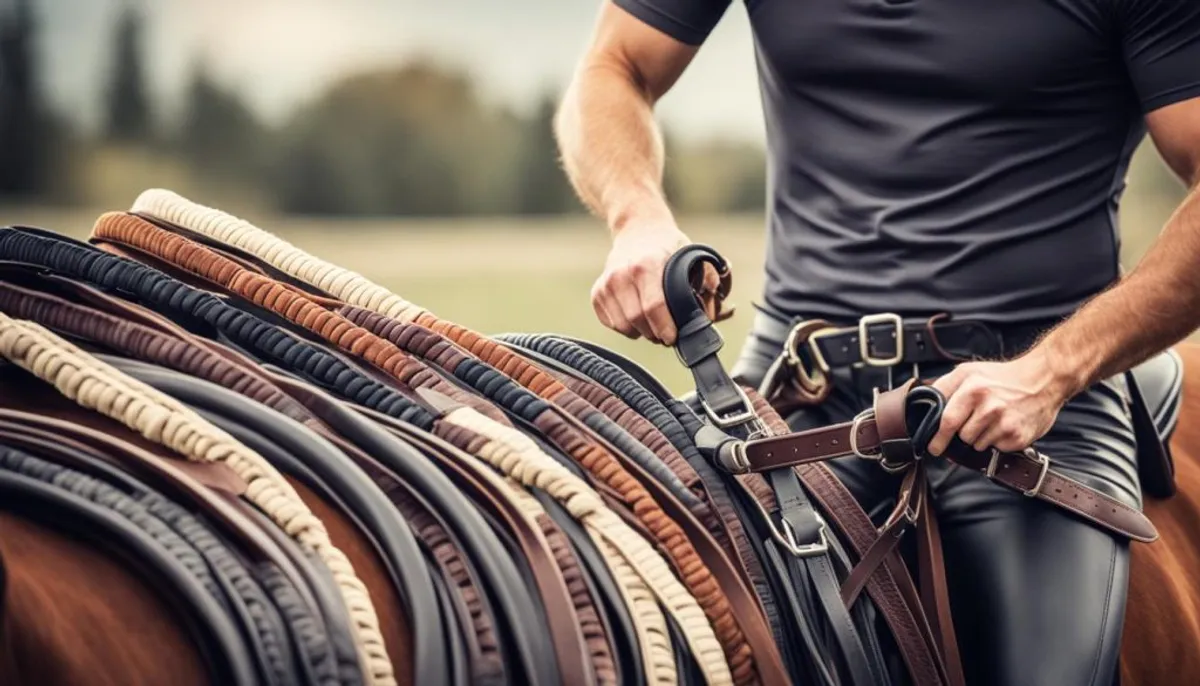
Ultimately, the choice of reins should be carefully considered based on your needs, preferences, and equestrian discipline to ensure optimal communication with your horse.
Reins Maintenance
Taking care of your riding reins is crucial to keep them useful and performing for a long time. Regular cleaning is essential. Use a soft brush and a damp cloth to keep the reins clean and supple.
Regular Cleaning
Leather reins require special care. Apply an appropriate maintenance product such as soap, balm, or oil. This will keep them supple and prevent them from becoming brittle.
Softening and Hydrating Leather
- Use a soft, damp cloth to gently clean the leather reins.
- Then apply a leather maintenance product (soap, balm, or oil) to nourish and soften them.
- Let the product soak in for a few minutes before wiping off the excess.
- Repeat this treatment regularly to preserve the suppleness and longevity of your reins.
By taking care of your riding reins, you will make them last longer. You will also improve your communication with your horse.
Conclusion
Choosing the right riding reins is crucial for good communication with your horse. You need to consider the different types, selection criteria, and discipline tips. This way, you will find the perfect equipment for your needs and equestrian practice.
There are many types of reins, such as leather, rubber, braided, or elastic. Each is suited to a specific rider and activity. Ensure the quality of materials, attachment, and comfort. This will help you better control your horse and have an enjoyable riding experience.
It is important to properly maintain your reins, such as cleaning and preserving the leather. This will extend their lifespan and keep their performance. With these tips, you will be able to choose the ideal reins for your riding. This will help you have a harmonious relationship with your horse.
FAQ
What is the importance of reins in riding?
The reins are crucial for communicating and controlling the horse. They help guide, regulate speed, and influence posture. Using the reins requires finesse and sensitivity to create a relationship of trust and respect.
What are the different types of riding reins?
The types of reins vary:
– Leather reins offer a pleasant grip and feel, with a long lifespan.
– Rubber reins are ideal for wet conditions, thanks to their maximum grip.
– Braided reins, made from synthetic or natural fibers, offer exceptional grip and durability.
– Elastic reins combine an elastic segment for more flexibility and less pressure on the horse's mouth.
How to choose reins suitable for your equestrian discipline?
The choice of reins varies by discipline:
– In dressage, smooth leather reins are preferred for their refined feel and precision.
– In show jumping, rubber reins are chosen for their grip.
– In western riding, rope or braided leather reins are appreciated for their lightweight and flexibility.
What criteria should be considered when choosing reins?
Important criteria include:
– The material and texture influence grip, durability, and feel.
– The attachment system must fit the bit for optimal safety.
– Grip reins, with a special coating or texture, provide additional grip.
How to maintain riding reins?
Regular maintenance is crucial:
– Cleaning with a soft brush and a damp cloth.
– For leather reins, apply a specific maintenance product to keep them supple and durable.