
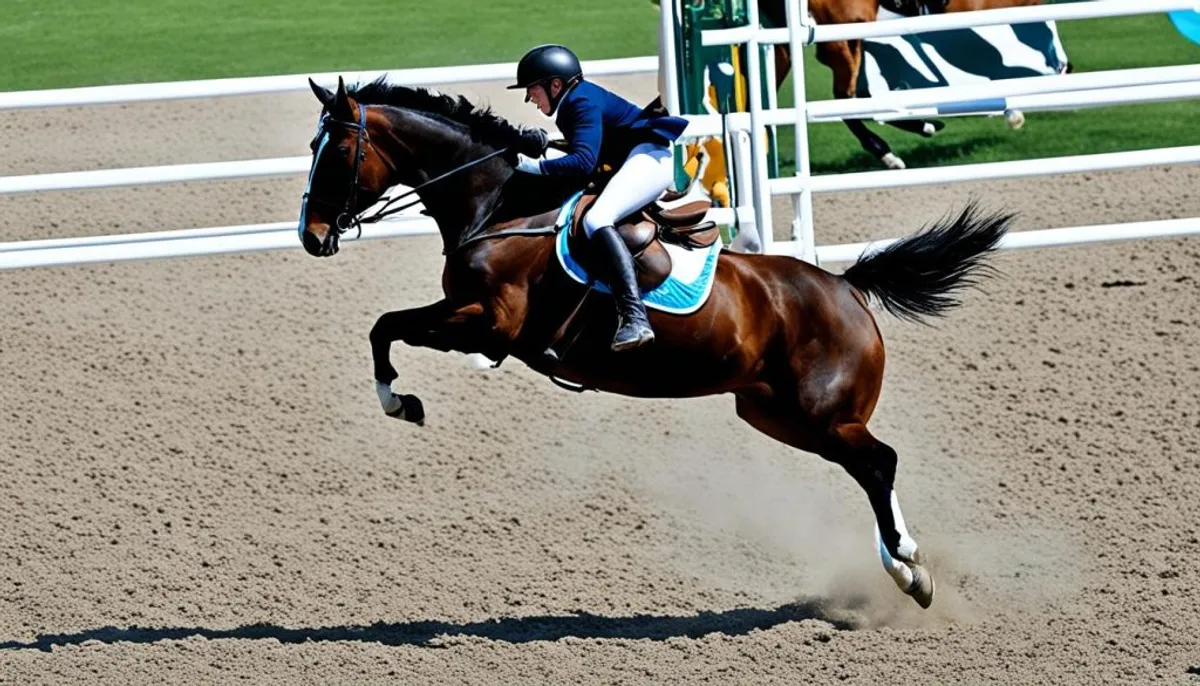
Horse riding is a very fun action sport. However, falling off a horse can cause injuries. To avoid these risks, you need to know the right gestures and have the appropriate equipment. This will allow you to fully experience your passion for horse riding safely.
Main points to remember
- Understand the common causes of falls in horse riding
- Discover essential protective equipment
- Learn techniques for a less dangerous fall
- Know the best safety practices in the arena
- Adopt a safety culture for a calm practice
The importance of prevention to avoid falls in horse riding
According to data, falling off a horse or handling one can cause a lot of harm. Common injuries include sprains and fractures. Therefore, we must act to protect ourselves as best as possible.
Statistics on the most common injuries
What are the most common injuries in horse riding? Here are some examples:
- Concussions: 20% of cases
- Sprains: 25% of cases
- Fractures: 15% of cases
- Horse bites: 10% of cases
Preventive behaviors to reduce risks
There are simple things you can do to decrease accidents:
- Wear a safety helmet every time you ride.
- Be guided by a qualified pro to learn safety.
- Maintain your equipment regularly to keep it reliable.
- Master the right tactics for falling without serious injury.
- Follow safety guidelines on and off the horse.
These preventive actions help riders reduce dangers. They can thus enjoy horse riding more safely.
Essential safety equipment for secure practice
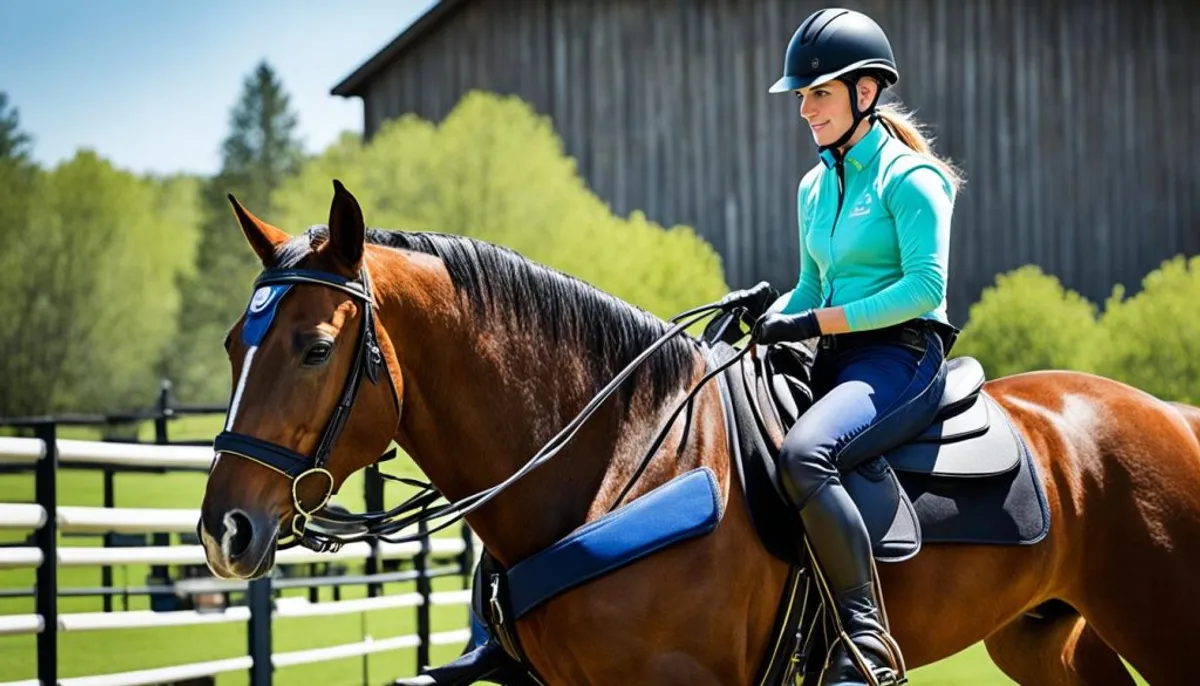
Safety is very important when riding. The riding helmet is crucial. It must meet current safety standards and fit well. This way, it protects your head and neck well if you fall.
The riding helmet: protecting your most valuable asset
The helmet is vital for your head. It follows strict rules to be effective. In France, follow the SNELL and CE standards for optimal head protection.
The protective vest: an extra layer against falls
The riding protective vest adds safety for the rider's body. It can be airbag type or rigid. Standards like those from BETA ensure their quality.
Proper riding gloves, boots, and footwear
Wear the right riding gloves, boots, and footwear for better grip and protection. This helps keep hands and feet safe. It also promotes a good position in the stirrups.
Buying quality safety equipment builds confidence. It allows you to focus on riding. Think about head protection, the protective vest, and your hands and feet. This reduces dangers in case of a fall.
Tips for a safe approach with the horse
Horses are often gentle, but they can act unpredictably. That’s why it is vital to follow safety rules around them. This avoids the risk of accidents.
Safety rules to follow on the ground
- Never scare a horse. Always approach it gently.
- Keep an eye on your surroundings and never leave it alone with children.
- Learn to handle horses correctly for their safety and yours.
- Be attentive to signs a horse may show when it is stressed or nervous.
Techniques for a less dangerous fall
Falls are part of the risk in horse riding. However, there are ways to minimize injuries. Instead of falling heavily, try to master the art of cushioning. This means trying to roll slightly when falling to reduce the impact.
The idea is to protect yourself on the ground to avoid serious injury. With practice, these tips for falling safely can become second nature.
Horse riding fall: Safety in the arena and its environment
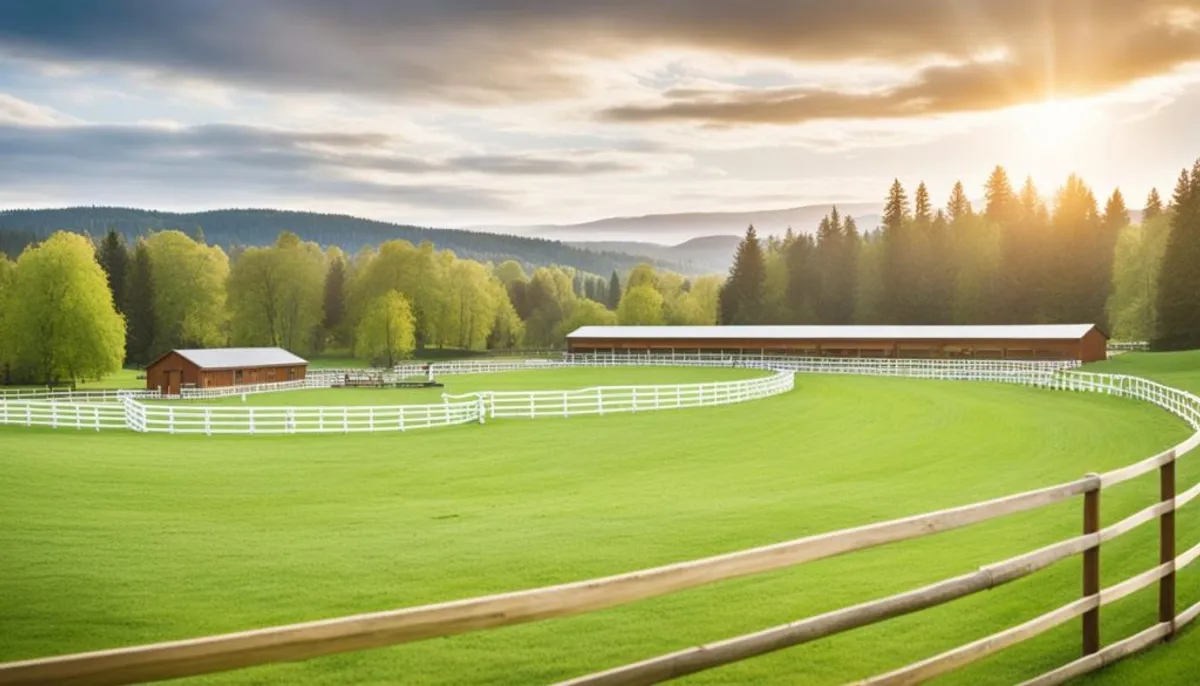
Preventing falls is essential in horse riding. The arena surface is very important. It helps avoid serious injuries. Ensure that the surface is suitable for horse riding and receives regular maintenance.
The importance of a suitable and well-maintained surface
Choosing the right arena surface is crucial. Cushioning surfaces, like sand, or soft materials, reduce the risk of injuries. The surface must also be regularly maintained. Level it and add new materials to keep it in good condition.
Fences and gates: preventing accidents
The arena fences and secure entry gates are also important. They protect people from falls or going off track. The fences should be sturdy and the gates clearly visible. This makes the place safe for everyone.
| Element | Importance for safety |
|---|---|
| Arena surface | Cushioning surfaces, regular maintenance to maintain good conditions |
| Arena fences | Designed and installed to protect riders in case of a fall |
| Entry gates | Secured and clearly marked to ensure public safety |
Properly designing and maintaining the riding arena greatly helps in accident prevention. This ensures the protection of the public and riders. A safe arena allows for a calm practice of horse riding.
Supervision and guidance: a key safety factor
Supervision by professionals is essential for safety on horseback. Especially for newcomers and young riders. Studies show that without guidance, the risk of injury is higher.
Trained instructors supervise for a risk-free learning experience. They teach how to mount, steer, and control the horse. Thus, the risks of falling or getting injured decrease.
This supervision ensures attentive oversight and quick assistance in emergencies. Instructors respond quickly to dangers to prevent accidents.
All activities, from lessons to competitions, are safer with professionals around. Their knowledge and experience especially protect less experienced riders.
Conclusion: Adopting a safety culture to fully enjoy
In horse riding, adopting a safety culture allows riders to pursue their passion calmly. This reduces the risk of accidents. Good safety equipment, adherence to rules, and knowing how to fall safely are key to practicing with peace of mind.
With a proactive attitude and preventive measures, riders can ride confidently. A well-maintained surface, secure barriers, and qualified instructors help maintain a safe environment.
This approach helps riders enjoy all the benefits of horse riding while minimizing dangers. Therefore, practicing safely promises a rewarding and lasting equestrian experience.
FAQ
What are the most common types of injuries in horse riding?
According to research, falls and interactions with horses are the sources of common injuries. These incidents can cause various injuries, including sprains and bites.
What are the best practices to prevent falls and injuries in horse riding?
It is recommended to always wear a helmet and have professional guidance. Also, maintain equipment in good condition and learn how to fall correctly.
Additionally, always follow safety rules, whether on the ground or riding.
What are the most important safety equipment for horse riding?
The helmet, protective vest, gloves, boots, and footwear are vital for safety. They must be approved by safety standards and fit well.
What safety rules should be followed around horses?
Horses are inherently unpredictable, so avoid startling them. Stay aware of their surroundings and never leave them unsupervised with a child.
What techniques can make falls less dangerous?
You can learn ways to fall that reduce risks. For example, it’s better to roll on the ground after a fall than to land directly on your shoulder.
What role does the arena environment play in accident prevention?
The quality of the surface, fence, and gate is vital for safety. These elements must be well-maintained to ensure the protection of riders and the public.
Why is supervision by professionals so important in horse riding?
Having professionals nearby, especially for beginners and juniors, is crucial. Studies have shown that there are fewer injury risks when supervised in an arena.