
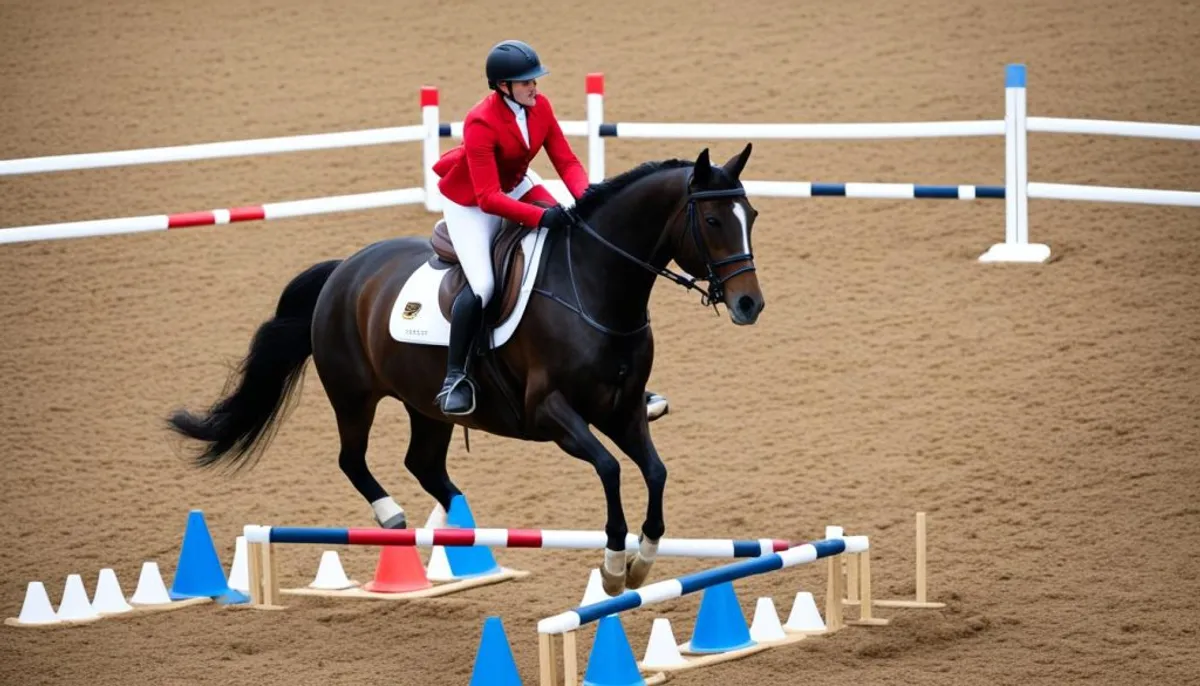
Working equestrian maneuverability creates a strong connection between the rider and their horse. This activity greatly assists in dressage. It improves the horse's obedience and control of movements while riding. We will show you important techniques and tips for success. This will help you communicate better with your horse.
Main takeaways
- Working maneuverability in equestrianism is essential for developing a close connection with your horse
- This discipline helps improve equine obedience and control of the horse's movements
- The techniques and tips presented in this section will help you progress in maneuverability work
- Communication and trust between the rider and the horse are essential for good maneuverability
- The horse's balance also plays a crucial role in its maneuverability
Introduction to maneuverability work in equestrianism
Maneuverability is essential in equestrianism. It allows the rider to guide the horse with precision. This strengthens the bond and trust between them. Thus, they can perform better in various equestrian activities.
Why is maneuverability important?
Working on maneuverability allows for fine communication between the rider and the horse. This makes movements smoother. The rider can also easily perform complex actions.
The benefits of good maneuverability work
- Increases safety and control
- Strengthens horse-rider trust
- Improves performance in competitions, especially in dressage and show jumping
- Reduces horse fatigue through better communication
- Makes riding more enjoyable for the rider
Working on maneuverability is crucial. It helps the rider form a strong relationship with their horse. They perform better in various equestrian activities.
Working equestrian maneuverability: The basics to master
Learning to master working equestrian maneuverability allows for perfect communication with the horse. This is achieved by perfecting equestrian techniques. It is essential to know how to perform certain exercises to increase maneuverability. These exercises include transitions and changes of pace.
Training techniques to improve maneuverability
To improve your horse's maneuverability, start with the basics. Learning to use aids precisely is crucial. By perfecting your balance and being patient, you will see improvements. Exercises such as half-turns and changes of direction are very helpful.
Exercises for transitions and changes of pace
Transitions and changes of pace are key for maneuverability. Practice fluid transitions between different gaits. This exercise increases your horse's responsiveness.
Exercises for tight turns and required figures
To improve maneuverability, work on tight turns and required figures. Make precise changes of direction and tight half-turns. These exercises improve your horse's positioning and its reaction to your commands.
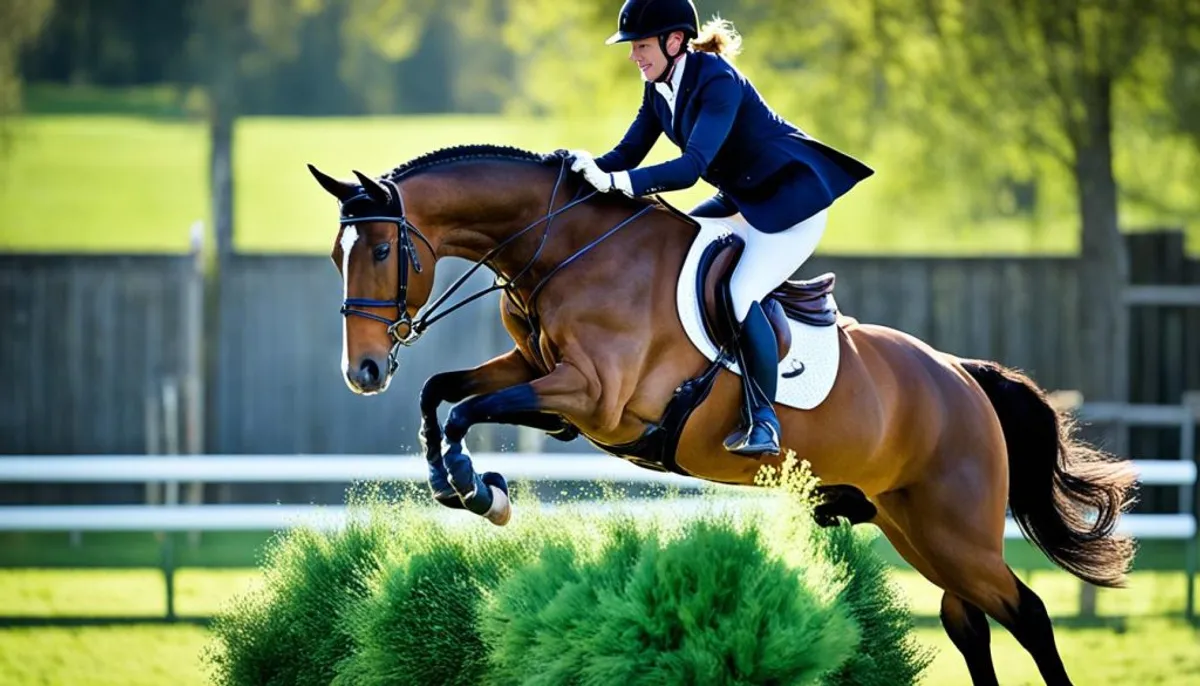
As you advance in these practices, your horse will become more maneuverable. This is essential for progressing in working equestrianism.
| Exercise | Objective | Benefits |
|---|---|---|
| Half-turns, changes of direction | Refine control and responsiveness | Develops maneuverability and precision of movements |
| Fluid transitions between gaits | Modulate speed and responsiveness | Improves sensitivity and horse-rider communication |
| Tight turns, required figures | Work on positioning and responsiveness | Refines control and maneuverability in movements |
Communication with the horse for better maneuverability
In equestrianism, communication between the horse and rider is key. It helps to create an important trust partnership. Thus, the horse's maneuverability is much better.
Importance of subtle and discreet aids
It is crucial to avoid using overly strong aids with the horse. The rider should prioritize barely perceptible aids. These light signals, such as small body movements or gentle leg touches, are effective. They allow you to guide the horse without stressing it.
Developing trust and the horse-rider partnership
- Building a trust bond is essential for maneuverability.
- Understanding the horse's needs and adapting to them is important.
- Thus, a true partnership between the horse and rider allows for excellence.
| Key elements | Benefits for maneuverability |
|---|---|
| Subtle and discreet aids | Fluid and precise responses from the horse |
| Mutual trust | Harmonious horse-rider partnership |
| Understanding the horse's needs | Rider adaptation for optimal maneuverability |
Mastering subtle aids is an art. And building a trust relationship with your horse is crucial. This leads to great ease in riding and a strong bond with your horse.
Adjusting the horse's balance for more maneuverability
The balance of the horse is vital for its movement in equestrianism. A stable horse turns and moves forward effortlessly at the rider's request. This helps in turns, speed changes, and exercises in the arena.
Several factors are important for keeping the horse straight:
- The way weight is distributed on the legs.
- The back's ability to move.
- The harmonization of steps.
- Being agile and consistent in movements.
When the rider helps the horse to do these things better, their balance improves. This increases maneuverability. Light exercises, strength training, and transitions greatly help.
| Balance elements | Recommended exercises |
|---|---|
| Weight distribution | Changes of direction, stops, backing up |
| Back flexibility | Lateral movements, stretching exercises |
| Coordination of movements | Arena figures, transition exercises |
| Lightness of gaits | Groundwork, long lining |
By learning to manage these elements, the rider improves the horse's ability to move. This makes them more competitive in competitions or dressage.
Maneuverability and equestrian competitions
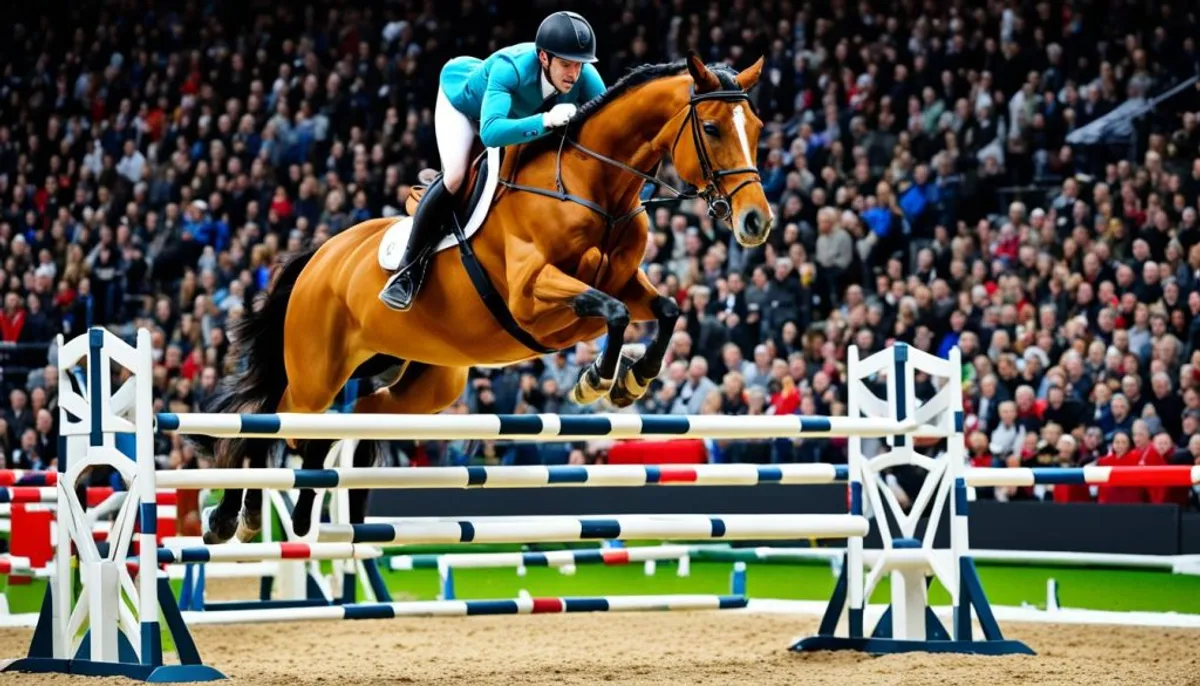
Working equestrianism emphasizes maneuverability. This is crucial in many horse competitions. We will see how maneuverability assists in dressage and show jumping.
Maneuverability in dressage tests
Dressage requires great maneuverability from the horse. Judges look for fluidity in the movements of both horse and rider. They also seek precision in the various figures.
Good control of maneuverability allows for technical sequences. These movements must be executed with ease and grace to impress the judges.
Maneuverability in show jumping tests
In show jumping, the horse's maneuverability is key for jumping well. It must be able to change direction quickly, make tight turns, and jump without hesitation. These skills help the rider guide their horse precisely on the course.
| Discipline | Importance of maneuverability | Key skills |
|---|---|---|
| Dressage | Essential | Fluid transitions, precise changes of pace, high precision figures |
| Show jumping | Essential | Quick changes of direction, tight curves, fluid transitions between obstacles |
In dressage and show jumping, knowing how to handle your horse is crucial. This allows for better performance and achieving good results.
Products from La Sellerie Française for maneuverability work
La Sellerie Française, a prestigious company in France, offers superior quality products. They enhance the maneuverability work of riders. These products, created by experts, aim for the comfort of your horse and your performance. You can then focus better on your riding skills.
You can choose from custom saddles and other equipment. Each item from La Sellerie Française represents French excellence. Each creation combines traditional craftsmanship techniques with innovations. Thus, you find items that are both aesthetic and practical.
Whether you are an amateur or a professional, you will find everything you need at La Sellerie Française. Equestrian experts are there to enhance your performance. They promise an incredible riding experience for you and your horse.
FAQ
What is working maneuverability in equestrianism?
Working maneuverability in equestrianism shows how the rider controls the horse. The goal is to move with finesse and have a strong relationship with the animal.
Why is maneuverability important in equestrianism?
Maneuverability is key for a rider, as it improves dressage and safety. It strengthens the bond between the rider and their horse.
What are the fundamental techniques for developing maneuverability?
To improve maneuverability, exercises on transitions and changes of pace are taught. Curves and figures teach more control and responsiveness to the animal.
How to communicate effectively with the horse for better maneuverability?
To communicate well, subtle and discreet signs are needed. Trust between the rider and horse is essential.
What role does the horse's balance play in maneuverability?
The horse's balance greatly influences its maneuverability. The rider can help balance the horse. This impacts responsiveness and control of movements.
How does maneuverability apply in competitive equestrian disciplines?
Maneuverability is essential in dressage and jumping. It improves performance in these competitions.
What products from La Sellerie Française can help perfect maneuverability work?
La Sellerie Française offers products made in France by experts. They enhance the well-being of horses and their performance in maneuverability.