
The seat, in horseback riding, describes how a rider positions themselves on the saddle. Having the right position is crucial for being comfortable and secure. It allows for better guidance of the horse, control, and helps to avoid falls.
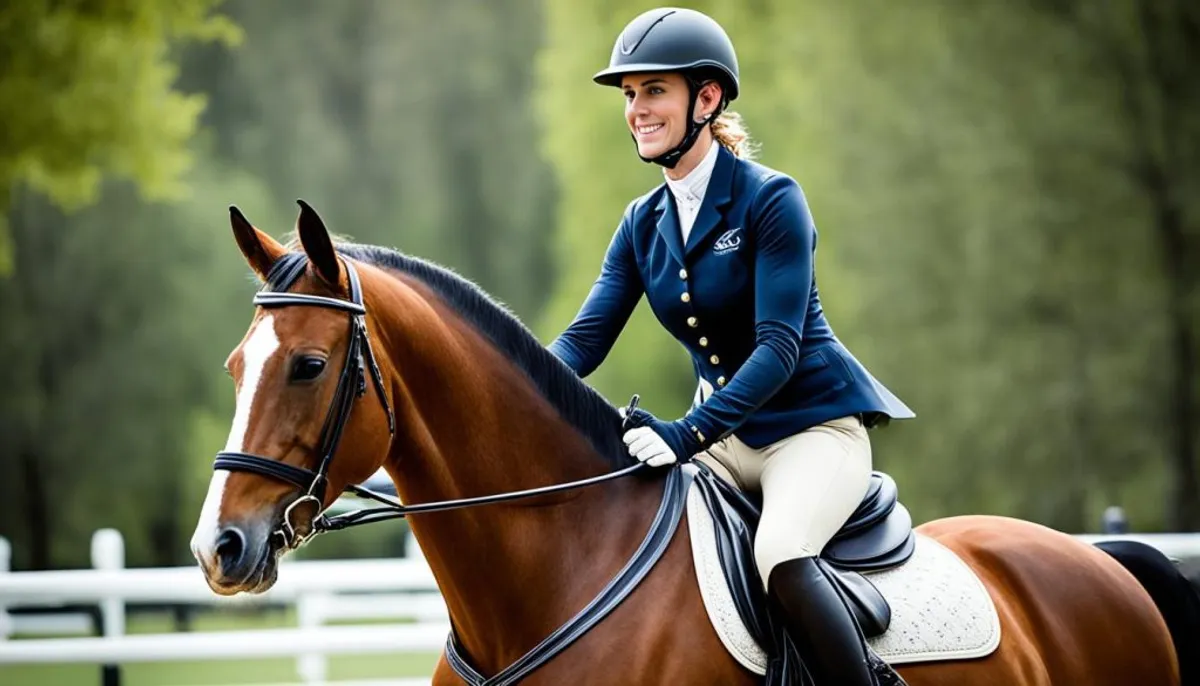
Main keys to a good riding seat
- Rider alignment: vertical torso, hips and shoulders aligned
- Balance on the stirrups for optimal stability
- Use of aids (hands, legs) with precision and flexibility
- Harmonious weight distribution on the buttocks and thighs
- Facilitated horse impulsion and collection
Having a good seat allows one to benefit from horseback riding. It brings more joy, comfort, and a greater sense of safety. It is an important skill to improve in order to become a good rider.
What is the riding seat?
The riding seat refers to how a rider sits and distributes their weight on the saddle. It is crucial for communicating with the horse. Its purpose is to provide both comfort and safety for the rider.
Definition of the seat in horseback riding
In horseback riding, the seat describes how a rider sits and shares their weight. Being balanced and relaxed is key. This helps to send clear signals to the horse.
Role of the seat in communication with the horse
The rider's seat is crucial in communication with the horse. Subtle movements of their pelvis inform the horse about the rhythm and intentions of the rider.
Importance of a good seat for rider comfort
A well-positioned rider is comfortable, balanced, and relaxed. This greatly impacts their comfort and safety. When comfortable, they can direct their mount and avoid falling more easily.
| Advantages of a good riding seat | Disadvantages of a poor seat |
|---|---|
|
|
The benefits of a good riding seat
Horseback riding combines sport with harmony between the rider and the horse. Mastering a good riding seat helps to remain stable and secure. This means impressing the saddle with your innate strength and perfecting every movement of your mount. Enjoying such a position prevents falls and makes every ride more enjoyable.
Better balance and fall prevention
It is essential to stay stable. A balanced seat connects you to the saddle, preventing you from falling. Your stability compensates for the horse's movements, keeping you comfortably seated.
Better communication with the horse
Communicating with the horse requires a specific posture. Being fluid in your seat conveys signals to the horse. This fosters optimal understanding and makes movements harmonious.
Control of gaits and transitions
The position of the rider impacts the horse's gait. Good balance allows for influencing the walk, trot, or canter. This makes controlling changes in speed and style easier.
In summary, a solid riding seat enhances your entire practice. From balance to easy communication, nothing rivals good posture. It is the key to progressing safely and in sync with your horse.
Exercises to improve your riding seat
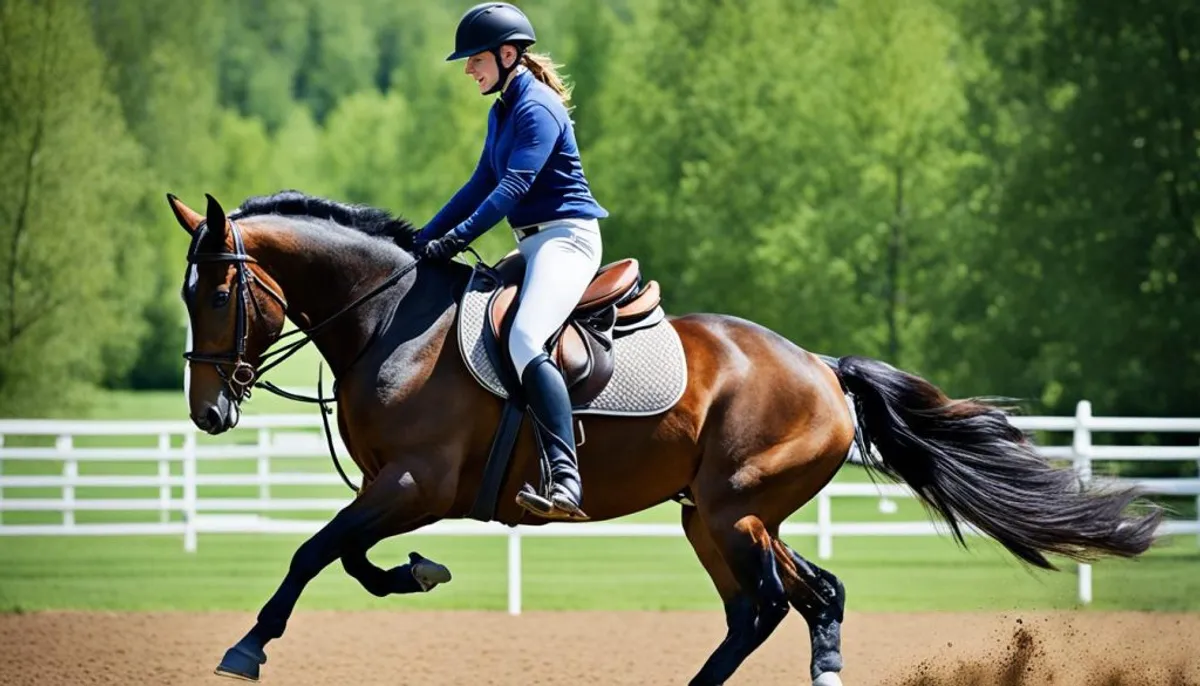
Improving your riding seat is crucial for feeling comfortable. It also helps the rider better understand and communicate with the horse. There are several exercises to progress, such as saddle work without stirrups, pedaling at the walk and trot, and sitting and rising trot without stirrups. These exercises enhance the rider's balance, flexibility, and technique.
Saddle work without stirrups
The saddle work without stirrups exercise helps the rider to sit correctly. Without stirrups, they must find their balance better while mounting. This helps to stay glued to the saddle and feel the horse's movements better.
Pedaling at the walk and trot
The pedaling exercise requires transitioning from sitting to standing position without stirrups. It is good for the rider's flexibility. It also improves balance, whether at the walk or trot.
Sitting and rising trot without stirrups
Trotting without stirrups is a challenge that tests the rider's seat. Without stirrups, they must maintain their balance. This deeply strengthens the seat and understanding of the rider's signals.
These exercises focus the rider's attention on their position. This is how they gain a better riding seat. Which improves comfort and communication with the horse.
Riding without hands and stirrups
Riding without hands and without stirrups is an advanced challenge. It helps to improve balance and stability. Those who practice it learn to hold themselves better and communicate with their horse.
This technique has many advantages. It strengthens the rider's balance, improves communication with the horse. It also perfects their control of movements and changes of pace.
- Improves balance and prevents falls: By focusing on their seat, the rider holds themselves better. This decreases the risk of falling.
- Increases communication with the horse: Without hands and stirrups, the rider learns to guide their horse differently. They use their weight, legs, and seat more effectively.
- Master movements and transitions: This exercise demands great control. It helps the rider better adapt to their horse's movements.
Even though it's difficult, riding without hands and without stirrups brings real benefits. The rider develops confidence, balance, and a better rapport with their horse. They thus become a more effective duo.
| Exercise | Benefits |
|---|---|
| Riding without hands |
|
| Riding without stirrups |
|
Jumping obstacles without stirrups
Jumping obstacles without stirrups is a challenge that tests your balance and stability. You must closely follow your horse's movements with your body. You learn to jump without losing your balance, a key aspect of horseback riding.
The secret to success is having a good seat and effectively communicating with your horse. Without stirrups, you must rely on your pelvis and subtle signals to guide your horse. This demonstrates your mastery of balance and coordination.
It may seem difficult at first, but it's worth it. With regular practice, you will have a stronger seat. This will make your communication with the horse clearer. Thus, you will improve your performance and be less likely to fall.
With work and perseverance, jumping without stirrups will become a pleasure. It will allow you to improve, overcome your fears, and become a better rider. Your mount will be more natural and beautiful.
The importance of good equipment
Having the right equipment is key for effective work on horseback. Choosing a saddle that fits both the rider and the horse is crucial. An ill-fitting saddle can unbalance the rider and make communication with the horse difficult.
Choosing a suitable saddle for the rider and the horse
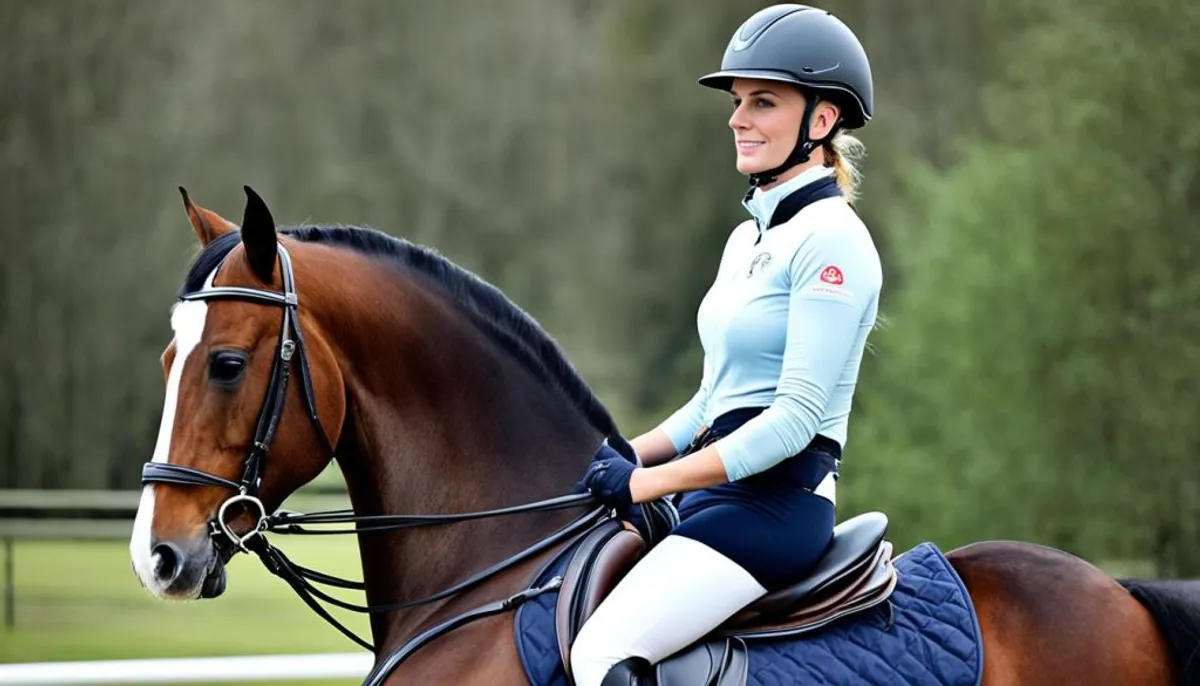
A saddle that fits the rider and their horse has many advantages. It helps the rider to take the right position. This allows them to develop a reliable riding seat. Renowned brands such as Butet and Devoucoux offer perfectly fitted saddles.
Advantages of a custom saddle
- A custom saddle fits perfectly to the rider's and horse's morphology. This ensures maximum comfort.
- It helps the rider find balance and communicate well with their horse.
- With a fitted saddle, the rider can improve their riding seat without discomfort.
Having the right equipment, especially a well-fitted saddle, is essential for progressing in horseback riding. Custom saddles offer great advantages by allowing the rider to position themselves correctly.
| Features | Standard saddle | Custom saddle |
|---|---|---|
| Adjustment | Approximate | Personalized |
| Comfort | Medium | High |
| Rider-horse communication | Limited | Improved |
| Seat development | More difficult | Easy |
Steps for a good riding seat
The key to a good seat is a correct mounting. One must keep the back straight and the weight balanced. This allows for a good connection with the horse.
It is vital to loosen the joints before mounting. This makes one more flexible and fluid. These are essential elements in horseback riding to follow the horse's movements.
Finding balance at the trot
The final step is to find your balance at the trot. By moving with the horse, one improves their position. Thus, one becomes more stable and better controls the horse.
- Position oneself correctly in the saddle
- Loosen the joints
- Find your balance at the trot
These steps help the rider improve their balance and fluidity. This makes the experience on horseback more comfortable for everyone.
Conclusion
The riding seat greatly helps the rider to be comfortable and secure on the horse. By practicing special exercises, the rider improves their position, flexibility, and balance. This helps in effectively communicating with the horse. A well-fitted saddle plays an important role.
Mastering the riding seat allows for a good relationship with the horse. It adds pleasure to horseback riding. Having a good seat ensures superior comfort in the saddle and a stronger riding technique.
All these elements help the rider feel good and safe while horseback riding. They are key to improving and achieving goals in this sport.
FAQ
What is the riding seat?
The riding seat refers to how the rider sits and distributes their weight. It helps communicate with the horse without words. Information about the horse's movement and speed is conveyed.
What is the role of the seat in communication with the horse?
Having a good seat helps communicate with the horse. One follows the horse's rhythm and gives subtle commands through their sitting position. This makes communication easier between the rider and the horse.
Why is it important to have a good seat in horseback riding?
A good seat offers many advantages. One becomes more stable and can better direct the horse. Communication between the rider and the horse is clearer. It helps control the horse's movement.
What exercises are recommended to improve the seat?
To improve, one can try riding without stirrups. Or do exercises like pedaling. This works on the rider's balance and flexibility.
What are the benefits of riding without hands and stirrups?
Even though it's difficult, riding without hands and stirrups has benefits. It improves balance and strengthens the position. Thus, one communicates better with the horse.
Why is it important to have good equipment, especially a suitable saddle?
Good equipment, like a well-fitting saddle, is crucial. An ill-fitting saddle can cause problems. A saddle made for the rider helps achieve the right position.
What are the key steps to develop a good seat?
To sit well, one must keep the back straight. It's also important to warm up the joints. Then, find your balance at the trot by moving with the horse.