
The equestrian adage is clear: “no back, no horse”. This phrase emphasizes the crucial importance of preserving your mount's anatomy. Each training session should be designed for its well-being.
Fortunately, specialized manufacturers are investing in research. They design tailored equipment to protect the animal's back. Their goal is to provide optimal comfort under the saddle.
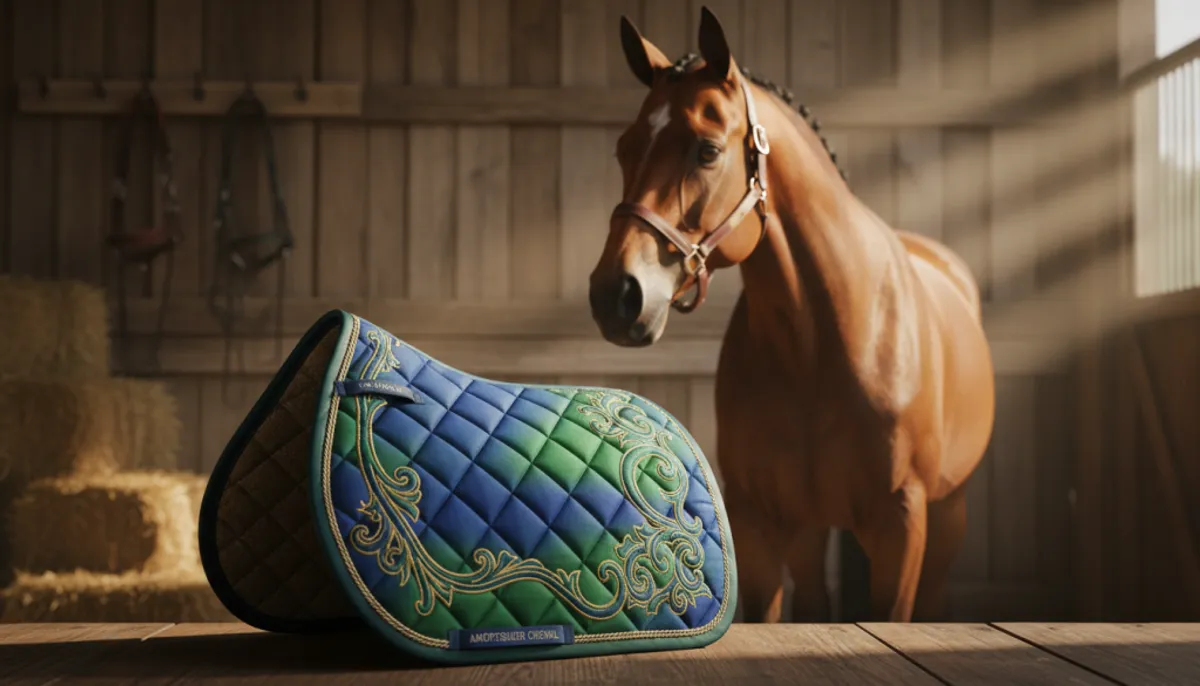
Finding the ideal equipment requires a deep understanding of your partner's needs. A thorough analysis of its morphology and daily use is essential. This is the foundation of an informed choice.
A good device absorbs shocks and distributes pressure. It prevents back pain and enhances performance. Combined with a saddle pad of quality, it prevents friction and manages moisture.
Many models exist. The most suitable one is the one that respects the spine without creating pressure points. The rider's weight and the shape of the back are determining factors.
Key Points to Remember
- The health of your horse's back is fundamental for its well-being and performance.
- Choosing suitable equipment requires analyzing the morphology and specific needs of your animal.
- A good pad, combined with a quality saddle pad, prevents pain and skin lesions.
- The selection should prioritize the respect of the spine and an even distribution of pressure.
- The rider's weight and the discipline practiced are essential selection criteria.
- Well-chosen equipment immediately improves comfort and communication with your mount.
- Investing in back protection is investing in longevity and the pleasure of riding.
Understanding the Importance of the Pad for the Horse's Back
Every attentive rider knows that the back is the keystone of riding. The adage “no back, no horse” summarizes this reality. Therefore, suitable equipment is essential to preserve this fragile anatomy.
The Essential Functions of the Pad
Its primary role is to absorb shocks. It dampens vibrations during landings and transitions. This protects the spine from repeated impacts.
It is strategically positioned between the back and the saddle. Often, it compensates for micro-movements for a more stable seat. It thus protects the backs of your mounts.
The Benefits for the Horse's Anatomy and Comfort
These accessories can be true allies of well-being. They ensure constant comfort despite the animal's muscle development.
Proper protection promotes free locomotion and essential relaxation. It avoids back resistance. Your partner remains cooperative and calm during work.
How to Choose the Best Horse Pad?
To ensure optimal protection, it is essential to consider the composition, thickness, and design. These three technical elements define the equipment's effectiveness and its daily comfort.
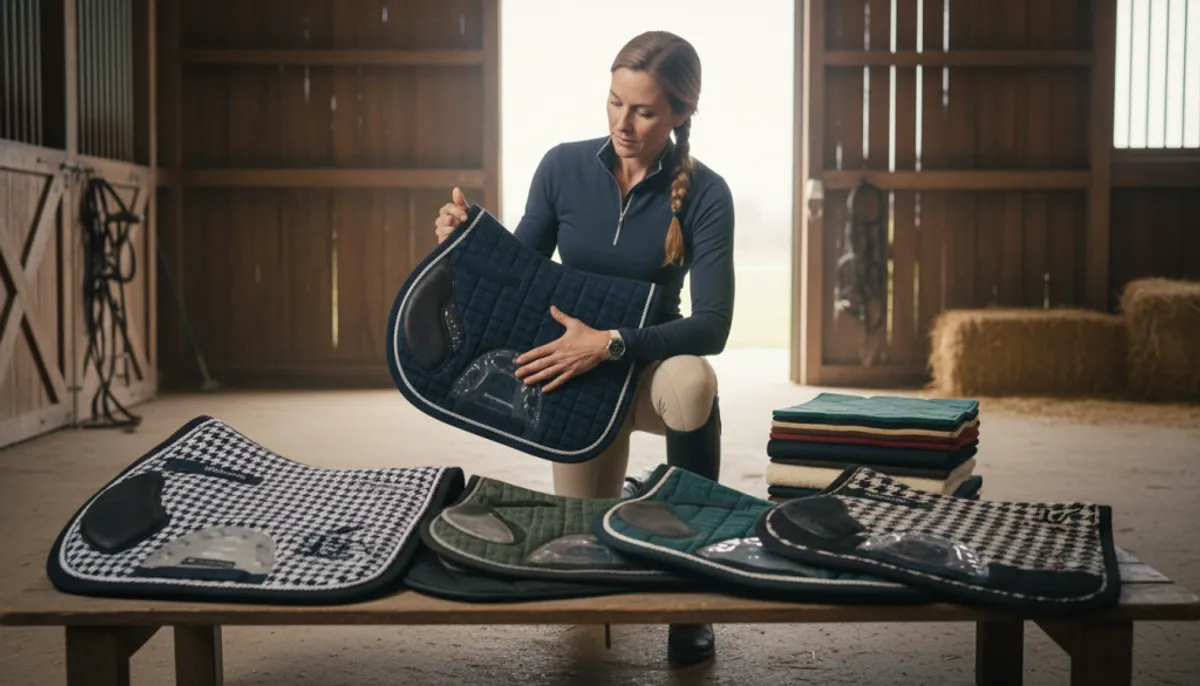
Selection Criteria: Materials, Thickness, and Shape
Favor materials like felt or dense foam. They provide excellent shock absorption without collapsing quickly.
Thickness is crucial. A pad that is too thick can unbalance the saddle. Inserts are available in 18 mm, 10 mm, or 6 mm to adapt to each morphology.
Anatomical shape is essential. It must follow the natural curve of the back to clear the spine.
The Impact on Pressure Point Distribution
A good choice ensures an even distribution of the load. It thus avoids painful pressure points under the saddle.
In disciplines like endurance, where a minimum weight of 70 kg is often required, this adjustment is even more critical. The goal is not to harm overall ergonomics.
A perfect harmony between the saddle and your horse's back is the key to calm and effective work.
Exploring the Different Types of Pads and Their Uses
Given the diversity of available equipment, it is useful to know the characteristics of the main materials. Each option meets specific needs in terms of comfort and performance.
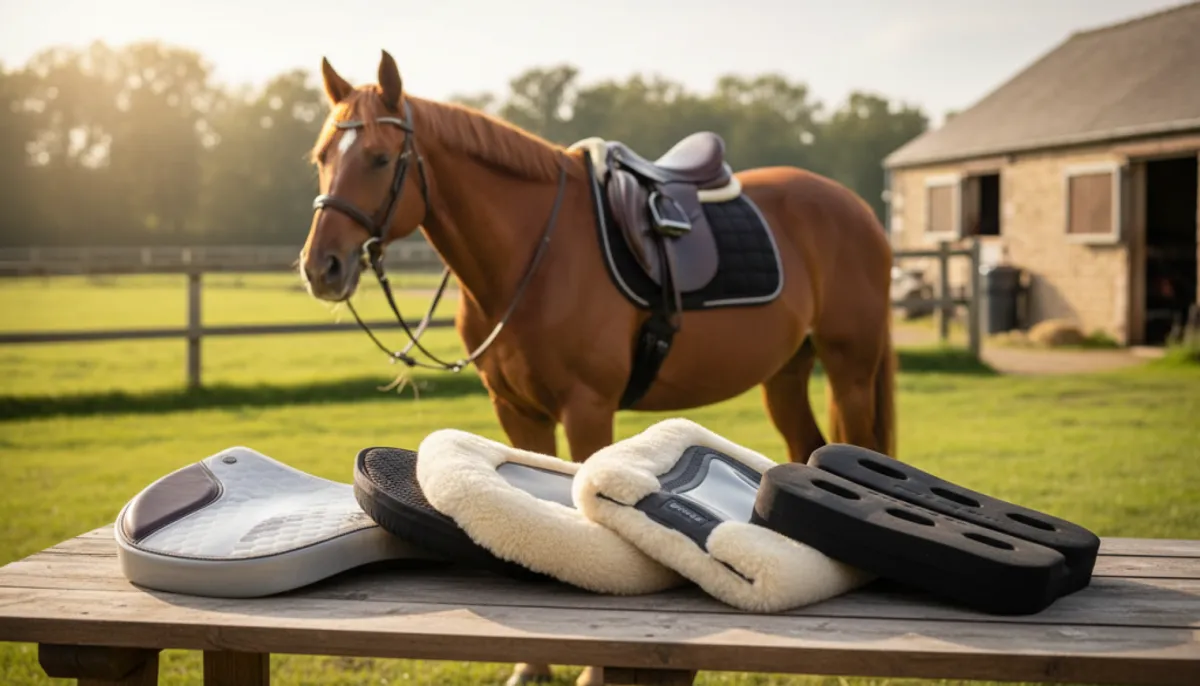
Gel, Foam, and Sheepskin Models
Gel is sometimes criticized for its weight and lack of breathability. It does not resolve pressures; it simply shifts them.
Foam is often used in combination with other technologies. Its thickness should be limited to avoid hindering saddle adjustment.
Natural sheepskin is hypoallergenic and highly breathable. It is highly appreciated in dressage for the comfort it provides. Its synthetic counterpart can cause overheating.
The Innovation of Memory Foam and Anatomical Designs
Memory foam absorbs pressures and stabilizes the saddle. It minimizes annoying pressure points. Anatomical designs free the withers for added safety.
The winderen pad uses Back Protect Solution technology. It offers exceptional absorption. Nearly 90% of users report improved muscle condition of the horse's back.
Julia Krajewski, Olympic champion, collaborated on the 6 mm Super Slim model. This proves that thin support is beneficial, even with a well-fitted saddle.
Practical Tips for Optimizing the Use of the Pad
The positioning and maintenance of your equipment determine its long-term effectiveness. Correct use preserves your mount's back and ensures the desired comfort.
Tips for Properly Positioning the Pad Under the Saddle
Always place the device so that it clears the spine. No compression should be felt. This check is fundamental.
To avoid folds, smooth the pad and accessory well before tightening the girth. A fold creates an immediate pressure point.
Often, it is necessary to check the positioning after a few minutes of trot. Movements can slightly shift the whole setup.
Maintenance, Adjustments, and Expert Recommendations
Regular cleaning maintains the technical qualities of the materials. For memory foam or sheepskin, use Marseille soap. It is gentle and effective.
Consult a saddle fitter if you doubt the balance. They observe the dynamics with the rider on horseback. Their expert eye makes a difference.
Remember: this accessory can be a temporary aid. It never replaces a saddle well-suited to your animal.
| Material | Maintenance Method | Recommended Frequency |
|---|---|---|
| Memory foam | Surface cleaning with diluted Marseille soap | After 10-15 uses |
| Natural sheepskin | Brushing and airing; gentle washing if necessary | Airing after each outing |
| Dense felt | Tapping to remove dust; air drying | Regularly, depending on sweat exposure |
Conclusion
The search for the perfect equipment for your equestrian partner is a journey that combines observation and knowledge. This process requires patience to analyze each specific need.
The primary goal remains the absolute comfort of your mount. Correct use always respects the spine and evolving morphology.
Whether you choose sheepskin, memory foam, or another material, each option provides specific support. Remember, this accessory does not correct an ill-fitting saddle. It offers a complement of comfort for the back.
In case of doubt, consulting a saddler is a wise choice. They ensure harmony between your saddle and your horse's back. This balance is fundamental.
Investing in quality equipment and maintaining it carefully is investing in the health and longevity of your partnership. Well-being under the saddle is the foundation of a fulfilling equestrian relationship.
FAQ
Why is it so important to protect my equine's back?
The spine is a sensitive area. A good cushion, like a quality pad, absorbs shocks and distributes the rider's pressure. This prevents pain and ensures optimal well-being for your partner.
What are the main criteria for making my choice?
Three elements are essential. The material (gel, memory foam, felt), the thickness suitable for the morphology, and the anatomical shape. These criteria ensure an even weight distribution and avoid pressure points.
Is a standard saddle pad sufficient, or do I need a specific model?
A standard pad offers basic comfort. For superior protection, a pad like those made of sheepskin or with memory foam technology is designed to absorb vibrations and fit perfectly along the back line. It’s a valuable investment.
How do I properly position my pad under the saddle?
Place it flat on the back, ensuring it slightly extends in front of the saddle. It should not compress the shoulders. Proper positioning is crucial for its effect and overall comfort. Always check the fit before mounting.
Which is preferable, gel or memory foam models?
Each type has its advantages. Gel provides immediate shock absorption. Memory foam, like that of Winderen products, molds to the unique morphology of the animal for a perfect fit. The choice depends on your needs and the activity practiced.
How do I maintain and clean these accessories?
Follow the manufacturer's instructions. For many pads, hand washing in lukewarm water and flat drying are recommended. Regular maintenance preserves the material's properties and the product's lifespan.