
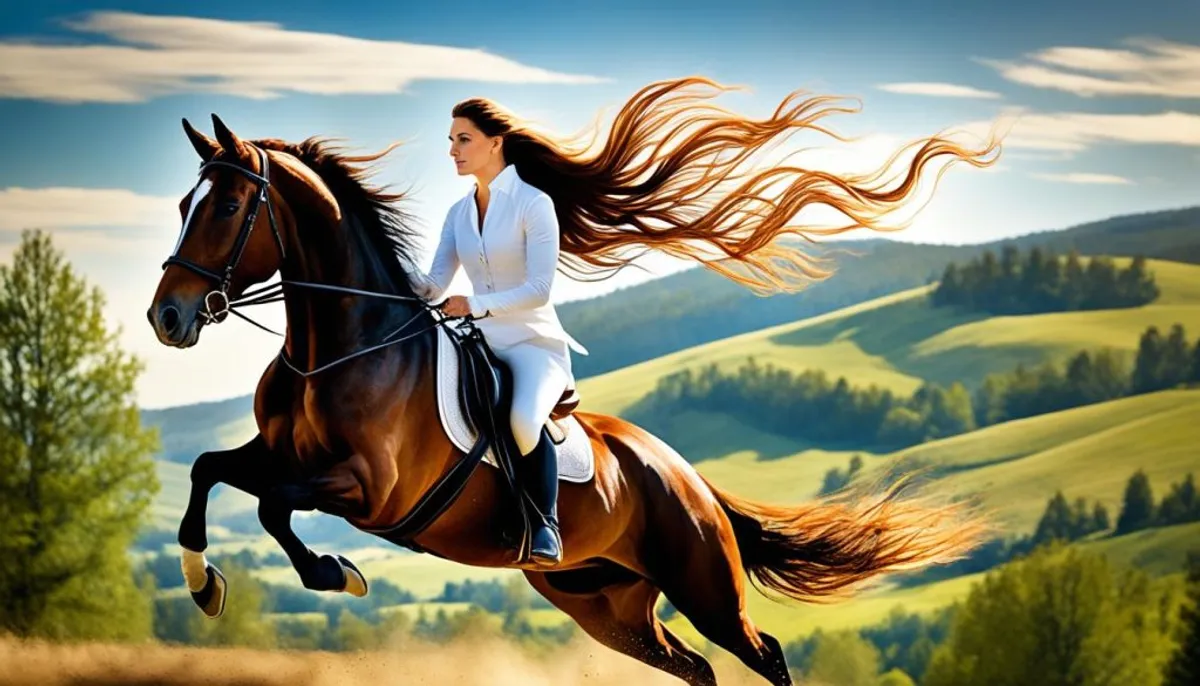
Women's equestrianism is very important in France. It was initially seen as a domain for men. However, it has changed a lot over time and has become a mixed sport. Now, 70 to 80% of those who practice in France are women. This sport showcases a combination of tradition and novelty, elegance and skill. For a long time, practices around horses have followed societal changes and ideas, making it an important symbol for culture.
Key Ideas
- Women's equestrianism has undergone a significant evolution, moving from a marginal practice to a mixed sport
- Women represent 70 to 80% of equestrian practitioners in France
- Equestrianism has become a symbol of passion and elegance, blending tradition and modernity
- The "horse fashion" has taken a prominent place, with strict dress codes being relaxed
- Women's equestrianism reflects the transformations of society and mindsets
The Evolution of Women's Equestrianism Through History
Since antiquity, women have played a key role in equestrianism. Warrior women from the nomadic peoples of Central Asia, such as the Scythians and Sarmatians, rode horses. They fought in wars. But in ancient Greece and Rome, horseback riding was primarily for men. The horse was seen as something masculine.
Antiquity and Equestrian Traditions
With the Middle Ages came the "side-saddle riding," a way of riding a horse sitting sideways. It was adopted in Western Europe. This position allowed women of high society to ride horses. They could do so while adhering to the decency norms of the time. For this, they wore long, wide skirts that covered their feet.
Side-Saddle Riding in Western Europe
The luxurious dresses of female riders, paired with fitted jackets, blouses, and hats, influenced women's fashion. It wasn't until the 20th century that women began to ride like men. This marked the beginning of a change in mentality.
Women's equestrianism showcases the progress of women in this field. Over the ages, ideas and fashion have evolved to include them.
Women's Equestrianism: A Unique Mixed Sport
Equestrianism is unique because men and women compete together. This mix is very interesting for understanding the roles of each. Equestrian sports are a good example of equality.
Since the 1950s, women have participated much more in competitions. There are mixed events in jumping, eventing, and dressage. This shows how equestrianism is a sport where the sexes are equal.
In all competitions, whether local or Olympic, men and women compete fairly. They show equal strength and aspiration, always pushing boundaries. Equestrian sports open an important path for gender equality in sports.
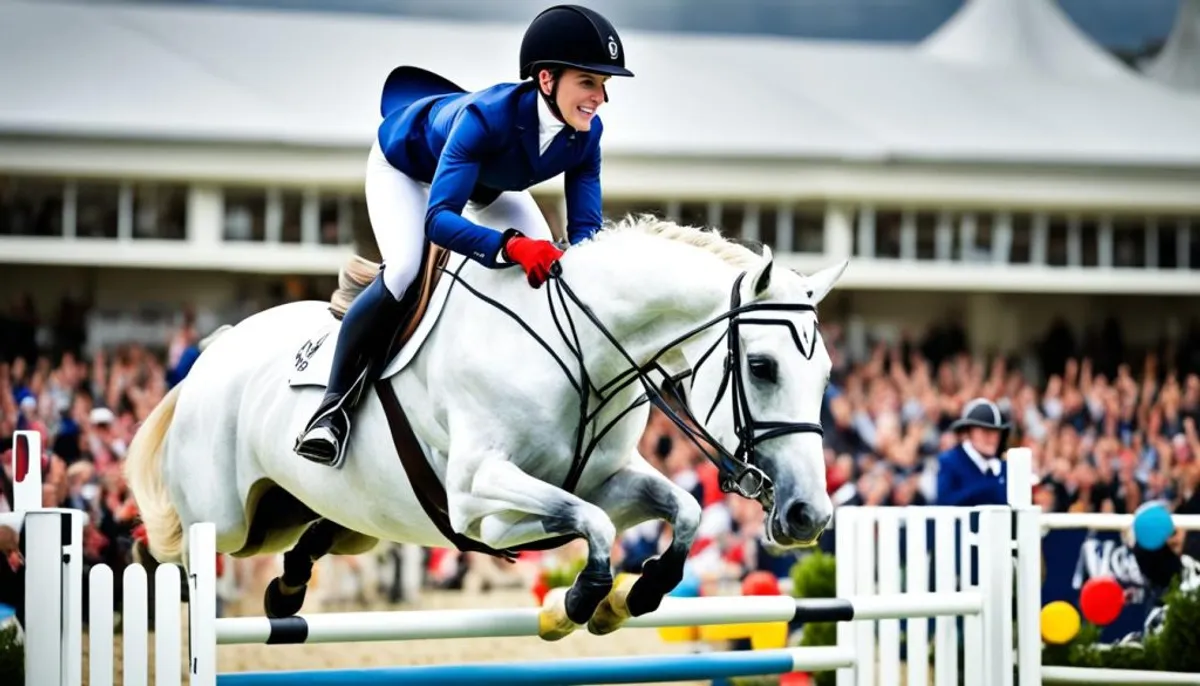
Equestrianism is not limited to competition. It is a celebration of mixity and independence. Women can succeed just as much as men. This inspires all those who want to achieve great things.
The Growing Feminization of Equestrianism
In the 20th century, equestrianism in France became increasingly feminine. Women can now engage in equestrian activities, even those that were previously only for men. For example, riding astride. In France, 70 to 80% of riders are women today.
The Renewal of the 20th Century
This evolution has brought about a new vision of equestrianism. Women have taken a larger place in the world of horses, from books to films about riding. Meanwhile, competition numbers did not yet match, especially in show jumping. Preconceived notions and the obsession with winning horses were more important than emotional connection.
The Rise of Women's Equestrian Practices
However, in recent years, things have changed significantly. Women are massively joining competitions, even at the international level. This change shows the growing importance of equestrianism practiced by women in France.
| Year | Percentage of Women Among Equestrian Practitioners in France |
|---|---|
| 1950 | 30% |
| 1980 | 50% |
| 2020 | 75% |
The Fashion Surrounding Women's Equestrianism
Equestrianism has always been linked to strict fashion rules, especially for women. From antiquity to the present day, equestrian clothing has changed. Female riders of the past wore long skirts to ride in style.
Historical Dress Codes
Since antiquity, women in equestrianism wore complex garments. To ride sideways, they wore long skirts and elegant accessories. This tradition shows the importance of appearance in women's equestrianism.
The Evolution Towards Comfort and Technicality
The 1960s saw the arrival of synthetic fibers in equestrian gear. Now, clothing features technologies like grip patches and Lycra. This also led to the development of helmets and protective vests.
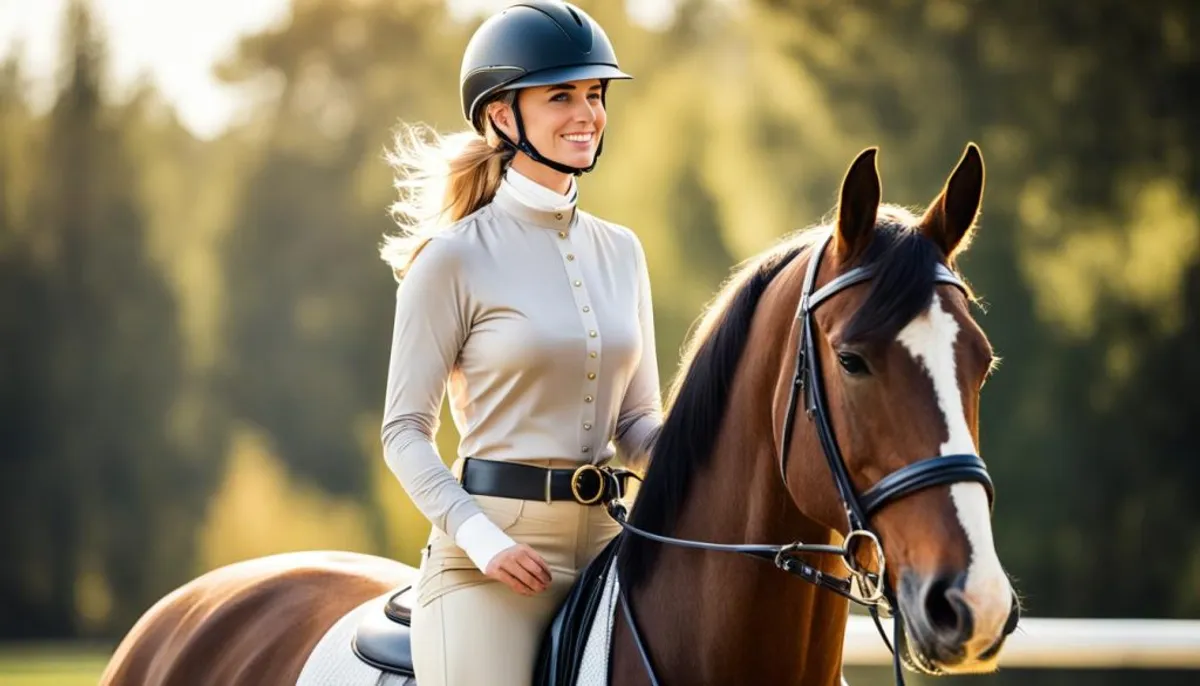
Equestrian fashion has changed with society, moving from luxury clothing to more practical attire. Today, "horse fashion" blends tradition and technology for secure and stylish outfits.
Women's Equestrianism at the Heart of Popular Culture
Women's equestrianism has become very famous thanks to books, films, and series. These works showcase brave young girls and women on horses. From the 1920s, with children's horse stories, to today with films like "Mulan" and "Girl Sports."
Equestrianism has also inspired the fashion world. Today, many luxury brands support this sport. This has helped showcase the elegance and expertise of women who practice equestrianism. Thus, women's equestrianism has become an emblem of popular culture.
Outside of media, equestrianism can be found in the arts. Paintings, sculptures, and books celebrate the beauty and strength of women on horseback. These works help anchor women's equestrianism in our culture. Thus, it has become a true symbol of popular culture.
- Women's equestrianism, a recurring theme in literature and cinema
- Fashion, a vector for the media coverage of women's equestrianism
- Equestrianism in the arts, a source of inspiration for artists
Conclusion
Women's equestrianism has changed a lot over the centuries. It has become a very popular mixed sport. Women have practiced equestrianism since antiquity, when only nomadic peoples knew it.
In the Middle Ages, "side-saddle riding" emerged in Europe. This showed that women could be strong and graceful on a horse. Today, equestrianism is more than ever a blend of fashion, comfort, and safety.
It symbolizes people's love for nature and beauty. The influence of equestrianism can be seen everywhere, from competitions to fashion. These competitions also include parades where equestrian clothing and accessories are highlighted.
Equestrianism, once reserved for men, has opened up to women. Nowadays, they showcase their passion for this elegant sport. Equestrianism has thus managed to remain relevant in our evolving world, blending tradition and modernity.
This balance between the old and the new creates the beauty of equestrianism. The traditions of equestrianism find their place in our modern life thanks to women. They bring a breath of fresh air to a sport as ancient as this.
FAQ
What is the evolution of women's equestrianism through the centuries?
Women's equestrianism has changed a lot over time. Formerly marginal, it has become mixed and popular. In antiquity, women were already practicing equestrianism among the nomads in Central Asia.
In the Middle Ages, in Western Europe, "side-saddle riding" was born. It allowed certain women of high society to ride while being "modest." However, it wasn't until the 20th century that women began to ride astride. This was due to changes in society and ways of riding.
What is the place of women in equestrianism today?
Today in France, 70 to 80% of riders are women. Equestrianism has become a symbol of passion and elegance that unites tradition and modernity. Even though more women practice, they are fewer in major equestrian competitions, such as show jumping.
However, for several decades, women have increasingly participated in international competitions. Their numbers are rising, showing their strength in this sport.
What are the dress codes associated with women's equestrianism?
For a long time, the clothing of riders has maintained its meaning and elegance. Today, equestrian attire blends beauty, comfort, and practicality to meet the needs of riders.
Over time, horse attire has transitioned from wide skirts to jodhpurs, remaining rooted in the history of the horse world.
How is women's equestrianism represented in popular culture?
For a long time, the media have told stories of brave women on horseback. Whether in books, films, or series, women's equestrianism has its place.
From the "pony books" of the 1920s to recent films like "Mulan" and "Girl Sports," stories of amazons are popular. They show how women have a strong influence in this sport.