
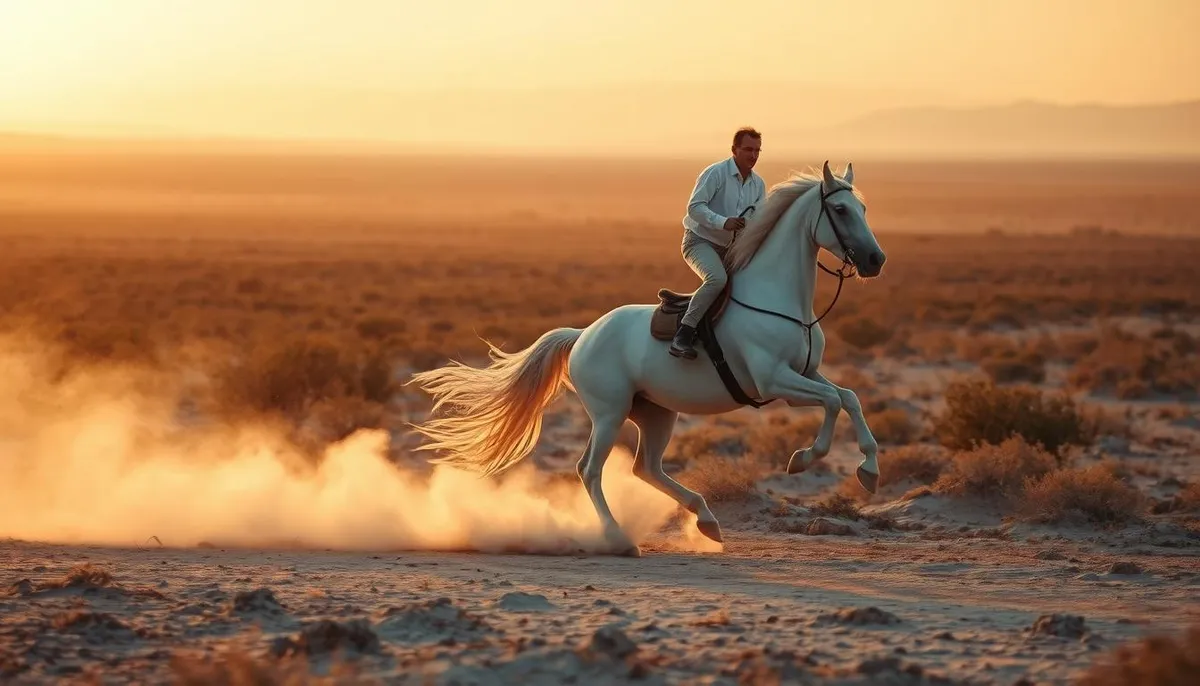
The Camargue horse lives between sea and marshes, a true sign of freedom. Small and sturdy, it reigns like a king over the Camargue, in the Rhône delta. Its gray color, mane flowing in the wind, and alert gaze immerse us in a world of untamed nature and local traditions.
It grows up in monitored freedom in manades, shared between the Gard and Bouches-du-Rhône. This existence gives it great endurance, resilient hooves, and a confident stride. It is the favored partner of the gardians, assisting in cattle herding, festivities, and branding, with natural grace.
It fascinates well beyond the marshes, thanks to culture and horseback riding. At Crin Blanc, located in Saintes-Maries-de-la-Mer, one can take rides to meet these exceptional horses. La Sellerie Française offers quality equipment for riders and horses, made in France, respecting Camargue traditions.
Key Points
- The Camargue horse is the emblem of the Rhône delta and a symbol of freedom.
- Always gray coat, compact morphology, and hooves adapted to wet terrains.
- Lives in semi-freedom in manades, in the heart of the wild nature of the Camargue.
- Strong bond with Camargue gardians, ferrade, and Camargue traditions.
- Guided rides in Saintes-Maries-de-la-Mer to discover the breed up close.
- Durable and French equipment offered by La Sellerie Française.
Origin, History, and Legends of the Marsh Horse
The marsh horse was born between ponds and sansouïres. It bears the mark of the Rhône delta in its light coat. The story tells how wind, salt, and mosquitoes selected these animals. These conditions created wild horses with a steady gait and long breath. They are at the heart of Camargue traditions and fuel discussions about their origin.
From the Marshes of the Rhône Delta to the Camargue Manades
The manade is the soul of this region. Horses and bulls live there in semi-freedom, preserving their wild nature. Breeders like Jean-Pierre Persch continue these traditions. They use ancestral lines to breed prized mounts.
The natural environment guides human actions. Salty plants and mud contribute to the animals' endurance. The gardians of Camargue watch over them, preserving traditions and the quality of the breeds.
Ancient Mentions and Evolution to the Gardians
Roman texts already mention horses near Arles in the 4th century. Horace and Apuleius spoke of white mounts. These animals evolved from pack animals to war horses, while also assisting in agricultural work.
Royal efforts to improve the breed failed. Between the 12th and 16th centuries, trade and writings enriched the history. The creation of the Camargue gardians brotherhood in 1512 strengthened ties with the Rhône delta.
Founding Myths and Camargue Traditions
A legend speaks of a stallion, born from foam, saving a man. This tale, passed down by Jean Claude Girard, symbolizes the union between man, the sea, and wild horses. It is a pillar of Camargue traditions.
The various theories about the origin of Camargue horses are numerous. But genetic studies link these horses to an ancient Eurasian lineage. What matters is the selection made by the manades that formed the marsh horse and influenced the gardians.
Camargue Horse
The Camargue horse is a regional pride. It is small, powerful, and very sure-footed. Its coat turns white as it ages.
Renowned for its robustness, it lives near the marshes. With its calm temperament, it is perfect for riding and cattle work.
This horse symbolizes freedom, like Crin-Blanc. It is also at the heart of equestrian tourism in the Camargue Regional Natural Park.
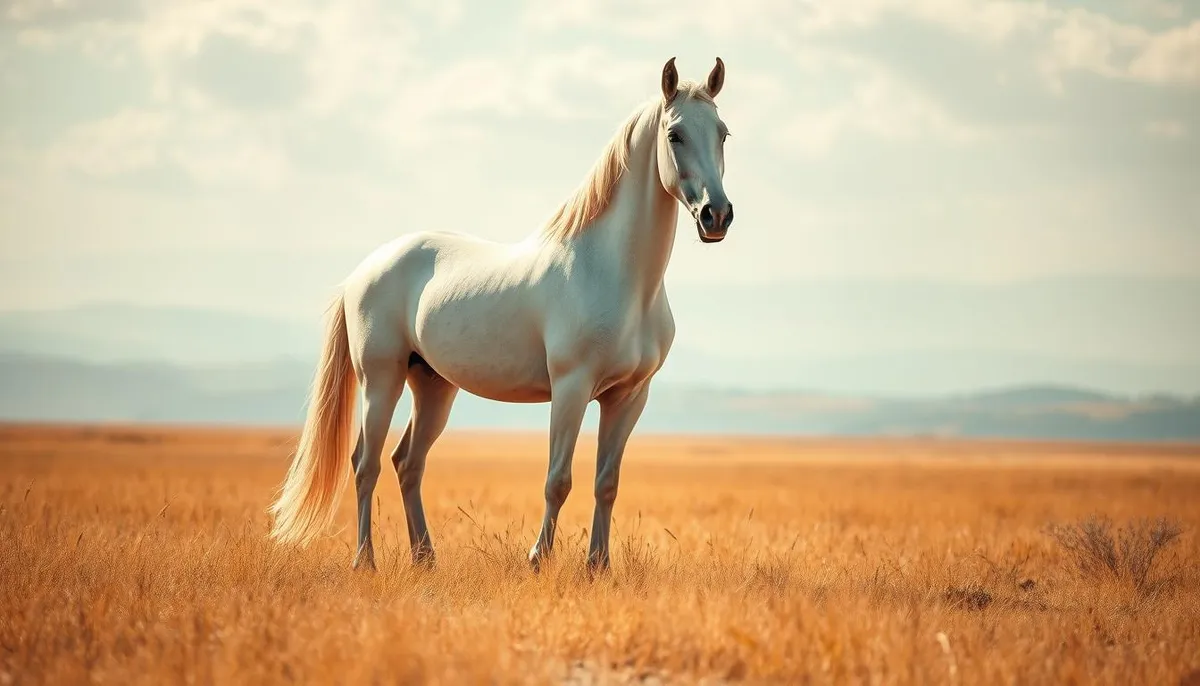
At Crin Blanc, near Saintes-Maries-de-la-Mer, guided rides are offered. The guides speak French and English. Rides depart daily, depending on the season, to beautiful beaches.
- Minimum age: 8 years, helmet required, max weight 90 kg
- Attire: long pants, closed shoes; avoid flowing clothes, backpacks, and selfie sticks
- Advice: avoid black due to mosquitoes; arrive 15 minutes early
- Accepted payments: checks, vacation checks, cash
| Asset | What it changes in Camargue | Main use |
|---|---|---|
| Wide and very strong hooves | Stability on mud and sansouïres | Work in the marsh, Camargue riding |
| Frugality and endurance | Sustained effort with few resources | Hiking and herding |
| Gray coat that whitens | Better tolerance to sun and mosquitoes | Summer outings, equestrian tourism |
| Calm and sure temperament | Safety for varied riders | Rides in the Camargue Regional Natural Park |
| Standard of Camargue breed | Traceability and quality of the stud-book | Breeding, manades, votive festivals |
Camargue Breed and Physical Characteristics
In the heart of the Rhône delta, we find the Camargue breed. It is unique to this region, between ponds and marshes. This breed combines the heritage of its ancestors with the challenges of its environment. The Camargue horse morphology shows the impact of nature and group living.
Size, Morphology, and Always Gray Coat
Camargue horses measure between 1.35 and 1.50 m, weighing between 300 and 500 kg. They are small horses, with distinctive features such as a straight neck and an expressive head. They are especially known for their gray coat. Young ones are born dark and become lighter as they age.
Hardiness, Frugality, and Endurance Shaped by Wild Nature
The wild nature of the Rhône delta has given them exceptional endurance. Their frugal diet helps them stay healthy. Raised in freedom, their robustness is a key asset of the breed.
Semi-freedom Living, Strong Hooves, and Adaptation to Marshes
Camargue horses live in manade, roaming ponds and beaches. Their wide hooves ensure good stability. Their bodies are made for balance, perfect for work or leisurely rides. Their natural calmness is also notable.
Camargue Riding, Camargue Gardians, and Traditions
In the heart of the Camargue, the magnificent white horse is the rhythm of life in Arles. Camargue riding is part of daily life. It is shared with Camargue gardians in a setting of marshes, sansouïres, and beaches. This practice skillfully blends tradition, modern safety, and respect for the Camargue bull, a symbol of Camargue traditions.

Cattle Work, Ferrade, and Votive Festivals
The Camargue horse is a pro in managing herds. It excels in sorting, driving, and containing animals. Their step is assured in salty meadows, and their calmness is essential.
The votive festivals of Arles and Saintes-Maries-de-la-Mer highlight this teamwork between riders and bulls. The ferrade is a tradition where foals are branded. This practice is carried out with great precision by local teams.
Mount of the Gardians and the Art of Riding in Camargue
The Brotherhood of Gardians, existing since 1512, shares its unique expertise. Their equipment, such as the Camargue saddle, is designed for utility above all.
The Camargue horse is both flexible and resilient. It remains calm in the presence of the bull, which is essential for Camargue gardians and Camargue traditions.
Equestrian Tourism and Cultural Influence
The famous myth of the "white rider" is spread through photography, literature, and the film Crin-Blanc. Everyone can discover these stories through equestrian tourism, ranging from simple rides in the marshes to sunset outings.
Visits are in small groups with expert guides. Everything is provided for a safe experience in Camargue. Reservations can be made easily by phone or email. Arrive 15 minutes early. Payment is possible by checks, vacation checks, or cash.
| Activity | Duration | Required Level | Indicative Price | Highlights |
|---|---|---|---|---|
| Discovery Ride | 1 h | Beginner | 30 € | Marshes, introduction to Camargue riding |
| Beach Low Season | 2 h | Beginner | 45 € | Controlled trots, Camargue panorama |
| Beach July-August | 2 h | Beginner | 50 € | Summer lights, enhanced supervision |
| Nature Reserve | 3 h | Intermediate | 70 € | Flamingos, manades, Camargue traditions |
| Sunset | 2 h | Beginner | 70 € | Photogenic, votive festival ambiance |
| Sporty Outing | 2 h | Gallop 4 | 70 € | Varied gaits, mixed terrains |
| Grand Raft Day | Day | Intermediate | ~150 € | Off the beaten path, immersion in Camargue |
| Pony for Kids | Tour | From 2 years | 13 € | Gently introduces equestrian tourism |
- Groups of 8 to 10, max weight 90 kg
- Strict safety, checked equipment
- Private offers: EVJF/EVG, marriage proposals
Rides, Reserves, and Experiences in the Camargue Regional Natural Park
The Camargue Regional Natural Park offers horseback rides. These gentle walks traverse sansouïres, ponds, and beaches. One can see flamingos, water birds, and bulls up close while respecting nature.
From Saintes-Maries-de-la-Mer, certified guides organize excursions in small groups. Equestrian tourism welcomes everyone from 8 years old. Participants ride calm Camargue horses. A helmet is provided, and the maximum weight is 90 kg. Arrive 15 minutes before departure.
Practical Tips: book in advance. Wear long pants and closed shoes. Avoid black due to mosquitoes. No loose clothing or selfie sticks. Inform if you have health issues. Keep your valuables with you.
| Package | Itinerary | Gaits / Level | Duration | Price | Advantages |
|---|---|---|---|---|---|
| Discovery "Lands of Camargue, the Marshes" | Marshes and meadows near ponds | Walk • Beginners from 8 years | 1 h | 30 € | Gentle approach to wild nature |
| Beach and Marshes of the Imperials | Crossing marsh/ponds + beach | Walk & Trot • All levels | 2 h | 45 € (low season) / 50 € (summer) | View of flamingos and coastal bands |
| National Reserve | Protected beaches and marshes | Walk & Trot • Comfortable at all three gaits recommended | 3 h | 70 € | Immersion in the heart of nature reserves |
| Sunset | Coastline and sansouïres | Walk & Trot • Small groups (max 8) | 2 h | 70 € | Golden light on flamingos |
| Sporty | Long sandy tongues | Gallops • Gallop 4 minimum | 2 h | 70 € | Excitement in a marine environment |
| Private | Custom route | According to level | 1–3 h | On request | Personalized experience in the Camargue Regional Natural Park |
| Grand Raft Day | ~35 km, Sauvage ferry, pine forest, beach | Three gaits • Good condition | Day | 150 € (min. 5 people) | Coastal adventure, meal to plan, hiking spirit |
| Pony for Kids | Safe route | Accompanied • From 2 years | Short | 13 € | Playful initiation near Saintes-Maries-de-la-Mer |
Crin Blanc and the Élevage du Levant welcome you every day. They respect the schedules of the proposed activities. The team speaks English, and parking is available for clients. To reserve, call +33 6 72 68 73 41 or send an email to jean-pierre.persch@orange.fr. Near the beaches, Camping Crin Blanc is a partner accommodation.
La Sellerie Française sells quality equipment for riders. This includes saddles, bridles, and accessories resistant to salt and wind. These items are perfect for horseback rides and equestrian tourism in the Camargue Regional Natural Park. You can explore the nature reserves, admire the flamingos, and discover the wild beauty around Saintes-Maries-de-la-Mer.
Conclusion
The Camargue horse symbolizes a land of salt and water. It comes from an ancient breed and lives in the Rhône delta. Its gray color and strength tell of its endurance.
It is very useful to the gardians of the Camargue. They rely on it to herd cattle and go for rides. With its strong hooves, it is sure-footed on all terrains.
Equestrian tourism in the Camargue Regional Natural Park is a unique opportunity. It offers outings to discover these horses. This also helps preserve their breed.
Passionate professionals, like Élevage du Levant, protect these horses. La Sellerie Française creates quality equipment for them. Thus, the Camargue horse keeps the traditions of this region alive.
FAQ
What is a Camargue horse and how to recognize it?
The Camargue horse comes from France, small and strong, it represents the Rhône delta. Its characteristic gray color changes as it ages. It is often seen free in the manades of Camargue.
What is the average size and weight of a Camargue horse?
They measure between 1.35 m and 1.50 m, weighing between 300 and 500 kg. Their robust bodies allow them to move well in wet areas.
Where does the Camargue breed come from and what are its origins?
They were already near Arles in Roman times. Their precise origins remain a mystery. But today, they are linked to horses from the Eurasian steppes. Their evolution has adapted to the salty and windy climate of Camargue.
Is the Camargue always gray at birth?
No, they are born dark and lighten with age. This becomes a mark of their breed.
Is the Camargue horse an endangered breed?
No, it is not according to the FAO. Their breeding in semi-freedom helps to conserve them.
What qualities make it so suited to marshes?
They have strong hooves, eat little, are calm, and resilient. These qualities come from their adaptation to the Rhône delta.
What is the place of the Camargue in Camargue traditions?
They are everywhere in traditions: among the gardians, in festivals, and gatherings. The brotherhood of gardians, 500 years old, keeps these traditions alive.
Can a beginner ride a Camargue horse?
Yes, their gentleness makes them perfect for rides. Tourism centers provide everything necessary for a safe experience.
Where to go horseback riding in Camargue?
In Saintes-Maries-de-la-Mer, Crin Blanc organizes excursions in the park. Reservations are required in advance, and they offer services in several languages.
What equestrian tourism packages are offered?
You can choose from several rides: discovery, beach, sunset, sporty, or even tours for little ones.
What are the indicative prices for rides?
Prices vary: 30 € for one hour, 45 € to 50 € for the beach, and up to 150 € for a full day. For kids, a pony ride costs 13 €.
What are the participation and safety conditions?
You must wear a helmet, arrive early, and follow clothing advice. It's better to avoid black to escape mosquitoes.
How to book and pay for your ride?
You can book by phone or email. Most payments are accepted, but check the options before you go.
What can you see on an outing in the Camargue Regional Natural Park?
You can see flamingos, birds, bulls, and wild nature. The routes allow you to discover local life up close.
Does Camargue riding differ from classical riding?
Yes, it is designed for working with bulls. It requires special equipment and offers a different experience in the water.
What equipment do you recommend for riding in Camargue?
You need equipment that resists salt: special saddle, bridle, and suitable clothing. La Sellerie Française can provide everything.
Is the Camargue horse suitable for hiking and dressage?
Absolutely, their endurance and calmness make them perfect for outdoor activities. And some show real talent for dressage.
What legends are associated with the "white rider"?
Stories tell of a magical horse saving a man. These tales symbolize the bond between humans and nature.
Where to contact a breeding farm and organize a guided outing?
At Élevage du Levant/Crin Blanc, you will find a warm welcome. They offer daily outings with experienced guides. Remember to book.
RelatedRelated articles
- 25 Dec 2025·11 min readFrench Trotter: Complete Guide & Expert TipsGeneral
 The French trotter is at the heart of horse racing in France. It is the result of a demanding selection process and a unique breeding culture. This guide explores its origins, its sports management, and its competition strategies. Every year, Dr. Aud...