
The mare is the adult female horse. It can be found in various environments: breeding farms, clubs, work, or sports competitions. It is also essential for reproduction, making it crucial for many equestrian projects in France.
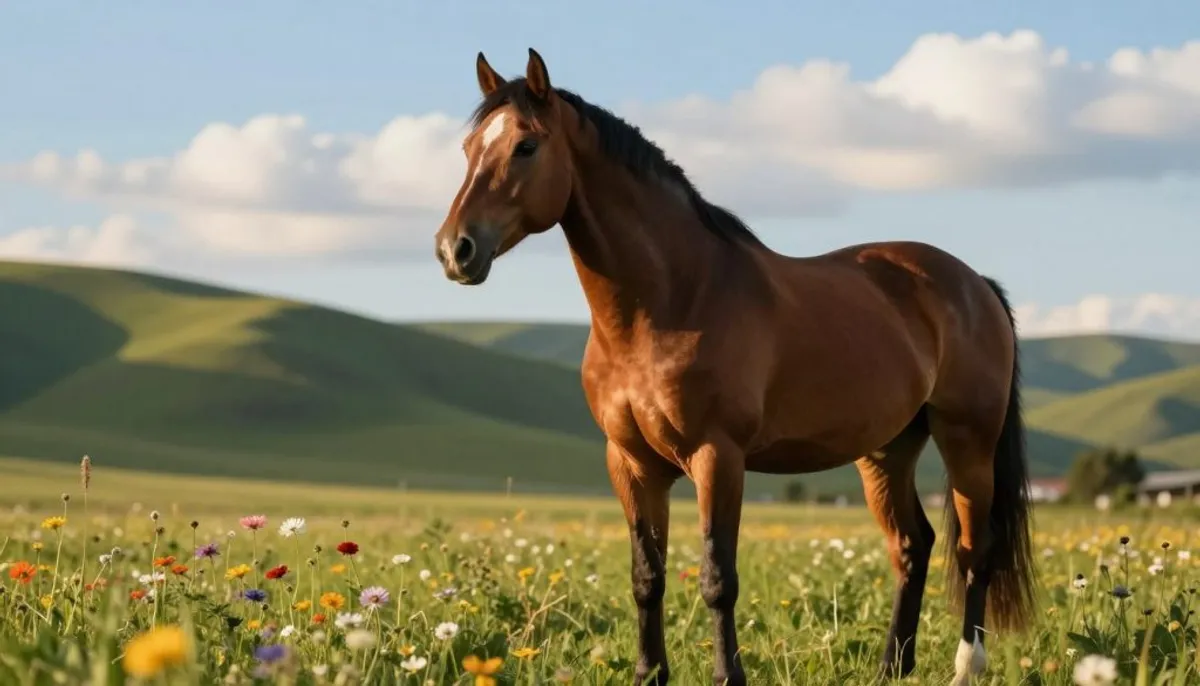
Understanding a mare requires more than just recognizing it. Informed breeders about anatomy, physiology, and management tend to succeed better. This is true because managing reproduction well can lead to excellent results.
This article explores the subject step by step. First, we clarify the vocabulary. Next, we examine the daily characteristics of the mare. We describe its estrous cycle, typically lasting 21 days, ovulation, and the best times for breeding. We also look at how light affects seasonal reproduction.
We also explore anatomy and hormones. Then, we discuss gestation, foaling, and the first weeks of the foal's life. Finally, we talk about usual care and management of a mare farm. This allows us to link theory and practice.
Key Points to Remember
- The mare is the adult form of the female horse and is present in many equestrian activities.
- Understanding its cycle and management improves success in reproduction.
- The daily characteristics of females impact work and observation.
- The estrous cycle lasts about 21 days and varies from one mare to another.
- Light plays a significant role in seasonal reproduction.
- We also cover anatomy, hormones, gestation, foaling, and care required.
Definition and Terminology of the Mare
The equestrian world is rich in specific vocabulary. A term can change everything in breeding or competition. “Mare” refers to a female horse, considering its age and use. To properly identify a female horse, well-defined terms used by everyone are employed.
Female horse, mare, filly: differences in age and use
Talking about “mare” refers to an adult female, generally from 3 years old. Before this age, the term filly is used. In horse racing, “mare” can refer to females over 4 years old.
| Term | Most Common Age | Context of Use | Useful Detail |
|---|---|---|---|
| Filly | Under 3 years | Breeding, breaking, identification | Growth phase; training remains gradual |
| Mare | From 3 years | Riding, work, stud-books | Term mainly reserved for the equine species |
| Mare (equestrian sport) | Often over 4 years | Race programs and categories | The category may depend on regulations and official age |
In a stud-book, the use of these terms is crucial. They help track the life of a female horse. They clarify documents during sales or changes of ownership.
Etymology of the word “mare” and equivalents
The term mare comes from the Latin jumentum. Initially, it referred to a beast of burden and became specific to the female horse around the 12th century. The earliest uses of the term date back to the 6th century.
In English, mare refers to a mare. This translation can also concern other equids, not just horses. There are old forms like mere or mȳre, and it is similar to Mähre in Old High German.
Breeding Mare: when the mare is intended for reproduction
A breeding mare is dedicated to reproduction. Its monitoring focuses on fertility and health. For a breed, it plays a major role in passing its traits to future horses.
A female horse goes through several stages: filly, mare, then breeding mare. These distinctions help communicate precisely among professionals.
Role and Uses of the Female Horse in the Equestrian World
Mares play an important role in stables and competitions. They can be athletes, leisure partners, or become mothers. To keep them in top shape, they need to be observed carefully, follow a routine, and be provided with a peaceful environment.
If one wishes to buy a female horse, it is essential to think carefully about its future role: sport, club, or reproduction. It is also crucial to consider its character, lifestyle, and our availability. Certain times of the year and work rhythms are better suited.
Mare in equestrian sport: same categories as males
In competition, mares often participate in the same events as geldings and stallions. This is true even for the biggest international events. Famous mares like Ratina Z and Silvana*HDC have left an indelible mark in show jumping.
The daily care of mares aims to provide them with stable nutrition and regular medical follow-up. If one plans to buy a female horse for sport, it should be tried in conditions that reflect its future routine. It is not just a matter of performance during a single trial.
Mare in equestrian sport: races by age and sex
At racetracks, races often take into account the age and sex of the animals, especially for the young. Mixed races exist, where fillies can challenge males. Ruffian, a famous American mare, became celebrated after facing a renowned male Thoroughbred.
When looking to buy a female horse for racing, one examines its lineage, precocity, and behavior in the stable and paddock. For them, care includes careful monitoring of their physical condition, movement, and stress before competitions.
Mare's milk: production, interests, and uses
Mare's milk is produced when the animal is well-managed and domesticated. It is traditionally appreciated in Central Asia and Russia for its richness in nutrients. It contains over 40 nutrients, including vitamins and trace elements.
The production of this milk requires rigorous management, focused on the well-being of the mare and her foal. Mares must receive a balanced diet, impeccable hygiene, and a respectful milking schedule.
Mares at work and in clubs: behavioral and management advantages
In clubs, mares are often preferred for teaching riding. They are reliable with children and beginners, especially if they are well supervised. Their mane can also be valued for various uses.
Historically, mares were often chosen for their ease of management, especially where castration was not practiced. However, it is still necessary to consider their biological cycles. For this, animals with a stable temperament and a well-established care routine are sought.
| Use | What the mare brings | Common management points |
|---|---|---|
| Equestrian sport | Same categories as males, access to the highest level, fine sensitivity to aids | Recovery, locomotor follow-up, adaptation of work if variations related to the cycle |
| Equestrian sport | Programs structured by age and sex, potential for early performance | Weight control, injury prevention, stress and transport management |
| Milk production | Enhancement of a traditional product, mother and foal-centered approach | Hygiene, regular planning, rich and constant feeding, monitoring of body condition |
| Club and work | Management often simpler than a stallion, good partner for riding school | Stability of routines, supervision during heat periods, choice of a suitable temperament |
Characteristics of the Female: Behavior, Physiology, and Specificities
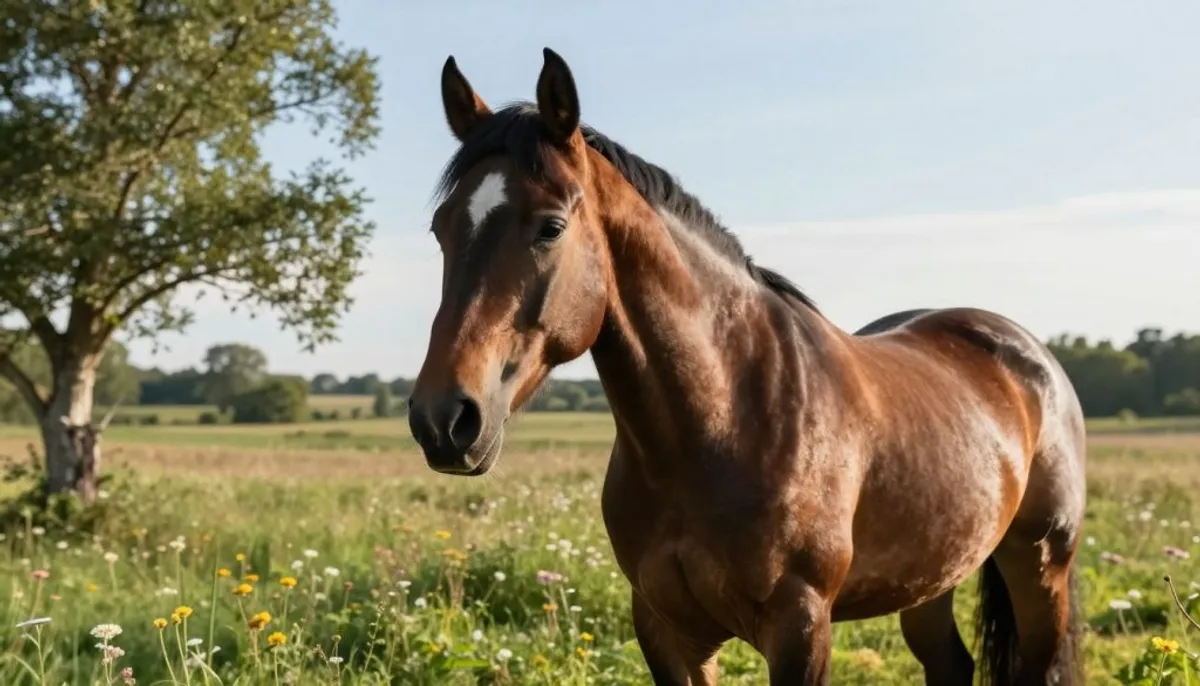
On the ground, the characteristics of females are quickly spotted. This is visible in their routines in the stable, paddock, and during work. A mare can be very stable, but sometimes change attitude without apparent reason. Understanding these variations is crucial for their well-being.
Heat and Sexual Receptivity: what we observe daily
When the days lengthen, often in spring, mares come into heat. They then show more obvious sexual receptivity. We observe a more “open” posture, a tail to the side, and increased urination.
They may become more tactile or more distracted, especially near other horses. The signs vary depending on the environment, stress, and other factors. Noting the dates and behaviors can help understand their cycles.
Potential Impact of Heat, Gestation, and Postpartum on Work
During heat, gestation, and postpartum, a decrease in comfort or performance is noted. A mare may react to girthing and be more sensitive or reactive. Adapting the warm-up and shortening sessions can help.
Gestation also requires special attention, especially in the last three months. If a mare is too young, care must be taken with her diet and follow-up. This avoids complications during birth.
| Period | What we can observe | Simple adjustments in daily life |
|---|---|---|
| Heat | Sensitivity, distraction, variations in attitude during grooming and under saddle | Long warm-up, lighter work, stability of routine and environment |
| End of gestation | Faster fatigue, less available back, need for calm and space | Reduce intensity, prioritize active walking, monitor body condition |
| Postpartum | Priority to the foal, variable recovery, attention to stress | Gradual resumption, short sessions, back comfort, and regular follow-up |
Puberty and Maturity: Practical Milestones (12 to 18 months)
Puberty in mares occurs between 12 and 18 months. It is wise to separate foals from fillies after one year to avoid early breeding. Although possible, early reproduction is not recommended until they reach maturity.
In breeding, it is good to evaluate a mare before breeding: her temperament, ease of care, conformation, and tolerance to examinations. If a mare responds well, it increases the value of the foals and fillies. Good follow-up makes decisions more secure.
Mare's Estrous Cycle: Periods, Duration, and Signs
Understanding a mare's cycle helps with daily management, especially in reproduction. The signs she shows are simple. She may be calmer or seek more attention, raise her tail, urinate frequently, and seek contact.
Observing these signs is useful, but does not replace regular follow-up. It is by noting changes every day that one makes a difference. Each mare is unique in her behavior.
Breeding season: from spring to the end of summer
The breeding season starts in late April or early May and lasts until August. This is the best time for breeding. The heats of mares are easier to identify.
Average cycle: 21 days, with estrous and diestrous phases
The cycle lasts about 21 days, with a possible variation of ± 3 days. There is the estrus phase, when the mare is in heat. Then comes the diestrus phase, when she is generally not receptive.
| Phase | Usual Duration | Frequent Variations | What we often notice |
|---|---|---|---|
| Estrus (heat) | About 6 days | 4 to 10 days | Receptivity, vulvar blinking, more frequent urination |
| Diestrus | About 15 days | 12 to 18 days | Fewer signs, more stable behavior, refusal of the stallion |
Duration of heat: generally 6 days (possible variations)
The duration of heat often varies, ranging from 4 to 10 days. This variation influences the planning of reproduction.
Less fertile period: from September to the end of March
From September to the end of March, the cycle of mares is less regular. They may appear less active or irregular, making fertilization difficult even with good management.
Ovulation and Breeding Windows: Maximizing Chances of Conception
In breeding mares, the secret is perfect timing. One must observe carefully, follow easily, and plan clearly. This allows for accurate targeting without too many interventions. For breeders, this method provides security, especially with multiple mares to manage.
When does ovulation occur during estrus
Ovulation can occur at different times during estrus. Generally, it happens 24 to 48 hours before the end of heat. Since the signs vary, regular follow-up allows one not to miss the ideal moment, which is crucial in mare breeding.
Ideal time for mating or insemination around ovulation
The most favorable moment is 12 hours before or after ovulation. The idea is to have the sperm ready at the right time. If mating occurs during this period, there is a good chance that the mare will become pregnant.
Recommended mating rhythm during heat (every 2 days)
Starting mating on the 2nd or 3rd day of heat, then continuing every 2 days is a common method. This allows for effective coverage of the fertile period without overworking the mare and the stallion.
- Practical tip: note the first day of signs and plan matings at regular intervals.
- Common sense: adjust based on the veterinarian's observations regarding the proximity of ovulation.
Early heats and irregular cycles: why monitor before breeding
In early spring, the first heats can be long and unpredictable. Sometimes, they do not lead to ovulation even if the heats seem normal. It is therefore better to check before planning a mating.
Rectal palpation and, if necessary, ultrasound of the ovaries allow monitoring of follicle growth. This follow-up prevents unnecessary trips and contributes to better organization of matings.
| Point to monitor | What we observe | Recommended window or rhythm | Interest in breeding mares |
|---|---|---|---|
| Ovulation | Can occur at any time during estrus | Often 24 to 48 hours before the end of heat | Reduce “too early” or “too late” matings in mare breeding |
| Mating / insemination | Synchronization with ovulation | Within 12 hours before or after ovulation | Increase chances of carrying in mare reproduction |
| Rhythm during estrus | Active heats, receptive mare | From the 2nd–3rd day, then every 2 days | Keep simple and regular organization in mare breeding |
| Early heats (spring) | Long heats, irregular cycles, sometimes absent ovulation | Control before breeding: rectal palpation of ovaries, follicular monitoring | Avoid unhelpful matings and better plan mare breeding |
Seasonal Cycle and Photoperiod: Why Light Changes Everything
The mare's cycle is not simply governed by her hormones. The length of the day plays a key role, influencing her fertility throughout the seasons. For breeders, it is crucial to grasp this mechanism to avoid surprises during the breeding period.
Gradual resumption of cycles in spring: long and irregular heats
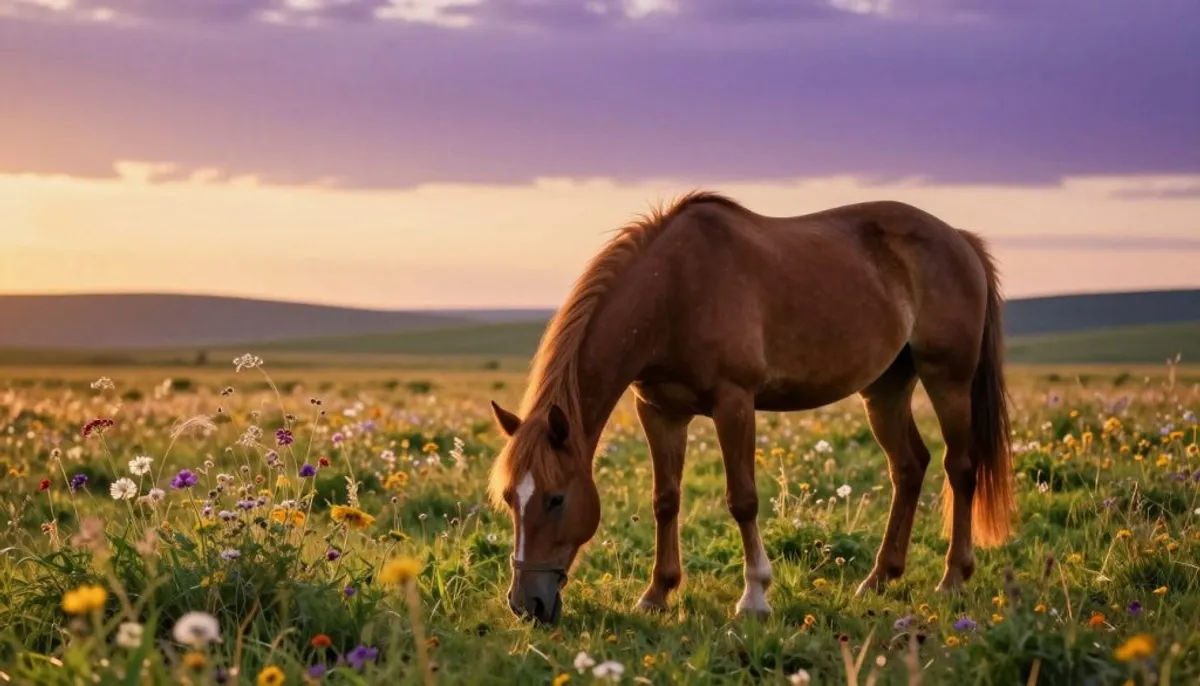
In spring, the first heats of mares can last and be imprecise. They may be receptive for 20 to 30 days, or more, without stable ovulation. During this phase, monitoring mares and choosing the right stallion is paramount.
Mares are often more receptive at the end of March, in April, and May. The rhythm of heats becomes regular from late April until the end of August. This shows that breeding too early can lead to variable results.
Influence of lengthening days on the return to a normal cycle
The lengthening of days helps restore a regular cycle. The longer the days, the more the brain stimulates hormones and the ovaries function normally. In a breeding environment, signs of heat become clearer, and cycles approach a 21-day interval.
This seasonal routine is useful for managing breeding. It allows for planning the monitoring of heats, using facilities, and organizing matings. It also shows that two mares in the same pasture can resume their regular cycles within a few weeks of each other.
Management by artificial light: general principle to advance the season
Using artificial light allows simulating the lengthening of days. Extending the daily light duration mimics spring conditions. This is practical for obtaining more regular cycles earlier.
The key is consistency: same hours, same duration, in a calm environment. Decisions are made with the veterinarian for a harmonious integration into the breeding program.
| Period | What we often observe | Impact in mare breeding | Point of attention for breeding mares |
|---|---|---|---|
| End of March to April | Frequent receptivity, sometimes long and irregular heats | Tighter monitoring, risk of “false start” if ovulation is delayed | Note signs, confirm if necessary through veterinary checks |
| End of April to end of August | More stable cycles, more predictable breeding windows | Smoother organization of matings, better readability | Plan matings according to sporting objectives and calendar |
| Autumn to end of winter | Reduced ovarian activity, less frequent cycles | Less heat observed, reproduction often slowed | Adapt expectations, body condition, and feeding behavior |
| Extended photoperiod (artificial light) | Possible earlier resumption, if the routine is maintained | Management tool, useful for aligning the program | Implement a constant and coherent protocol |
Reproductive Anatomy of the Mare: Understanding Key Organs
To understand how mares reproduce, it is useful to visualize their reproductive system. This goes from ovulation to the uterus. Each organ in the mare has a specific role. Taking care of her involves understanding these organs simply.
Ovaries: production of eggs and hormones (estrogens, progesterone)
The ovaries are essential in the mare. They produce eggs and release them during ovulation. They also secrete hormones like estrogens and progesterone.
These hormones affect the mare's behavior during heat. This shows the importance of monitoring her behaviors alongside veterinary follow-up.
Oviducts and Infundibulum: capturing the egg and site of fertilization
The infundibulum is located at the end of the oviduct. It resembles a funnel and captures the egg released by the ovary. It then guides the egg into the oviduct, which is a narrow conduit.
In the oviduct, sperm meet and fertilize the egg. This usually happens in the upper part of the oviduct. Then, the fertilized egg moves toward the uterus.
Uterus, Cervix, Vagina, Vulva: roles during heat and gestation
The mare's uterus has a body and two horns that connect to the oviducts. It receives the semen, and it is where the embryo develops and nourishes.
The vagina is located between the cervix and the vulva. The vulva includes the external genitourinary parts. It plays a role in protection against infections.
The Cervix: opening during heat, closing outside heat and during gestation
The cervix is about 10 cm long. It helps keep the uterus sterile, which is crucial for reproductive health.
It opens during heat to allow the passage of semen. Then, it closes until the next heat. During gestation, it remains closed to protect the uterus.
| Organ | Main Role | What we monitor daily |
|---|---|---|
| Ovaries | Production of the egg and secretion of estrogens/progesterone | Changes in receptivity, irregular cycles, ultrasound follow-up |
| Infundibulum + Oviduct | Capturing the egg, transport, site of fertilization (upper third) | Coordination with the timing of mating/insemination, fertility history |
| Uterus (body + two horns) | Receptacle for semen, development and nutrition of the embryo | Quality of discharges, uterine tone, inflammation to detect |
| Cervix | Sanitary barrier: open during heat, closed outside heat and during gestation | Infections, scarring, proper closure after mating |
| Vagina + Vulva | Pelvic-genital tract and external protection | Cleanliness, conformation, irritation, signs of discomfort |
Hormones and Mare Reproduction: What Drives the Cycle
To grasp reproduction in mares, one must pay attention to hormones. They govern the entire cycle, from follicle development to the uterus.
These clues also help us understand the link between the mare's behavior and her reproductive cycle. This is particularly true in spring.
The hormones FSH and LH are produced by the pituitary gland, located at the base of the skull. With the increasing light in spring, FSH promotes the growth of a follicle containing an egg.
Once the follicle is mature, a surge of LH triggers ovulation. The follicle first becomes a corpus hemorrhagicum, then a corpus luteum, marking a crucial stage.
The developing follicle releases estrogens. These hormones are responsible for the signs of heat and prepare the reproductive system for gestation.
When estrogens reach a high level, the pituitary gland releases a large amount of LH. This precise moment is as important as observing the mare's behavior.
After ovulation, the corpus luteum secretes progesterone. This reduces the release of LH and the signs of heat, making the mare calmer.
Progesterone plays a key role in creating a stable environment in the uterus. This is essential for the phase following ovulation.
If the mare is not fertilized, the corpus luteum remains active for about two weeks. After that, the endometrium produces prostaglandin, triggering the end of the corpus luteum cycle.
The drop in progesterone marks the beginning of a new cycle. This makes the reproductive cycle of mares quite predictable.
During gestation, mares present a particularity: the endometrial cups. They start developing between the 25th and 36th day, surrounding the amniotic sac.
Shortly after, around the 37th day, these cells penetrate the endometrium and produce eCG. The eCG stimulates the formation of additional corpora lutea, supporting progesterone until the 130th day.
From 80 days, the uterus and the fetus also contribute to hormonal maintenance. This evolution helps us understand the mare's behavior during gestation.
| Hormone | Main Source | Key Effect on the Cycle | What we often observe | Useful Timeframe |
|---|---|---|---|---|
| FSH | Pituitary | Triggers follicular growth | Follicle enlarging on ultrasound | Increases with lengthening days |
| LH | Pituitary | Surge that triggers ovulation, then formation of the corpus luteum | Ovulation, then change in heat dynamics | Peak close to ovulation |
| Estrogens | Growing follicle | Signs of estrus and preparation of the cervix and uterus | Acceptance of the stallion, more “flexible” vulva, more open cervix | Increase before the LH surge |
| Progesterone | Corpus luteum (then secondary corpora lutea, then fetal-placental relay) | Stabilizes the uterus and inhibits the expression of estrus | Absence of heat, more constant behavior | Dominant after ovulation; prolonged maintenance during gestation |
| Prostaglandin | Endometrium | Luteolysis and restarting the cycle if fertilization does not occur | Return of heat after drop in progesterone | Release around 12–14 days after ovulation |
| eCG | Endometrial cups | Stimulates secondary follicles and secondary corpora lutea | Supported progesterone levels at the beginning of gestation | Cups active around 37 days; support until 130–150 days |
Gestation, Foaling, and the First Weeks of the Foal
In mare reproduction, we follow simple and precise milestones. To manage breeding well, we observe the calendar and the behaviors of the mares. Each mare has her own rhythm, which makes their monitoring very important.
Fertilization and Embryonic Migration: about 6 days to the uterus
Fertilization begins with the deposition of sperm in the uterus, which can be natural or through insemination. Contractions aided by estrogens push the sperm toward the egg. Once the egg is captured, they form a zygote.
The embryo arrives in the uterus after about 6 days. At this stage, progesterone creates a stable environment for it. This hormonal support is crucial, especially to secure the first days of gestation.
Mobility of the Embryo until Days 16–17: Role in Maintaining Gestation
Until the 16th or 17th day after ovulation, the embryo moves within the uterus. The walls of the uterus become thicker, and the embryonic vesicle grows. This mobility plays a key role in stopping heats and helping maintain gestation.
Implantation and Placenta: milestones around Days 35 to 45
Implantation of the future foal occurs around the 35th day. Before this, the amniotic sac is not yet fixed, making this phase delicate. The placenta begins its development between the 40th and 45th day.
These milestones help organize follow-up in breeding. We try to provide a calm routine, with minimal handling and constant comfort for the mare.
Duration of Gestation: on average 340 days (possible variations)
Gestation lasts on average 340 days, with possible variations. Depending on the breed and other factors, this duration can change. However, the onset of foaling is triggered by hormonal and mechanical signals.
| Stage | Timeframe | What we observe | Interest in mare reproduction |
|---|---|---|---|
| Arrival in the uterus | ≈ 6 days | Embryo still very small, environment under progesterone | Confirm timing and avoid unnecessary stress |
| Embryonic mobility | Until Day 16–17 | Movements in the uterus, vesicle growing | Contributes to maintaining gestation in the mare |
| Implantation | ≈ Day 35 | Progressive fixation, increasing stability | Key milestone for structuring follow-up in mare breeding |
| Beginning of placenta formation | Days 40–45 | Maternal-fetal exchanges starting to take place | Important framework for fetal growth |
| Average duration of gestation | ≈ 340 days (± 20) | Frequent individual variations | Plan monitoring without locking in a single date |
After Birth: Quick Standing and Colostrum Intake
Foals seek to stand quickly after birth. A healthy foal tries to nurse about 30 minutes after being born. Colostrum is vital in the first hours to protect them against infections.
In breeding, we monitor the vitality of the foal and the mother-young relationship. Having a calm mare facilitates follow-up and reduces interventions.
Weaning: generally between 5 and 8 months depending on the breeding situation
Weaning of the foal occurs between 5 and 8 months. This varies according to the breeding and other circumstances like a new gestation. A gentle transition reduces stress and ensures stable feeding.
Twins: rarity and reasons why it is undesirable
The birth of twins in mares is rare and often problematic. Twins may be weaker compared to their peers. It is therefore crucial to monitor closely to ensure the birth of a healthy foal.
Mare Breeding, Mare Farm, and Daily Care for Mares
Every day, mare breeding follows simple yet essential steps. A well-organized mare farm allows tracking of reproductive cycles. It facilitates the planning of matings and maintains calming routines. All these cares require attention to details such as observation, keeping a follow-up log, and performing precise actions.
The physical condition of the mare has a significant impact on her fertility. A moderately fat mare shows certain signs, such as a slight ridge on the back. Her ribs are less visible, and she accumulates some fat on the neck and around the withers. This leads to more regular reproductive cycles and increases the chances of conception.
Nutrition is crucial for reproduction. It is important to aim for a balanced diet, rich in nutrients. This is particularly important for young mares, those in late gestation, or those that are nursing. Their dietary needs change rapidly.
Follow-up by a veterinarian is essential. From 12 to 15 days after mating, a rectal ultrasound can confirm gestation. This allows for quick detection of any problems. In a mare farm, this helps avoid wasting time unnecessarily.
Between the 45th and 120th days, a serological test can reveal the presence of eCG. This means that the mare was pregnant until the 37th day. This test is useful for deciding if new matings are necessary without waiting.
In organizing breeding, a few simple rules should be followed:
- track an average cycle of about 21 days and note signs of estrus,
- identify early heats and irregular cycles,
- aim for mating every 2 days during estrus,
- use palpation and ultrasound to determine the timing of ovulation.
The stallion's capacity is also to be considered. With natural mating, a well-managed stallion can sire up to 100 foals per year. Artificial insemination can increase this number. These decisions influence the management and logistics of breeding.
Comfort in daily life is crucial. La Sellerie Française offers high-end equipment, entirely made in France. Their unique or limited edition creations are made by French artisans. For sensitive mares, this quality equipment ensures gentler and easier care.
| Control Point | What we look at | What it changes in practice |
|---|---|---|
| Body Condition | Silhouette, coverage of ribs, fat at the withers and neck | Earlier cycles and better conception dynamics |
| Nutrition | Quality of forages, balance of minerals/vitamins, adjustments according to age and stage | Better preparation for reproduction and more stable management |
| Ultrasound 12–15 days | Confirmation of gestation and early monitoring | Quick decisions in the mare farm |
| eCG Test 45–120 days | Trace of a pregnancy until the 37th day, interpretation to contextualize | Helps to reprogram a mating if needed |
| Organization of Matings | Tracking heats, rhythm every 2 days, targeted examinations | Smoother planning and better use of the stallion |
If you wish to acquire a mare, these tips are essential. In a quality mare farm, meticulous follow-up is evident. This helps choose a mare that meets your expectations, whether for sport, leisure, or reproduction.
Conclusion
The mare, also called a female horse, follows a fairly precise reproductive cycle. This cycle lasts 21 days. It begins with an estrus phase, then a diestrus phase. The best period for reproduction runs from late April/early May to August in France. From September to the end of March, their fertility decreases.
Good timing is crucial for breeding mares. Ovulation often occurs 24 to 48 hours before the end of estrus. The best time for mating is ± 12 hours around this moment. Mating or inseminating every 2 days during this phase increases the chances of conception.
The seasons can bring surprises. In spring, the cycle of mares can be long and irregular, lasting up to 20–30 days. This is due to the photoperiod stabilizing the rhythm. Sometimes, the use of artificial light can advance the breeding season if done consistently.
To succeed, one must follow simple rules. A mare should be in good body condition, have a balanced diet, and regular veterinary follow-up. An ultrasound around 12–15 days, then a check between 45–120 days helps confirm gestation. The establishment of the placenta occurs around 40–45 days.
An effective management of reproduction makes things more predictable. From birth, which occurs after about 340 days ± 20, to the first moments of the foal standing and nursing within 30 minutes. Weaning occurs between 5 and 8 months. However, the birth of twins remains rare and undesirable.
FAQ
What exactly is a mare?
A mare is the adult female of a horse. She is considered an adult at over 3 years old. Mares are very present in sport, work, and breeding.
What is the difference between female horse, mare, and filly?
“Female horse” is a general term. A filly is under 3 years old. A mare is an adult, often considered so after 3 years. In equestrian sport, this term is sometimes used for females over 4 years old.
Does the word “mare” apply to other species?
No, the term “mare” is reserved for horses. However, “stallion” can refer to the male in other species. In English, “mare” can also refer to other equids.
Where does the word “mare” come from?
The word “mare” comes from the Latin “jumentum”. Initially, it referred to a beast of burden. It took on the meaning of female horse in the 12th century.
What is a breeding mare?
A breeding mare is a mare used for reproduction. Her health is closely monitored to ensure healthy births.
Do mares compete at the same level as males in equestrian sports?
Yes, in most competitions, mares and males compete together, even at the highest level. Famous mares have proven their talent in international competitions.
In racing (equestrian sport), are mares separated from males?
In equestrian sport, there is often a separation by age and sex. However, some major races remain open to fillies. Ruffian, a famous American mare, made history with a match against the best male of the time.
Why are mares often preferred in clubs and for learning?
In clubs, mares are often preferred for teaching, especially with children and beginners. This is due to their ease of management and control in daily life.
Do heats change a mare's behavior daily?
Yes, during heat, the mare's behavior changes. This phenomenon varies from animal to animal. Many mares come into heat regularly in spring.
Can heats, gestation, or postpartum reduce work availability?
Pregnancy, heats, and the first months after birth can affect the mare's work. This changes depending on each case.
At what age does a female reach puberty, and when should foals and fillies be separated?
Horses reach puberty between 12 and 18 months. It is recommended to separate males and females after one year to avoid early fertilizations.
Is reproduction in young mares recommended?
It can be done, but it is not advisable. If a young mare is pregnant, she requires a specific diet and care. There is a higher risk of complications during delivery.
When does the breeding season occur in mares?
The normal breeding season runs from late April to August. Outside this period, it is more difficult for mares to conceive.
What is the duration of a mare's estrous cycle?
The estrous cycle lasts on average 21 days. There are two phases: estrus (heat) and diestrus.
How long does heat last in a mare?
The estrus in a mare generally lasts 6 days. This can vary from 4 to 10 days. The diestrus lasts about 15 days, ranging from 12 to 18 days.
What is the least fertile period for the mare?
From September to March, fertility decreases. This makes planning matings more difficult.
When does ovulation occur during heat?
Ovulation often occurs 24 to 48 hours before the end of heat. However, it can happen at any time during estrus.
What is the best time for mating or insemination?
The best time is 12 hours before or after ovulation. Veterinary follow-up helps determine this precise moment.
What mating rhythm is recommended during estrus?
Mating or insemination is often started on the 2nd or 3rd day of heat. Repeating the operation every 2 days during estrus can improve chances of conception.
Why do early heats in spring require monitoring?
In spring, the first heats can be long and irregular. They do not always lead to ovulation. It is recommended to conduct examinations before proceeding with mating.
Why does light influence mare reproduction?
The lengthening of days stimulates the pituitary gland. This promotes hormone production and regularizes the cycle in spring.
Can the breeding season be advanced with artificial lighting?
Yes, by artificially increasing the duration of daily light exposure, one can stimulate the onset of heats earlier.
Which organs are key in the reproductive anatomy of the mare?
The ovaries produce eggs and hormones. The infundibulum captures the egg. The oviduct transports the egg and sperm. Fertilization occurs in the oviduct. The uterus hosts the embryo, and the cervix controls access to the uterus.
What is the role of the cervix during heat and gestation?
The cervix helps maintain a conducive environment in the uterus. It opens during heat for reproduction, then closes.
What hormones drive the mare's cycle?
The pituitary gland produces FSH and LH. FSH stimulates the ovaries. Estrogens prepare the uterus. LH triggers ovulation. Progesterone is secreted by the corpus luteum.
What is the role of prostaglandin in the cycle?
If not fertilized, the mare releases prostaglandin. This causes regression of the corpus luteum, decreases progesterone, and restarts the cycle.
What is eCG and the endometrial cups in a pregnant mare?
Between the 25th and 36th day of gestation, cells form cups that secrete eCG. This hormone supports gestation until days 130 to 150.
After fertilization, when does the embryo arrive in the uterus?
The embryo reaches the uterus in 6 days. During this journey, the uterus is influenced by progesterone.
Why does the embryo move in the uterus at the beginning of gestation?
The embryo moves until days 16-17 after ovulation. This mobility helps it stay in the uterus and prevents the cycle from resuming.
When do implantation and placenta formation occur?
Implantation begins around the 35th day. The formation of the placenta starts shortly after, around days 40 to 45.
How long does gestation last in a mare?
Gestation lasts on average 340 days, but this can vary. The duration may differ according to breed and individual.
What should be monitored immediately after the foal's birth?
The foal must stand and nurse quickly. This reduces the risk of infection.
At what age does weaning occur?
Weaning generally occurs between 5 and 8 months. This can vary depending on the mare's situation.
Are twins common in mares?
No, twin births are rare and risky. Twins are often less developed than normal.
Can a mare have more than one foal per year?
Generally, a mare has one foal per year. The goal is to ensure the health of each pregnancy rather than increase the number.
Why does body condition influence fertility?
A mare in good physical condition has better cycles and conception rates. Mares that are too thin have more difficulties reproducing.
What type of nutrition should be prepared before and during reproduction?
The food must be sufficient, of high quality, and balanced, especially for mares that are pregnant or nursing.
When should an ultrasound be performed after mating?
It is advisable to perform an ultrasound 12 to 15 days after mating to confirm gestation.
What is the purpose of the eCG test between 45 and 120 days, and what are its limitations?
This test shows if the mare was pregnant until the 37th day, but does not guarantee that she is still pregnant. It serves to identify non-pregnant mares for new mating.
How to organize a mare farm to improve conception rates?
Good management includes tracking cycles, identifying heats, and planning matings. Veterinary examinations help determine the best time for ovulation.
What is the link between managing a stallion and the breeding strategy for mares?
A stallion can sire up to 100 foals per year. Artificial insemination allows for increasing this number, influencing the breeding strategy.
How to choose equipment for the comfort of a mare at work, in a club, or in breeding?
Well-being depends on suitable and well-fitted equipment. La Sellerie Française offers quality products, tailored to each mare, to ensure their comfort at work.
What points to check before buying a female horse intended for reproduction?
Before purchasing, examine the health, reproductive cycle, and history of the mare. Good management increases the chances of regular reproduction and the quality of offspring.
RelatedRelated articles
- 10 Mar 2026·19 min readLocation of the Facteur Cheval PalaceGeneral
 Are you wondering where the Palais du Facteur Cheval is located? It's easy to find. It's in France, in the beautiful region of Auvergne-Rhône-Alpes, specifically in Hauterives Drôme. Finding the ideal palace is quite simple thanks to its location. It...