
Welcoming a horse is a life-changing experience. These animals have specific needs that require attention. In our guide, you will find everything about horse care, animal welfare, equestrian equipment, and saddlery. All of this is tailored for France and Quebec.
Our primary source is the Code of Practices for equines. It was published by Equine Canada and the National Council for the Care of Farm Animals. Replacing the 1998 version, it is based on scientific evidence. Over 580 individuals and 24 organizations participated in its revision, contributing data from nearly 3,500 surveys.
Since 2024, the MAPAQ in Quebec requires compliance with this Code. Shelters must have a permit. Each confined space must therefore have enough absorbent bedding. These rules complement the best practices already in place in France.
Our advice is based on the "Five Freedoms" of the Farm Animal Welfare Council. They are recognized by the World Organization for Animal Health. These freedoms include: no hunger or thirst, no discomfort, protection from pain and disease, the ability to act naturally, and no fear or stress.
The importance of caretakers is emphasized. They must provide safe shelter, water, adequate food, allow for free movement, social contacts, rigorous veterinary follow-up, regular hoof maintenance, an emergency plan, and make thoughtful end-of-life decisions. These needs apply both in the stable and in the pasture, in France and Quebec.
In our guide, you will learn how to manage daily life, ensure your horse's health, choose the right saddlery, equestrian equipment, and prepare for your horse's career changes. Our goal is to combine science, ethics, and pleasure for your horse's well-being and an enriched relationship.
Key Points
- A common framework: Code of Practices for equines (Equine Canada, CNSAE), useful for France and Quebec.
- 2024 context in Quebec: compliance with the Code, permits for shelters, mandatory absorbent bedding in confinement.
- Ethical reference: the Five Freedoms to assess animal welfare at every stage.
- Field priorities: shelter, water, food, movement, social bonds, veterinary care, and hooves.
- Practical approach: daily management, saddlery, and equestrian equipment suitable for the horse and its use.
- Informed decisions: prevention, biosecurity, and emergency preparedness for responsible horse care.
Understanding the equine: fundamental needs, welfare, and behaviors
An equine enjoys being with others and eats plants. It is easily frightened, so it is always alert. It needs a safe place with adequate water and food, freedom to move, and genuine social contacts.
Watching the horse daily can prevent accidents and stress. A consistent routine with well-placed hay helps the group live without tension.
Essential needs: water, appropriate food, freedom of movement, and social contacts
Access to clean water and a good meal full of fiber is crucial. This aids their digestion and gives them energy. It is important to adjust food according to age, activity level, and season.
Moving freely helps avoid health problems. Having horse friends reduces boredom. They can play and groom each other.
- Provide hay as needed, with supplements if necessary.
- Allow access to a place to walk and rest.
- At least one other horse should be present for companionship or a safe view of others.
Year-round pasture life: natural or constructed shelter, dry space, secure fencing
Horses enjoy living outdoors if the place is dry. A good shelter protects them from bad weather.
It is essential to have safe fencing. Horses must be able to move away if necessary. Outside, they can move freely and have friends.
- A place to drink, a solid hay rack, and salt to eat.
- Rotate horses to care for the grass and soil.
- Clean paths to drink and eat.
Stable life: recommended dimensions, absorbent bedding, daily outings, and exercise
A stable of 3 m x 3 m is good for a horse. Good bedding helps with rest and keeps the air clean.
Going outside every day is vital. This can be in a paddock or on a walk. It keeps the horse happy and fit.
- Regular ventilation, clean water always available.
- Divide food into several portions to mimic grazing.
- A window to see friends safely.
The "Five Freedoms" as a framework for equine welfare
The Five Freedoms are important: no hunger or thirst; comfort; no suffering; living normally; no fear.
This means good water and food, a clean place to sleep, prompt care, freedom to move, and genuine social contacts.
Framework and best practices for horse care in France and Quebec
In France and Quebec, caring for horses, donkeys, and mules is taken seriously. A precise welfare regulation is followed to ensure a good life for them. This regulation includes basic rules, helpful advice, and ongoing attention to biosecurity. Those who own these animals must prevent diseases, ensure good hygiene, and provide quick access to veterinary care.
Code of practices for the care and handling of equines: requirements and recommendations
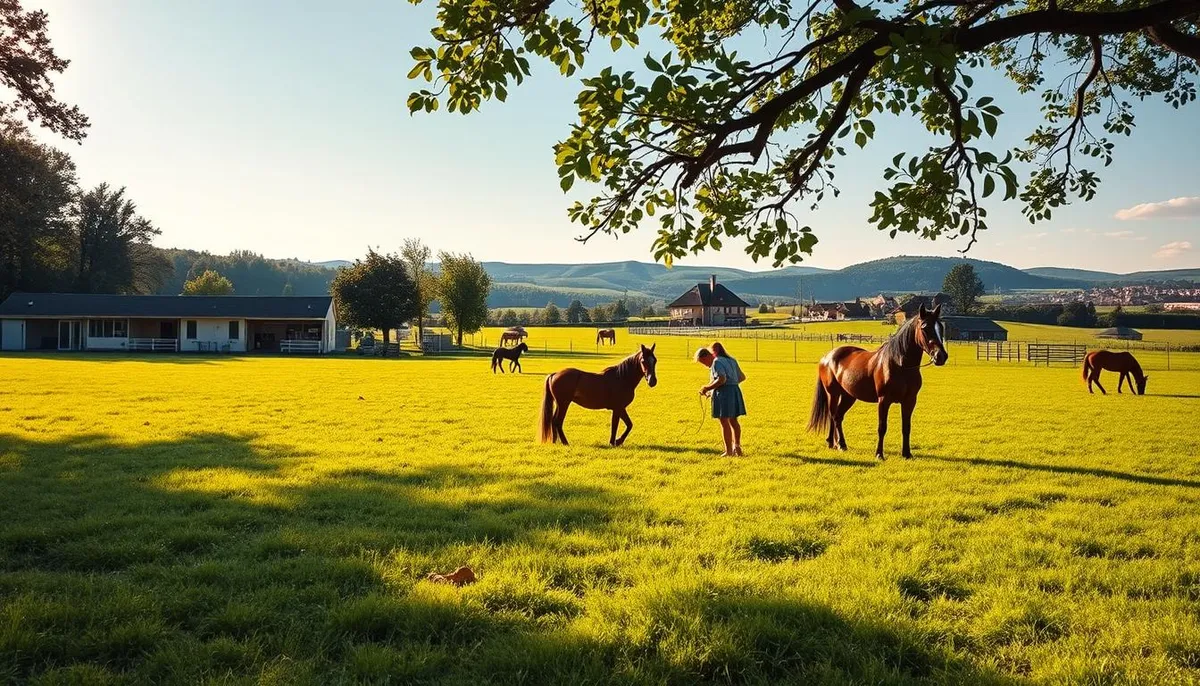
The Code of Practices for Equines establishes rules for properly caring for horses. It specifies what is mandatory and what is recommended to continuously improve care. A group of various experts creates these rules, supported by scientific studies. These rules are regularly reviewed to remain up to date.
This means having shelter, water, and fiber available at all times. It is necessary to ensure a safe space, frequent outings, and a simple biosecurity plan. Owners must also care for hooves, manage pain, and be prepared for emergencies.
2024 MAPAQ Update: welfare, permits for shelters, bedding obligations
In Quebec, the update of the MAPAQ 2024 tightens the rules of the Code of Practices for Equines. Shelters must now have a permit with strict conditions. Also, a good bedding substrate is required to keep horses dry and comfortable.
Horse Quebec is behind these new rules. It emphasizes the need to avoid harsh treatments, use non-violent equipment, and not work a wounded horse. Being attentive to biosecurity and having quick access to a veterinarian are essential for the welfare of horses.
Responsibilities of owners and caretakers: prevention, veterinary care, biosecurity
Horse owners must vaccinate them, regularly care for their feet, and feed them properly. They must also consult the veterinarian promptly and keep up with care. Good biosecurity involves isolating newcomers, keeping equipment clean, and monitoring health.
In France, these actions comply with welfare regulations and the directives of the IFCE and equine veterinarians. Having regular appointments, a clean environment, and gentle handling demonstrates the seriousness of these daily obligations.
Daily horse care: health, grooming, hooves, and dentistry
Regular care is essential for your horse. Observing calmly, grooming well, monitoring its vital signs, and providing safe food are the basics. These actions reduce stress and prevent problems, from hooves to teeth.
Health program: vaccinations, rational deworming, monitoring vital signs
A vaccination program, created with your veterinarian, protects the horse against certain diseases. Deworming requires special attention and a specific method. This is important even without strict rules.
Check the horse's vital signs daily. Keep an eye on its temperature, heart rate, respiration, hydration, appetite, and droppings. Regular dental care is crucial for its health.
Grooming and hoof care: preventing lameness and laminitis
Grooming is good for blood circulation, cleans the skin, and shows minor injuries. Clean the hooves daily, and ensure that trimming and shoeing are done regularly. A dry surface also helps.
To prevent laminitis, monitor the horse's weight and adjust its exercise. Regularly check the temperature of its feet and pulse to prevent any issues.
Safe feeding and water management in all seasons
Good feeding is crucial. Start with forages, adjust concentrates according to needs, and make gradual changes. Divide meals and reduce sugars for better digestion and to avoid laminitis.
Water must always be clean and at a good temperature. Adjust feeding and water according to the climate to keep your horse healthy.
| Key Element | Recommended Frequency | Check Point | Direct Benefit |
|---|---|---|---|
| Equine Vaccinations | Annual or as per protocol | Updated record, flu/tetanus reminder | Immunity and reduced outbreaks |
| Rational Deworming | Fecal exams 2–4 times/year | Parasite load, rotation of molecules | Sustainable effectiveness, less resistance |
| Vital Signs | Daily | Temperature, heart rate, respiration, hydration | Early alerts and quick decisions |
| Complete Grooming | Daily | Skin, coat, clean tack | Hygiene, comfort, and injury detection |
| Hooves (cleaning/trimming) | Daily cleaning, trimming 5–8 weeks | Clean sole, balance, appropriate shoeing | Prevention of lameness and laminitis |
| Dental Care | 6–12 months | Wear surfaces, overgrowth, pain | Effective chewing and body condition |
| Safe Feeding | Seasonal reviews | Priority forage, limited sugars | Stable digestion and controlled weight |
| Horse Water | Permanent access | Cleanliness, temperature, flow | Hydration and prevention of colic |
Equipment and saddlery: choice, safety, and performance
Choosing good equestrian equipment is essential. It should help in moving well, avoid injury, and keep everyone safe. Each accessory should make riding more enjoyable and precise.
Before buying, consider what you need, the shape of the horse, and your experience. Testing the equipment while riding and checking when the horse is still can prevent costly mistakes. The idea is to perform well without causing harm.
Saddles, bridles, and protections: adjustment, comfort, and injury prevention
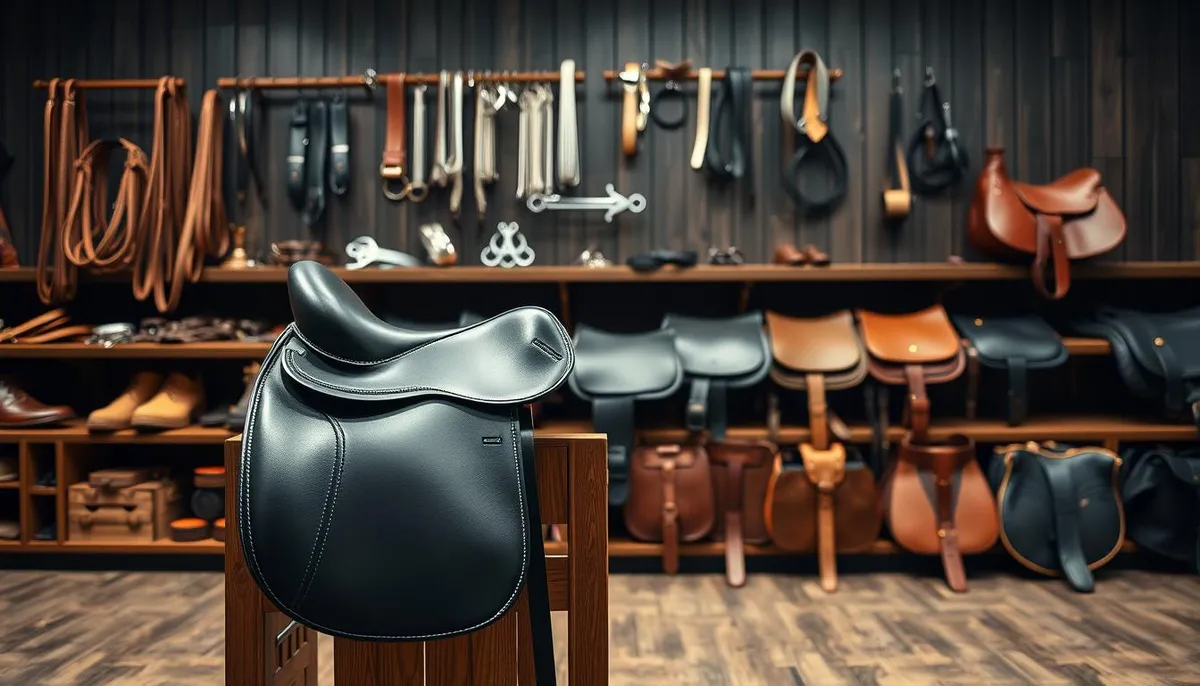
Check the fit of the saddle while stationary and in motion. It is important that nothing injures or compresses the horse. Good protections help as well.
Ensure that the saddle is well placed and does not hurt the horse. Check everything that may tighten or slip. Choosing a soft and well-fitted bit is crucial for the horse's well-being.
Proper adjustment of the equipment prevents problems, avoids injuries, and enhances the bond between the rider and the horse. This makes riding safer for everyone.
Durable materials and local manufacturing: focus on La Sellerie Française
The type of materials chosen influences the durability and ethics of the equipment. Using quality leather, strong stitching, and good materials ensures the equipment's resilience. La Sellerie Française is proud to produce everything in France, ensuring quality control from start to finish.
The artisans working for La Sellerie Française create comfortable, stable, and well-finished equipment. Whether you ride for pleasure or competition, choosing this quality is a good investment.
Customization and limited editions: advantages for equestrian competition and leisure
A custom-made saddle takes into account the unique shape of each horse. It is tailored to each discipline, whether for dressage or show jumping.
La Sellerie Française offers limited editions, ensuring superior quality and consistency. Customization options allow each rider to find what suits them best.
Maintenance of equipment for safe and lasting saddlery
It is important to clean the equipment after each use. Cleaning the leather and gently greasing it keeps it in good condition. Regularly check the condition of your equipment to prevent accidents.
- Dry the equipment away from heat.
- Replace damaged parts without delay.
- Store your equipment in a well-ventilated, organized place.
Caring for your equipment helps it last longer. This supports excellent French manufacturing and ensures daily safety.
Horse breeds and uses: leisure, trail riding, work, and competition
Choosing a type of horse goes beyond aesthetics. It involves comparing your goals, budget, and time. Whether for pleasure, trail riding, or competition, each activity requires specific qualities in the horse, such as a good temperament, energy, and trainability. Expert advice in show jumping, dressage, eventing, driving, or western riding is valuable for making the right choice.
Practical tip: try to have a trial at an equestrian club and consult a veterinarian before purchasing. Assess its appearance, how it moves, and whether its level matches yours. Safety is the priority at every stage.
Choosing a horse breed based on level, temperament, and purpose
A beginner finds comfort with a docile and sturdy breed. The Norman Cob, Fjord, or Quarter Horse are perfect for leisure due to their calmness. They also show versatility for progressing in other disciplines.
For those more experienced, the Anglo-Arab, Selle Français, or even the retired Thoroughbred may be suitable. It is important to choose well based on character, physique, and the intended discipline. Training must be adapted and respectful.
Before buying, test the horse both outdoors and in the arena. Take lessons, check the feet and teeth, and ensure veterinary follow-up. Safety is essential, even during trials.
From the equestrian club to equestrian competition: disciplines, training, and welfare
In the club, learn the basics such as responding to commands, maintaining balance, and being consistent. Vary training and allow breaks to avoid exhaustion. Never force with the reins and avoid overusing spurs or the whip.
In competition, organize training to combine flat work, muscle strengthening, and precise planning. Ensure that the horse socializes, goes to the paddock, and eats a balanced diet. Biosecurity measures prevent diseases during competitions.
Dressage, jumping, eventing, or driving require tailored training. Be sure to distribute sessions well, warm up, and recover properly. Follow-up by an osteopath and a dentist helps maintain good performance while ensuring the animal's welfare.
Trail riding and outdoor activities: safety, preparation, and equipment
Trail riding requires a reliable horse, accustomed to elements such as water, slopes, and wildlife. Prepare it physically, check its feet, and manage its effort. Plan the route, water points, and breaks for morale and tendon health.
Use appropriate equipment such as a simple bridle, a fitted saddle, and lightweight saddlebags. Don’t forget a halter, a lead rope, a pocket knife, a light blanket, and a first aid kit. Check safety rules and transportation means before departing.
Communicate your route to the club, monitor the weather, and inspect fences during breaks. A well-prepared horse and a cautious rider minimize risks.
| Goal | Indicative Horse Breed | Key Qualities | Training Focus | Safety Elements |
|---|---|---|---|---|
| Leisure Riding | Fjord, Norman Cob, Quarter Horse | Calm, endurance, sure-footedness | Flat work base, regular outdoor | Helmet, vest, supervision in equestrian club |
| Trail Riding | Arabian, Haflinger, Mérens | Frugality, cardio, orientation | Varied terrains, pace management | Emergency kit, regular farriery, itinerary plan |
| Equestrian Competition – Dressage | Selle Français, Lusitano | Flexibility, balance, degree of collection | Gymnastics, transitions, active recovery | Biosecurity in collective settings, veterinary checks |
| Equestrian Competition – Jumping/Eventing | Anglo-Arab, Zangersheide | Power, calmness, agility | Ground poles, progressive muscle building | Course reconnaissance, protections, and tack checks |
| Work and Driving | Comtois, Percheron | Strength, consistency, stable temperament | Gradual pulling, obedience to voice commands | Well-fitted harness, clear pathways, clear signals |
- Remember: training follows the theory of learning, without painful constraints.
- Monitor body condition and adjust effort according to weather and ground.
- Prioritize the safety of the horse-rider duo at every outing.
Living with 1 horse: housing, equestrian boarding, and budget
Welcoming a horse requires making important choices. You must choose between keeping it at home or placing it in an equestrian boarding facility. This decision depends on the available space, safety, and the time you can dedicate. The horse's well-being depends on its housing, the air it breathes, and its access to water.
At home or in an equestrian boarding facility: selection criteria, surfaces, shelters, and group management
If you decide to keep it at home, ensure you have enough space. A well-drained surface and shelter from wind and sun are necessary. Having solid, well-maintained fencing is crucial to avoid accidents.
In an equestrian boarding facility, it is important to ensure that horses regularly change pastures. There should be non-frozen water, quality hay, and good supervision. Managing relationships between horses must be well thought out to avoid tensions.
Daily organization: outings, social enrichment, and prevention of stereotypies
Taking the horse out every day is essential, especially if it mainly lives in a stable. This helps with its digestion and morale. Interactions with other horses help it feel less isolated.
Repetitive behaviors can be avoided. Offer unlimited forage, simple toys, and a daily routine. A stimulating environment reduces the horse's stress.
Budget model: veterinary care, feeding, saddlery, and unforeseen expenses
The annual budget for a horse includes basic care. Vaccinations, deworming, dental and hoof care are necessary. You should also account for food, water, and stable equipment.
For saddlery, budget for the cost of the saddle, bridles, and their maintenance. Don’t forget insurance and transportation costs. In an equestrian boarding facility, check what is included and budget for extras.
- Preventive and curative care: vaccines, visits, tests
- Feeding: forages, concentrates, supplements if needed
- Farriery: regular trimming or shoeing
- Equipment and saddlery: purchase, adjustment, maintenance
- Logistics: transport, bedding, fence maintenance
- Unforeseen expenses: emergencies, convalescence, rehabilitation
Transportation, career change, and end of life with respect
Every stage is important, from beginning to end. Careful equine transport, a well-thought-out career change, and a respectful end of life: all depend on planning, empathy, and adherence to laws.
Preparing for transport: fitness, loading training, and recovery
Before departing, check if the horse is ready for the trip: it must be healthy, without fever, and breathing normally. A sick horse should not travel, especially not long distances.
For loading, train it calmly, use rewards, and take breaks. Choose a safe trailer, with a non-slip floor and protections. Consider the route, breaks for drinking, and maintaining a comfortable temperature.
- Before: veterinary examination, paperwork in order, legal route.
- During: gentle driving, good ventilation, stress monitoring.
- After: rest, lukewarm water, feeding, checking temperature and breathing.
Responsible transitions: retirement, reorientation, ethical donation or sale
The career change depends on the horse's health, character, and willingness to learn. A calm animal can become a trail partner; a less competitive athlete can try a less demanding activity.
The horse retirement requires a safe place, a suitable group, and age-appropriate food. Direct sale helps know where the horse will go; giving to a serious shelter or a verified foster family protects its future.
- Options: friend, partial lease, sale to a good structure, outdoor retirement.
- Criteria: no lameness, good social behavior, adaptability, medical follow-up.
- Traceability: clear contract, usage rules, adherence to health laws.
End of life: criteria, humane euthanasia, and regulatory considerations
When care is no longer sufficient to ensure well-being, euthanasia may be considered. Several criteria must be taken into account, such as constant loss of appetite, intense pain, serious illness, or respiratory problems.
The law should guide the decision: verification of death, management of the remains, and handling of medications. Before a painless euthanasia, ensure that the horse can travel and that the paperwork is in order.
- Anticipate: written plan for the end, choice of a peaceful place, medical team.
- Proceed: use approved methods, ensure safety, respect the principles of animal welfare.
- After: mandatory declaration, responsible management, support for the owner.
Conclusion
Caring for a horse requires science, common sense, and respect. This animal needs to move, interact, and have a stable environment. It must be provided with shelter, a dry area, reliable fencing, and a well-defined routine for its well-being.
We have clear rules for doing well: the Code of Practices for equines and the National Council for the Health of Farm Animals. Additionally, the MAPAQ 2024 update adds rules such as complying with this Code and having a permit for certain shelters. This ensures quality care.
Every day, problems must be prevented: vaccinate the horse, treat it for parasites, monitor its health, and care for its teeth and hooves. Having good quality equipment that fits well makes the horse more comfortable and safe. La Sellerie Française, for example, offers durable and custom equipment.
It is also important to think about the horse's future: its transport, retirement, and ensuring it has a dignified end of life. Use the annexes of the Code of Practices to organize water needs, budget, health monitoring, and transport. By following these tips, an owner can truly care for their horse well.
FAQ
What are the essential needs of a horse to ensure its daily welfare?
A horse needs access to fresh water and quality forage. It also requires space to move and rest, as well as the company of other horses. A shelter for protection, safe fencing, and regular care are essential. These elements respect the "Five Freedoms" of animal welfare.
What does the Code of Practices for the care and handling of equines in Canada and Quebec provide?
The Code defines essential care based on science. It addresses housing, health, and transport of horses. In Quebec, it will be mandatory to have a permit for shelters starting in 2024. The places where horses live must have absorbent bedding.
Year-round pasture life: what conditions are needed to keep an equine outdoors safely?
Horses outdoors must gradually acclimate. They need shelter and dry ground. Fencing must be secure. Water must be available even in winter, and forage must be sufficient.
What dimensions and bedding are needed for a comfortable stable daily?
A stable for an average horse measures 3 m x 3 m. Use bedding that absorbs urine well. Daily outings are crucial for the horse's well-being.
How to apply the "Five Freedoms" in the care of a horse?
Provide access to water and appropriate food. Ensure a comfortable environment and treat pain and illnesses promptly. Allow it to behave naturally and avoid fear or distress.
What does the 2024 MAPAQ update imply for owners in Quebec?
The update requires compliance with care standards. A permit will be necessary for shelters. Enclosures must have absorbent bedding. These measures ensure the welfare of horses.
What health care should be organized: vaccinations, deworming, and monitoring vital signs?
Organize vaccinations with a veterinarian and check for parasites. Monitor vital signs to detect problems. Include dental care and monitor the horse's body condition.
How to prevent lameness and laminitis through grooming and hoof care?
Daily grooming helps spot problems early. Regular hoof care, monitoring weight, and a suitable surface reduce risks. Daily walking is also beneficial.
What "safe feeding" and water management should be adopted in all seasons?
Favor forage and introduce dietary changes gradually. Adjust caloric intake according to the weather. Ensure clean and accessible water at all times.
How to choose and adjust saddles and bridles to avoid pain and injuries?
Choose a well-fitted and balanced saddle. Use a correctly adjusted girth. A well-placed bridle reduces discomfort. Regularly check the equipment.
Why prioritize a local and sustainable saddlery like La Sellerie Française?
La Sellerie Française offers quality products made in France. They are durable and ethical, perfect for leisure or competition. For more information, visit their site.
Is customization of saddlery an asset for competition and trail riding?
Yes. A well-fitted saddle improves comfort and safety. For trail riding, it protects the horse's back in the long term.
How to maintain equipment for safe and lasting saddlery?
Clean leather and hardware. Check and replace any worn parts. Keep equipment dry and out of the sun.
How to choose a horse breed and an individual suited to your project?
Consider the veterinary examination, body condition, and temperament. Think about the use, size, and your experience. A trial period is advisable.
From the equestrian club to competition: how to reconcile training and welfare?
Follow a respectful approach, avoid excessive aids, and adapt the workload. Vary outings and feeding for well-being and performance.
What are the safety rules for trail riding?
Prepare well and check the equipment. Bring water, a first aid kit, and a means of communication. Choose safe routes and take regular breaks.
Should you house at home or in an equestrian boarding facility?
Compare options and consider your available time and the services offered. Visit boarding facilities and inquire about their emergency protocols.
How to organize daily life to avoid stereotypies in the stable?
Vary activities, offer unlimited hay, and enrich the environment. Monitor unusual behaviors and adapt the routine accordingly.
What budget should be planned for a horse throughout the year?
Plan a budget for food, health care, equipment, and housing. Review it based on the horse's condition and needs.
How to prepare for the transport of an equine safely?
Ensure training for travel, plan breaks, and secure transport. Afterward, let the horse rest. If in doubt, consult a veterinarian.
What career transition options are there for a horse at the end of its competition?
Consider different roles suited to the horse's condition. Ensure compatibility and maintain honest follow-up.
In what cases is euthanasia indicated and how to manage it humanely?
Euthanasia is sometimes necessary for unrelieved suffering. A professional must intervene. Plan in advance to minimize stress.