
The shetland pony is compact, sturdy, and surprises with its small size. It is appreciated by families and amateur riders. Originating from windy islands in northern Scotland, these ponies are known for their robustness and unique characteristics. They are excellent for introducing children to riding, for light harness work, and for games.
At 4 years old, a shetland does not exceed 1.07 m at the withers. Its weight varies between 150 and 200 kg. Its head is short with a broad forehead, its neck is strong, and its body is compact. It has a thick mane and solid round hooves. This appearance contributes to its reputation for stability and reliability, despite a stubborn side.
These ponies come from a harsh environment and cope well with cold and poor terrain. Their pulling capacity is impressive; they can pull up to twice their weight. In France, they can be found in clubs, with private individuals, and in harness competitions. For their comfort, it is advisable to choose special saddles and harnesses, such as those offered by La Sellerie Française, made to measure in France.
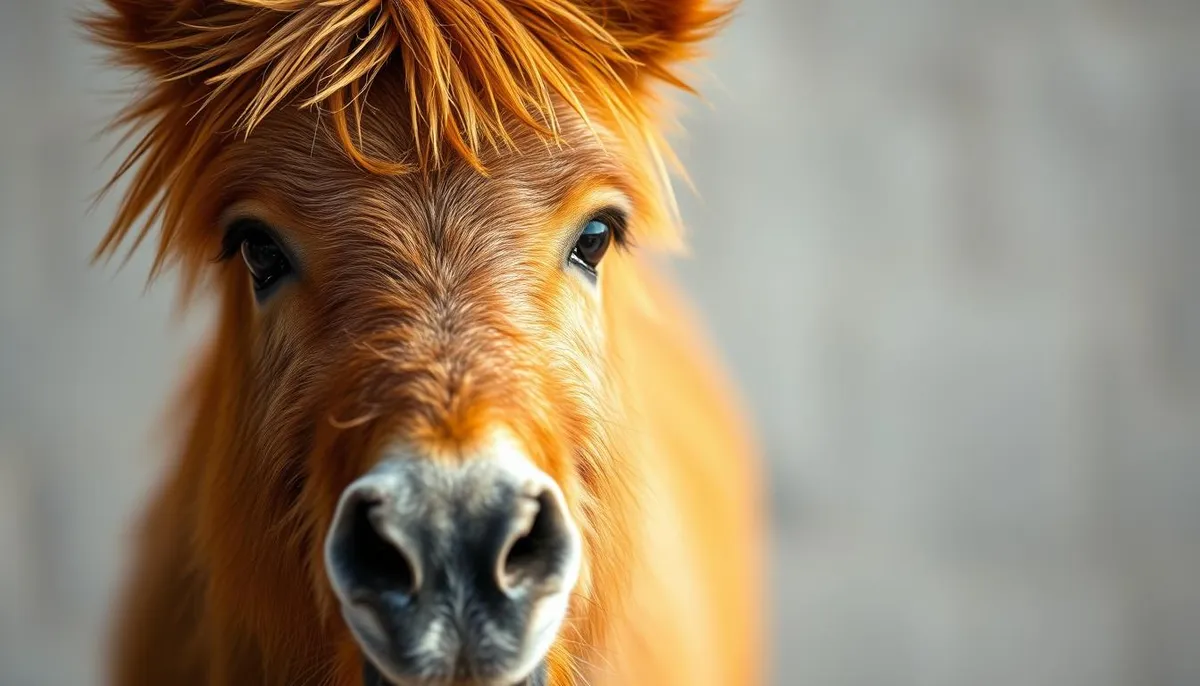
This guide provides an overview of the shetland pony: its origins, characteristics, and how to care for it on a daily basis. You will learn how to choose, care for, and properly equip your shetland pony.
Key Points
- Shetland breed of small size: maximum 1.07 m at the withers at 4 years old.
- Compact morphology: thick mane, sturdy hooves, strong build.
- Calm and reliable character, ideal for initiation and leisure.
- Great hardiness: adaptation to cold, humidity, and poor pastures.
- High pulling capacity and various uses, including harness work.
- Vigilance regarding overweight and laminitis, careful dietary management.
- Recommended fitted equipment; artisanal options available in France.
Origins and History of the Shetland Breed
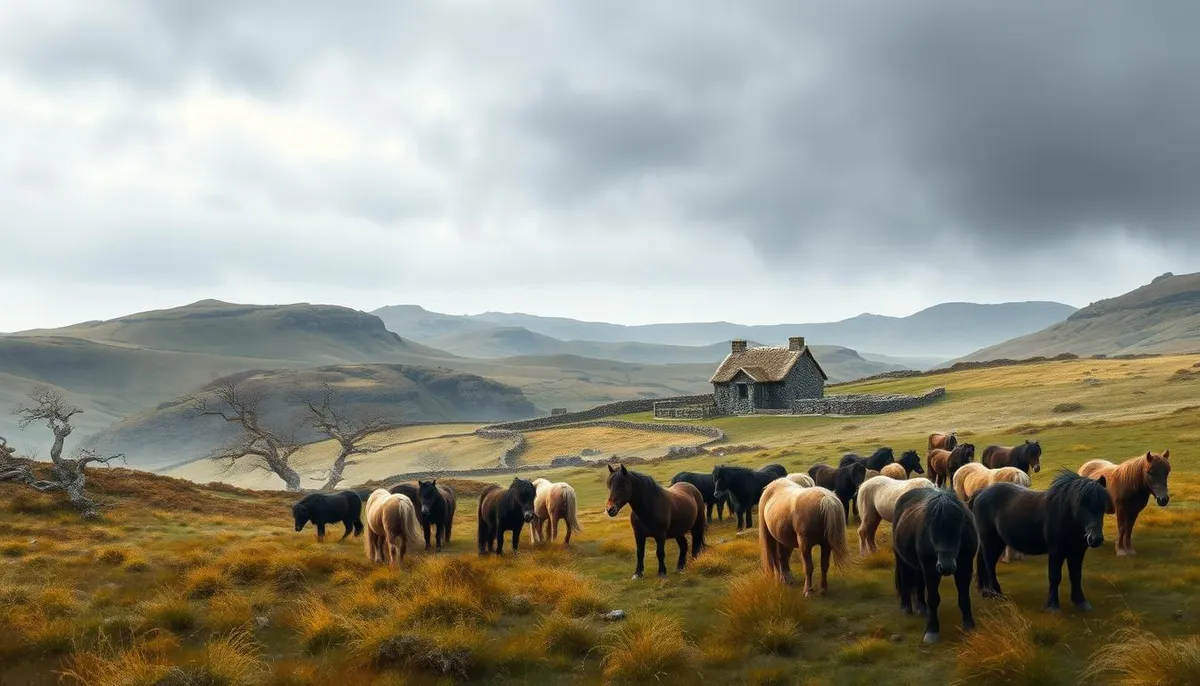
The Shetland originates from the Scottish islands. Its unique character comes from this windy environment. The shetland origin is visible in its robustness. The shetland pony history combines traditions, maritime exchanges, and selective breeding over time.
From the Shetland Islands to Worldwide Fame
The Shetland is documented as early as 1603. It conquered Europe in the 19th century, as well as Australia, South Africa, and the Americas. Queen Victoria first promoted this pony. Later, Queen Elizabeth II continued to raise its profile. This popularity enriches its history and affirms its reputation as a resilient and efficient pony.
Adaptation to Harsh Climate and Small Size
The Shetland has adapted to a difficult environment. Few shelters, only lichen and heather as food. This situation explains why they are small and have thick coats. They share traits with the Icelandic pony and the Fjord. Genetic studies confirm these distinctive characteristics. An ancient stone carving in Bressay shows small horses as early as the 9th century.
From Work in the Mines to Children's Riding
The Shetlands worked in the mines after the prohibition of child labor in the 1840s. They were perfect for this as they are compact and strong. By 1850, about 500 ponies were exported each year to work in the mines. A specific type of Shetland, more robust, was bred for this work. After the 1950s, Shetlands became popular for children's riding, transforming their role in society.
Structuring of Breeding and Stud-Book
The Marquis of Londonderry founded the first Shetland stud in 1873. The Shetland Pony Stud-Book Society was created in 1890, regulating the breed. The first register cites a maximum size and the accepted coat colors. The stud-book has been closed and reopened over time to better control breeding.
The Crofter’s Act of 1955 improved the quality of births in Scotland. Prestigious breeding programs have contributed to the Shetland's reputation. Recently, interest in this breed has increased, with prices reaching £3,000. Recent events, such as the pony Patrick, highlight the importance of selective breeding.
Characteristics and Morphology of the Shetland Pony
The shetland pony is compact, short-legged, and very strong. It is famous for its longevity and adaptability. Its stocky body, muscular neck, and expressive face make it a small athlete. These qualities make it highly valued in pony clubs in France.
Hardiness and balance are key for it. It has solid bones, a large rib cage, and a robust back. Thanks to this structure, it is reliable but remains lively and loves to play, perfect for pony games.
Small Size, Standard and Miniature Categories
Shetlands are small, generally between 76 and 107 cm tall. They are classified into three categories: miniature (under 86 cm), intermediate (86–95 cm), and standard (over 95 cm up to 107 cm).
- Typical weight: 150 to 225 kg, often between 150 and 200 kg.
- Miniaturization: they retain their robustness and hardiness, even in small size.
- There have been very rare cases of very small ponies, but this is uncommon.
Accepted Coats, Abundant Mane, and Sturdy Hooves
All coats are accepted, except for spotted ones like the appaloosa. Piebald and chestnut are common. They have a short and wide head, bright eyes, and a thick neck with a well-furnished mane.
Their thick coat, abundant tail, and solid hooves protect them from the cold and rocky soils. This natural protection gives them great longevity.
Assertive but Reliable Temperament for Initiation
It is intelligent and can be stubborn, but learns quickly and is generally calm. This character contributes to a good experience for introducing young children, provided there is consistent education.
Very sociable, it enjoys living in groups. In a pony club, this psychological stability helps during ground lessons, when starting to ride, and during group games.
Physical Abilities and Uses (Harness Work, Leisure, Pony Games)
It is robust and can carry heavy loads in leisure harness work and jump small obstacles. Its ease of direction makes it ideal for pony games and educational activities.
- Harness work: quick starts, pulls steadily at a measured speed.
- Leisure: walks, light vaulting, ground exercises.
- In clubs: initiation, skill games, group activities.
| Criteria | Key Data | Practical Interest |
|---|---|---|
| Height at withers | 76–107 cm (mini ≤86 cm, inter 86–95 cm, standard >95–107 cm) | Adjust equipment and obstacle height |
| Weight | 150–225 kg (often 150–200 kg) | Adjust ration, saddle load, and pulling |
| Accepted Coats | All except appaloosa type | Choose according to aesthetic standard |
| Morphological Assets | Thick mane, round hooves with hard horn | Protect from cold, move on difficult terrain |
| Temperament | Calm, playful, assertive but reliable | Ensure children's safety, motivate them |
| Uses | Harness work, leisure, pony games | Be versatile for clubs and families |
Shetland Pony: Specific Care and Daily Management
Shetland ponies are known for their lively temperament and robustness. They require specific care and simple but regular daily management. This includes particular attention to children's safety.
Hardiness, Herd Life, and Suitable Environment
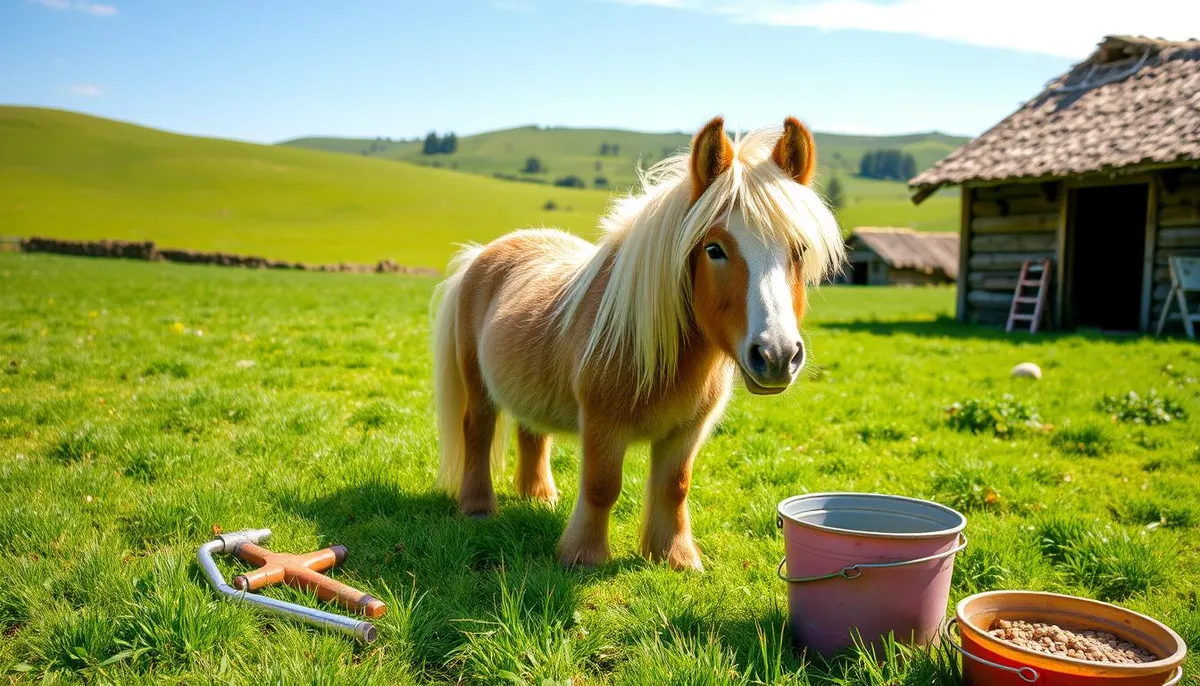
The shetland is a pony that copes well with cold and humidity. It enjoys environments where it can eat coarse grass and live in groups. In France, many are raised in herds in spaces equipped to protect them from wind and rain.
It is important to have sturdy fences as shetlands are very agile. Having dry ground helps protect their hooves and reduce mud. Making these choices helps better manage the ponies daily and provide them with the care they need in every season.
Prevention of Overweight and Laminitis Risks
It is crucial to monitor the pony's weight. Obesity can cause laminitis, a serious hoof disease. It is advisable to limit access to rich grass, distribute meals, and ensure regular exercise.
If grass is abundant, using a muzzle can be a solution. Weigh the pony regularly to adjust its food and medications accurately. These preventive measures are part of a sensitive and sustainable approach to shetland care.
Essential Shetland Care: Trimming, Deworming, Grooming
A good farrier should regularly care for the hooves to keep them in good shape. Deworming should be tailored based on manure analysis and the animal's exact weight to avoid dosing errors.
It is also important to groom the pony regularly to maintain its mane in good condition and promote a good shed. Veterinary follow-up allows for the quick detection and management of certain diseases, such as weight issues or dislocations.
Suitable Equipment and Children's Safety
It is essential to choose equipment suitable for the shetland's size. Use lightweight bridles, soft bits, and properly fitted saddles. Initiation lessons should be conducted with safety equipment, such as safety stirrups, helmets, and protective vests.
La Sellerie Française offers a range of special equipment for small ponies and young riders. Well-fitted and adjusted gear is crucial to ensure children's safety. It also aids in daily management while caring for shetlands in the best way.
Feeding, Coats, and Shetland Breeding in France
The shetland pony is energy-efficient. It should eat simply: good forage, grass according to the season, and always clean water. Vitamins and minerals are essential for it without overdoing it. Pellets should be limited, especially if the pony is not very active. This prevents obesity and health issues like laminitis.
To eat more slowly, using small mesh nets is helpful. Poorly rich paddocks and walking tracks are good. This works well in France where care must be taken in spring and autumn due to rich grass.
All pony colors are accepted except for the appaloosa pattern. Dark colors were popular due to the mines. Piebald and chestnut ponies are also common. Having plenty of hair protects them from the cold and rain. However, frequent grooming is necessary to avoid knots and check the skin.
Shetland breeding in France is based on ponies from Great Britain. Small, sturdy, and gentle ponies are chosen for children. Breeders take good care of the ponies, check their feet, and select the best males for breeding.
Prices in the UK have changed due to the pandemic. This affects exchanges. For ponies used in clubs, it is important to have good equipment. La Sellerie Française offers harnesses and halters well-suited to shetlands. They are easy to maintain.
| Theme | Best Practices | Points of Vigilance | Expected Benefit |
|---|---|---|---|
| Feeding | Controlled forage, rationed grass, suitable minerals, free access to water | Excess concentrates, overly rich pastures | Prevention of obesity and laminitis |
| Management of Ingestion | Small mesh nets, poor paddocks, active tracks | Unregulated free access to hay ad libitum | Slowed chewing rate, better satiety |
| Coats and Hair | Regular grooming, careful drying, skin monitoring | Knots under the mane, maceration in the rain | Healthy skin, protective and functional hair |
| Shetland Breeding in France | Selection of approved stallions, monitoring of size and temperament | Subjects that are too large, character unsuitable for children | Compliance with standard, versatile use in clubs |
| Maintenance and Equipment | Fitted equipment (La Sellerie Française), regular trimming and checks | Heavy harnesses, poorly proportioned bridles | Comfort, safety, and longevity at work |
Conclusion
The shetland pony is small, sturdy, and versatile. Originating from windy islands, it shows specific traits such as its breed standard at a maximum of 1.07 m. It has a compact shape, a large mane, and solid hooves.
Its character is strong but balanced. It is perfect for beginners and for light harness work. It is also ideal for fun activities for young riders.
Caring for them requires particular and regular attention. In France, it is important to avoid obesity and laminitis. This includes proper trimming, judicious deworming, and controlled diet.
Living in groups, in a space with shelter and controlled grazing, is good for their mental well-being and long-term health.
Shetland breeding has been organized since the beginning by the Shetland Pony Stud-Book Society. It remains dynamic and widespread. This organization ensures a great diversity and quality of horses, whether used for leisure, harness work, or teaching.
In France, serious breeders and a rigorous selection of abilities support this sector.
Good equipment is crucial for comfort and safety. Accessories suitable for their small size contribute to stability, lightness, and durability. La Sellerie Française offers high-end products, made in France, perfect for the shetland and young riders.
Choosing the right gear highlights the breed's strengths. It also allows for enjoying activities with peace of mind.
FAQ
What is the size and weight of an adult shetland pony?
A shetland pony typically stands between 76 and 107 cm tall. It weighs between 150 and 200 kg. Some can weigh up to 225 kg.
Is the shetland suitable for beginner children?
Yes. The shetland pony is intelligent and often calm. Even though it can be stubborn, it is excellent for teaching children. It performs well in pony clubs and pony games, with proper education.
What are the morphological characteristics of the shetland breed?
Shetlands have a small head and a wide neck. Their body is compact and muscular. They have a thick mane and sturdy little hooves.
What coats are accepted for the shetland pony?
All colors except appaloosa are allowed. Dark colors were preferred in the past. Today, piebald and chestnut are also common.
What is the difference between standard and miniature shetlands?
There are miniatures, intermediates, and standards. Miniatures are very small but retain the breed's traits. The important thing is that they remain robust.
What does the ideal diet of a shetland pony consist of?
They need a simple diet: quality hay and grass, in controlled quantities. A supply of vitamins and minerals, and fresh water. Fewer concentrates if not very active, and plenty of movement.
How to prevent obesity and laminitis in a shetland pony?
Monitor their weight and diet. Reduce rich grass in spring and autumn. Use a muzzle for grazing, if necessary. Divide rations and ensure they move regularly.
What specific care is recommended for the shetland breed?
Regular hoof trimming is crucial. Use appropriate dewormers and groom them often. This care helps protect their skin and detect problems like patellar dislocation.
Does the shetland cope well with outdoor life?
Yes, they are very robust. They thrive outdoors, with adequate shelter and dry ground. They enjoy living in herds.
What are the modern uses of the shetland pony?
They are perfect for harness work, learning to ride, pony games, and even horse-ball. They can pull twice their weight.
Where does the shetland breed come from and how has it spread?
The breed comes from the Shetland Islands, north of Scotland. It was exported everywhere as early as the 19th century. It became famous thanks to Queen Victoria and is now present in many countries.
Why is the shetland so small?
Their small size is the result of adaptation to a harsh environment. Research has identified specific genes related to their stature.
What is the Shetland Pony Stud-Book Society?
Established in 1890, it has managed the official register since 1891. It defines the breed standards and aims to preserve its unique characteristics. The stud-book has been closed and temporarily reopened for regulation.
What equipment should be chosen for a small shetland pony?
Choose lightweight and well-fitted equipment. In France, La Sellerie Française offers quality options for young riders. They are made by artisans.
Is shetland breeding in France accessible?
Yes, but adherence to the standard and choice of temperament are crucial. The market is dynamic. The health of the animals is a priority.
Is the shetland pony prone to health issues?
Obesity and laminitis are major risks. Also watch for patellar dislocation. Good management reduces these risks.
What is the best practice for harnessing a shetland pony?
Start with lightweight and fitted equipment. Progress step by step and monitor their pulling capacity. Choose good terrain.
How to maintain the thick coat, mane, and tail?
Gently and frequently brush them. Proper drying is essential in humid weather. In winter, special care is needed for their coat.
What feeding advice for a little worked shetland pony?
Offer quality hay in a controlled manner. Limit grass and concentrates. Encourage them to move to avoid rapid weight gain.
Can the shetland pony live alone?
They prefer to be with others. If they are alone, ensure they have a companion or activities. This reduces their stress.