
In the fascinating world of racing, the most expensive horse is much more than just an animal. It represents an apex of equestrian investment, where astronomical sums are at stake. For example, in 2000, Fusaichi Pegasus was sold for 70 million dollars after his victory at the Kentucky Derby. This record price redefined the perception of the value of racehorses.
Furthermore, the story of the thoroughbred Shergar, kidnapped in 1983, remains a mystery that has captivated the collective imagination. This significant event had a profound impact on the valuation of horses at that time.
By exploring this subject, we will discover how luxury and French craftsmanship intertwine with the passion for these majestic animals. Each horse thus becomes a living legend, illustrating the history and equestrian culture.
Key Takeaways
- The record price of Fusaichi Pegasus changed the game in the equestrian world.
- The story of Shergar highlights the importance of security in the industry.
- Frankel, with his 14 victories, justifies prices exceeding 100 million euros.
- French craftsmanship enriches the equestrian experience.
- Each horse has a story that contributes to its value.
An Exceptional French Artisan Tradition
The excellence of French saddlery reflects a rich and refined equestrian tradition. Artisans create high-quality equipment, ensuring the comfort and health of each horse. These products are designed for competition horses, where every detail matters.
La Sellerie Française offers unique items, made entirely in France. This goes beyond the standards of the Made in France label. Each piece is the result of exceptional craftsmanship, providing perfect uniqueness for the most expensive horse in your stable.
Choosing La Sellerie Française is investing in a tradition of breeding and care. These custom creations enhance the value of each horse, whether intended for leisure or competition. With products often in limited series, French luxury is within reach.
The Fascinating Story of the Most Expensive Horse in the World
The history of horse racing is filled with captivating tales. One of the most iconic is that of Shergar, an exceptional thoroughbred. Owned by Aga Khan IV, he won the Epsom Derby in 1981 with an impressive lead of ten lengths.
In 1983, Shergar was kidnapped, and a ransom demand of two million pounds was made. Unfortunately, this demand went unanswered, marking the end of a golden era for racing.
This most expensive horse of his time reached a record value thanks to his outstanding victories. The disappearance of Shergar shook the equestrian history, highlighting the importance of security for valuable horses.
Records of victories and the exceptional pedigree of these animals make them icons. However, the health of these champions remains a major concern for their owners. Analyzing this story helps to understand why the price of a stallion can reach millions of dollars.
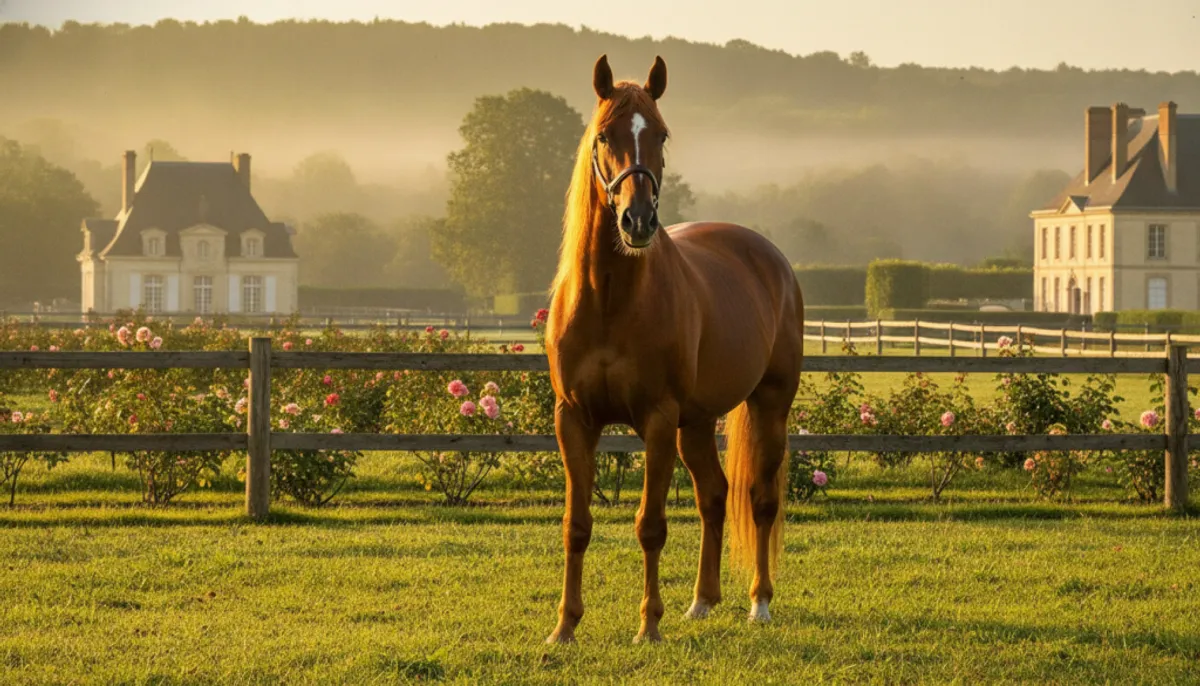
Valuation Criteria for the Most Expensive Horse in the World
The valuation of exceptional horses relies on several fundamental criteria. These elements determine their price on the market, thus influencing investors' decisions.
Pedigree and Sports Record
The pedigree is the number one criterion. Fusaichi Pegasus, sold for 70 million dollars after shining at the Kentucky Derby in 2000, is proof of this. A strong sports record can make all the difference.
Rarity, Breeding Potential, and Financial Impacts
The rarity and breeding potential of a stallion often justify record prices. For example, Annihilator was sold for nearly 20 million dollars in 2012, illustrating the fluctuation of estimated value based on investors' expectations.
The financial impacts are colossal, with billions of euros at stake. Owners do not hesitate to invest millions of dollars in more successful breeds. Every victory, every lineage contributes to the value of a horse.
The Breeds and Specificities of Exceptional Horses
The breeds of exceptional horses are at the heart of the equestrian universe, each having its own characteristics. Among them, the thoroughbred, the Arabian, and the Friesian stand out for their history and value.
Focus on the Thoroughbred, Arabian, and Friesian
The thoroughbred has been selected for its speed for 300 years and dominates the global market for the most expensive horses. Transactions can reach millions of dollars.
The Arabian breed, known since the 7th century, is prized for its robust health. It can cover up to 150 km per day in competition, making it highly valued.
The Friesian, resulting from a crossbreed in the 16th and 17th centuries, charms with its lush mane and black coat. Although its price differs from that of a racehorse, it is still considered an exceptional horse.
Each breed has unique specificities, such as the rooster tail of the Arabian horse, which influence its estimated value on the international market at any given time. After studying these breeds, one better understands why some more expensive horses reach records, propelled by a unique history and pedigree.
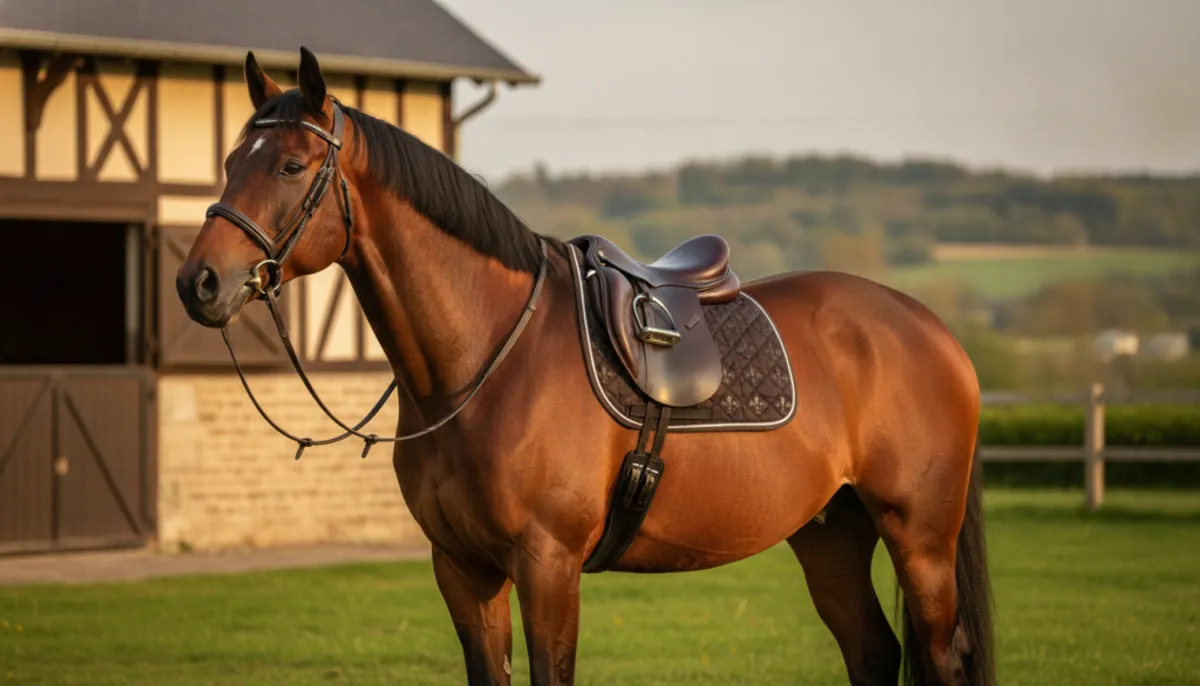
International Market: Comparisons and World Records
The international horse market is a realm where prestige and competition intertwine. Auction houses like Keeneland, active since 1935, orchestrate record sales, generating over 700 million dollars in 2023. This shows the importance of these events in the equestrian world.
Arqana, in Deauville, plays a key role in the sale of thoroughbreds. This house attracts international buyers, all in search of the next record stallion. Prestigious auctions are often the stage for intense competition among global players.
Economic trends also influence the valuation of horses. After analyzing the sales, it is noted that the most expensive horses are often offspring of legendary lineages. Even without racing, a stallion can reach millions of dollars, illustrating the volatility of this market.
Conclusion
The world of exceptional horses is a true mosaic of passion and investment. Each animal embodies a unique story, marked by impressive victories and records. The prices achieved at sales testify to the importance of their pedigree and sports record.
Houses like La Sellerie Française contribute to this excellence, offering high-quality equipment. Whether for competition or breeding, each breed plays a crucial role in the equestrian universe.
Owning a horse of such stature is not just an act of purchase, but a commitment to a prestigious tradition. Thus, the equestrian adventure continues, enriched by history and innovation.