
The riding helmet is crucial for your safety while riding. It protects your head. We will help you choose the perfect one. We will cover the reasons to wear it, the types available, the safety standards, and how to maintain it properly. By following our advice, you will find the ideal riding helmet for you.
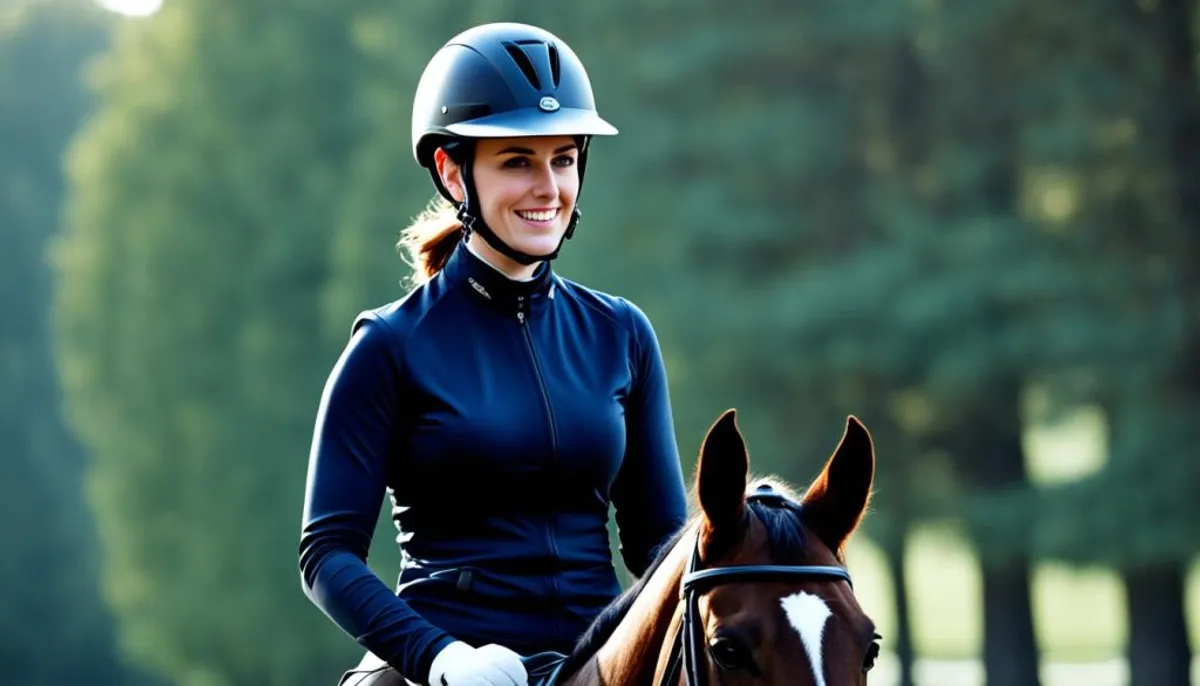
Main Points to Remember
- The riding helmet is essential equipment to ensure your safety during equestrian activities.
- It protects your head from shocks and potential impacts, thereby reducing the risk of serious injuries.
- Choosing a helmet that meets safety standards is crucial to guarantee optimal protection.
- The correct fit and regular maintenance of the helmet are key factors to prolong its lifespan.
- Taking the time to choose the helmet that suits your needs and preferences will ensure comfort and safety in the field.
Why Wear a Helmet While Riding?
Wearing a riding helmet is essential for staying safe. It protects the head. This reduces the risk of serious injuries.
Prevention of Brain Injuries
Falling from a horse can cause serious head injuries. These injuries range from concussions to more severe damage. A safe helmet helps a lot. It meets standards and reduces risks.
Compliance with Safety Standards
Wearing a riding helmet may be mandatory. It provides good protection for the rider. Safety regulations ensure this. Federations conduct checks to ensure everything is in order.
Education and Awareness
The helmet is not just for show. It demonstrates that safety is a priority. It educates everyone to stay safe. It encourages behaviors that prevent risks.
Prevention of Potential Accidents
Riding a horse is exciting but can be risky. The helmet protects against shocks. It keeps the rider safe during equestrian practice.
In conclusion, choosing to wear a riding helmet is important. It shows that you care about your own protection. It is choosing a culture where safety is paramount.
The Different Types of Riding Helmets
There are several types of helmets suited to the varied needs of riders. Each model has its features. These features help riders choose what is best for them.
Jumping helmets are lightweight and aerodynamic. They offer clear visibility and great mobility, perfect for competitions.
Western riding enthusiasts will find helmets that combine elegance and safety. These models are recognizable by their rounded shape and marked visor, enhancing their western look.
For dressage, riders opt for fitted and sleek helmets. This avoids distracting the horse during the concentration required during exercises.
Endurance helmets are lightweight, with a good ventilation system. These features ensure great comfort for long rides.
Some helmets are suitable for multiple disciplines, from jumping to dressage. They thus offer some versatility to riders.
Connected helmets are at the forefront of innovation. They feature shock sensors or allow Bluetooth connections for advanced safety.
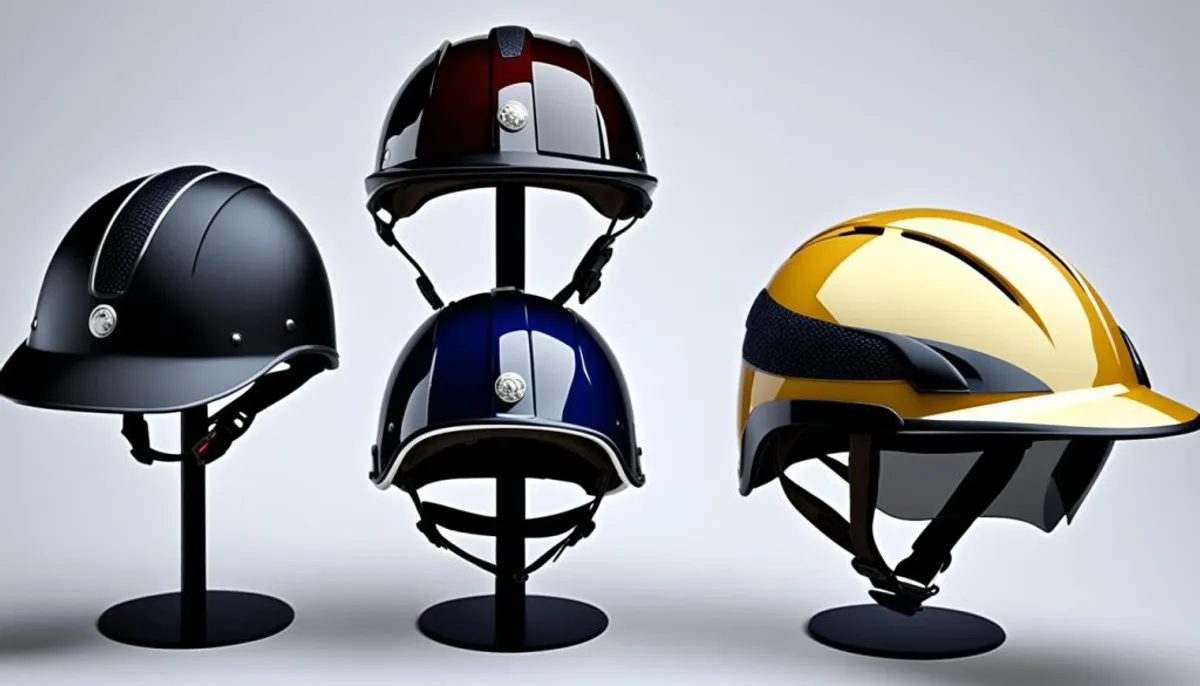
No matter the model, choosing a helmet that meets safety standards is essential. This guarantees the best possible protection.
Safety Standards and Certification
Safety is vital in equestrian sports. Helmets follow strict standards to protect riders. These standards ensure the quality and safety of helmets.
ASTM/SEI Certification
The ASTM/SEI certification is global. Managed by ASTM and SEI, it proves that a helmet is reliable. It guarantees that the helmet has passed rigorous tests.
European CE Standards
Helmets sold in Europe must comply with CE standards. This ensures that they provide good protection against impacts, according to European laws.
Equestrian Federation Approval
Equestrian federations also approve helmets. Their seal means that a helmet meets high equestrian safety standards.
Brand-Specific Certification Systems
Prestigious brands create their own certification systems. These systems show the brands' commitment to safety. They add guarantees to standard regulations.
MIPS Standards (Multi-Directional Impact Protection System)
The MIPS enhances protection against multiple impacts. MIPS helmets disperse impacts in multiple directions. This improves rider protection.
How to Choose the Right Helmet
Choosing the right riding helmet is vital for safety. Consider the fit, size, and style. Ventilation and weight also play an important role. Each rider has their preferences. A perfectly fitted helmet provides good protection. It should be the right size and not move.
Correct Fit
A helmet must fit perfectly on the head. Not too tight or too loose. It should stay in place while you move your head.
Appropriate Size
Choosing the right helmet size is crucial. Sizes range from XS to XL. Try several models to find the right one. Ensure it does not tilt or lift.
Mounting Style
The choice of helmet depends on the rider's tastes and needs. Some prefer a sleek mount, while others prefer something sturdier. Choose one that matches your riding style.
Ventilation
Ventilation is essential for comfort, especially during long rides. Vents help keep the head cool.
Weight
A lightweight helmet is a better choice. It should not tire the rider. Nevertheless, it must ensure good protection.
Personal Preferences
Personal tastes matter a lot in choosing a helmet. Choose a model that you find visually appealing. It should also provide comfort and safety.
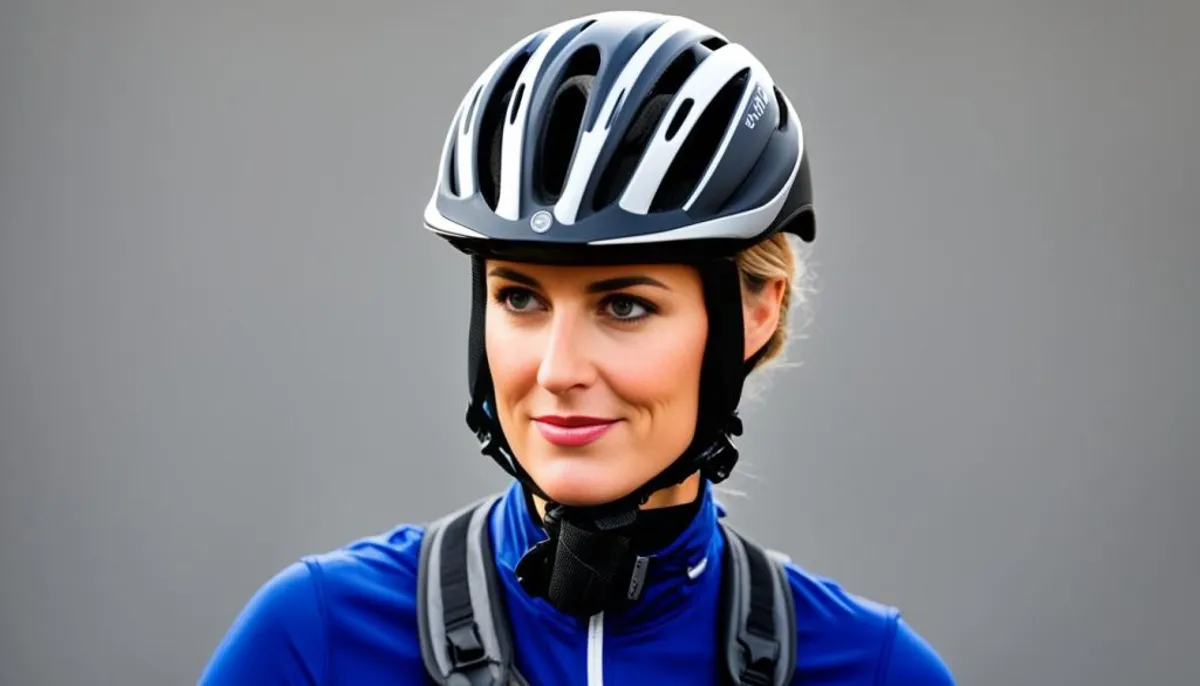
Consider all these aspects to find the ideal helmet. A good choice ensures safety and enjoyment in riding.
Maintenance and Lifespan of a Helmet
Keep your riding helmet clean to make it last longer. Clean it properly, store it well, and check it often. These actions will help maintain it in good condition.
Proper Cleaning
Use a soft, damp cloth to clean your helmet. Never fully submerge it in water. Wipe it to remove dust or dirt. Let it air dry, away from direct sunlight.
Proper Storage
Store your helmet in a cool, dry place when not in use. Do not leave it in sunlight or near heat. This could damage it. It is best to keep it in a specific box or bag.
Regular Checks
- Always check the outer shell for any damage.
- Ensure that the straps and buckles are in good condition.
- Replace it after a significant impact, even if it does not appear damaged.
With proper care, a helmet can last about 5 years. Follow these tips to ensure your safety and prolong the life of your helmet.
Conclusion
Choose a riding helmet that meets safety standards. Maintain it well and always wear it. Whether for pleasure or competition, it is vital for staying healthy.
Set an example when it comes to safety.
Help us encourage helmet use. Let’s make riding a safer and more enjoyable sport for everyone.
Wearing a helmet should become a given. Take care of yourself and your loved ones by always choosing one.
FAQ
Why is it important to wear a riding helmet?
The helmet protects the head from injuries during falls. It also raises awareness about the importance of staying safe.
What are the different types of riding helmets available?
There are many models for each equestrian discipline. You will find helmets for jumping, western riding, dressage, endurance, and even versatile and connected models.
What are the safety standards that riding helmets must meet?
Safety standards include ASTM/SEI certification and CE standards in Europe. There are also standards from equestrian federations and brands. MIPS technology enhances protection against impacts from various angles.
How to choose the right riding helmet?
To choose the right helmet, ensure that it fits properly and is the correct size. Consider style, ventilation, and weight. Choosing your helmet wisely guarantees maximum protection in case of a fall.
How to maintain and prolong the lifespan of a riding helmet?
To extend the life of your helmet, clean it regularly and store it properly. Perform frequent checks. With this care, a helmet can last up to 5 years.