
Sharing life with a horse is a source of happiness. When it develops a joint condition, its well-being becomes an absolute priority.
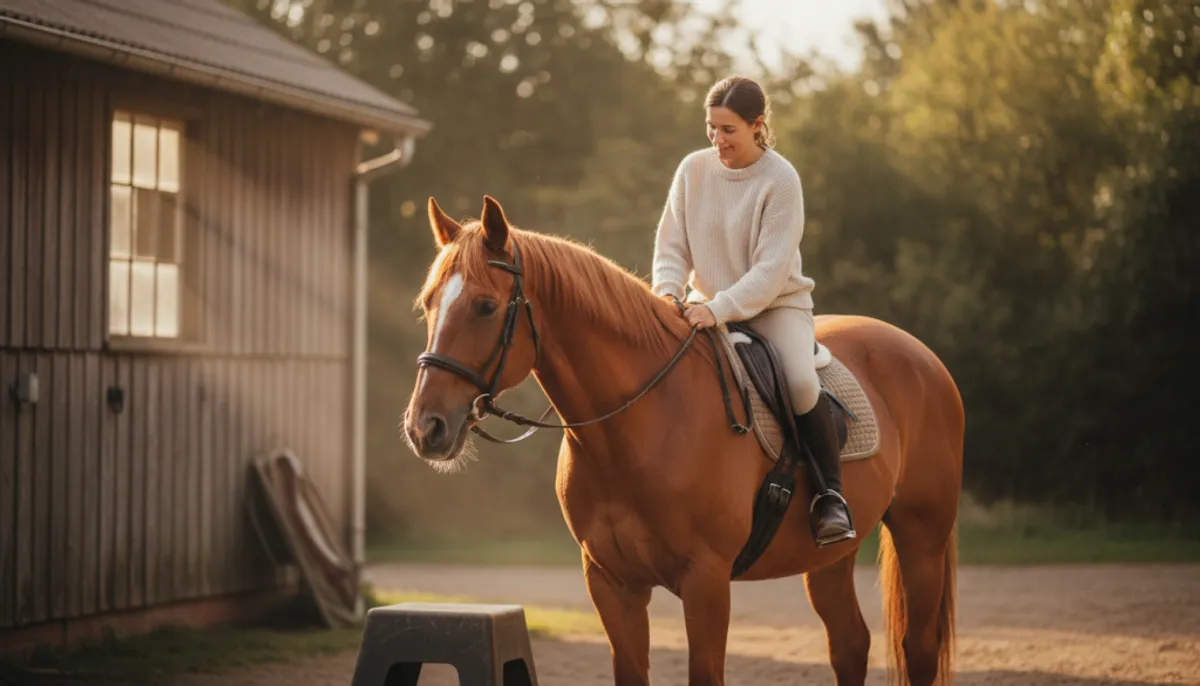
A study by McIlwraith et al. (2012) reveals that 60% of cases of lameness are attributed to arthritis. This chronic disease progressively wears down cartilage, limiting mobility.
This is not an inevitability. With a tailored and attentive approach, your partner can continue to move without unnecessary suffering. Understanding its condition is the first step towards a respectful equestrian practice.
Key Points to Remember
- A gentle approach is essential to preserve the well-being of a horse affected by arthritis.
- This degenerative joint condition is a major cause of lameness.
- The gradual wear of cartilage reduces mobility and requires adaptations.
- Adapting work and exercises allows for maintaining physical activity without pain.
- Regular monitoring of the animal's condition is crucial.
- Arthritis is not an end in itself; appropriate management changes the game.
- Communication and observation are your best allies for a harmonious relationship.
Introduction to Arthritis in Horses
Veterinary studies confirm the prevalence of arthritis in horses. This degenerative joint disease is widespread in both humans and horses.
For owners, it represents a major concern. The longevity and comfort of their mount depend directly on it.
The main challenge lies in its often subtle progression. Signs of discomfort may go unnoticed until an advanced stage.
A rapid decline in physical condition can then occur. Observing your partner closely becomes essential.
Context and Issues
Understanding this condition allows for anticipating the specific needs of your animal. An optimal quality of life remains possible despite the diagnosis.
We will explore the issues related to equine arthritis. The goal is to help you support your horse in its daily activities with peace of mind.
Definition and Symptoms of Arthritis
A study reveals that the majority of senior horses exhibit characteristic joint lesions. Research by Caron & Genovese (2003) confirms this fact.
Nearly 90% of horses over fifteen years old show signs of this degenerative wear on radiographs.
Early Signs to Detect
The first signs are often subtle. Your partner may show a simple loss of flexibility during work.
Stiffness at the start, after a rest, is a common signal. Also watch for changes in mood or behavior.
A localized warmth on a joint may indicate early inflammation. Daily observation is your best tool.
Visible Symptoms and Lameness
At a more advanced stage, discomfort becomes evident. Lameness is a frequent indicator, but not systematic.
The animal may have difficulty getting up or lying down. These daily actions then become painful.
A early detection changes everything. It allows for adapting management and preserving your horse's quality of life.
Causes and Risk Factors of Arthritis
Arthritis does not occur by chance; it is often the result of a combination of risk factors. Knowing these elements allows for preventive action.
A proactive management is essential to protect your partner's joint health.
Factors Related to Intensive Work
Demanding disciplines put a lot of stress on the joints. Repetitive movements or sudden stops create micro-traumas.
In Quarter Horses, the sliding stop in western riding exposes the hocks to extreme stress. This explains the frequency of injuries in this breed.
An unbalanced musculature can also be a cause. Sandra Heider has linked the deep digital flexor to a hypertonic semitendinosus.
| Type of Factor | Concrete Example | Impact on Joints |
|---|---|---|
| Repetitive Work | Sliding stop (Quarter Horse) | Localized overload on the hock |
| Conformation | Pelvic asymmetry | Uneven weight distribution |
| Overweight | Excess body weight | Increased pressure on cartilage |
| Muscle Imbalance | Hypertonic semitendinosus | Abnormal tension on the joint |
Impact of Overweight and Conformation
Overweight is a burden for the skeleton. Every extra kilogram increases pressure on the limbs.
The horse's natural conformation plays a major role. A pelvic asymmetry, as shown by Ann Katrin Querbach, misaligns the entire mechanics.
This poor distribution wears down cartilage prematurely. Vigilance regarding these causes is therefore essential.
Diagnosis and Veterinary Follow-up
In the face of suspected arthritis, only a veterinary opinion can provide certainty. This step is essential to assess the extent of the lesions and guide management.
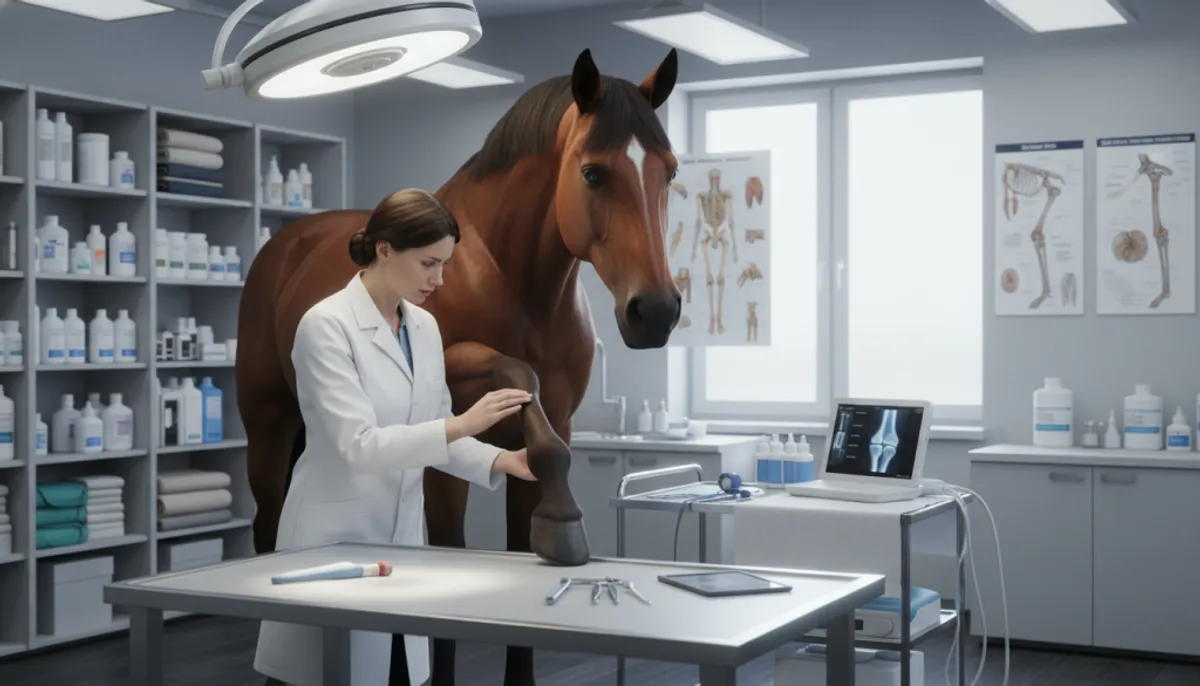
Imaging Tools and Clinical Examinations
The definitive diagnosis relies on standardized protocols. Radiography, ultrasound, or arthroscopy visualize the condition of the cartilage.
These techniques reveal the level of degradation within each joint. They provide a precise mapping of the affected areas.
A thorough clinical examination always complements imaging. The practitioner palpates, manipulates, and observes the locomotion of the animal.
This way, they identify the exact source of discomfort. This dual approach ensures a perfectly tailored treatment plan.
Consulting quickly after the first signs is crucial. This prevents your partner's arthritis from becoming irreversible.
Regular follow-up ensures that the horse receives the necessary care. Its mobility and comfort are thus preserved in the long term.
Medical Management and Regenerative Therapies
After diagnosis, several therapeutic avenues are available to improve your partner's joint comfort. The goal is twofold: relieve immediate discomfort and act in the long term.
Injections and Pharmaceutical Treatments
The veterinarian has a range of tools to combat pain and inflammation. Anti-inflammatories like Previcox are often prescribed.
Intra-articular injections of hyaluronic acid provide valuable lubrication. Other treatments, such as OsPhos or Arthramid, aim to protect the cartilage.
These interventions require strict follow-up. They allow for maintaining reasonable activity despite arthritis.
Equine Regenerative Medicine
Regenerative medicine represents a major advance. Techniques like IRAP or PRP use the animal's own growth factors.
They stimulate the repair of damaged tissues within the joints. This innovative approach targets the cause of degradation.
It offers a more sustainable comfort perspective for an affected horse. These therapies aim to slow the progression of arthritis in the horse.
Complementary Approaches and Manual Therapies
To complement medical management, osteopathy and physiotherapy massage provide tangible benefits. These gentle methods target the overall well-being of your partner.
They work in synergy with veterinary treatments. Their goal is to improve daily mobility.
Osteopathy and Physiotherapy Massage
Equine osteopathy releases tensions throughout the body. It compensates for imbalances caused by arthritis.
This technique restores mechanical harmony. Your horse thus regains ease of movement.
Physiotherapy massage has a beneficial effect on blood circulation. It promotes muscle relaxation and relieves joint pain.
These approaches work on the overall condition of the animal. They significantly improve its flexibility and quality of life.
In support of veterinary care, they reduce contractures related to lameness. The joints are then better protected.
Regular follow-up by an osteopath allows for adjusting exercises. It adapts to the evolution of your horse's physical condition affected by arthritis in horses.
Ground Exercises and Rehabilitation
For a horse suffering from arthritis, adapted physical activity often starts on the ground. This work is essential to strengthen musculature without imposing the weight of a rider on its weakened joints.
It allows for gentle rehabilitation, preserving your partner's well-being.
Walking on uneven surfaces, like logs, improves proprioception and balance. Your horse must then engage its stabilizing muscles, which enhances its overall coordination.
Proprioceptive exercises, such as walking over ground poles, help maintain good flexibility. They stimulate the horse mentally and physically.
Rehabilitation should always be gradual. Overloading limbs already affected by arthritis in the horse must be avoided at all costs.
These daily activities keep the animal moving. This movement is crucial for naturally lubricating the joints and maintaining their health.
A well-conducted ground work thus constitutes a solid foundation for managing arthritis. It significantly contributes to your horse's comfort and mobility.
Adapting the Environment and Equipment
Arranging the living space and choosing the right equipment are two concrete levers to improve the quality of life of an arthritic horse. These adjustments aim for a single goal: minimizing stress on its body.
A holistic approach includes both tack and daily life in the stable or pasture. Every detail matters to preserve its mobility.
Using Appropriate Saddles and Bridles
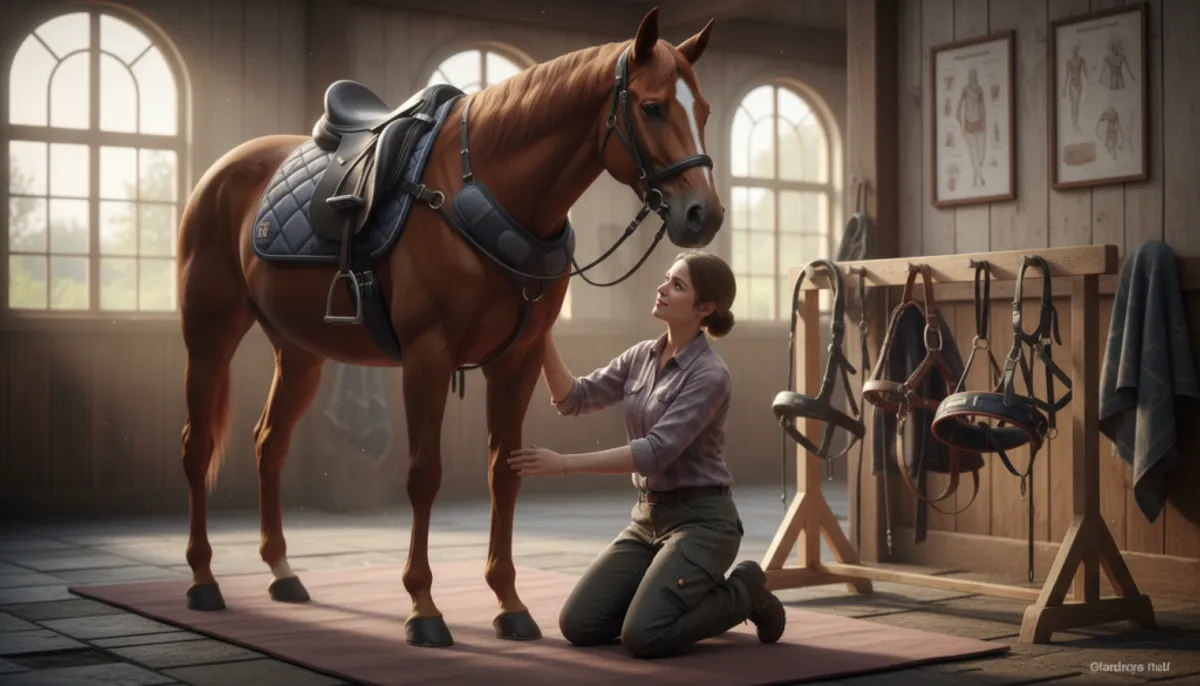
The use of an ergonomic saddle is fundamental. It evenly distributes the rider's weight, reducing pressure on the back and joints.
An ill-fitting saddle creates painful pressure points. This exacerbates discomfort related to arthritis.
The bridle must also be carefully selected. A simple and well-fitted model avoids unnecessary pressure on the head.
It thus promotes relaxation of the animal during work. A relaxed horse moves with more ease.
The living environment plays an equally crucial role. Regular access to a paddock allows the horse to walk freely.
This spontaneous movement maintains flexibility and combats joint stiffness. It is a natural complement to care.
| Element to Adapt | Concrete Solution | Benefit for the Joint |
|---|---|---|
| Saddle | Ergonomic model with flexible tree | Optimal weight distribution, less pressure on the spine |
| Bridle | Thin cheekpieces and appropriate width | Avoids pressure points on the poll and jaw |
| Footing | Shock-absorbing and even surface in the arena | Reduces impact shocks for the limbs |
| Access to Paddock | Daily turnout on secure ground | Maintains natural lubrication and prevents ankylosis |
Considering these adaptations offers your partner the best conditions to move without difficulty. Its overall comfort is significantly improved.
Riding a Horse with Arthritis
Adapting your riding practice to an arthritic partner requires particular attention to warming up. This phase prepares its body for effort and minimizes risks.
A gentle and gradual approach is key to preserving its well-being throughout the session.
Tips for Warming Up and Safety
The warm-up at a walk is essential. It should last at least fifteen minutes to properly lubricate the joints.
This active walk warms the muscles and improves the horse's flexibility.
Safety relies on constant observation. Monitor each step for any signs of lameness or pain.
Avoid tight turns and jumps at all costs. These movements put too much strain on the already weakened cartilage.
Adjusting Gaits and Session Duration
Adjust the duration of the work based on your horse's physical condition. A session that is too long can increase discomfort.
Favor regular and linear gaits. The trot and canter should be smooth, without sudden accelerations.
The goal is to maintain beneficial activity without exhaustion. The work should remain a shared pleasure.
By adapting the pace and duration of the sessions, you contribute to a positive management of arthritis.
Nutrition and Dietary Supplements for Joint Support
Beyond treatments, targeted nutritional intake actively supports joint health. A balanced diet constitutes a solid foundation for any horse.
It helps prevent overweight, a major aggravating factor. Dietary supplements specifically reinforce this approach.
Role of Glucosamine and MSM
Glucosamine is an essential supplement. It directly participates in collagen synthesis, a key component of cartilage.
Its role is to maintain the integrity of joint tissues. MSM (Methylsulfonylmethane) provides organic sulfur.
This nutrient is essential for hydration and elasticity of the joints. Together, they form a very effective support duo for a horse suffering from arthritis.
Other natural solutions also exist. Devil's claw, boswellia, and meadowsweet are recognized plants.
They help relieve pain naturally. Their anti-inflammatory effect complements the action of other supplements.
| Supplement | Main Action | Benefit for the Joint |
|---|---|---|
| Glucosamine | Collagen synthesis | Repair and maintenance of cartilage structure |
| MSM | Source of organic sulfur | Improves hydration and elasticity of tissues |
| Devil's Claw | Natural anti-inflammatory properties | Relief of pain related to arthritis in horses |
| Boswellia | Reduction of inflammation | Improves mobility and reduces stiffness |
It is always advisable to consult a veterinarian. They will guide you towards the most suitable products for your partner's condition.
A well-chosen nutritional treatment makes a real difference. It contributes to your horse's daily comfort.
Prevention of Arthritis and Regular Follow-up
The prevention of arthritis in horses relies on a combination of vigilance and targeted actions. It is an ongoing process that begins well before the first symptoms appear.
Preventive Measures and Expert Advice
A rigorous management of training is the foundation. Avoid sudden increases in intensity to protect your partner's joints.
Physiological trimming and shoeing are essential. They ensure proper balance and prevent abnormal stress on the limbs.
Regular follow-up allows for adjusting dietary supplements and exercises. This adaptation keeps your horse in good physical shape.
Never neglect early signs. Prompt management is the best strategy against this disease.
Protecting the joints from a young age offers an active and comfortable life. A well-managed preventive treatment makes all the difference.
Conclusion
Managing arthritis in horses relies on a close partnership between the rider and their companion. A gentle and tailored approach makes all the difference for its well-being.
The key to success combines rigorous veterinary follow-up, targeted nutrition with appropriate dietary supplements, and a gradual ground treatment. Understanding the causes and symptoms transforms you into an attentive partner, capable of alleviating its pain.
Patience and consistency are your best allies. They preserve the mobility of the joints and keep your horse in good physical shape.
With this comprehensive support and thoughtful management, your horse can enjoy a calm activity and share beautiful moments with you. Its daily comfort is the most beautiful reward.
FAQ
What are the first signs of arthritis to watch for in my horse?
Early signs can be subtle. Look for stiffness at the beginning of work, difficulty engaging in a circle, or reluctance to jump. A slight lameness that disappears with warming up is also a key indicator. A consultation with the veterinarian is essential for early diagnosis.
My horse is overweight; is this a risk factor for arthritis?
Absolutely. Excess weight puts additional pressure on the joints, accelerating cartilage wear and inflammation. Maintaining optimal physical condition is a fundamental preventive measure to support your horse's joint health.
What treatments can my veterinarian propose?
Management is multifaceted. It often includes anti-inflammatories to manage pain and inflammation. Treatments like intra-articular injections of hyaluronic acid or corticosteroids are common. Regenerative therapies, based on platelet-rich plasma, aim to protect cartilage.
Are dietary supplements like glucosamine really useful?
Yes, they play a long-term supportive role. Quality supplements containing glucosamine, MSM, chondroitin, and fatty acids help nourish joint tissues. They help maintain cartilage integrity and modulate inflammation, complementing veterinary treatment.
Can I still ride a horse diagnosed with arthritis?
Yes, in most cases, adapted activity is beneficial. The key is adaptation: long and gradual warm-ups, primarily working at regular gaits on appropriate ground, and short sessions. The goal is to maintain mobility without causing pain.
How can I adapt my work and environment?
Favor varied ground work (walking, lunging, groundwork) to strengthen musculature without load. The living environment should be safe, with deep bedding and easy access to the paddock. Using a perfectly fitted saddle, checked by a saddler, is crucial to avoid pressure points on the back and joints.
Are there recommended manual therapies?
Absolutely. Equine osteopathy and physiotherapy massage are excellent complementary approaches. These practices help release muscle tension, improve circulation, and optimize joint mobility, providing great comfort to your horse.
How can I prevent the worsening of arthritis?
Regular follow-up by your veterinarian is essential. Combine rigorous weight management, a consistent and adapted exercise program, supportive nutrition with supplements, and an optimal living environment. This comprehensive management is the best way to slow the progression of this disease.