
The Comtois horse is known for its robustness and calmness. It enjoys being close to humans. Originating from the Jura mountains, this breed is valued for its reliable work and elegance in harness.
It has a well-proportioned body that makes it perfect for pulling, logging, and as a leisure companion.
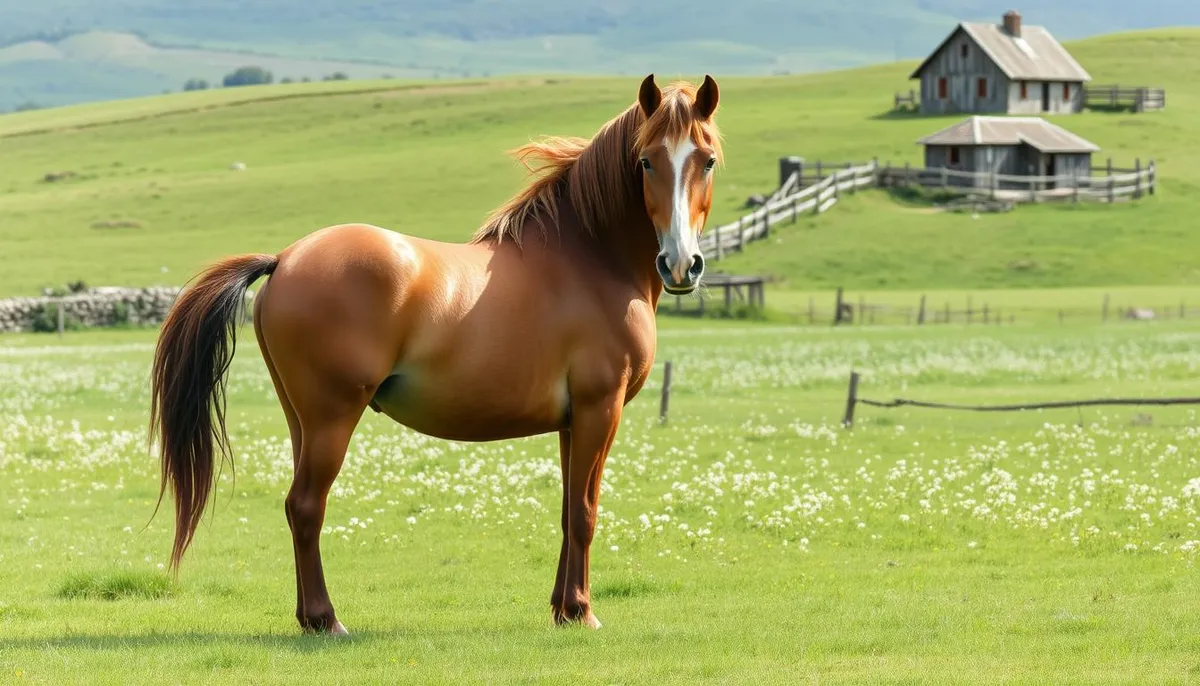
Comtois horses typically measure between 1.50 and 1.65 m and weigh from 650 to 800 kg. Their coat is often bay, with highlights created by the Silver gene.
Their head is straight, their shoulders strong, and their limbs solid. This gives them good endurance and safety.
This horse is appreciated for its gentle and docile nature. Communities, drivers, and hikers adore it. Its history is rich: it was crucial during the Ancien Régime and used in artillery in the 17th and 18th centuries.
The open stud book established in 1919 helped boost its popularity. Today, its breeding is thriving, especially in areas with grass and in mountainous regions.
For quality equipment, choose products made in France. La Sellerie Française offers luxury bridles, collars, and accessories.
French artisans manufacture them, whether in series or custom-made. They are perfect for the Comtois and modern harnessing.
Key Points
- Comtois breed originating from Franche-Comté, in the heart of the Jura, not threatened according to the FAO.
- Average size (1.50–1.65 m) and 650–800 kg, powerful and balanced draft morphology.
- Bay coat with light mane associated with the Silver gene, sought-after distinguishing features of the Comtois draft horse.
- Gentle, docile, and enduring temperament, suitable for pulling, harnessing, and leisure activities.
- Comtois history marked by artillery, the opening of the stud book in 1919, and a shift towards leisure.
- Profitable Comtois breeding in extensive systems, with opportunities in work, tourism, and land maintenance.
- High-end French harnesses to optimize comfort, safety, and durability.
Origins and Comtois History
The Comtois horse shares a history with the mountains. This history spans peaks and valleys, surrounded by forests and pastures. For centuries, breeders and associations have worked to preserve this heritage.
Cradle in Franche-Comté and Links with the Jura
The heart of this story lies in the Jura, at the border of Switzerland. About 1,500 years ago, breeding began in this mountainous region.
Over the ages, from Burgundy to the County of Burgundy, Comtois horses have assisted people in their work. Exchanges with the Franches-Montagnes began early, enriching the Comtois history.
Germanic Influences and Historical Crossbreeding (Ardennais, Franches-Montagnes)
In 1554, Charles V encouraged the use of good horses in Burgundy. This brought a Germanic influence that added to the crossbreeding with nearby breeds like the Ardennais.
In the 19th century, confusion with the "Jura horse" led to various crossbreeds. By 1905, the introduction of the Ardennais was organized; a major competition took place in Maîche in 1910, and the genealogical book was established in 1919.
From Artillery Horse to Rustic Draft Horse
Under Louis XIV and Napoleon I, the Comtois horse was essential for the army. There were two types suited to the various Jura terrains.
After suffering from wars, the Comtois breed strengthened in the 20th century. It adapted its robustness and endurance; its characteristic color became popular after 1945. In the 1970s, some breeders shifted towards meat production, but the situation improved in the 1980s.
Today, the Comtois history continues in France and Switzerland, especially in mountainous areas. Local associations promote its breeding, use, and recognition as a rustic horse that can live outdoors year-round.
Comtois Characteristics and Breed Standard
The Comtois horse is easy to recognize. With its well-proportioned silhouette and shiny coat, it symbolizes the high plateaus of the Jura. It meets specific criteria, suited for pulling, harnessing, and daily tasks.

Size, Weight, and Draft Horse Morphology
A Comtois horse stands 1.50 m to 1.65 m at the shoulder and weighs between 650 and 800 kg. It has a robust body, with a broad front, short back, and wide hips. Its leg is designed for optimal strength, and its medium-sized feet ensure good stability on various grounds.
Its head has a straight, clear, and expressive shape. This combination offers remarkable strength while conserving its movements, which is ideal for pulling and harnessing.
Bay Coat with Light Mane, Silver Gene, and Distinguishing Features
The main color is bay with light hairs. The appearance of the Silver gene brightens the mane and tail, creating a unique look recognized since the end of the war. Some white markings on the head are allowed, without exaggeration.
This distinct look, combined with a muscular body, makes the Comtois horse easy to identify, whether outdoors or in competition.
Gentle, Docile, and Enduring Temperament
It is well-known for its calmness and reliability. It is also very receptive to learning and teamwork. Its obedience facilitates its use for harnessing in urban or rural settings, and its robustness allows it to live outdoors year-round.
Its character, both mental and physical, makes the Comtois horse very versatile. It excels in agriculture, forest logging, hiking, and even community projects.
| Criterion | Sought Standard | Functional Interest |
|---|---|---|
| Height at the withers | 1.50–1.65 m | Compactness, maneuverability in harness and in the city |
| Weight | 650–800 kg | Effective pulling without excessive energy cost |
| Morphology | Powerful forehand, short back, wide croup | Effort transmission, stability in pulling |
| Feet | Medium size, well-shaped | Grip and durability in work |
| Head | Straight profile, clear expression | Breed typicality and ease of harnessing |
| Coat | Bay with light mane (Silver gene), limited markings | Visual identification and uniform standard |
| Temperament | Gentle, docile, enduring | Safety, versatility, and comfort of use |
Comtois Breeding and Selection Program
The ANCTC has a clear plan for Comtois horses. It aims to keep them strong, well-trained, and useful, while helping breeders earn a living. Stakeholders in the industry, from fields to competitions, work together to achieve these goals.
Three main axes guide this work: genetic improvement, breeding methods, and marketing support. Already, there are concrete rules, such as the registration regulation, the list of recommended stallions, and adherence to the program since Velesmes-Essarts.
ANCTC Objectives for the Comtois Breed
The ANCTC aims to unify the breed standard, improve movements, and strengthen reproduction. It seeks to reduce defects, increase the number of foals that survive to weaning, and register more horses, both in France and abroad. These efforts aim to make the Comtois horse more popular for work and leisure.
Genetic Improvement: Scoring, Lineages, and Inbreeding Management
Scoring allows for assessing the form and movement of young horses. Resources like instruction sheets and posters help select the best horses. Fertile mare lineages are also identified, double parentages are verified, and family ties are closely monitored.
To further assist, breeding tests evaluate the quality of sperm and the stallions' ability to reproduce. The causes of abortion in mares and the health of foals are also examined. All this gradually improves Comtois breeding.
Breeding Techniques: Reproduction, Foaling, Feeding, and Prophylaxis
Training addresses preparation for reproduction, foaling, feeding, and disease prevention. An ANCTC binder and sheets provide advice on properly caring for Comtois horses. It includes everything from feeding to caring for young horses.
Emphasis is also placed on the coexistence of cattle and horses in mountainous areas, hygiene, and monitoring of mares. These simple but regular actions protect the health of Comtois horses and improve breeding performance.
Market Support: Opportunities, Leisure Labeling, International
The Comtois association helps find various markets. For meat, it analyzes what influences productivity. For leisure, it offers training, assists in preparing and presenting horses, and highlights its strengths. It also supports the use of horses in municipal projects and therapy.
Internationally, the ANCTC fights against diseases like piroplasmosis, assists associations in other countries, and analyzes sales. These efforts enhance the reputation and value of Comtois horses.
| Axis | Key Actions | Monitored Indicators | ANCTC Tools |
|---|---|---|---|
| Genetics | Scoring, lineage management, inbreeding control, EBJ | Decreasing defects, foal viability, registrations | Scoring sheets, coat posters, lineage history |
| Breeding Techniques | Repro/foaling training, feeding, prophylaxis, summer grazing | Decreased abortion rates, longevity, mare fertility | Breeding binder, technical sheets, stallion list |
| Market Development | Leisure labeling, harnessing, equine therapy, export | Monitored sales, creation of foreign associations | Book regulations, charter, commercial support |
By participating in the program, each breeder contributes to a common effort. Thus, the Comtois horse thrives, from the countryside to the city, thanks to the collaboration of all within the Comtois association.
Comtois Horse in Contemporary Use
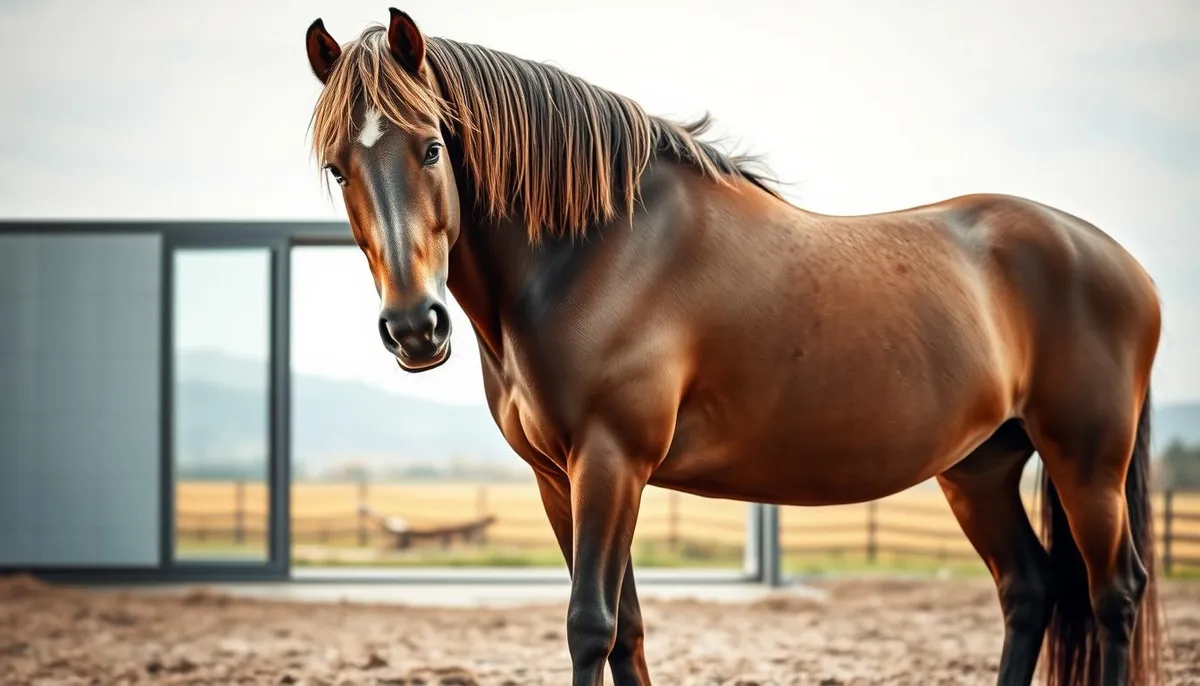
The Comtois horse is robust, calm, and resilient. It meets current demands while retaining its character as a draft horse. Its uses include work, leisure, and ecological land management. It is easy to handle for both novices and experts.
Comtois Workhorse: Pulling, Harnessing, Logging
As a workhorse, it is perfect for agriculture: plowing, harrowing, and mowing, all while minimizing carbon footprint. In delicate forests, it is excellent for logging without damaging the soil.
In cities, it is used for collection and logistics. There is also harnessing for sports and traditions. La Sellerie Française offers harnesses made in France, comfortable for both the driver and the horse.
Leisure: Hiking, Shows, Equine Therapy, and Communities
The Comtois excels in hiking and equestrian tourism thanks to its stable gait. Its gentle character is ideal for equine therapy and projects supported by the ANCTC, with progressive approaches.
Municipalities use it for events, discovery harnessing, and education. Its equestrian shows highlight its presence and beautiful color.
Land Maintenance and Pastoral Management in Mountain Areas
It helps maintain parks and roadsides by reducing noise, emissions, and costs. These methods include late mowing and mechanical weeding.
In the mountains, it contributes to sustainable pastoral management. Outdoor breeding and partnerships with cattle improve the quality of alpine pastures.
Comtois History: Major Chronological Milestones
The region of Franche-Comté was known for its sturdy horses since antiquity. In the Middle Ages, these horses were used by knights. The Burgundians later brought horses that strengthened the Comtois breed.
In the 16th and 17th centuries, the importance of Comtois horses grew thanks to Charles V. Breeding, crucial for the rural economy, organized under the Ancien Régime. In 1696, military needs of Louis XIV reduced the available herd.
The 18th century marked the peak of the Comtois breed. These horses were used for artillery and transport. The organization of the industry was established, developing the breed beyond the Jura.
In the 19th century, wars disrupted breeding. Confusion with other breeds led to genetic diversity. The demand for improving stallions emerged in the 1860s.
In the early 20th century, focus was placed on local selection and targeted crossbreeding. Initiatives in 1910 and 1919 structured the breed. Crossbreeding stopped in 1925, favoring pure selection.
Between 1950 and 1970, motorization reduced the number of Comtois horses. However, selection for meat production ensured the breed's survival with the help of INRA.
In the 1980s, the breed experienced a resurgence. The Comtois became very popular in France. In the 21st century, its uses multiplied, and its presence in international markets increased.
Key Milestones: These places and events have marked the history of the Comtois breed. They show how it has evolved and adapted over time.
Comtois Use and Economic Opportunities
The Comtois is a versatile horse that plays a key role in a varied economy. Breeders exploit various opportunities: meat market, leisure, and export. The ANCTC, a dedicated association, conducts studies to promote the Comtois and track market trends.
Meat Production and Evolution of the “Heavy Horse” Model
The meat sector is important for the Comtois, according to the ANCTC. In the 1970s, a decision encouraged the breeding of heavier horses for consumption. This aimed to meet the needs of the meat industry by producing larger animals.
Research on foal breeding and limits on imports have shaped this market. The ANCTC manages technical aspects and ensures communication. Thus, the Comtois adapts to diverse uses, not just for meat.
Development of the Leisure and Harness Market
The leisure sector particularly appreciates the Comtois for its character and ideal size. Initiatives, such as leisure labeling and training, accompany buyers. They facilitate access to various activities such as harnessing.
Community and equine therapy projects offer new economic perspectives. La Sellerie Française, for example, offers high-end harnessing equipment. This demonstrates the potential of the Comtois in quality niches.
International Market Development and Associations Abroad
Internationally, the Comtois attracts attention for its coat and temperament. Studies help understand foreign markets, including risks like piroplasmosis. This boosts buyer confidence and opens export pathways.
Comtois associations abroad play an essential role. They organize events and promote exchanges. Their actions support the use of the Comtois in harnessing and tourism, enriching the economy of French breeding.
Practical Advice for Breeders and Buyers
Before getting started, determine why you want a Comtois horse. It can be for breeding, work, or just for enjoyment. Plan a budget and a health plan for your horses and their future foals.
Evaluate on the Ground: Carefully observe the horse, its way of walking, and its behavior on the lead and in harness. A good Comtois draft horse should be versatile, neither too big nor too small, with a beautiful coat and healthy feet.
Choosing a Breeder: Scoring, Lineages, Stallion Tests
Base your decision on the official scoring, which examines the horse's model and how it moves. The ANCTC offers training to better understand these criteria. Also, check the stallion charter and stud book rules to ensure good breeding practices.
Pay attention to the horse's lineages, their history, and choose mares known for their fertility. Consider inbreeding, and if possible, look at artificial insemination data. Choose a stallion after verifying its health and behavior.
Mare Reproduction: Fertility, Ease of Foaling, Viability of Foals
Closely monitor the gynecological health of the mares and provide them with suitable nutrition. Ensure they can foal easily and watch for potential issues. Pay attention to colostrum and the foal's first nursing.
Record each birth to keep track of the performance and origins of the horses. The ANCTC organizes training on reproduction and foaling to better protect your horses from birth onward.
Paddock Management, Feeding, and Longevity
Comtois horses, by nature robust, can live outdoors year-round. Ensure they have shelter and water. It is important to regularly change pastures to avoid parasites.
Adapt the feeding to what you expect from the horse: growth, work, or fattening. Check their weight, the condition of their teeth, and trim their feet regularly. Good disease prevention will help your horses live longer.
Valuation: Use ergonomic harnesses to work with your horses. La Sellerie Française offers custom-made, sturdy, and comfortable harnesses, perfect for competition or daily work.
| Key Criterion | Practical Reference | Direct Benefit | Monitoring Indicator |
|---|---|---|---|
| Official Scoring | Model, gaits, conformation compliant with the standard | More reliable selection of the Comtois horse | Scoring notes and rankings |
| Lineages and Inbreeding | History, resolution of double parentages, coefficient | Increased vitality of foals | Coefficient |
| Stallion Tests | Spermogram, suitability for breeding, temperament | Regular fertility and safety in Comtois breeding | Pregnancy rate per season |
| Foaling Management | Monitoring, colostrum, stud book registration | Viability and traceability of young | Survival rate at 48 hours |
| Rotational Grazing | Rotation, animal load management | Fewer parasites, sustainable grass | FEC accounts and body condition |
| Targeted Feeding | Ration according to growth/work/fattening | Performance and health of the Comtois draft horse | Condition score 5-6/9 at work |
| Harnessing Equipment | Ergonomic harnesses from La Sellerie Française | Comfort, safety, presentation | Absence of injuries, stability in pulling |
Conclusion
The Comtois tells a beautiful story. It originates from the Jura, with Germanic influences. It has evolved, becoming versatile in various fields such as harnessing and hiking.
It is large, strong, and has a unique coat thanks to the Silver gene. Known for their gentle temperament, Comtois horses are reliable and strong. They are perfect for working in the forest or for family leisure activities.
The ANCTC ensures quality breeding of the Comtois. They focus on health, training, and breed management. They also assist in selling meat and promoting the Comtois internationally.
To continue succeeding, careful selection, adequate nutrition, and good equipment are essential. La Sellerie Française offers quality equipment. Thus, the Comtois remains an excellent choice for the future of outdoor activities and the preservation of traditions.
FAQ
Where does the Comtois horse come from and what is its historical cradle?
The Comtois comes from Franche-Comté, near the Jura. It has been around for 1,500 years. Its history begins with the Burgundians and is linked to the Swiss Franches-Montagnes.
What influences have shaped the Comtois breed?
Germanic influences played a significant role. Charles V mentioned it in 1554. Later, crossbreeding with the Ardennais improved the breed.
How did the Comtois transition from artillery horse to rustic draft horse?
Initially used in war, it was decimated. Since the 20th century, the rustic type has been preferred.
What are the Comtois characteristics in terms of size and morphology?
Its height ranges from 1.50 to 1.65 m. It weighs between 650 and 800 kg. Its body is compact and powerful.
What is the typical coat of the Comtois draft horse?
It is often bay with light mane. Sometimes there are white markings. Its appearance became fixed after 1945.
What is the temperament of the Comtois?
It is gentle and reliable. It can live outdoors year-round. It is a very versatile horse.
What are the ANCTC's objectives for the Comtois breed?
The ANCTC aims to improve genetics and breeding. The goal is to have healthy and profitable horses.
How does genetic improvement work (scoring, lineages, inbreeding)?
Young horses are evaluated, trained, and documented. Lineages are clarified, and inbreeding is monitored.
What breeding techniques should be prioritized for the Comtois?
Each step must be well-prepared and monitored. Health and capabilities are key.
What are the opportunities and labels for the Comtois breed?
Focus is on meat, harnessing, and leisure. Labels help promote the horses.
How relevant is the Comtois workhorse today?
It is ideal for agriculture and forest work. Its size and reliability make it accessible to everyone.
What leisure activities are suitable for the Comtois horse?
It is perfect for hiking, harnessing, and more. Its reassuring nature makes it an ideal companion.
How does the Comtois contribute to land maintenance?
It helps with ecological maintenance of areas. Its hardiness is an asset for managing mountainous terrains.
What are the major historical milestones of the Comtois breed?
Its history spans from the Burgundian era, through the ordinance of 1554, changes up to the 20th century, and its recent diversification.
What role does meat production play in the Comtois breed?
It was central in the 1970s. It remains important alongside leisure and harnessing.
How are the leisure and harness markets evolving for the Comtois?
They are gaining popularity. Quality and trust play a significant role in their success.
Is the Comtois present internationally?
Yes, it is known and appreciated, especially in Switzerland and Europe. Associations promote the breed abroad.
How to choose a Comtois breeder?
Check its characteristics and history. Choose animals tested for breeding.
What advice for breeding Comtois mares?
Carefully monitor health and fertility. ANCTC training is helpful.
How to manage grazing, feeding, and longevity of the Comtois?
Adapt grazing and monitor health. Good nutrition and foot care are essential.
What equipment is recommended for harnessing a Comtois draft horse?
Use appropriate and quality harnesses. La Sellerie Française offers custom equipment.
Is the Comtois an endangered breed?
No, it is very present in France. Its future is secured thanks to its diverse uses.
What are the "Comtois characteristics" to check when purchasing?
Carefully observe its size, weight, and profile. Gentleness and docility are important.
How is the Comtois breed profitable in extensive breeding?
Its hardiness and versatility reduce costs. It provides good profitability.