
The Comtois is a medium-sized draft horse breed originating from Franche-Comté. This breed, derived from the DOM2 lineage, was born in the Eurasian steppes about 2,200 years ago. This comprehensive guide immerses you in the fascinating world of the comtois, a true symbol of French equine heritage.
On this page, we will explore the unique characteristics of this horse that combines power and docility. This blend makes it an ideal companion for various activities, whether for leisure or work. We will also highlight its essential role in the agricultural and cultural landscape, as well as its fascinating historical evolution.
Finally, discover how this horse has adapted to society's changing needs. Transitioning from a military mount to a leisure partner, the comtois remains a preferred choice. We will also present high-end artisanal solutions to equip your companion with products made according to the most demanding traditions.
Key Points
- The Comtois is an emblematic breed of French equine heritage.
- This horse combines power and docility, perfect for various activities.
- It plays an important role in French agriculture and culture.
- Its historical evolution is fascinating, from antiquity to today.
- High-end artisanal products are available to equip it.
Introduction to the Comtois Horse
The Comtois horse breed is deeply rooted in the history of Franche-Comté. Raised for about 1,500 years, this horse has become a true regional symbol. Its exceptional hardiness allows it to adapt to the challenging mountainous terrain.
The breeders in this region have managed to preserve the unique identity of these horses. They have become living ambassadors of ancestral know-how, passed down from generation to generation. Today, the reputation of this breed extends beyond the borders of its Jura cradle.
As an emblem of French heritage, the Comtois embodies a perfect alliance between brute strength and natural elegance. This blend is highly appreciated by horse enthusiasts.
History of the Comtois Horse: From Antiquity to the 20th Century
Since antiquity, horses from this region have played a key role. Their history is marked by decisive events that have shaped their evolution. Several key milestones testify to their importance in French heritage.
Here are some significant moments:
- In 1910, the first competition in Maîche marked a decisive step for the recognition of this robust breed.
- The creation of the stud book on September 16, 1919, stabilized the bloodlines, ensuring the sustainability of these horses.
- By 1950, the population reached about 70,000 heads, reflecting the vitality of the breeding.
- The Napoleonic wars severely affected this breed, reducing numbers before a resurgence in the early 20th century.
- In 1969, the horse population dropped to about 8,000, prompting breeders to rethink their strategies.
Morphological and Physical Characteristics of the Comtois Horse
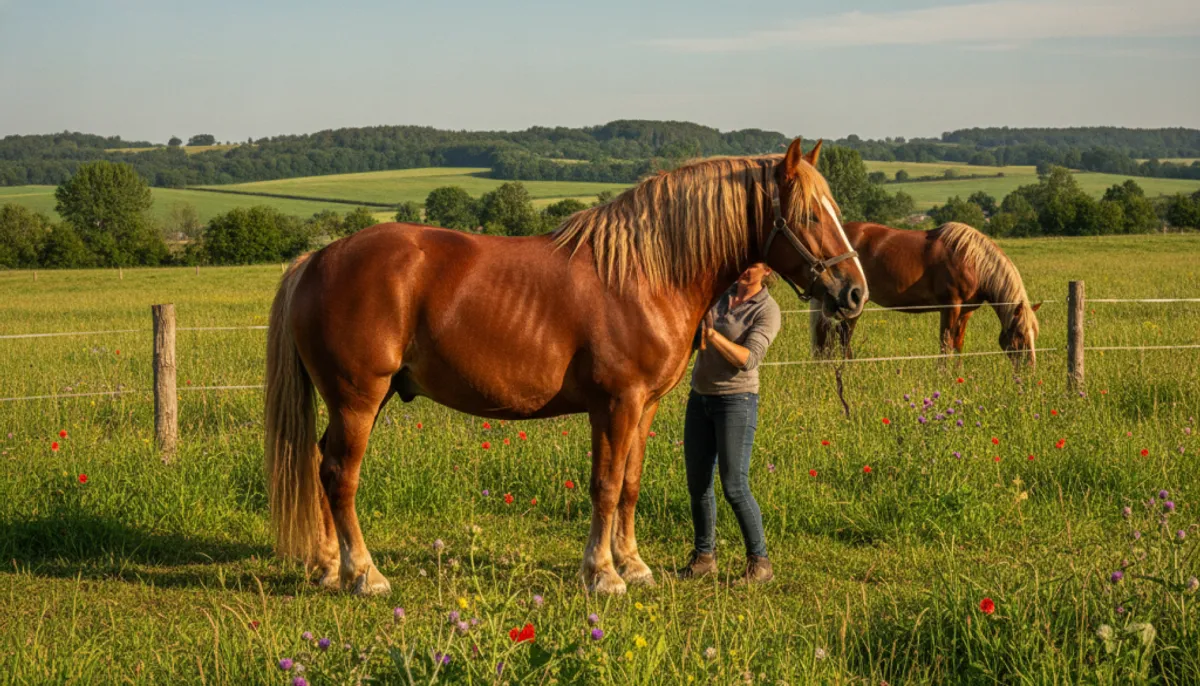
The physical characteristics of the draft horse are distinguished by their robustness and elegance. This horse stands out with a medium height ranging from 1.50 to 1.65 m. This stature offers a perfect balance between power and maneuverability.
Weighing between 650 and 800 kg, these horses have solid limbs and a muscular neck, suited for heavy draft work. The bay coat is the most common, often accompanied by a mane and tail with light reflections, giving the animal a very recognizable appearance.
With a gentle and docile temperament, this horse is particularly valued for its patience. This greatly facilitates its training and daily use. The morphology of these animals, with a straight head profile, reflects a rigorous selection aimed at maintaining the physical qualities of the breed.
Traditional and Modern Uses of the Comtois Horse
Draft horses have always held a prominent place in French agriculture. Historically, they have been valuable allies for plowing and transporting goods in steep mountainous areas.
Today, these animals are highly sought after for logging in forests. This ecological method preserves the fragile soils of French forests, demonstrating their adaptability to contemporary needs.
Moreover, leisure driving and equestrian tourism represent a significant part of the activity. This allows for the valorization of the horse in varied settings while providing enriching experiences.
In urban environments, driving is increasingly favored. Services such as maintaining green spaces or waste collection use these horses for municipal tasks.
The versatility of these animals allows them to adapt to both demanding agricultural work and peaceful family or friend outings.
Breeding and Selection of the Comtois Horse
In the breeding world, the care taken in selecting animals is crucial. The breeders of the Comtois breed apply traditional methods to ensure the quality and hardiness of their horses.
Extensive breeding in mountainous areas is an essential practice. This allows horses to live outdoors, which enhances their overall health. Breeders take pride in maintaining standards of excellence based on conformation and gaits, in accordance with the breed association's guidelines.
The search for quality is a priority. Professionals collaborate closely to improve bloodlines while respecting ancestral traditions. Thanks to these efforts, the breed has managed to sustain and develop, becoming the most prevalent among draft horses in France today.
The expertise of breeders is essential to ensure the sustainability of these animals. They require special attention during their early years of life.
The Impact of Wars and Industrial Transformation
Wars and mechanization have left an indelible mark on the equine breed in France. In the 19th century, conflicts, particularly the Napoleonic wars, decimated the horse population. These events led to massive requisitions by the army, significantly reducing numbers.
At the same time, industrialization and the advent of tractors disrupted the traditional role of the horse. The horse was gradually relegated to a secondary role on farms. Despite these challenges, some breeders continued to believe in the future of the breed.
They preserved an invaluable genetic heritage for future generations. The history of these horses is closely linked to the upheavals of our country, reflecting the profound changes in French society over time.
The resilience of this breed in the face of mechanization attests to its intrinsic value. It also highlights the deep attachment of humans to these animals.
The Transition to Meat Production and Its Economy
In the 1970s, a major transformation occurred for draft horses. The shift towards meat production became an essential strategy to ensure their survival. This approach not only helped maintain numbers but also provided breeders with a vital source of income.
The decree of August 24, 1976, was a turning point. This text renamed these animals as “heavy horses,” encouraging breeders to select more massive individuals. Paradoxically, this transition to meat stabilized the selling price of foals, thus preserving the breed in the face of declining agricultural demand.
Today, meat production remains an important outlet. However, the valorization of draft horses in leisure and work activities continues to grow.
| Year | Event | Impact |
|---|---|---|
| 1970 | Transition to meat | Crucial economic strategy |
| 1976 | Decree on heavy horses | Strengthening of selection |
| Current | Meat production | Still an important approach |
Competitions and Events Dedicated to the Comtois Horse
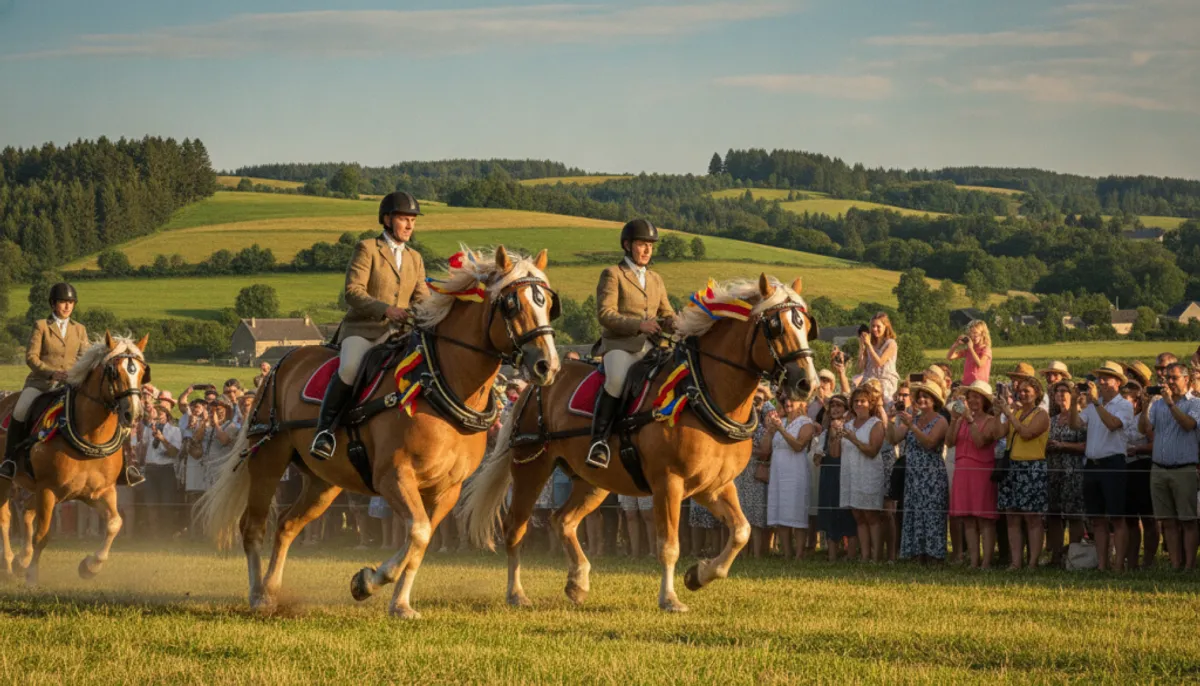
Competitions and events dedicated to horses are moments of celebration. They highlight the exceptional quality of these animals. Every year, fairs and competitions are organized, bringing together breeders and enthusiasts.
The first competition in Maîche in 1910 marked the beginning of a lasting tradition. Every September, numerous fairs celebrate the breed and provide an opportunity to share memorable photos of these magnificent draft animals.
The International Agricultural Show is a must-attend event. It attracts a large audience eager to admire the presence and docility of the horses. These gatherings are essential for maintaining the link between breeders and the general public.
Participation in these competitions requires meticulous preparation. Every detail matters to showcase the physical attributes and character of the horses.
| Event | Date | Importance |
|---|---|---|
| Competition in Maîche | 1910 | Beginning of a tradition |
| September Fairs | Every year | Celebration of the breed |
| International Agricultural Show | Annual | Showcase for the horses |
Role of the Comtois Horse in French Agriculture
Draft horses play an essential role in the French agricultural landscape. Their strength and endurance have shaped our countryside for decades. These animals are at the heart of traditional agricultural practices in France.
Despite mechanization, the breeding of these horses remains dynamic. They contribute to the maintenance of natural spaces and biodiversity. Indeed, draft horses are being rediscovered for their ability to work in sensitive areas where heavy machinery cannot operate.
The sustainability of this breed attests to its constant utility. It also demonstrates its ability to adapt to new environmental requirements. By supporting the breeding of these animals, farmers preserve a living heritage essential to our rural identity.
Local Initiatives and Urban Drafting
Local initiatives in drafting are redefining the role of horses in our cities. In Dole, breeders like Julien Dugois have established innovative drafting services for the daily maintenance of the city. These Comtois horses actively participate in municipal work, proving that drafting is a modern and ecological solution for local communities.
This integration promotes local agriculture and raises citizens' awareness of the presence of horses in the city. These local initiatives show that horses can regain a central place in our society, far beyond the boundaries of traditional agriculture.
The success of these projects relies on the dedication of breeders who ensure the well-being and training of their horses on a daily basis.
| Initiative | Breeder | Impact |
|---|---|---|
| Drafting Services | Julien Dugois | Urban maintenance |
| Waste Collection | Local Breeders | Ecological solution |
| Watering Green Spaces | Committed Breeders | Promotion of urban agriculture |
Comparison with Other Draft Horse Breeds
The differences between draft horse breeds are fascinating and deserve exploration. The Comtois is similar to the Ardennais and the Breton, but it is distinguished by a morphology suited to mountainous terrain. This makes it particularly effective for draft work.
When comparing these breeds, nuances in power and endurance can be observed. Each breed has been selected to meet specific regional needs. For example, Comtois horses are known for their hardiness, allowing them to live outdoors year-round without difficulty.
This study of functional differences between breeds is crucial for breeders. It helps them choose the best partner for activities such as logging or drafting. This diversity among draft horses enriches French equine heritage, offering tailored solutions for every type of terrain and climate.
Care, Health, and Well-being of the Comtois Horse
To maintain the vitality of draft horses, daily care is essential. These robust animals, thanks to their great hardiness, adapt to various climates. However, regular monitoring of their health is necessary.
Breeders must be vigilant against genetic diseases such as ACOM and EBJ. Rigorous screening tests are essential to protect the breed. A balanced diet, based on quality forage, is also crucial to ensure a long life for these working animals.
The well-being of horses involves regular veterinary follow-up. Care tailored to the climatic conditions of their environment is necessary. By investing in preventive care, owners ensure the vitality of their horses, which can live between 20 and 30 years.
| Aspect | Details | Importance |
|---|---|---|
| Daily Care | Health monitoring | Disease prevention |
| Nutrition | Quality forage | Ensures a long life |
| Veterinary Follow-up | Appropriate care | Overall well-being |
The Excellence of Made in France: La Sellerie Française and Its Products
French craftsmanship stands out for its excellence and unique know-how. La Sellerie Française offers you high-end products, entirely made in France. Each item is designed to meet the specific needs of draft horses.
Breeders can equip themselves with robust equipment, incorporating forged iron parts. This combines tradition and modernity for optimal comfort. Moreover, each product is handmade, ensuring a superior quality that surpasses standard certifications.
Through this complete manufacturing, La Sellerie Française supports local craftsmanship. Horse enthusiasts will find unique and durable solutions, adapted to demanding working conditions.
| Product | Features | Benefits |
|---|---|---|
| Custom Harness | Handmade | Comfort and durability |
| Forged Iron Bridles | Robustness | Tradition and elegance |
| Custom Saddles | Unique design | Adapted for draft horses |
Conclusion
Draft horses, with their rich heritage, continue to inspire and fascinate enthusiasts. Their history, marked by adaptations to societal changes, attests to their versatility. Whether in meat production or urban drafting, these animals remain essential in the French landscape.
Breeders play a key role in preserving the genetic quality of this breed. They innovate to meet current economic and environmental challenges. Thanks to local initiatives and high-quality artisanal equipment, the future of these horses looks promising.
We hope this guide has helped you better understand the importance of this breed and discover solutions to support your companion. Together, let’s continue to celebrate the heritage of draft horses.