
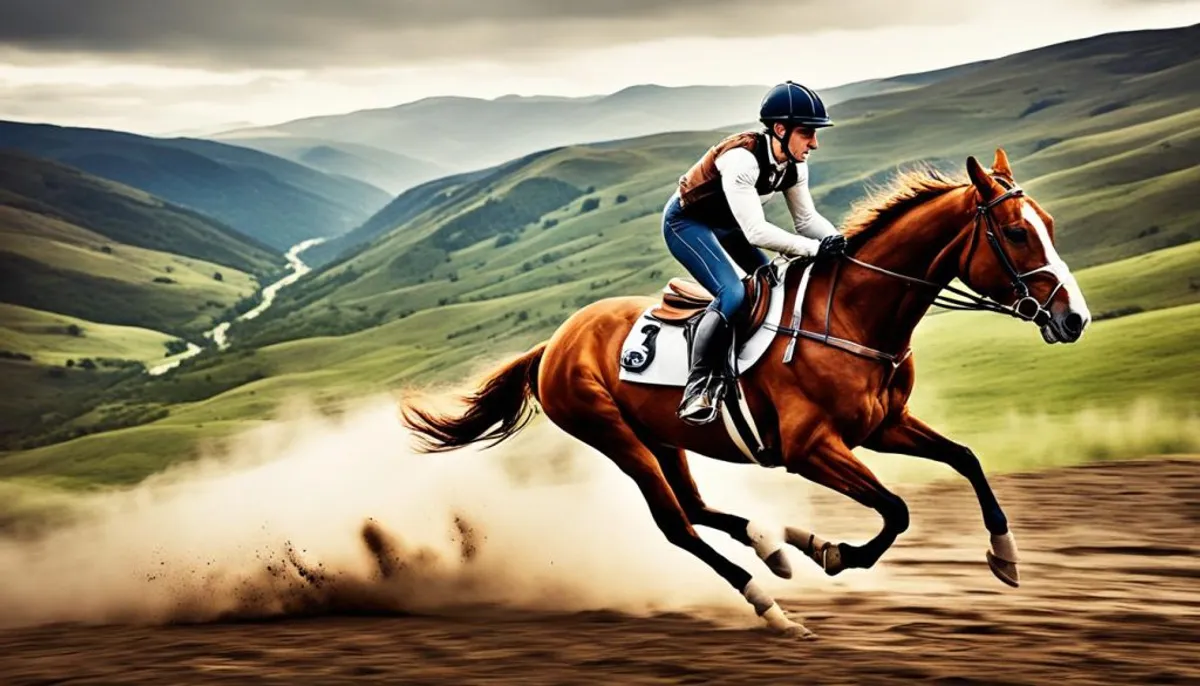
Endurance riding is an exciting sport. It is also called trail riding or equestrian raid. Participants cover long distances on horseback. These journeys can range from 20 km to 160 km in a single day. Alternatively, they can do 2 x 100 km over two days.
It is a race against the clock. Also known as "horse endurance racing" or "horse trail competition." All riders and horses must be well prepared. They must traverse natural landscapes quickly while keeping the horses healthy.
Endurance riding is one of the seven equestrian disciplines recognized by the Fédération Équestre Internationale (FEI).
Main points to remember
- Endurance riding is a long-distance equestrian discipline
- Races can cover from 20 km to 160 km in one day, or 2 x 100 km over two days
- The well-being of the horse is paramount, with regular veterinary checks
- Endurance riding is one of the seven equestrian disciplines recognized by the FEI
- Rigorous physical and mental preparation is essential for participants and their mounts
History and origins of endurance riding
Endurance riding dates back centuries. Throughout history, communication and travel have always been essential. Postal services were crucial in Europe and America. They greatly contributed to this sporting practice.
In the 19th century, the famous Pony Express in the United States was already an example of speed. It quickly transported news from one end of the country to the other.
This sporting practice also has military ties. Horses needed to be fast and strong for conquests. This led to the first endurance competitions, which were very tough on the animals.
From postal services to military raids
Endurance riding has a rich history, based on the need to communicate and move. Postal services greatly influenced this sport. The famous Pony Express is a fine example from the United States in the 19th century.
Military raids also had a significant impact on this practice. They demonstrated the importance of having robust and fast horses. These needs led to the development of equestrian endurance.
The first endurance riding competitions began in the 19th century. They started in Europe and then spread to Australia and the United States. Unfortunately, at that time, animal welfare was not at the center of these challenging events.
Rules and procedures of an endurance riding race
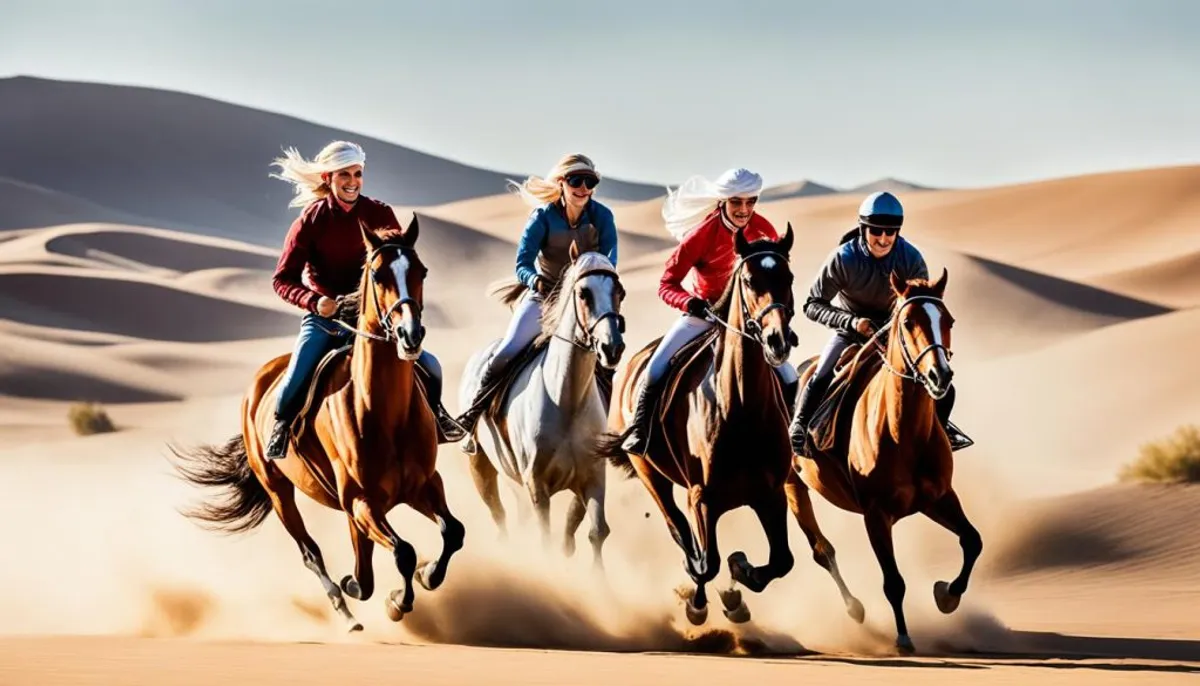
Endurance riding is a demanding sport. Its rules are very strict. Riders undergo veterinary checks during the race. These tests verify that the horses are in good shape. If they are not, the horses cannot continue the race.
Different types of events based on distance
There are several types of endurance competitions. They vary according to the distance to be covered. Some courses are only 20 kilometers long. Others are much longer, up to 160 kilometers. Riders must therefore adapt to the required speed, which can be free or limited.
Crucial role of the support team
A support team is very important during the race. They take care of refreshing the horse and monitoring its health. They provide all necessary care. This helps riders and horses finish in good condition.
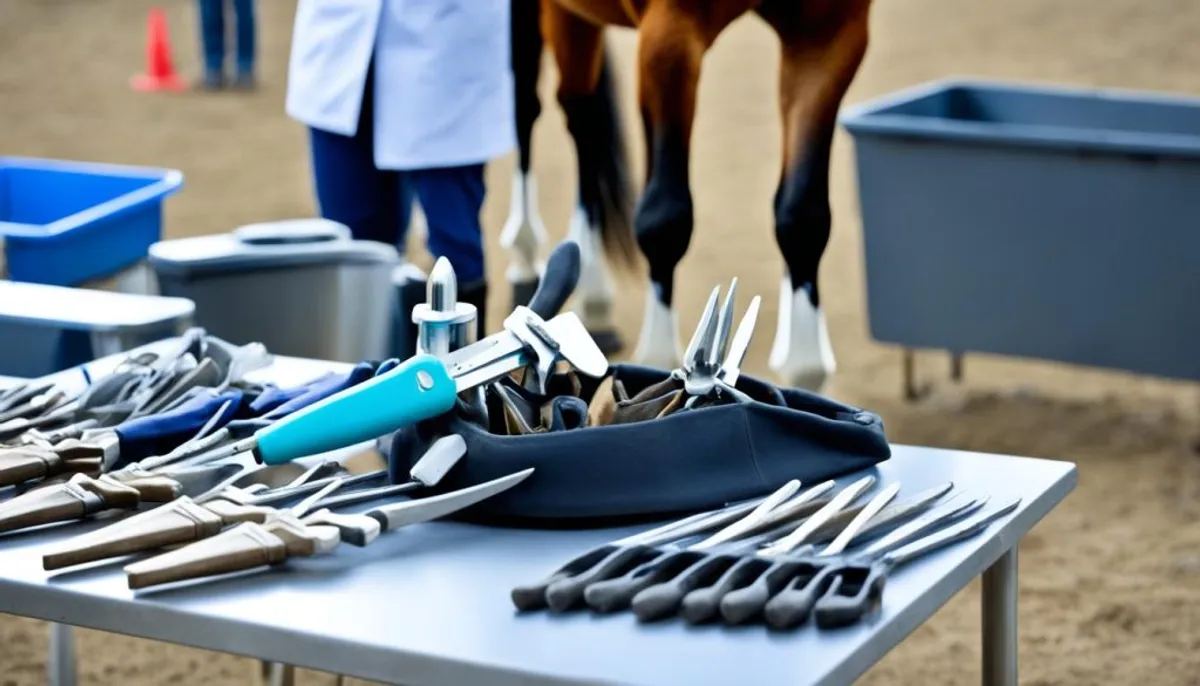
In conclusion, endurance riding has very specific endurance riding rules. Veterinary checks are frequent for the well-being of the horses. The events vary in length. The support team is vital in assisting the competitors.
Endurance riding at the international level
Equestrian endurance is approved by the FEI, making it eligible for the World Equestrian Games. In addition to national competitions, there are international events over very long distances. These races bring together the best participants from around the world.
Discipline recognized by the FEI
Endurance is a renowned equestrian sport, managed by the FEI. Thanks to this recognition, the discipline is well-regulated and receives more attention worldwide.
Official international competitions
In addition to local competitions, enthusiasts can watch high-level international events. These events are organized according to FEI rules and feature excellent riders.
Clash between Western countries and the Persian Gulf
Since 2000, an intense battle has been taking place between Western countries and those in the Persian Gulf. Nations such as Qatar and the Emirates have made a mark on the world stage. However, there have been issues with doping and horse deaths, causing controversies.
| Western countries | Persian Gulf countries |
|---|---|
| Historical presence in equestrian endurance | Recent emergence and assertion on the world stage |
| Recognized tradition and expertise | Massive investments and rapid development |
| Suspicions of doping and animal abuse | Scandals related to doping and horse deaths |
Preparation of the horse and rider for endurance riding
To succeed in endurance riding, proper training is vital. This applies to both the horse and the rider. Riders often choose Arabian thoroughbreds or other breeds ideal for this discipline.
Specific training and choice of mount
Endurance riding requires the right equipment. Lightweight saddles and specific shoes are used. This equipment helps horses stay fit for covering long distances without injury.
Additionally, riders learn care methods for their horses. This type of training can last for years. It helps teams excel in competition while respecting the animal.
FAQ
What is endurance riding?
Endurance riding is a long-distance race conducted on horseback in the great outdoors. The goal is to cover long distances, ranging from 20 km to 160 km in one day.
You can also do 2 x 100 km over two days. This race is timed. It must be performed at a fixed pace. This helps preserve the health of the horse.
What are the origins of endurance riding?
Endurance events date back to ancient needs for fast communication. These were to pass information quickly from one place to another.
The Pony Express in the United States in the 19th century is a good example. It was a horse race that illustrated this need well. Armies also used this technique. They needed fast and strong horses to conquer new territories.
What are the rules of an endurance riding race?
The endurance race has strict rules to follow. There are regular veterinary checks to verify the horse's health. If the horse is too tired, it may be excluded.
The distances range from 20 km to 160 km. The support team is very important. They help refresh the horse and provide care.
Where is endurance riding practiced internationally?
Endurance riding is internationally recognized by the FEI. That is why there are competitions over the longest distances. These competitions have existed since the 2000s.
They involve different countries, from Western nations to Gulf countries like Qatar and the United Arab Emirates. Unfortunately, some doping and horse death scandals tarnish these competitions.
How do the horse and rider prepare for endurance riding?
The horse and rider train for equestrian endurance. Riders learn to know their horses well, usually Arabian thoroughbreds. This is important for being effective and respectful of the horse.
Special equipment is also necessary. It ensures the comfort of the horse and rider during exercise.