
Equestrianism is when we guide a horse with our actions. It is both an art, a leisure activity, a sport, and a job. The people who practice equestrianism, the riders, ride a horse or a pony. They steer them by holding the reins and using their legs.
There is specific equipment for equestrianism, such as the saddle on which the riders sit. Horses wear a bridle or a halter on their heads. This often includes a bit attached to the reins.
To learn to ride, one must understand how to communicate with the horse. This allows for control over speed and direction. The goal is also to stay safe and avoid injuries.
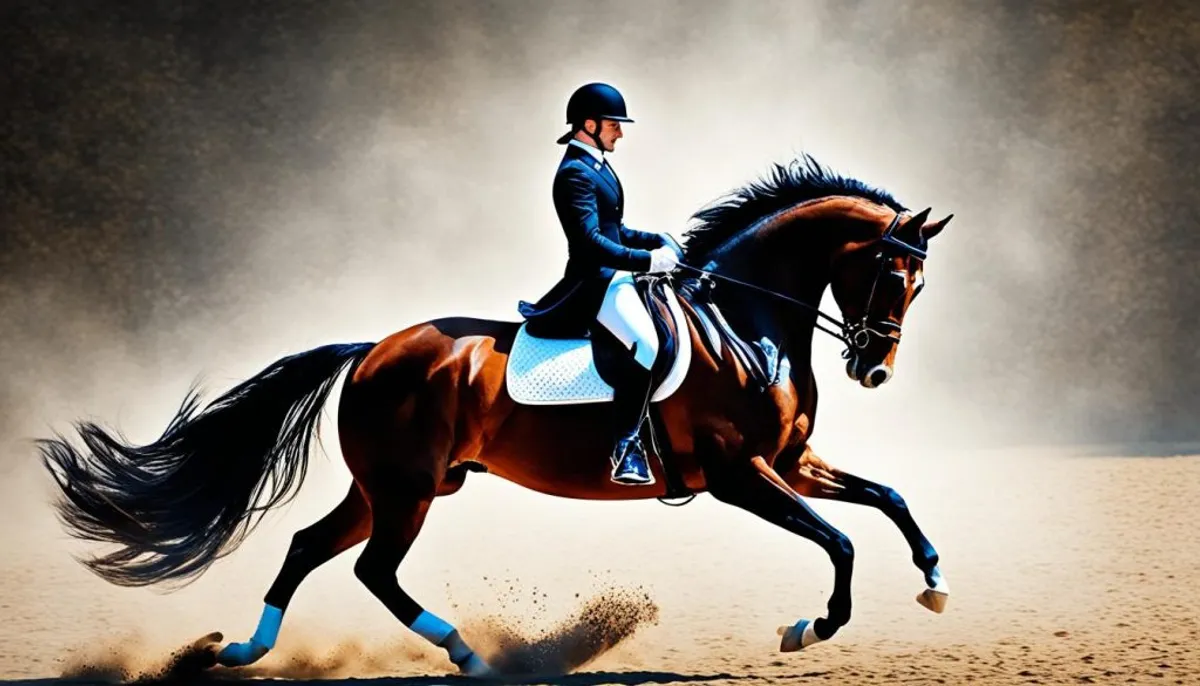
Main concepts to remember
- Equestrianism is the practice of guiding an equine under human action.
- It can be practiced as an art, a leisure activity, a sport, or as part of a job.
- Equestrianism involves the use of specific equipment like the saddle and bridle.
- Learning to ride relies on mastering the means of communication with the mount.
- Equestrianism allows for control over the speed and direction of the mount while avoiding injuries.
What is equestrianism?
Equestrianism is not just a definition of equestrianism or horse riding. It is a complex art. It combines the guiding of an equine with the mastery of equestrian equipment. This creates a special relationship between the rider and the horse.
Definition of equestrianism
The definition of equestrianism, according to the National Center for Textual and Lexical Resources, is the "action of riding a horse." This primarily includes the art of horse riding following strict rules. The word comes from the Latin equitare, meaning "to ride a horse." From there comes equitatio. Equestrianism has several purposes: combat, work, art, sport, or leisure.
It goes beyond a simple definition of equestrianism. It is both an art and a science. One must master the guiding of an equine and the equestrian equipment. This is important for building trust and communicating with the horse.
Equestrianism: an art and a science
Equestrianism is not just a sport. It is a blend of art and science. It requires close communication between the rider and their horse. The subtleties of equestrianism are the fruit of the relationship between man and animal, says Professor Paul McGreevy.
For Olympic rider Lendon Gray, it is an organized teaching. The rider learns by using their body and interacting with their horse. They feel the movements of the animal. These essential knowledge are universal, regardless of the type of equestrianism practiced.
Equestrianism is both an art of rider-horse communication and a science. It relies on well-established equestrian techniques. For the rider, it is a continuous process of improving their understanding and connection with their horse.
Whether for pleasure or competition, the foundations of equestrianism are the same. It is the unique combination of art and science that makes this equestrian sport so complex and captivating.
definition of equestrianism
Equestrianism is the art of riding a horse. It is an ancient practice that includes rules and techniques. The word comes from the Latin equitare, meaning "to ride a horse." Equestrianism is used for various purposes such as combat, work, art, sport, or leisure.
Definition of equestrianism means understanding when the rider and the horse work well together. It is an ancient practice that requires knowing how to communicate with the animal. It also requires mastering the techniques of guiding an equine.
| Definition of equestrianism | Examples of equestrian disciplines |
|---|---|
| Equestrianism is the art of riding a horse according to codified rules. |
|
Whether for sport, leisure, or work, equestrianism requires a physical preparation for both the human and the animal. It is essential to know the horse well. It is both an art and a science, combining riding, communication, and guiding an equine.
The natural aids
In equestrianism, "aids" are means of communicating with the horse. The legs, body weight, and hands help in communication. They let the horse know what the rider wants and receive its responses.
The rider's legs, body weight, and hands
The legs direct the horse forward, to move faster or change pace. The rider's weight guides the horse on which way to go to change direction. And the hands help to slow down or stop the horse with the reins.
The effectiveness of these aids depends on their use together. By using them well, the rider can truly communicate with their horse. This creates a strong relationship and trust.
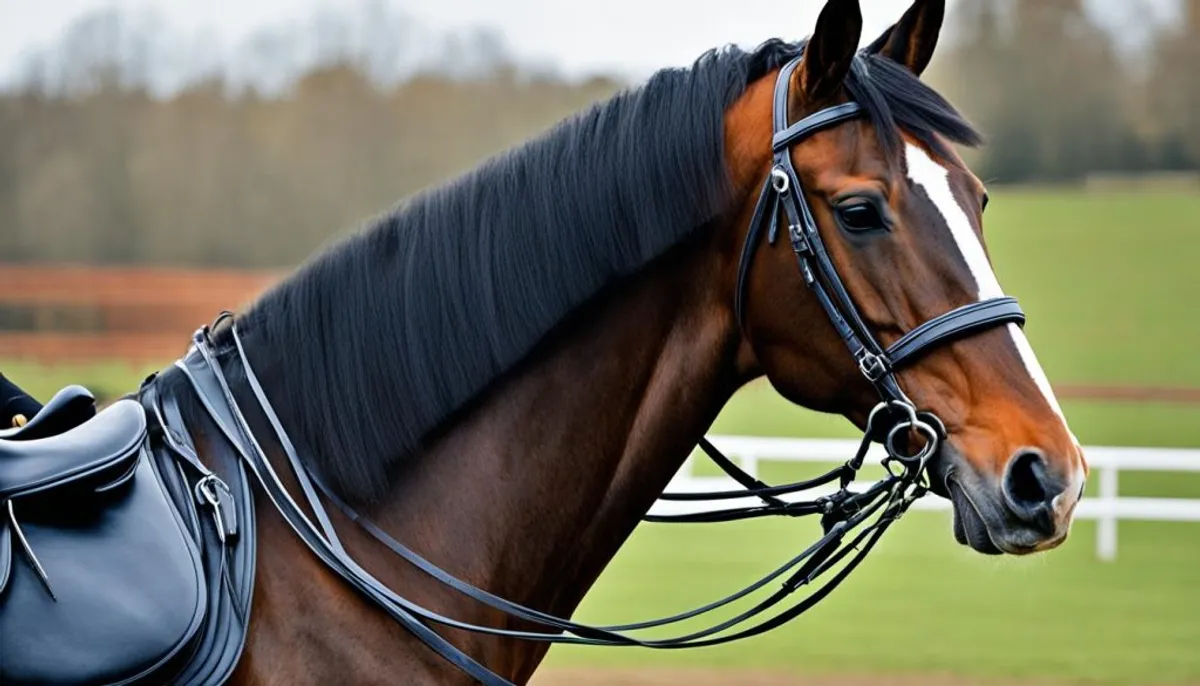
Learning to use the legs, weight, and hands well is crucial. It takes time and practice. But it makes equestrianism smooth and collaborative with the animal.
The diversity of riders
Equestrianism is open to everyone, young or old. Anyone can start, from childhood to advanced age. The equestrian riders vary. There are male riders, female riders, and riders of various ages.
In 2016 in France, over 2.7 million people aged 15 to 70 had ridden a horse. This represented 5.8% of the population. These figures highlight the popularity of equestrianism among the French of all ages.
Equestrianism truly attracts all age groups. From young children to seniors, everyone can practice. For example, the famous Mark Todd competed in the Olympics at 60 years old. And even the Queen of England rode until she was 96 years old.
It is a sport for everyone, whether they are men or women, young or older. This shows the beautiful variety of practitioners who enjoy this equestrian sport all over the world.
| Characteristics of riders | Proportion |
|---|---|
| Riders over 15 and under 70 years old in France in 2016 | 2.7 million |
| Share of the French population that had ridden in 2016 | 5.8% |
| Age of Mark Todd during his participation in the 2016 Olympics | 60 years |
| Age of Elizabeth II during her last public appearance on horseback | 96 years |
Physical preparation of the rider and the horse
Equestrianism is a demanding sport. It requires good physical preparation, whether for the rider or the horse. For the rider, it is important to stay safe in the saddle and to perform better.
The rider's physical condition
Riding a horse means having balance and endurance. It works many muscles. Before riding, physical training is vital. This includes:
- Strengthening certain muscles, like the abs, thighs, and glutes, to better hold the saddle.
- Doing stretching to avoid injuries and become more flexible.
- Sometimes, one needs to lose weight to be lighter for the horse.
Patrick Teisserenc, head of the Cadre noir, says to train at least two hours each week. One must work on balance, strengthen muscles, improve heart health, and prepare mentally.
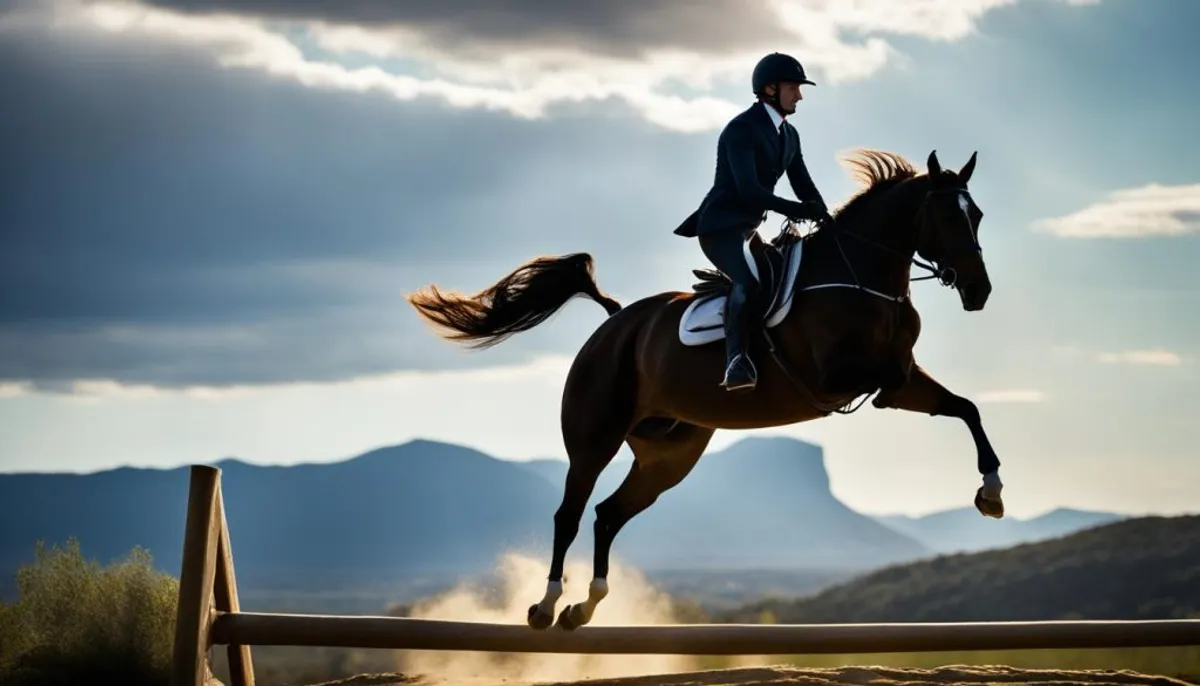
Having good physical condition helps the rider stay safe and perform better with their horse.
The basics of ethological equestrianism
Ethological equestrianism encompasses gentle methods for educating horses. These methods stem from the horsemanship of "whisperers." They also incorporate knowledge of equine ethology, the science of horse behavior. The main goal is to ensure animal welfare.
Ethological equestrianism differs from equine ethology. The latter focuses on studying horse behaviors. Equine ethology was globally recognized in 1973 with the Nobel Prize in Medicine. Niko Tinbergen, Karl von Frisch, and Konrad Lorenz were awarded for their work on animal behavior.
This equestrian method emphasizes communication between the horse and its rider. It relies on a good understanding of nature and equine welfare. Ethological equestrianism seeks to establish a relationship of trust and respect. This makes the equestrian practice more enjoyable and enriching for both the rider and the animal.
- Close observation of the horse's natural behavior
- Communication based on simple and adapted signals
- Progressive and kind learning
- Respect for the pace and abilities of each horse
This method fosters a close bond between the rider and the horse. It strengthens their trust and complicity while taking care of the horse's welfare. Ethological equestrianism offers a gentler and more enriching vision of equestrianism.
Conclusion
Equestrianism is exciting, blending art and science. It is the technique by which one guides a horse or pony. We make it walk, gallop, or jump, often for pleasure or sport. But also as a true profession.
The practice relies on communication with the horse. We use our legs, our body, and our hands to speak to it. Millions of people love equestrianism around the globe. They come from all ages and levels, each with their own story.
This discipline requires good physical condition, for both the rider and the animal. It also respects animal welfare. Thus, equestrianism is both an art and a science, a rewarding practice for all.
FAQ
What is equestrianism?
Equestrianism is guiding a horse or pony. It can be for fun, competition, or even work. The rider is the person who rides the equine.
What are the basic principles of equestrianism?
To ride, one uses a saddle. The horse wears a bridle that allows the rider to communicate with it. Learning to ride means knowing how to guide the horse with precision.
How is equestrianism both an art and a science?
Riding a horse requires finesse and connection between the horse and the rider. Knowing how to ride is a bit of science and a lot of art. The rider must use their body well to guide the horse.
They communicate in a subtle and precise manner. Regardless of the type of equestrianism practiced, certain principles remain the same.
What is the precise definition of equestrianism?
Equestrianism is the art of riding a horse, following precise rules. The word comes from the Latin "equitare." It means "to ride a horse." There are several forms of equestrianism, each with its own purposes.
What are the "natural aids" used in equestrianism?
Riders communicate with their horse using their legs, weight, and hands. They use their legs to move it forward, their weight to turn, and their hands to slow down or stop it. These natural gestures allow the rider to converse with the horse.
Who practices equestrianism?
Millions of people practice equestrianism around the world. All ages are represented, from toddlers to seniors. In France, over 2.7 million people ride regularly.
How does the rider prepare physically?
Preparing to ride a horse requires effort. One must do exercises to stay fit. These exercises include muscle strengthening, stretching, and endurance.
They help improve balance and strengthen the rider's heart and mind.
What is ethological equestrianism?
Ethological equestrianism is based on understanding the horse. It is an educational approach combining horsemanship and science. Its goal is to improve the horse's welfare by respecting its nature.