
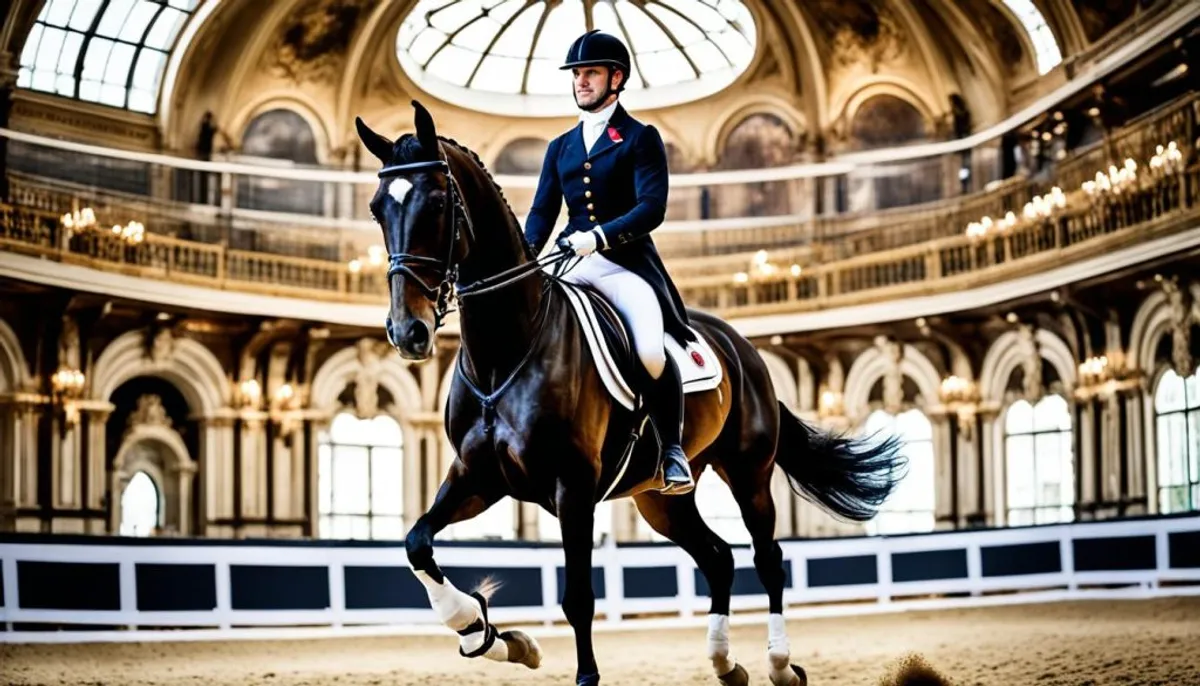
Equestrianism is at the heart of culture in France. It began during the Renaissance. The relationship between man and the horse is central. Everything is done with lightness, without constraints.
In 2011, UNESCO included this tradition in the intangible cultural heritage. This shows its global importance. Today, many people of all ages in France are interested in it. They practice this sport in several places.
Main ideas to remember
- Equestrianism occupies a central place in French culture
- Rich history dating back to the Renaissance
- Tradition characterized by harmony between man and horse and lightness
- Inscribed in the intangible cultural heritage of UNESCO
- Practiced in many riding centers and stables in France
French traditional equestrianism: Intangible cultural heritage
French traditional equestrianism has a fascinating history. It owes much to masters like Antoine de Pluvinel. These masters developed this tradition in the equestrian academies of the Renaissance. They emphasized the importance of elegance and harmony between the rider and the mount.
History of French traditional equestrianism
After the French Revolution, the École de cavalerie de Saumur became central. Several great names enriched this tradition, bringing it to national and international heights.
Recognition by UNESCO
In 2011, UNESCO recognized French traditional equestrianism as intangible cultural heritage. This status was made possible thanks to the support of institutions like the École nationale d'équitation and the Ministry of Culture. It highlights the importance of this tradition for France and the world.
The Cadre noir de Saumur symbolizes this tradition. It is recognized as a major emblem of French traditional equestrianism. The French equestrians perpetuate ancestral gestures and principles with passion and precision.
Values and principles of French equestrianism
French traditional equestrianism has unique values. It helps create harmony between man and the horse. This harmony is based on lightness and absence of constraint.
Riders seek lightness and gentleness in their way of communicating with horses. They aim to have a strong connection, where trust and respect are essential.
When this man-horse harmony is perfectly established, the exercises seem natural and effortless. The horse moves freely, aided by subtle guidance from the rider.
A key principle is the absence of constraint in French equestrianism. This means that the horse is respected, without constraints or harsh methods.
- The lightness of movements, reflecting subtle communication between the rider and the horse.
- The man-horse harmony, where the horse moves with ease and willingness.
- The absence of constraint, prioritizing the well-being and respect of the animal.
These values are a treasure that is passed down from generation to generation. They are essential for enthusiasts and ensure the longevity of this special tradition.
Contemporary practices of French equestrianism
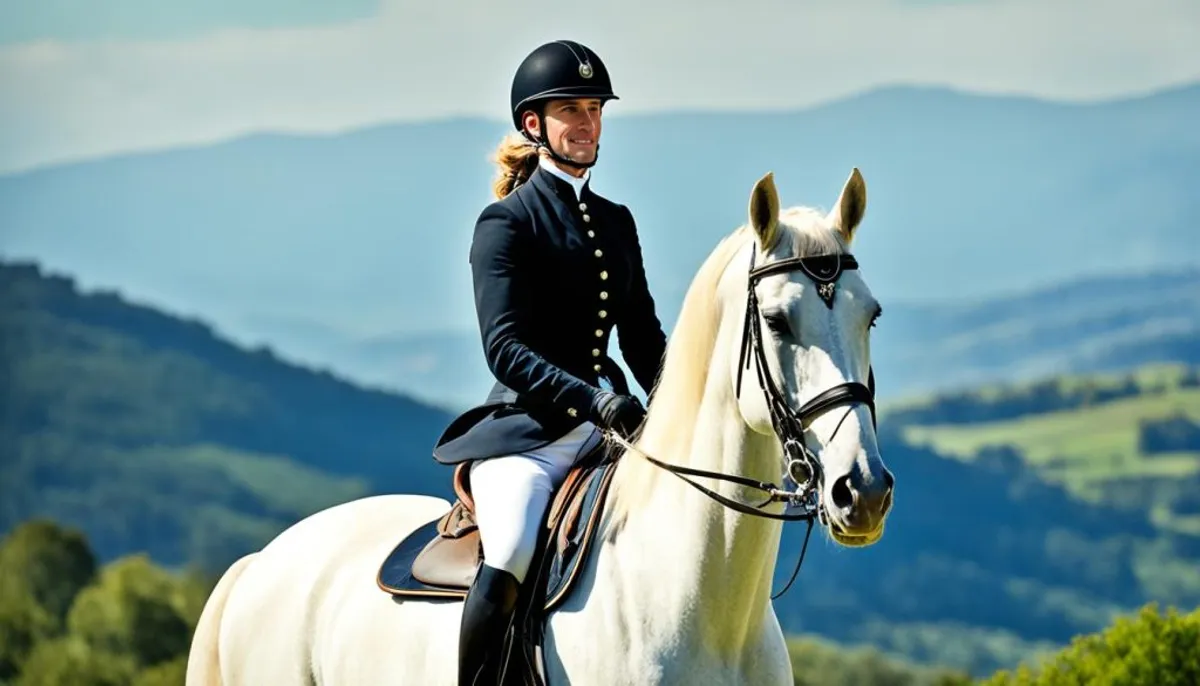
Today, French traditional equestrianism shows impressive diversity. There are different equestrian disciplines and activities. These activities range from competition to trail riding, including dressage and ethological riding. They help keep our culture alive while evolving with the needs of our society.
Disciplines and activities
In France, the most beloved equestrian disciplines are:
- Dressage, which seeks harmony between the rider and the horse.
- Competition where riders compete in various events.
- Show jumping, eventing, and equestrian tourism are part of these events.
- Trail riding, offering the chance to see the beautiful landscapes of France.
- Ethological riding, which aims for a respectful and natural relationship with the horse.
These practices demonstrate the variety and richness of equestrianism in France. They offer a unique experience to those who practice them.
Whether one loves competition, tourism, or simply riding, equestrianism in France attracts many enthusiasts. They want to preserve and share this precious cultural heritage.
Challenges of transmission and sustainability
Passing on French traditional equestrianism is crucial to maintaining it. Several initiatives bring together those who want to keep this heritage alive. They work together to promote it.
French Equestrian Tradition Community is one example. It is an important association. It brings together riders, trainers, and stables. Their mission is to transmit and sustain this living heritage.
They organize training, events for awareness. This community works hard to keep traditional equestrianism alive.
Moreover, UNESCO has recognized traditional French equestrianism as intangible cultural heritage. This has helped raise public and institutional awareness. Now, everyone better understands the importance of this heritage. This global recognition highlights traditional equestrian practices. It makes the French Equestrian Tradition Community very proud.
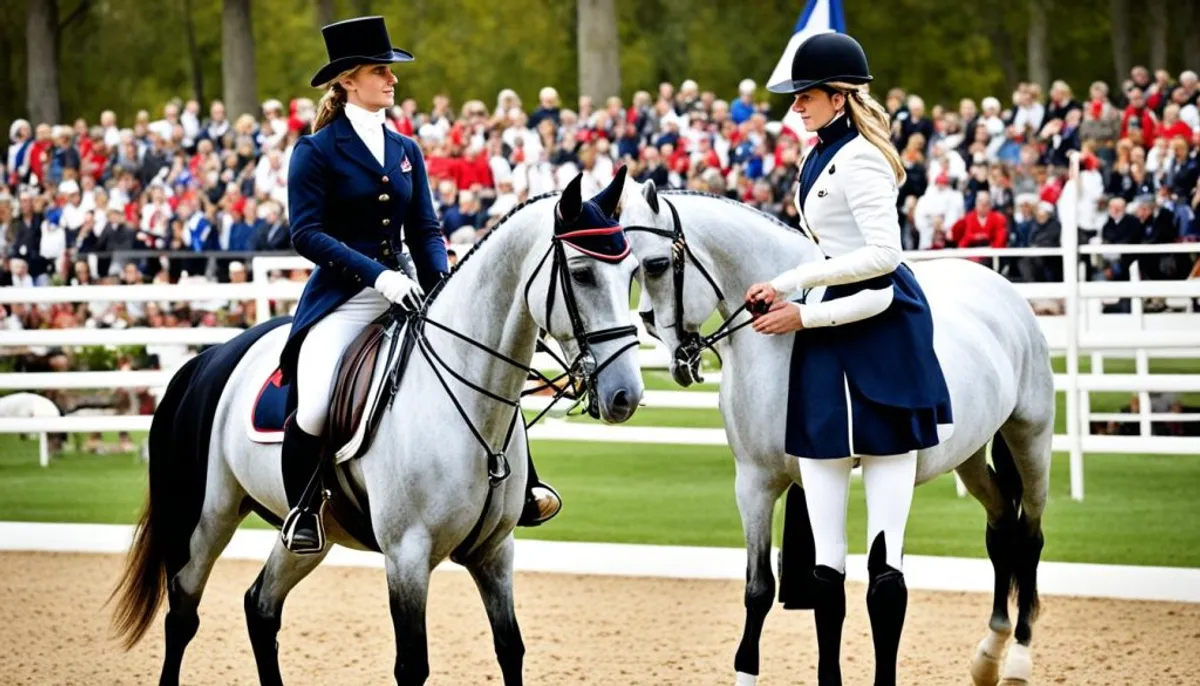
Transmitting the know-how of French equestrianism and keeping its traditions alive are significant challenges. But they are essential. This allows for the preservation of a living heritage for France.
French equestrianism: an economic and tourist vector
Equestrianism in France is much more than just an activity. It is an important element of its rich history and cultural heritage. Equestrianism is a great asset for the economy and tourism. It attracts many eyes, in France and beyond.
Equestrian tourism is on the rise. Equestrian shows and activities attract visitors. This also helps the economy of many regions.
This practice has been recognized by UNESCO as intangible cultural heritage. This has done much to showcase its importance nationally and internationally. This recognition helps draw attention to the economic and tourist aspects related to it.
In France, equestrianism plays a major role in equestrian tourism. With its riding centers, stables, and events, it creates jobs. This economically helps many regions of France.
French equestrian performances are known worldwide. They help enhance the image and attractiveness of France. The successes of riders and high-level shows are a real asset for the country.
Thus, French equestrianism strongly contributes to the economy and tourism of the country. It is vital for its cultural heritage. But also, it is a major driver for its economic and tourist development.
Conclusion
French traditional equestrianism is special in the culture of the country. It showcases a rich heritage and an active practice. This tradition is on the UNESCO World Heritage list.
It is passed down from family to family. It also adapts to the changes of the world. Thus, it blends passion, tradition, and new ideas, showcasing the variety of French culture.
It is not just culturally important. It also helps the economy and tourism of the country. By preserving ancient know-how and showcasing special sites, equestrianism enriches the French regions. This makes France even more attractive to visitors.
Traditional equestrianism in France is therefore an important pillar. It is a key element of its cultural identity. A living heritage, very important to protect and pass on to future generations.
It embodies strong values and modern practice styles. This shows how crucial it is for the diversity and splendor of the equestrian world in France.
FAQ
What is the importance of equestrianism in France?
Equestrianism is essential in France due to an ancestral tradition. Since the Renaissance, this activity harmoniously links man and horse. It is marked by the lightness of movements and respect for the animal's freedom. In 2011, it joined the cultural heritage of UNESCO, highlighting its global influence.
What are the main elements of the history of French traditional equestrianism?
French equestrianism began at the academies of the Renaissance. It highlighted elegance and the symbiosis between rider and horse. Personalities like Antoine de Pluvinel enriched this discipline. After the Revolution, the École de Saumur allowed this art to endure.
What are the values and principles of French traditional equestrianism?
Unique values and principles govern French equestrianism. Its essence is the perfect harmony between man and animal. It prioritizes the fluidity of gestures and the freedom of the living being. These aspects structure the teaching and practice of this art.
What are the contemporary practices of French traditional equestrianism?
Today, traditional equestrianism evolves through various activities. It encompasses competitions, horseback rides, dressage, and more. These modern forms help keep this cultural heritage alive. They adapt to the changes of our time.
What are the challenges of transmission and sustainability of French traditional equestrianism?
Transmitting and maintaining the French equestrian heritage is essential. The creation of the French Equestrian Tradition Community promotes its dissemination. The involvement of UNESCO raises awareness among the public and authorities about this cultural cause.
What is the economic and tourist role of French traditional equestrianism?
Traditional equestrianism is crucial for the economy and tourism in France. Through equestrian tourism and shows, it contributes to the country's attractiveness. UNESCO has amplified the promotion of this heritage, reaching a wider audience.