
An official guide was published on November 11, 2024, to support young riders in their equestrian progression. The French Equestrian Federation has updated its recommendations to help children succeed in their journey.
This comprehensive document details each necessary step to achieve a key level in learning. It serves as a valuable reference for families and instructors.
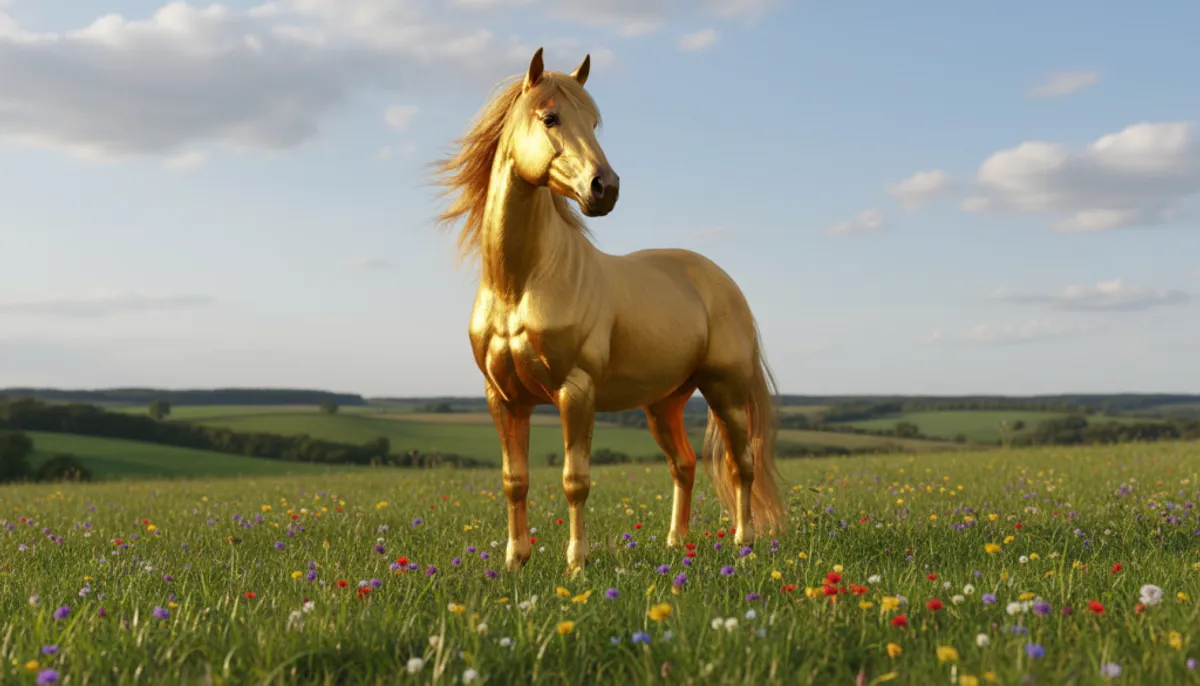
We explore how each pony becomes a trustworthy partner for beginners in riding centers. This unique relationship is fundamental for building the foundations of riding.
You will discover essential tips for progressing quickly. Respect for animal welfare and safety rules is at the heart of this approach.
Obtaining this diploma is a rewarding step. It values the efforts made during the initial years of practice and the first gallops.
Key Points to Remember
- An official guide updated by the FFE has been available since November 11, 2024.
- It aims to support young riders, especially children, in their progression.
- The pony is presented as an essential partner for learning.
- Practical advice is provided to progress safely.
- The well-being of the animal is a top priority in this training.
- Obtaining the diploma represents a significant and motivating achievement.
- This step validates the skills acquired during the initial years of practice.
Introduction to the World of the Golden Pony
From the age of three, children can start riding through a well-defined curriculum. The French Equestrian Federation has structured this pathway for young riders.
This progressive system is called the pony gallops. It is specially designed for children aged 3 to 10 years.
What is the Golden Pony?
This is the third step of the first cycle. Children validate their knowledge alongside their instructor.
This validation is an important achievement. It marks significant progress in mastering the basics.
The Objectives and Scope of the Guide
The goal is to clarify the expectations of this diploma. Each child can thus advance with serenity and much pleasure.
The advice helps to better understand the equine partner. It allows for building a harmonious relationship based on mutual respect.
The instructor guides the young riders. He accompanies them through the technical steps necessary to succeed in the exam.
| Step of Cycle 1 | Indicative Age | Main Skills Validated |
|---|---|---|
| Bronze Pony | 3-5 years | Introduction to the pony, balance on foot and at slow gaits. |
| Silver Pony | 5-7 years | Independent riding at all three gaits, basic care. |
| Golden Pony | 7-10 years | Mastery of aids, small jumps, in-depth knowledge of the animal. |
Understanding the Golden Pony: Characteristics and Particularities
To ride a pony well, one must first learn to know it, from head to hoof. This in-depth knowledge is essential for progressing safely.
Body Morphology and Main Body Parts
The program requires identifying the key body parts. This includes the forelock, nostrils, flanks, back, and hooves.
It is crucial to distinguish between the front and hind legs. This distinction allows for complete and safe grooming at the pony club.
Here is a summary table of the main parts to know:
| Body Part | Location | Role or Function |
|---|---|---|
| Forelock | Top of the head | Protects the eyes and forehead |
| Nostrils | Animal's nose | Allows for breathing and smelling |
| Flanks | Sides of the belly | Indicator of health and breathing |
| Back | Upper part of the trunk | Supports the rider and saddle |
| Hooves | Ends of the limbs | Protection and locomotion |
Behavior and Temperament
Observing the ears and specific attitudes helps anticipate reactions. Understanding the pony's mouth sheds light on its diet and interactions.
This attention to temperament strengthens mutual trust. It is fundamental for validating the theoretical skills of the level.
Essential Care for a Healthy Golden Pony
A suitable diet and rigorous maintenance ensure the shape and joy of your mount. These daily gestures are fundamental for validating the skills of the level.
They also strengthen the unique bond between the rider and their equine. Learning to care for the pony properly is a rewarding responsibility.
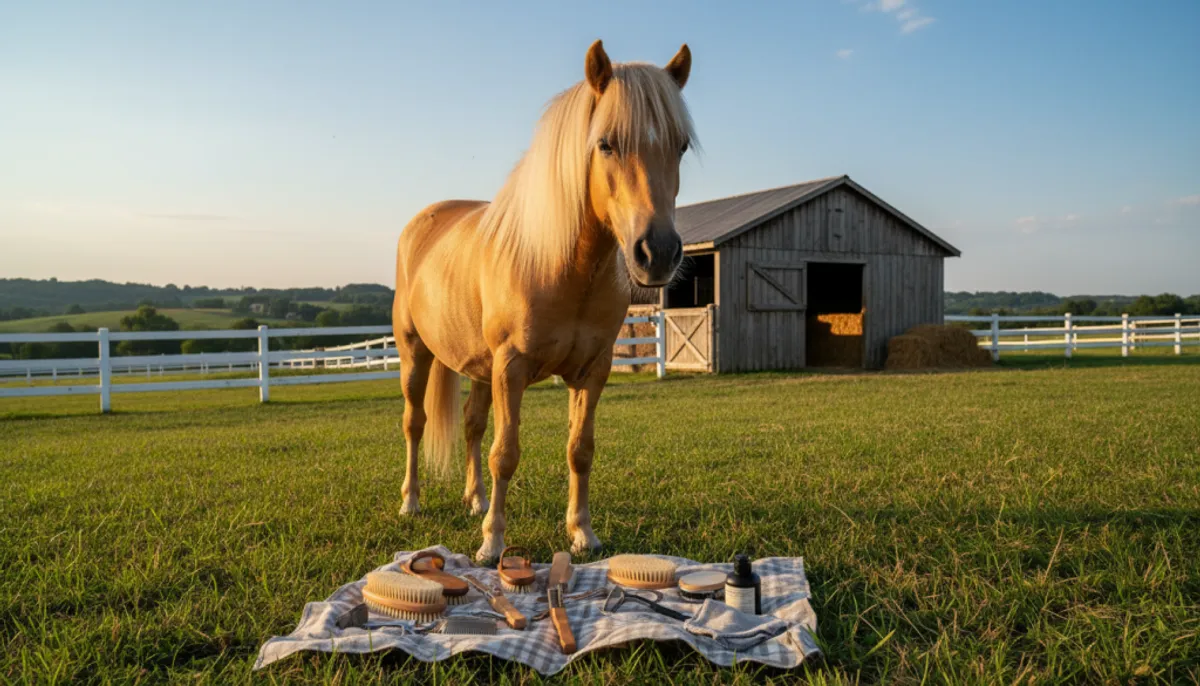
Nutrition, Straw, and Hay: Properly Feeding Your Pony
The program requires differentiating between straw and hay. The former serves as bedding, while the latter constitutes the basis of food.
It is crucial to know the rations distributed. Children understand why it is forbidden to play with them.
A balanced diet protects the animal's health. Observing the pony's mouth helps check its chewing.
Hygiene, Grooming, and Daily Maintenance
Grooming is an essential practice. It is done with a curry comb and a soft brush.
This routine cleans the coat and stimulates blood circulation. It is also a special moment to create a bond.
Daily hygiene prevents irritations and keeps the animal in good health.
Care of Equipment and Tack
After each session, it is important to know how to remove the saddle and pad. This gesture protects the back of the mount.
Properly storing the bridle in the tack room is equally important. Maintenance includes rinsing the bit.
These responsibilities teach respect for equipment. They ensure its longevity and safety for future sessions.
Equestrian Practices Suitable for Your Pony
Progressing in riding involves practical exercises that strengthen the bond with your mount. This equestrian practice is divided into groundwork and riding.
It allows for validating specific skills for the diploma.
Ground and Riding Exercises
On foot, a key exercise involves moving the hips of an attached animal. This movement strengthens communication.
Walking alongside the companion at the same rhythm is also essential. One must vary the speed in harmony with its steps.
The correct hold of the reins is evaluated. The child must hold them with both hands or in one.
Movement and Gallop Techniques
In the saddle, directing at a walk on simple curves is required. The child can also pick up and place an object.
For the gallop, the aspiring rider must trot a few strides. They must guide their pony alone precisely along a path.
These techniques ensure autonomous and safe riding.
| Type of Exercise | Main Objective | Skill Evaluated |
|---|---|---|
| Moving the hips on foot | Improve communication and lateral control | Understanding of distance aids |
| One-handed rein hold | Prepare coordination for courses | Precision and independence of hands |
| Direction on curves at a walk | Learn to guide with flexibility | Mastery of trajectory and aids |
Safety and Trust within the Pony Club
The pony club is a learning place where trust and safety go hand in hand. A positive experience in riding relies on this dual pillar.
Young riders learn to evolve in harmony with their mount. This structured environment allows for serene progress.
Safety Rules and Behaviors to Adopt
The program emphasizes clear instructions. Knowing how to approach an attached pony is a perfect illustration.
One must approach calmly and capture its attention. This gentle approach establishes an immediate trust climate.
The instructor guides the children to remain vigilant. He helps them manage their emotions near the animal.
This constant vigilance is key to preventing any incident. It allows for fully enjoying each session.
The activity of riding is a special moment. Riders then apply all the rules learned, outdoors.
Working with their own pony in the arena develops autonomy. This progressive mastery also strengthens self-confidence.
| Safety Rule | Expected Behavior | Main Benefit |
|---|---|---|
| Approaching an attached pony | Move slowly, speak softly, position oneself to the side | Avoids surprises and establishes secure contact |
| Management during rides | Stay grouped, anticipate obstacles, maintain a safe distance | Ensures the smooth running of the outdoor outing |
| Independent work in the arena | Know the limits of one's pony, respect the path, maintain control | Develops independence and responsibility of the rider |
Practical Tips for Progressing in Pony Gallops
Progressing in Pony Gallops requires a methodical approach and well-chosen tips. These recommendations help young riders advance effectively and with pleasure.
The goal is to validate each step by consolidating their knowledge and technique. Regular progress ensures a solid foundation for the next levels.
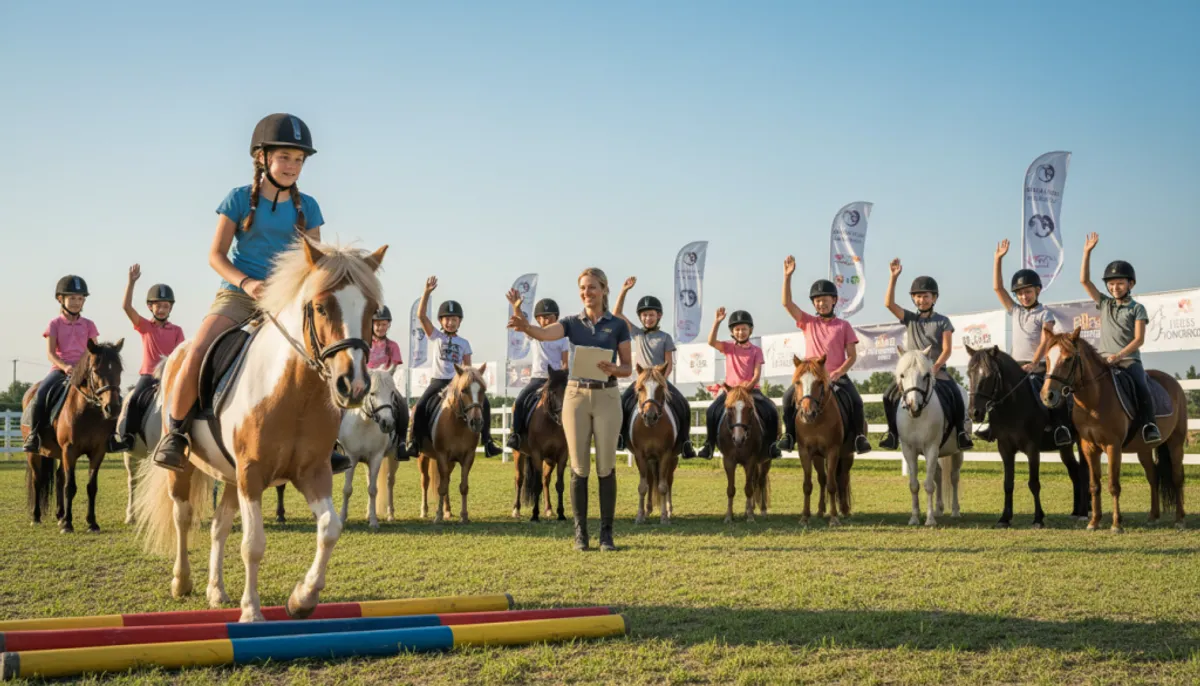
Skills Assessment and Self-Quizzes
Quizzes, like those of the Little Gallop, offer a fun way to revise. They test understanding of food, body parts, and grooming.
This self-assessment helps identify areas to work on. It boosts the confidence of children before official evaluations.
Importance of Listening, Training, and Instructor Advice
Attentive listening to the instructor is crucial. He corrects the position and teaches how to hold the reins with a light and precise hand.
Regularly practicing how to care for the pony develops ease. This repetition is key to succeeding in the gallops.
Transition to the Rider Gallop
Mastering the pony gallops facilitates the transition to the rider gallop. Reviewing side techniques, such as changing hands, is helpful.
This helps to better understand when the pony is ready for more advanced exercises. Children aged 3 to 10 years progress at their own pace.
Regulations and Training for the Golden Pony
Progression in the pony gallops is governed by an official regulation that specifies the six distinct steps. Since March 1, 2019, this federal framework ensures a smooth and secure learning experience for children.
It precisely defines the knowledge and practice required at each level. The goal is to prepare a smooth transition to the rider gallops.
The Essential Steps of the Pony Gallops Programs
This pathway includes six successive diplomas. Each validation for the level Pony requires mastery of twenty specific skills.
The instructor evaluates these abilities during a dedicated session. For example, he checks the ability to care for the pony independently.
The hold of the reins with a stable hand is scrutinized. The instructor also observes the direction on simple curves.
Knowing when one's equine is ready, or when the pony responds well to aids, is part of the learning process. Mastery of the bridle is a key skill.
This rigorous program includes control of the hips and a good understanding of the body of the mount. It effectively prepares for future rider gallops.
This national structure ensures that each young rider has a solid foundation. They can thus evolve with confidence and pleasure.
How to Care for the Pony: Tips and Best Practices
The care gestures and handling of equipment are key skills for every young rider. Properly caring for the pony daily strengthens confidence and effectively prepares for the gallops.
Tips for Handling Reins and Equipment
Handling the reins with a light and supple hand is essential. A grip that is too tight can hinder the animal's mouth.
Checking the fit of the bridle before each session is crucial. The instructor shows how to adjust it correctly for the comfort of each side.
Observing when the pony responds well to aids on curves is part of the learning process. The instructor guides this sensitivity.
Daily Care and Injury Prevention
Grooming allows for examining the body of the mount, from hips to hooves. This routine detects minor injuries and strengthens the bond.
Keeping its back straight at a walk and following the natural rhythm improves stability. Adopting the right rhythm is a valuable tip.
These practices develop knowledge and help validate each level. Prevention is key to a serene riding experience for all gallops.
Conclusion
This federal diploma crowns the efforts and commitment of the child towards their equine partner. Achieving the Golden Pony is a significant milestone for young riders.
It validates solid technical skills. Above all, it seals a lasting trust relationship with the mount.
The advice in this guide helps each student progress with confidence. They prepare for the higher levels of federal gallops.
Regular practice and listening to the instructor remain essential. They are the pillars of a successful journey at the pony club.
We hope this information fully supports your equestrian adventure. May you achieve all your goals with success and pleasure.
FAQ
What exactly is the Golden Pony program?
The Golden Pony is a diploma recognized by the French Equestrian Federation. It validates the knowledge and practical level of young riders in care, handling, and equestrian practice on ponies. It is a key step before moving on to the Rider Gallops.
How to properly prepare my pony before a riding session?
Start with a good grooming to check its body. Check the cleanliness of the pony's mouth and adjust the bridle and saddle correctly. Ensure the animal is well tied with a suitable hold and that its front legs are clean. Careful preparation ensures its safety and comfort.
What are the most important safety rules at the pony club?
Safety relies on listening to the instructor and on precise gestures. One must always approach the animal from the side, speak softly, and hold the reins correctly. In the arena, it is crucial to maintain distances and signal movements to other riders to avoid any accidents.
What should be known about feeding and daily hygiene?
Good feeding relies on quality hay and clean straw. Daily maintenance includes grooming, cleaning hooves, and inspecting body parts like the hips and back. Cleaning equipment after each use is also essential for its longevity.
How to progress effectively in the Pony Gallops?
Progress requires consistency. Actively participate in all exercises, both on foot and in the saddle. Listen to the instructor's advice and work on your position and rhythm at all three gaits. Self-assessment through quizzes helps consolidate your knowledge before the exam.
How to hold the reins and guide your pony properly?
Hold the reins firmly but without tension, one in each hand. Your hands should be positioned above the withers and follow the movement of the pony's head. To turn, slightly move the hand toward the desired side while accompanying with your gaze. A good rein hold is fundamental for clear communication.