
Welcome to this guide for equine enthusiasts in France. We combine theory and practice to understand horse colors. The goal is to learn how to observe and name a foal's coat easily.
The guide is inspired by the book “Genetics of Equine Coats: Colors and Transmission” by Caroline Sauvegrain and Margot Sabbagh, from IFCE. It explains how horse colors are transmitted and the risks associated with certain coats. This makes the science easy to use for all riders.
We first explain what phenotype is and how coats are transmitted. We then teach how to identify coats through real examples. A focus is made on piebald coats — tobiano, overo, tovero — their aesthetics, and their importance in equestrian culture.
In practice, we discuss the right equipment for each type of horse coat. The French Saddle offers quality gear, made in France. They combine comfort and style to meet the specific needs of each horse, according to its coat.
Key Points
- A coat guide designed for identifying coats and daily practice in stables.
- Clear scientific foundations linking horse colors, phenotype, and transmission.
- A step-by-step approach to observe, name, and anticipate a foal's coat.
- A focus on piebald coats: tobiano, overo, tovero and their visual characteristics.
- Concrete references for riding, from caring for pink-skinned areas to choosing equipment.
- Recognized references (IFCE) and applicable advice for all equine enthusiasts.
Understanding the Basics of Coats: Phenotype, Genotype, and Transmission
To understand horse coats well, we start with simple facts. Genetics helps us know what we see and what happens across generations. This knowledge allows breeders to better prepare for the future of their horses.
Useful Reference: an IFCE guide by François Sauvegrain and Céline Sabbagh (2020) explains these concepts well. It uses clear examples and diagrams to show the differences between what we see and the genes.
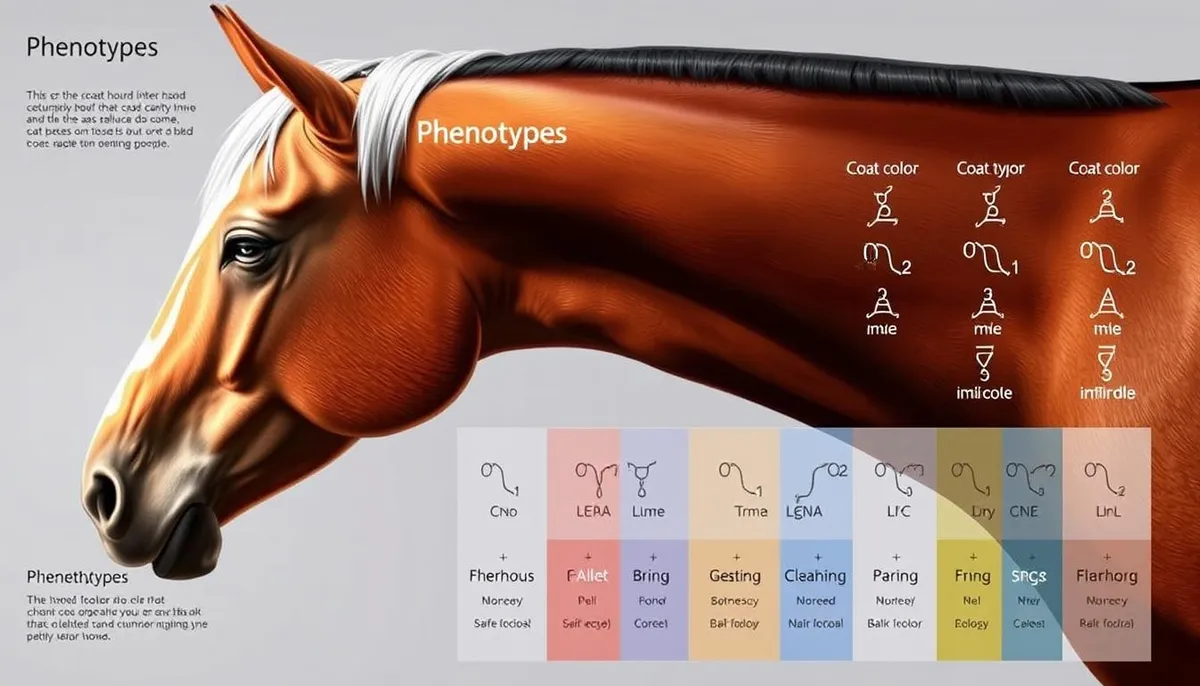
Phenotype vs Genotype: Identifying What We See and What is Transmitted
The phenotype is the horse's appearance: its color, its markings. The genotype reveals the responsible genes and how they pass from one generation to the next.
On the ground, we use photos and color charts for this analysis. And we compare with the genotype if a genetic test has been done. This helps to be precise and to speak the same language among professionals.
Basic Coats and Characteristics: From Bay and Chestnut to Dilutions
Bay and chestnut colors are the most common. But there are genes that dilute them, such as cream, dun, or champagne. These genes change the appearance without altering the horse's structure.
Understanding these genes helps to anticipate care and equipment for the horse.
Crossing Probabilities: Anticipating a Foal's Coat
Genetic laws give us percentages on foal colors. By knowing the genes of the parents, we can guess the possible colors of baby horses.
This helps breeders to plan and organize care from the horse's first year.
| Genetic Basis | Expected Phenotype | Example of Crossings | Indicative Probability | Practical Point in Stable |
|---|---|---|---|---|
| EE/AA (bay) × ee/aa (chestnut) | Majority bay | Homozygous bay × chestnut | ~100% bay if E and A are fixed | Look for black reflections on limbs to confirm phenotype |
| Ee/AA (bay carrying chestnut) × ee/aa | Bay or chestnut | Carrier × chestnut | ~50% bay / ~50% chestnut | Plan for light blankets for chestnuts in summer |
| ee/aa + Crcr (chestnut cream) | Palomino | Chestnut × simple cream | ~50% palomino if one parent is Crcr | Increased UV protection on light skin |
| EE/Aa + Dd (bay dun) | Bay dun (stripes, zebra markings) | Bay × carrying dun | ~50% dun if one parent is Dd | Check for mule stripe for phenotype reading |
Pathologies Associated with Certain Coats: Vigilance for Breeders
Some coats can increase the risk of skin problems. Knowing how to read the phenotype and the genotype helps choose the right care for each horse.
Breeders note the color on the horse's documents and monitor the genes in the herd. They also adjust the environment in stables to properly protect the horses.
Overview of Main Coats and Patterns Observed in Equestrianism
This overview of coats uses “The Coats of the Horse” as a reference. We examine the coat in specific areas: body, head, limbs, and mane. The method allows us to identify the base color, dilutions, markings, and patterns. It is very useful in equestrianism, from training to competitions.
Bay and chestnut are the most common base colors. Their shade varies from light to dark brown. The variations depend on pigments and the distribution of black hairs. Patterns like piebalds, with their white and colored areas, will be examined separately.
Knowing the name of the coat helps with competition registrations and managing records in clubs. Whether in horse dressage or show jumping, a precise description is essential. This avoids confusion during identity checks and discussions between instructors and riders.
This guide links field observation and genetic knowledge. First, observe the general color, then the extremities, and the mane to identify correctly. This method helps make comparisons between horse breeds, according to common coats.
The approach uses precise terms to differentiate base color, pattern, dilution, and white markings. Thanks to this nomenclature of coats, we clearly describe horses, whether for leisure, breeding, or competition in equestrianism.
Focus on the Piebald Coat: Tobiano, Overo, and Tovero
The piebald coat is distinguished by sharp contrasts. It expresses itself through white patches and colored areas that intertwine. This unique pattern is found in all activities, from the arena to horseback rides. It inspires breeders and equestrian art enthusiasts.
What is a Piebald Coat: A Pattern, Not a Color
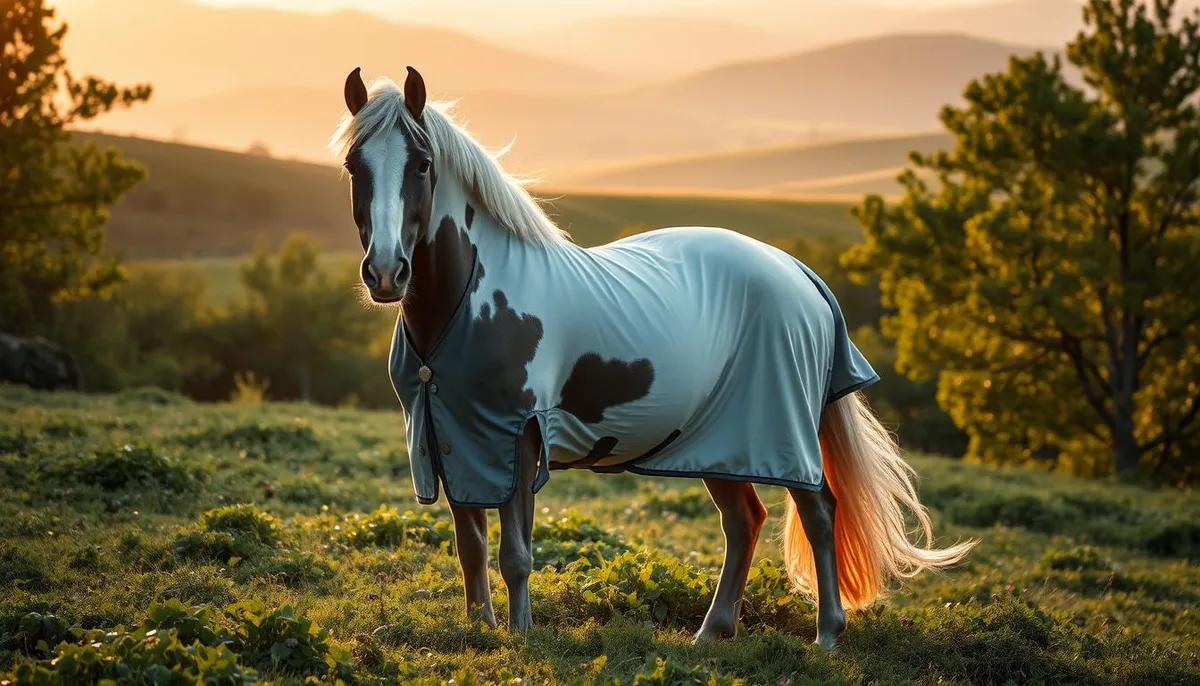
The piebald coat is not just a color, but a special pattern, on a coat of any shade. The genes define where the white ends and where the color begins. This helps us easily identify a horse.
Visual Differences: Patches Crossing the Back, Head Marks, Socks
The tobiano has patches that cross the back and limbs that are often white. Its head retains more color, sometimes with just a stripe.
The overo has patches that do not reach the back. Its head has rather large white markings, and it may have socks.
The tovero is a mix of the two previous types. Its back is sometimes marked, and it has distinctive markings on the head. Learning to distinguish them takes time.
Skin, Mane, and Eyes: Specifics (Pink Skin Under White, Possible Blue Eyes)
The skin under the white areas is pink and sensitive to the sun. Under the colored areas, it is dark. The hairs can vary in color. Some horses have blue eyes, which is quite captivating. It is important to protect these sensitive areas well.
Origins and Cultures: From the Old Continent to Paint Horses and Pinto
In Europe, ancient illustrations already show spotted horses. Breeding has spread these patterns to America. The Paint Horse combines physical and aesthetic qualities. The term Pinto refers to the pattern in different breeds.
Uses and Visibility: Parade, Show, Horseback Riding, and Sport
In parades or shows, these coats are very visible. They are prized in cattle herding, reining, and for rides. Their colors help to spot them easily, while being practical for sports, with the appropriate equipment.
| Pattern | Key Indicators | Head and Limbs | Skin and Eyes | Examples of Visibility |
|---|---|---|---|---|
| tobiano | White crossing the back, rather sharp contours | Head often colored, limbs frequently white | Pink skin under white; possible blue eyes | Western show, parade, disciplines with Paint Horse |
| overo | White not crossing the back, irregular distribution | Marked facial markings; variable socks | Strong contrast pink skin/dark skin; possible blue eyes | Show, guided trail ride, presentation ride |
| tovero | Mixed traits of tobiano and overo | Very marked head, back sometimes crossed | UV sensitivity under white areas | Mixed competitions, Pinto in exhibition, horseback riding |
| Equipment | Targeted protection | Masks and bonnets according to sunlight | Sun creams for pink areas, light neck cover | Suitable in arena, outdoors, show, and daily work |
Horse Coat: Practical Identification, Horse Breeds, and Equipment
To equip properly and care for your horse, knowing its coat is crucial. Whether we talk about a racehorse or club ponies, correctly identifying their coat helps better organize life in the stable. It also improves communication between riders, trainers, and veterinarians.
Identification Method: Color Shades, Marks, and Nomenclature
The method “The Coats of the Horse” advises examining the body, head, legs, and hair separately. Look at the main color, variations, and patterns. Then, note the specific signs like stripes or socks.
You should describe a horse from head to feet, from front to back. Following this method helps keep an accurate record of the horse in the stable documents. This reduces errors during sales or competitions.
Horse Breeds and Coat Occurrences: From Racehorses to Ponies
Different coats can be found in many breeds, from Thoroughbreds to Selle Français and Lusitanians. Ponies like the Connemara also display these colors. Paint Horses and Pintos show colorful patterns.
A unified nomenclature helps describe horses, regardless of their activity. It facilitates tracking horse families, managing identification documents, and discussions between breeders and riders.
Equestrian Equipment and Tack: Adapting Harness to Marks and Care
It is important to adjust equipment like the bridle or saddle to avoid hurting the horse. Use soft materials and gear that do not rub, especially on sensitive skins.
For saddlery, choose equipment that protects from the sun, insects, and is lightweight in summer. The French Saddle offers quality items that adapt to each horse and its activity.
Horse Care According to Coat: Sun/UV Management for Pink-Skinned Areas
Horses with white markings need sun protection. Apply special sunscreen for horses, reapply regularly, and check the skin.
Wash light hairs with gentle shampoos and rinse well. Keep photos of the markings for the veterinarian. Follow IFCE's advice to properly care for each coat.
Conclusion
This conclusion on horse coats highlights an important point: how phenotype and genotype work together. According to IFCE and the book by Rémi Sauvegrain and Géraldine Sabbagh (2020), understanding coat genetics is crucial. This helps to accurately name coats, anticipate those of foals, and avoid certain risks.
The method The Coats of the Horse provides a precise nomenclature, very useful in daily practice. Whether in stables or equestrianism, it is practical.
The focus on piebald coats shows attention to detail. Knowing how to distinguish tobiano, overo, and tovero is essential. It is also important to notice the pink skin under the white, the two-colored mane, and sometimes the blue eyes. These details help with care and equestrian equipment.
The legacy of Paint Horses and Pintos shows why they are so appreciated. Their beauty is showcased in shows and dressage. It is also important to consider their protection against UV and proper maintenance.
In the field, be proactive: take photos and document each horse. Combine scientific and practical information. Then choose quality and suitable equipment. The French Saddle offers luxury items made in France. They are perfect for adjusting equipment according to the coat and use — whether for riding, sport, or dressage.
This precision enhances both comfort and performance.
To improve, continue reading and informing yourself with illustrated works and the latest information from IFCE. Always observe horse coats, enhance your vocabulary, and keep your records up to date. This will integrate coat genetics into your daily practice. All of this benefits equestrianism, equestrian equipment, and the well-being of each horse.
FAQ
What is meant by “horse coat” and why is it useful in equestrianism and stables?
“Horse coat” refers to the color and patterns of the horse's fur. It is important for identifying horses, managing stable documents. It also helps in communication regarding training and competitions.
What is the difference between phenotype and genotype according to IFCE (Sauvegrain & Sabbagh, 2020)?
The phenotype concerns observable aspects like color and patterns. The genotype encompasses the inherited genetic information. IFCE clarifies the difference between what we see and heritability. This avoids identification errors in breeding.
What are the most common basic coats in horses?
Bay and chestnut coats are very common. There are also special coats like isabella and palomino. These colors come from specific genes and vary across different parts of the horse.
How to anticipate a foal's coat based on the parents?
We rely on the parents' genotypes and genetic laws. IFCE provides tools to estimate the possible coats of foals, but with caution. Genetics offers probabilities, not certainties.
Are there health risks associated with certain coats or patterns?
Yes, some genes can cause health problems. By knowing these risks, breeders and caretakers can be more vigilant. IFCE lists these cases to integrate health into selection choices.
How to reliably identify a coat in the stable?
Start by observing different parts: body, head, limbs, and mane. Record the main color and distinctive markings. Take photos for stable documents. This standardizes the description of horses for everyone.
Is the piebald coat a color or a pattern?
It is a specific pattern. Piebald horses have large white patches on a base color. They can be classified as tobiano, overo, or tovero depending on the distribution of the patches.
How to differentiate tobiano, overo, and tovero on a piebald horse?
Tobiano is characterized by white patches that may cross the back. Overo features white that does not cross the back, with an irregular distribution. Tovero combines elements of the other two patterns. The skin under the white is pink.
Are blue eyes and pink skin normal in piebalds?
Yes, it is common. The pink skin under the white coat is more sensitive to the sun. Blue eyes are possible in these horses. Protect their skin in summer and watch for signs of irritation.
What are the cultural origins of pie patterns (tobiano, overo, tovero)?
These patterns are very ancient, already observed in rock art. They have been popularized by breeding in Europe and the United States. The American Paint Horse is recognized for its performance and piebald coat. “Pinto” describes this pattern in different breeds.
Where are piebald horses most commonly seen today?
Piebald horses shine in parades, shows, and sports. Their unique coats make them easy to identify and appreciated by the public.
Do horse breeds influence the frequency of coats?
Indeed. Some breeds favor specific colors or patterns. However, basic coats are found in many breeds. A unified nomenclature helps describe horses across all disciplines.
How to adapt equestrian equipment to the coat and skin of the horse?
Select UV-protective gear for pink skins and sunscreen to protect the nostrils. Ensure that equipment like saddles does not rub sensitive areas. This helps avoid irritations and burns.
Where to find premium equipment suitable for different coats?
The French Saddle offers high-level equipment, made in France. They provide custom or limited edition products. This allows adapting equestrian gear according to the coat for each use.
What mane care is recommended for two-colored or light manes?
Choose a gentle shampoo and rinse well. Avoid the sun during hot hours. Use a detangling spray to keep the mane healthy, especially if it is white.
How does knowledge of coats help in horse dressage and competition?
Knowing the coats helps register for events, communicate effectively, and plan training. It allows choosing equipment suited to the specific needs of each horse.
Can we directly link observed color and carried genes?
It is not direct. Several genotypes can create the same look. IFCE provides tools to associate observations with genetic data. This helps accurately predict coats in foals.
What precautions should be taken in the sun for a horse with pink skin?
Use a UV mask and a neck cover. Apply sunscreen to depigmented areas. Avoid the sun when it is strong and inspect the skin daily for any irritation.
How to properly document a horse's coat in the stable?
Create a detailed record with color, markings, and photos. Update it after shedding. This information is useful for the care and medical follow-up of the horse.
Is knowledge of coats useful in horseback riding?
Absolutely. It helps choose equipment, maintain the mane, and monitor sensitive areas during rides. This increases comfort and safety for the horse and rider.