
The concept of horseman goes far beyond the simple practice of riding. It is a true art of living that requires a deep understanding of the horse. In his work The Fall from the Horse, Jérôme Garcin describes this man as an attentive observer of his mount's needs.
To progress in this demanding sport, it is essential to return to the basics of the relationship between the rider and the animal. Competition should not overshadow the profound meaning of this discipline. Every lesson learned with the horse requires time and patience.
Our website offers resources for those who wish to explore the benefits of riding and welfare in this ever-evolving equestrian environment. We aim to guide each rider towards better communication, placing body language at the heart of learning.
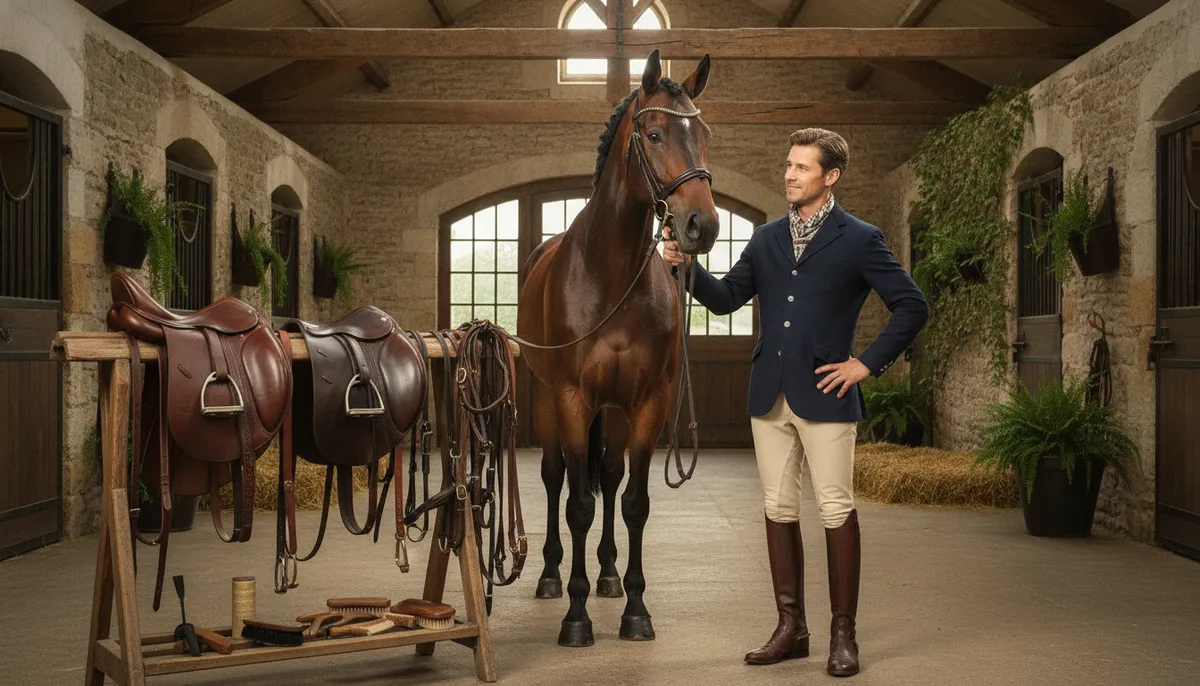
We are committed to making welfare a priority, thus transforming our way of interacting with each horse on a daily basis.
Key Points
- Fine understanding of the horse beyond riding.
- Observation of the mount's needs.
- Returning to basics to progress.
- Importance of time and patience in learning.
- Available resources for equine welfare.
The Excellence of High-End French Saddlery
French saddlery stands out for its excellence and craftsmanship. French artisans create unique products, blending tradition and innovation. Each piece is crafted with care, ensuring unmatched quality.
Accessible via our website, La Sellerie Française offers custom equipment. These products are designed for the welfare and respect of the horse, meeting the specific needs of each rider.
It is crucial to choose suitable equipment, especially in competition. Every detail influences how the horse works. Thus, we highlight the craftsmanship of artisans who have perfected their art for generations.
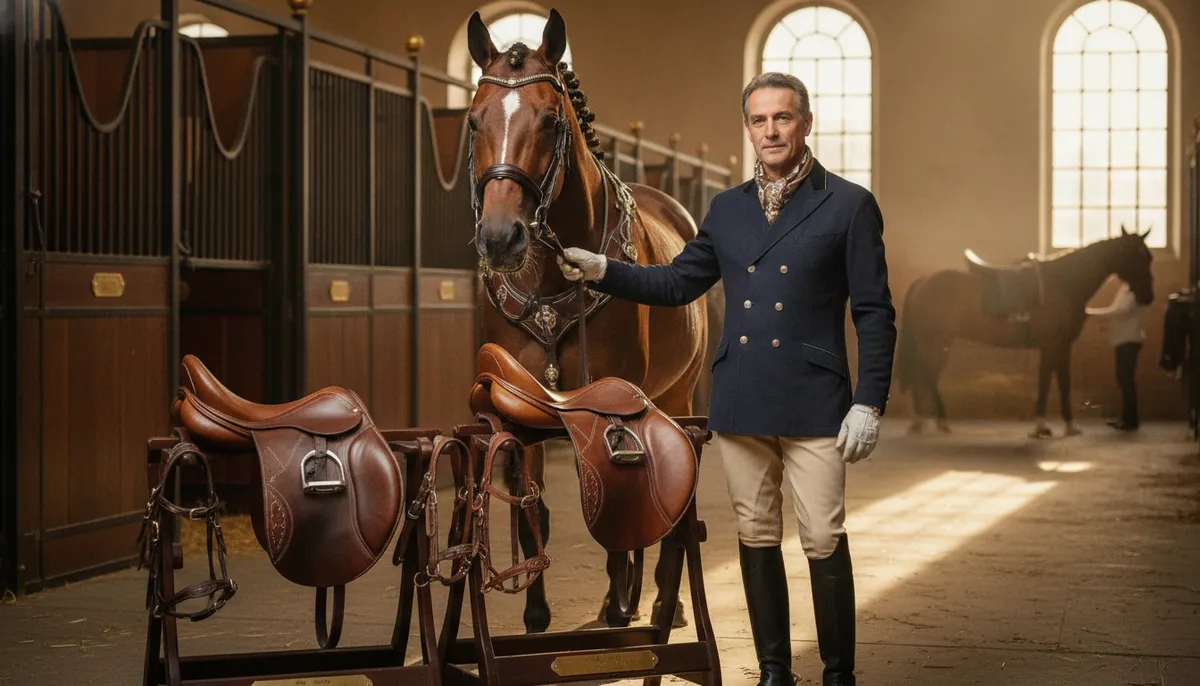
- Products made from A to Z in France.
- Custom equipment for each rider.
- Importance of suitable equipment for competition.
- Respect for the animal at the heart of our approach.
- In-depth knowledge of saddlery for optimal welfare.
Horseman: An Authentic and Timeless Connection
The bond between man and horse transcends mere sport. In 1900, Jules Pellier, a riding master, laid the foundations of what it means to be a horseman in his work The Equestrian Language. This connection is based on a profound nature, where respect and mutual understanding are essential.
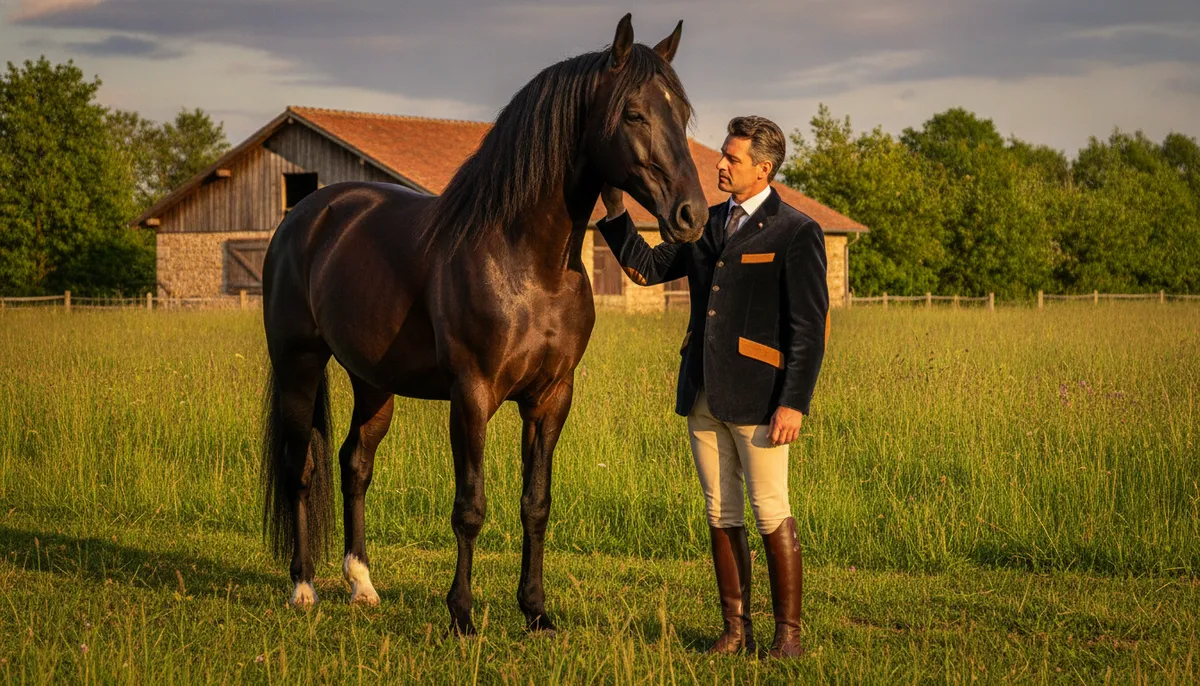
Jérôme Garcin, in The Fall from the Horse, describes the man as an observer. He can read the facial expressions and subtle language of his mount. This sensitivity is the foundation of this art of living, allowing the rider to perceive the unexpressed needs of each horse.
It is fascinating to see how this relationship has evolved. It retains its essence based on welfare and active listening. The animal's expressions, such as its posture or ears, are key elements to decode.
| Elements | Importance | Examples |
|---|---|---|
| Respect | Fundamental for a healthy relationship | Calm interaction with the horse |
| Understanding | Allows responding to the mount's needs | Observation of the horse's signals |
| Body Language | Essential for communication | Postures and movements |
The Fundamentals of the Relationship and Equine Welfare
The foundations of respectful riding are rooted in mutual understanding between man and animal. It starts with knowing how to decode the body language of horses. Each posture and movement can reveal their needs and emotions.
Understanding Equine Body Language
The facial expressions and gestures of a horse are key indicators of its state. For example, ears pinned back may signal discomfort. By learning to read these signs, the rider can better respond to the needs of their mount.
Trust and Active Listening for Safe Riding
Establishing a relationship of trust is paramount. Instructor Éric Louradour emphasizes that safety in riding depends on a good seat and a real understanding of each horse's needs. Actively listening to your animal strengthens this connection.
Establishing a Routine and Respecting the Mount's Needs
It is essential to create a routine that respects the welfare of each horse. In Switzerland, for example, it is prohibited to leave a horse alone in the pasture, highlighting the importance of their social nature. Each rider must approach welfare seriously, avoiding competition becoming a source of stress.
Conclusion
Riding is much more than just a sport; it is a path to a deep connection. Cultivating an authentic relationship with your horse requires a constant commitment to animal welfare and active listening to its needs.
By choosing quality equipment, such as those offered on our site, each rider can enhance their comfort and that of their mount. Understanding facial expressions and body language is essential for progress.
Whether the horse lives in the pasture or in stables, respecting its nature is crucial for its happiness. Riding is a journey that demands patience and rigor, where the welfare of the animal takes precedence over personal ambitions.
We hope this guide will help you strengthen your unique bond with your horses, thus fostering lasting harmony in all your interactions.
FAQ
What are the benefits of riding for the rider?
Riding offers numerous benefits, including improved physical condition, development of self-confidence, and stress reduction. It is also an excellent way to connect with nature and build bonds with the animal.
How to establish good communication with my mount?
To communicate effectively with your mount, it is essential to understand its body language and facial expressions. Active listening and observation are key to establishing a trusting relationship.
What are the basics of safe riding?
Safe riding relies on knowledge of the animal's needs, respect for its personal space, and the establishment of a routine. Safety must always be a priority when interacting with your mount.
Why is it important to respect the animal's needs?
Respecting the animal's needs contributes to its welfare and health. It fosters a harmonious relationship between the rider and the mount, thus allowing for a more enjoyable and enriching riding experience.
What exercises can help strengthen the connection with my mount?
Trust exercises, such as groundwork and collaborative games, can strengthen the connection with your mount. These activities promote better mutual understanding and reinforce the bond between you two.