In the world of horseback riding, a special language is spoken. This has existed for a long time, showcasing the history of equestrian art. These words, clear to horse lovers like classical dressage, high school, and high-level equestrian competitions, carry within them a rich tradition. They symbolize a universe of ancient equestrian techniques and traditional riding.
Do you say “making wood for winter” or “getting in the saddle”? This shows how rider and horse communicate. It is a language that has formed through equestrian art and equestrian Olympic disciplines. Let’s explore the origin and meaning of these words. They are the key to understanding the culture of elite riders.
Key Points:
- Discovery of the coded language of riders, reflecting the rich equestrian tradition
- Exploration of iconic equestrian expressions and their meanings
- Importance of communication between the rider and their mount in the world of horseback riding
- Dive into the culture and equestrian techniques of French riding
- Overview of Olympic disciplines and high-level equestrian competitions
The Coded Language of Riders Deciphered
Riders often use strange terms for the uninitiated. For example, “making wood for winter” means breaking the wooden bars. And “you have your butt in the wheelbarrow” describes a poor position on the horse. These phrases show how unique and complex the vocabulary of riders is for novices.
Unique Expressions That Cause Confusion
There are even more surprising equestrian expressions. Saying “he put the cabin on the dog” is a way to talk about a fall over an obstacle. While “put the ganache inside” emphasizes the importance of work. These special words help enthusiasts understand each other quickly and well.
“Making Wood for Winter” and Other Deciphered Equestrian Expressions
Expressions from the horse world may seem funny or useless to some. But for riders, they are a true means of communication. Let’s explore the meaning of some of these expressions, often incomprehensible to others.
| Equestrian Expression | Meaning |
|---|---|
| “Making wood for winter” | Breaking all the wooden bars of a course |
| “You have your butt in the wheelbarrow” | Reference to an unstable saddle position |
| “He put the cabin on the dog” | A pair fell over an obstacle |
| “Put the ganache inside” | Remind the importance of maintaining the bend while working your horse |
For those who are unfamiliar, these expressions seem mysterious. But for riders, it’s a way to understand each other quickly. It shows how rich and distinct their language is.
Non-Verbal Communication at the Heart of Horseback Riding
Beyond words, visual communication is key for riders and horses. Riders can understand how their horse feels by observing its signals. This includes how the ears are positioned, their gaze, and even the tail movement.
Reading the Horse’s Body Signals
Horses speak to us without words. If they have their ears back, it may show fear. But if the ears point forward, they are paying attention. A focused gaze and wide nostrils may signal anxiety. A comfortable horse, on the other hand, slightly closes its eyes and has relaxed nostrils.
Transmitting Signals of Trust to the Horse
Riders can also communicate without saying a word. They can show their horse that they are calm, confident, and in control. For this, a relaxed and attentive attitude is essential. This helps to soothe the horse and strengthen their bond.
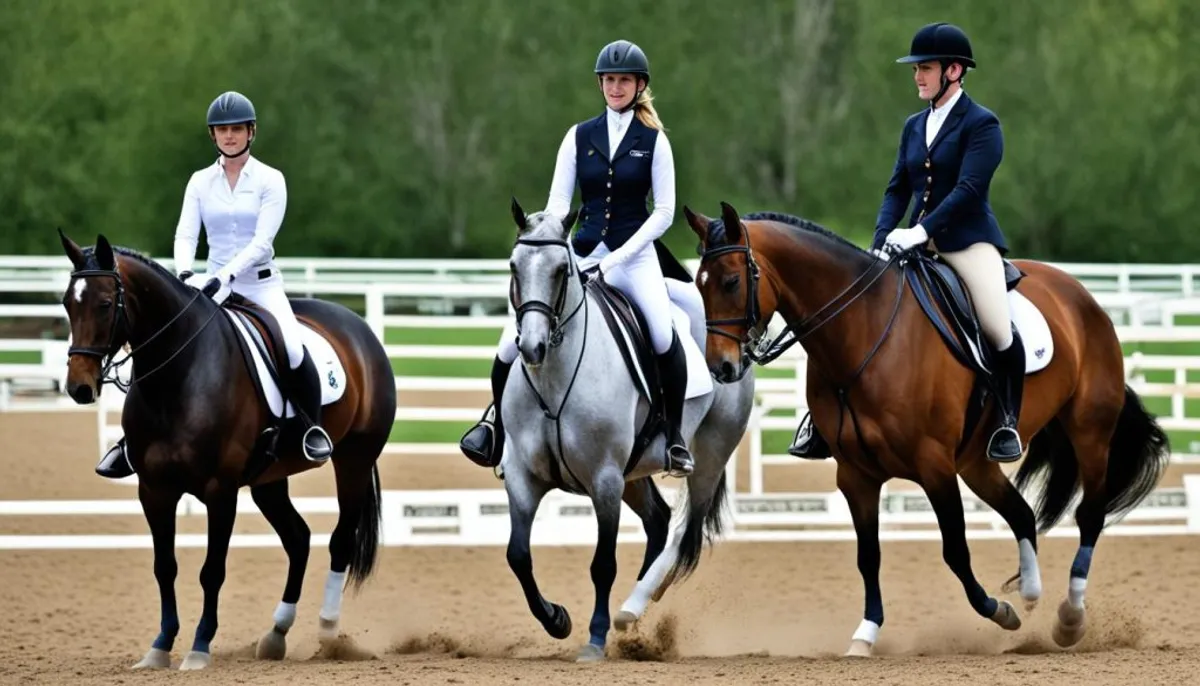
A straight yet relaxed rider, with a peaceful gaze, shows confidence to their mount. But being tense or stiff would rather frighten the animal, hindering communication.
Ethology, the Key to Understanding the Language of Horses
Ethology is the study of animal behavior. It helps us understand the language of horses. Ethologists have observed how horses behave in groups or when free.
They have identified the signs that horses use to communicate with each other. Knowing how horses communicate is important for talking to your horse.
Observing the Horse’s Natural Behaviors
Equine ethology examines horse behavior. It helps create riding methods that respect horses. By following the needs and emotions of horses, riders can improve their relationship with them.
The Importance of Equine Ethology
- Better understanding of the subtle language of horses
- Identifying the signals used by horses to communicate
- Developing riding methods that respect the horse's nature
- Creating a harmonious and fulfilling relationship with one’s horse
Equine ethology is crucial for better communication with horses. It teaches us to observe and analyze their behavior. Thus, we can enhance our understanding of the language of horses and become better partners for them.
The Expression “Equestrian Expression” Highlighted
The equestrian world has a rich and unique language. That’s why we talk about “equestrian expression.” It shows how essential communication, not to mention gestures, is in horseback riding. It also shows that communication between human and horse is complex.
The vocabulary of riders goes beyond words. It incorporates gestures, postures, and important signals. Learning these elements allows a rider to form a strong relationship with their horse.
“Equestrian expression” emphasizes the importance of understanding this universe. It is crucial for a rider to learn this language of riders. By doing so, they communicate better with their horse and ensure everyone's safety.
This expression also highlights the impressive culture of horseback riding. The rich equestrian vocabulary speaks of the history and tradition of the sport. It creates a separate world in language.
In conclusion, the expression “equestrian expression” shows how important it is to communicate well with one’s horse. Understanding and using this language allows for building a relationship of trust and harmony.
The Essential Role of the Rider in Communication
In horseback riding, the rider is key to communicating with their horse. How they hold themselves and act has a significant influence. The horse must be able to understand them and respond well to their cues.
Adopting the Right Posture for Effective Communication
The rider must be calm and confident so that the horse feels secure. This is the foundation for establishing a trusting relationship with the horse.
There are simple things to do for effective communication with one’s horse:
- Keep a straight back and relaxed shoulders
- Look straight ahead calmly
- Breathe regularly and peacefully
- Avoid sudden movements
- Be attentive to the horse’s signs and respond gently
If the rider follows these tips, the horse will feel safe. This strengthens a positive relationship for both.
| Rider Posture | Impact on Communication with the Horse |
|---|---|
| Straight back, relaxed shoulders | Conveys a sense of serenity and control |
| Forward-looking gaze, serene expression | Reassures the horse and encourages its trust |
| Calm and regular breathing | Soothes the horse and facilitates synchronization |
| Absence of sudden movements | Avoids stressing or frightening the horse |
| Attentive listening to the horse’s signals | Allows for appropriate and caring responses |
The Benefits of Intuitive Communication with the Horse
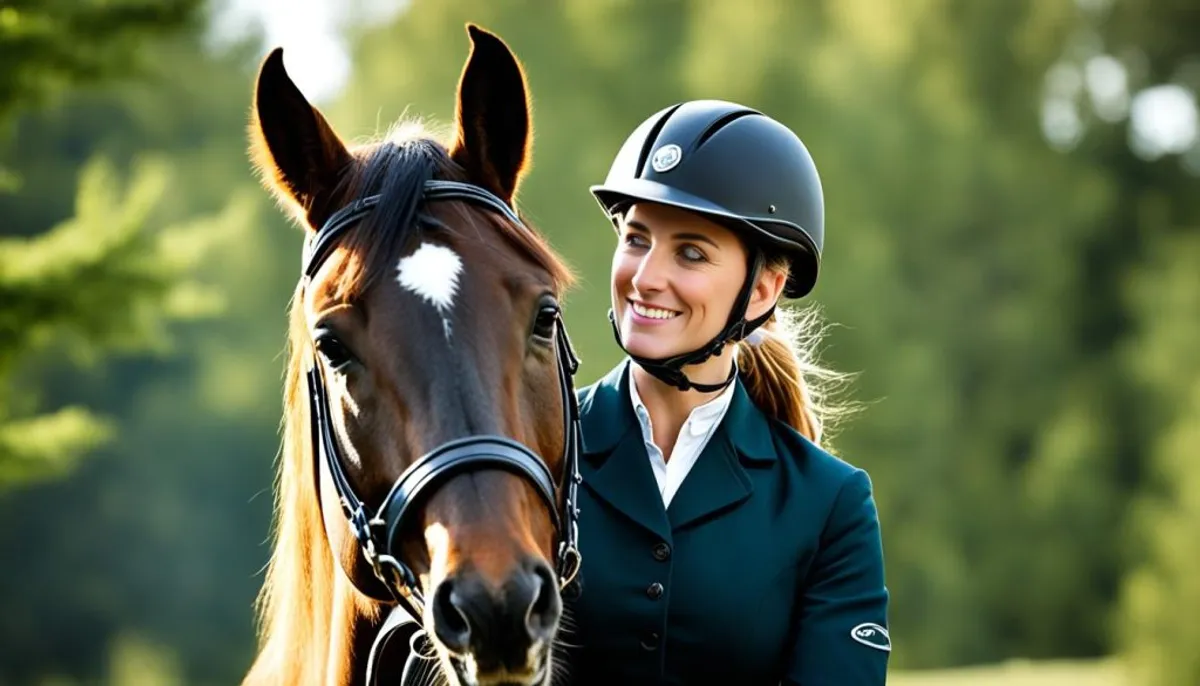
According to veterinarian and ethologist Anna Evans, communicating intuitively with the horse leads to a calm and fulfilling relationship. She emphasizes the importance of observing the horse's behaviors and sending signals of trust. This approach aims to create better understanding and cooperation between human and animal.
Anna Evans’ Method for a Relaxed Relationship
Based on the principles of ethology, Anna Evans’ approach enhances riding and the well-being of horses. Her method focuses on:
- Observing the horse's natural behaviors to understand its non-verbal language.
- Transmitting signals of trust for a pleasant relationship.
- Cooperation between human and animal rather than domination.
With this method, the rider creates a special connection with their horse. This leads to a calm and beneficial riding experience for both partners.
| Benefits of Anna Evans’ Method | Observed Results |
|---|---|
| Mutual understanding between human and horse | Better cooperation and trust |
| Well-being and fulfillment of horses | More serene and enjoyable riding |
| Enriched practice of horseback riding | Development of a relaxed relationship |
By following this ethological approach, riders improve their relationship with the horse. This makes everyone happier.
Conclusion
The language of riders is full of figurative expressions. These words show how complex it is to communicate in horseback riding. But it’s not just about talking. It’s essential to understand the horse's body language. And it is crucial to act with kindness to be a true leader. This is what creates a harmonious relationship with the horse.
Advances in ethology and intuitive communication help riders become more connected to their horse. This approach deepens the experience with the horse. Both the horse and the rider find a unique bond. They move forward together with respect and trust.
Thus, the language of riders goes far beyond simple expressions. It shows that a true and fulfilling relationship with the horse is possible. This relationship is made beautiful by communication that is both subtle and strong.
FAQ
What do these particular equestrian expressions mean?
Riders use a special vocabulary that may surprise those unfamiliar with horses. These unique words are part of their world and help them understand each other well. For example, saying “making wood for winter” has nothing to do with winter! Yet, it has a hidden meaning for the initiated.
How do riders communicate with their horse?
Speech is not the only way for a rider to communicate. Gestures and body language play an important role. The rider must know how to read the signs their horse shows, such as its ears or tail. This way, they can understand how their horse feels. And by responding with their own body, they can also speak to it.
Why is ethology important for understanding the language of horses?
Ethology helps to unravel the mystery of the language of horses. By studying how they behave in the wild, we discover how they communicate. This offers keys to better dialogue with one’s horse.
What role does the rider play in communication with their horse?
The rider is a key player in the relationship with their horse. Their posture and calmness are crucial. They send messages of trust and safety to the animal. This is how they create a strong relationship with it.
What are the benefits of intuitive communication with the horse?
Intuitive communication, according to Anna Evans, strengthens the bond between human and horse. By observing and sending the right signals, one can establish a relationship of mutual understanding. This helps the horse feel good and improves riding.