
The horse's head is like a dashboard. You can read its health, mood, and sometimes even its pain. By observing it more closely, we improve our daily lives in terms of comfort, safety, and confidence, no matter where we live.
The idea is simple: well-being plus prevention. Regular observation allows us to spot and act quickly in case of problems. We rely on the Code of Practice for Equine Care and the “Five Freedoms” to ensure their serenity.
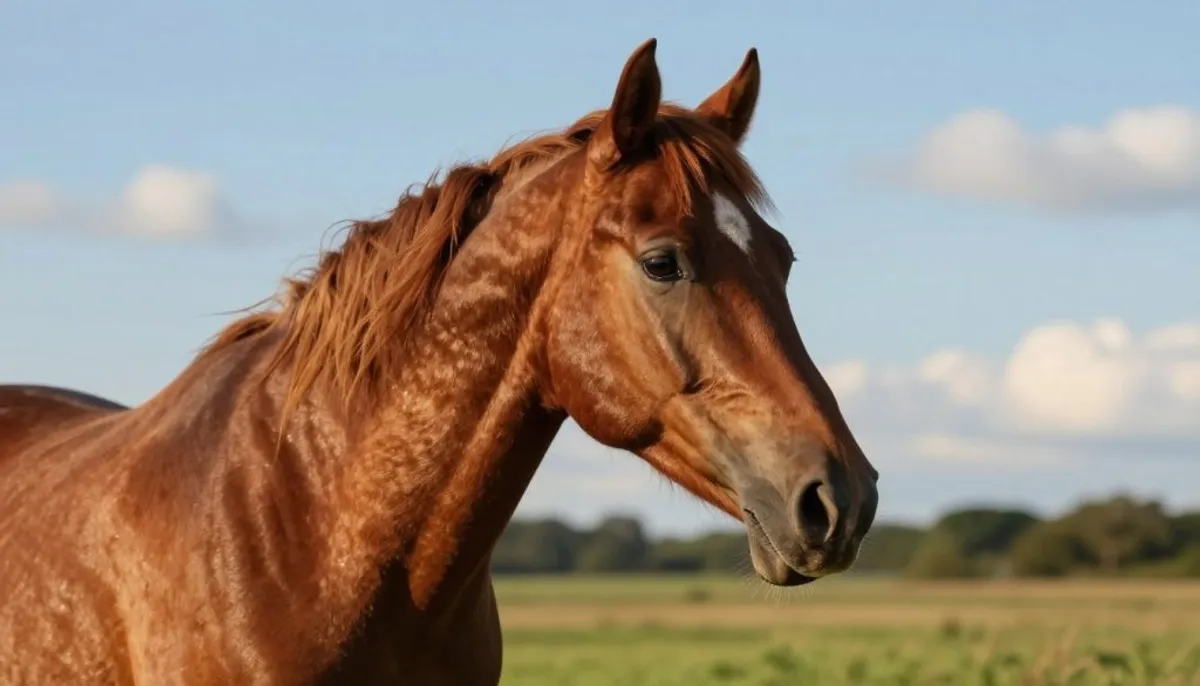
Well-being is not limited to physical aspects. According to CNSAE/NFACC, it also includes physiological and psychological well-being. Essentially, a calm horse that breathes easily and eats without difficulty learns more easily and is less resistant.
We will discuss the routine and equipment related to the horse's head: care, hygiene, adjustment of the halter and bit, and protection against insects. It is crucial to adopt a holistic approach, encompassing both the animal and its environment, to ensure its comfort and simplify every interaction.
Key Points
- Observing the horse's head daily helps to detect problems early.
- Well-being relies on three pillars: physical, physiological, and psychological.
- Prevention reduces heavy care and limits complications.
- The routine (grooming, hygiene, checks) enhances safety on foot.
- Well-fitted equipment prevents pain and pressure points around the head.
- Managing insects requires actions on the horse's head and its living environment.
Understanding the Horse's Head: Role, Meaning, and Communication
It is often said that “everything goes through the head.” Indeed, by observing the head, we can see the horse's breathing, appetite, and attention. This helps us stay attentive to the horse's well-being every day.
Well-being is not just about the physical. It also concerns feelings, such as fear or distress. According to CNSAE, this is part of the Five Freedoms (FAWC/OIE). The idea is to limit discomfort and mental suffering, even in daily care.
Vital functions concentrated in the head: breathing, feeding, perception
The nostrils are important for breathing. They quickly show if the horse is stressed or uncomfortable. If a horse is breathing heavily or struggling to breathe, it is a sign to take seriously.
The mouth helps with eating and accepting the bit. The teeth and tongue play a role in chewing. A horse that sorts its hay or eats slowly may be uncomfortable.
The eyes and ears indicate how the horse perceives things. A noise, a smell, or a movement can change everything quickly.
Field of vision, flight zone, and balance point: impacts on handling
Knowing the field of vision and flight zone is useful for safety. Annex G of the Code of Practice for the Care and Handling of Equines explains the balance point. This helps guide the horse without forcing it.
Some tips make handling easier:
- Approach at an angle and remain visible.
- Start far away, then gradually come closer.
- Reduce pressure as soon as the horse responds.
Signals of comfort, fear, and distress: useful markers for daily life
The horse's communication is in the details: a relaxed neck, a soft jaw. But tight nostrils or a fixed gaze can indicate fear. Repetitive behaviors may signal discomfort, even in a calm horse.
The horse's well-being heavily depends on those who care for it. Being calm, attentive, and consistent helps reduce stress. This strengthens the relationship and ensures the horse's safety every day.
| What We Observe | What It May Indicate | Useful Reaction at the Moment |
|---|---|---|
| Mobile ears, regular blinking, soft lower lip | Comfort, available attention, low tension | Continue with the same rhythm, calm voice, slow gestures |
| Dilated nostrils, head held high, fixed gaze, stiff neck | High vigilance, rising stress, possible fear | Increase distance, make yourself visible, reduce demands |
| Grinding teeth, nervous chewing, tense corners of the mouth | Discomfort, conflict with equipment or situation | Take a break, check the fit, resume more lightly |
| Striking at the tie, repeated swaying, agitation without clear cause | Distress, frustration, sensory overload or possible pain | Return to calm, secure the environment, observe and note |
Anatomy of the Horse's Head: Essential Markers for Better Observation
Looking at a horse's head is like reading a map. You identify fixed points and note changes. This allows for quick discovery of a local problem or broader discomfort.
Start with the eyes: they should be clear, open, without redness or tearing. Then, observe the nostrils; they should be soft, clean, with regular breathing. In an attentive horse, these signals are quickly visible.
The lips and corners say a lot too. A tense mouth, dry lips, or unusual saliva require attention. Look at the mucous membranes: they should be pink and moist, without pale or blue areas.
Symmetry is key. Compare both sides of the head: cheeks, jaws, arches, contours of the eyes. A difference, like swelling or a wound on one side, often indicates a local issue.
There are more sensitive areas. The noseband, the base of the ears, the trough, and the bars of the mouth quickly show discomfort. If a horse suddenly withdraws, blinks hard, or stretches its neck, that’s a sign.
Maintaining a care routine is important. It’s similar to the health care management of the Code of Practice for Equines. You must observe, note, and act without delay in case of pain, injury, or distress. Nothing should prevent providing necessary care.
| Marker to Check | What Is Expected | What Suggests a Local Issue | What May Indicate a More Global Sign |
|---|---|---|---|
| Eyes | Clear, no discharge, soft eyelids | Tearing on one side, swelling, small wound | Fixed gaze, sensitivity to light, lethargy |
| Nostrils | Calm breathing, no strong odor | Discharge on one side, crusts, irritation | Rapid breathing, visible effort, open nostrils |
| Lips and Mouth | Mobile lips, regular chewing | Injury, pain on one side | Refusal to eat, excessive saliva, agitation |
| Mucous Membranes | Pink, moist | Lesion, local bleeding | Pallor, abnormal color, slow refill |
| Symmetry of Cheeks and Jaws | Same contours on both sides | Swelling, heat, sensitivity on one side | Stiffness, fixed posture, general defensiveness |
With these checkpoints, understanding a horse's head becomes easier. You will know when to be more attentive and when to seek advice. Especially if signs change rapidly or if discomfort increases.
Examining the Head Daily: Monitoring Routine and Prevention
Observing your horse's head every day is quick. It avoids many problems. It is essential to keep your horse fit, especially before working, feeding, or turning it out in the paddock.
The principle is simple: observe, feel, and touch gently. In a stable, this also requires enough staff. Thus, each horse is well monitored, without rushing.
Quick Checks: Eyes, Nostrils, Lips, Mucous Membranes, and Symmetry
- Eyes: clear, wide open, no thick tearing or swollen eyelids.
- Nostrils: regular breathing, no bad odors, no yellow, green, or bloody discharges.
- Lips and Mucous Membranes: should be pink, moist, without wounds or dryness.
- Symmetry: check that both sides of the face are similar, without heat or bumps.
- Reaction to Touch: the horse should remain calm. A sharp withdrawal may indicate discomfort.
Warning Signs: Pain, Injuries, Discharges, Swellings
Be alert to certain changes, even minor ones. For example, a horse that blinks often, shakes its head, or refuses its bridle may be in pain.
Also watch for injuries, halter marks, bleeding, and any unusual heat. A thick discharge, a bad odor, or a growing swelling are concerning signs.
| Checked Point | What Is Usual | What Should Raise Alarm | Immediate Action |
|---|---|---|---|
| Eyes | Bright, no redness | Closed eye, red, thick discharge | Keep away from dust, note the time, seek advice |
| Nostrils | Air passing well, rarely clear discharge | Colored discharge, respiratory noise, blood | Limit effort, check temperature, call quickly |
| Mucous Membranes | Pink, moist | Pale, bluish, very dry | Monitor overall condition, ensure access to water, call without delay |
| Symmetry | Two identical sides | Bump, heat, pain on pressure | Do not tighten the equipment, take photos, consult a professional |
When to Seek Veterinary Advice: Acting Early to Avoid Complications
If a doubt persists for a few hours, it is wise to consult a veterinarian. Acting quickly can prevent serious problems, especially concerning the eyes, respiratory tract, and mouth.
Consulting is part of good health care management. The Code of Practice for Equines emphasizes the importance of rapid prevention, diagnosis, and treatment. The goal? A pain-free, injury-free, and healthy animal. Note any changes, the time observed, and modifications in your horse's routine.
Dental Care: Comfort, Performance, and Prevention
A healthy mouth makes life better: it enhances appetite and calms the mind. If the horse is relaxed, it eats better and feels full of energy. If something bothers it, it can become grumpy, even when calm.
Why Dental Follow-up Is a Foundation of Health Care Management
The Code of Practice for the Care and Handling of Equines states that caring for teeth is essential for health. The idea is to prevent pain before it becomes serious. This follows the idea of Five Freedoms, which includes not suffering.
Having teeth that are too long or sharp can bother the horse. It may interfere with its way of eating and affect its weight. When the horse works, it may struggle because its mouth is uncomfortable.
Signs of Oral Discomfort: Loss of Condition, Eating Difficulties, Resistance at Work
The first signs are often small. If we see them quickly, we can prevent pain from lasting too long.
- At the Trough: eats slowly, leaves leftovers, chews on one side.
- On the Body: loses weight, has a less shiny coat, less energy, drools more.
- At Work: moves its head a lot, opens its mouth, dislikes contact, has trouble concentrating.
A horse that moves its head or does not follow well may indicate pain. Observing how it acts before and after exercise can help understand.
Organizing a Care Program: Qualified Professional and Regular Follow-up
A good program requires an expert and regular appointments. The goal is not just to perform maintenance. It is essential to assess the state of the mouth and its effect on well-being. The code states that one should not wait if the horse is in pain.
| Follow-up Element | What You Note | Why It Is Useful |
|---|---|---|
| Date and Type of Visit | Check-up, specific care, feeding advice | This helps maintain a routine and quickly spot problems. |
| Observations at Home | Way of eating, behavior, saliva, odor | Linking behaviors to a mouth problem early. |
| Recommendations | When to return, what to pay attention to, change equipment if necessary | Better to prevent than cure, thanks to useful advice. |
| After Intervention | If its appetite, weight, and behavior improve | Check that everything is fine and prevent pain from returning. |
Keep a record for each horse with dates, observations, and recommendations. This way, you can easily track the well-being of each horse. And it enjoys a more peaceful life.
Protection Against Vermin and Insects Around the Head
When insects attack, being comfortable becomes difficult, especially near the eyes and nose. It is vital to protect this area, emphasizes the Code of Practice for Equines. A simple method can make daily life smoother, from grooming to work, avoiding stress near the horse's head.
Why Flies Disrupt the Horse's Comfort and Routine
Flies can bite, cause itching, and stay near the eyes. This pushes the horse to shake its head and rub. Its skin can become irritated and even injured.
Their presence changes its behavior. The horse becomes less cooperative, more nervous, and abrupt. It may react strongly when insects fly near its ears.
Holistic Approach: Acting on the Animal and the Environment
To control flies, it is necessary to act at multiple levels. We create protection on the horse and maintain its skin health. Additionally, we eliminate what attracts flies from its environment.
Whether in the field or the stable, managing manure and damp areas is crucial. Keep the places where the horse eats dry and the water troughs clean. These actions help keep your horse calm, even in summer.
| Action | Desired Effect | Simple Daily Application | Point of Attention Around the Head |
|---|---|---|---|
| Cleaning Manure | Less fly breeding | Frequent collection of passage and feeding areas | Fewer insects landing near the eyes |
| Sanitizing Wet Areas | Reduce mosquitoes and gnats | Avoid standing water, drain if necessary | Less annoyance at the nostrils |
| Ventilation and Airflow | Less active insects | Open passages, prioritize a ventilated shelter | The horse's head relaxes and scratches less |
| Cleaning Equipment | Less sweat and attractive odors | Wash halters, browbands, mask sleeves | Limits friction on the muzzle |
Useful Equipment and Habits: Masks, Shaded Areas, Managing Risk Periods
A fly mask is a wise choice. It should fit well, with fabric that protects without irritating, and soft seams. It is essential, like a reliable halter for spring and summer.
Flies are often worse in the morning and evening. Changing outing times and providing shelter can really help. With these tips, the horse stays calm and is more manageable.
- Mask adjusted, checked daily (dirt, sand, pressure points).
- Shade in the paddock: hedge, shelter, or ventilated area to discourage flies.
- Timings: prioritize slots when insects are less dense.
- Habits: quick inspection of the eyes and nostrils after going out.
Hygiene, Grooming, and Maintenance of Sensitive Areas
Caring for the horse's head is essential. Dust and dry mud must be removed. This prevents skin irritations. A gentle hand and a steady rhythm help a lot, especially in bad weather.
Be very gentle when cleaning around the eyes and nostrils. Use a clean, slightly warm sponge, and wipe gently. During this cleaning, you may notice redness or small injuries that you wouldn’t have otherwise.
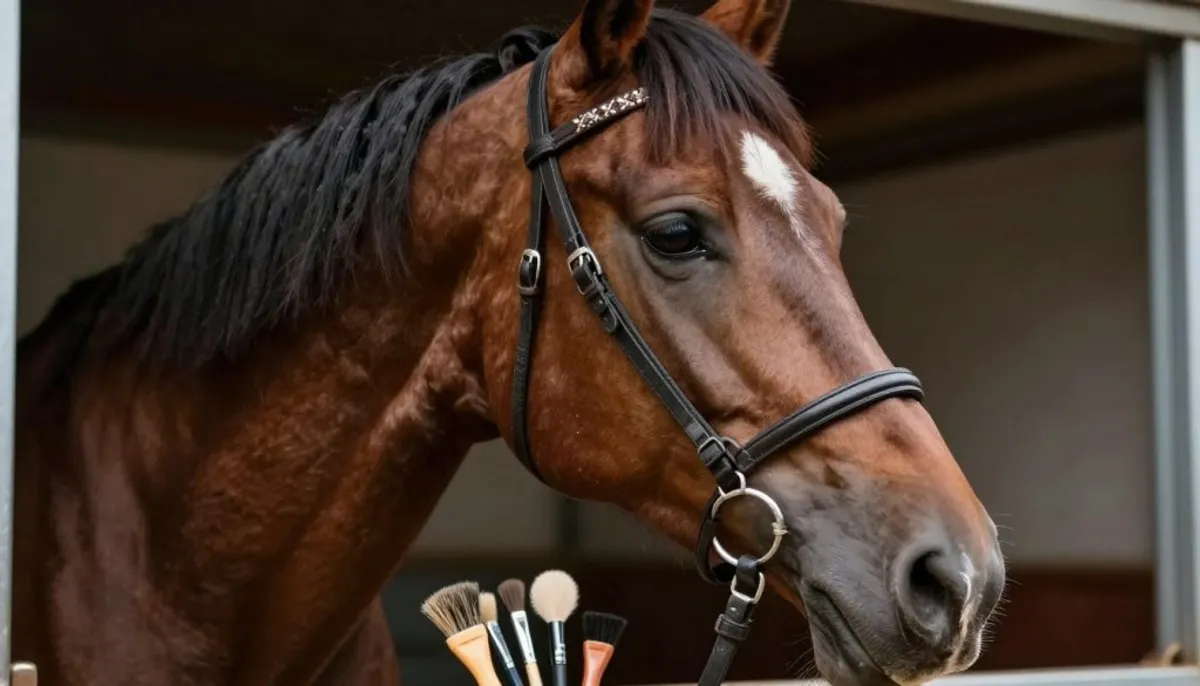
Grooming is vital for horse care. It is not just about cleaning them. It allows you to notice differences in their body or detect areas that bother them.
Seeing your horse every day helps to notice the small things. A swelling or a bump can be seen more easily. Just a few minutes a day are enough, provided you are regular and attentive.
Good hygiene also prepares the horse for the return of insects. Clean skin attracts fewer insects and tolerates protections better. Before putting on a fly mask, ensure that the horse's skin is clean. This prevents irritations.
| Sensitive Area | Hygiene Gesture | What to Monitor | Useful Frequency |
|---|---|---|---|
| Eye Contour | Wet compress, light outward stroke | Tearing, crusts, swollen eyelids, frequent blinking | Daily in insect season, otherwise 3 to 4 times/week |
| Nostrils | Gentle wiping of edges, without entering the nostril | Abnormal discharge, odor, irritated skin, thick deposits | 2 to 3 times/week, more after a dusty outing |
| Lips and Corners | Clean sponge, visual inspection at rest | Cracks, small fissures, friction marks, sensitivity | 2 times/week, and after work with the bit |
| Jaws and Throat | Soft brush then hand against the grain to feel the skin | Warm areas, bumps, ticks, reactions to contact | Daily during shedding season, otherwise 3 times/week |
| Passage of the Headpiece (behind the ears) | Clear dirt, detangle without pulling | Scrapes, dandruff, hair loss, discomfort when harnessed | At each harnessing, systematic quick check |
Preparing your equipment before starting is important. Use a different sponge for each area and wash them well. This small daily effort keeps the horse comfortable and confident.
If the skin remains sensitive after cleaning, consider reducing friction. Check the mask, inspect the padding, and clean the straps. This way, the horse will remain comfortable with its protection.
Well-being, Housing, and Environment: Conditions Influencing the Head
The horse's well-being is not limited to the care it receives. Its habitat also influences its mental state daily. The Code of Practice for Equines emphasizes the importance of shelter, clean air, rest, and safety.
A stable environment makes the horse calmer. It reduces friction, tension, and facilitates handling.
Shelter, Shade, and Air Quality: Limiting Discomfort and Irritation
Shade and outdoor shelter reduce glare and heat. Lack of coolness pushes a horse to escape insects, risking minor injuries.
Indoors, breathing clean air is crucial. A dusty or humid environment irritates the eyes and nose. Healthy bedding, clean hay storage, and good ventilation improve its well-being.
Space, Rest, and Bedding: Reducing Stress and Injury Risks
Enough space allows for lying down and getting up safely. Narrow passages or sharp corners increase the risk of injuries.
Bedding influences health. If it is damp, it increases ammonia and irritates. If too slippery, it can cause falls.
Companionship, Social Contacts, and Freedom of Movement: Encouraging Normal Behavior
Interactions and freedom of movement reduce stress. This decreases abnormal behaviors and defensive reactions.
These measures align with the Five Freedoms, emphasizing the importance of a safe habitat. They also prevent accidents.
| Environmental Point | Frequent Effect on the Horse's Head | Simple Daily Marker |
|---|---|---|
| Shade and Outdoor Shelter | Less glare, less agitation and friction | Free access to a shaded area during hot hours |
| Air Quality in the Stall | Less irritation of the eyes and nostrils, calmer breathing | Regular ventilation, low-dust hay, absence of ammonia odor |
| Bedding (Cleanliness and Humidity) | Less irritation and fewer slipping risks | Dry resting area, frequent cleaning, removal of damp spots |
| Space and Layout | Less bumping and injuries, calmer horse's head | Protected corners, clear corridors, non-slip surfaces |
| Social Contacts and Movement | Less stress and defensiveness during care of the horse's head | Daily outings, group living or secure contacts in the paddock |
Handling and Equipment: Safely Putting the Horse's Head First
To lead a horse correctly, clear rules must first be established. The Code of Practice for Equines in France emphasizes how crucial it is to understand the horse and know how to handle it. With simple instructions, the horse relaxes and learns better.
Handling Principles: Consistency, Calmness, and Understanding Equine Behavior
It is important to remain consistent. Always use the same words and gestures, and maintain the same rhythm. Find the right point where the horse can see you without being too close. Knowing its field of vision and personal space prevents sudden fears.
If the horse suddenly stops or seems frightened, reduce pressure. Take a step back before starting again gently. The goal is to react calmly, without the need to pull or struggle.
Restraint Equipment and Adjustment: Halter, Lead Rope, Bit, and Pressure Points
The halter should fit well without causing pain. A flexible lead rope is necessary to avoid sudden movements. If the horse is sensitive, poor adjustment can quickly be noticed by various signs: ruffled hair or small injuries.
The bit should be placed carefully. It must not injure the corners of the mouth and should leave the tongue free. Always check that the horse is comfortable after using the bit.
| Element | Good Adjustment | Warning Signs | Simple Action |
|---|---|---|---|
| Halter | Two fingers fit under the noseband, headpiece stable | Marks, friction, horse shaking its head | Readjust, clean, check seams |
| Lead Rope | Loop held, gentle contact, no continuous tension | Horse pulling, head rising, hurried steps | Slow down, take a shorter hold, breathe and relax |
| Bit | Relaxed corners, fixed and light hand | Open mouth, tongue passing through, resistance | Check size, have the teeth checked |
| Pressure Points | Soft skin, no heat, smooth coat | Swelling, pain on touch, asymmetry | Stop, adjust equipment, seek advice if needed |
Preventing Accidents: Routines, Passage Areas, Managing Emotions
Minimize risks by establishing simple and consistent routines. Exercise the horse in a clean space, free of obstructive objects. A clear path helps the horse stay calm and prevents it from losing sight of you.
Plan how to manage fears or stress. If the horse becomes tense, return to a simple task and finish calmly. Often, safety depends on small details like knowing when to stop or change direction.
Horse's Head: Coat Variations and Observation (White Head, Brown Head)
The colors and markings of a horse's head change the way we observe it. It is not just a matter of style, but also of spotting what is normal. With light, you can see or not see signs of rubbing, dirt, or even a slight discharge.
On a horse with a white head, dust and crusts are easily visible. This helps to see irritation or if an area is sensitive after a bump. However, the sun can make it difficult to see these details. You may then gently touch to check the skin.
For a horse with a brown head, it is harder to see small injuries. It is useful to look for changes in texture or a different smell. To see if an area is swollen, comparing both sides of the face can help.
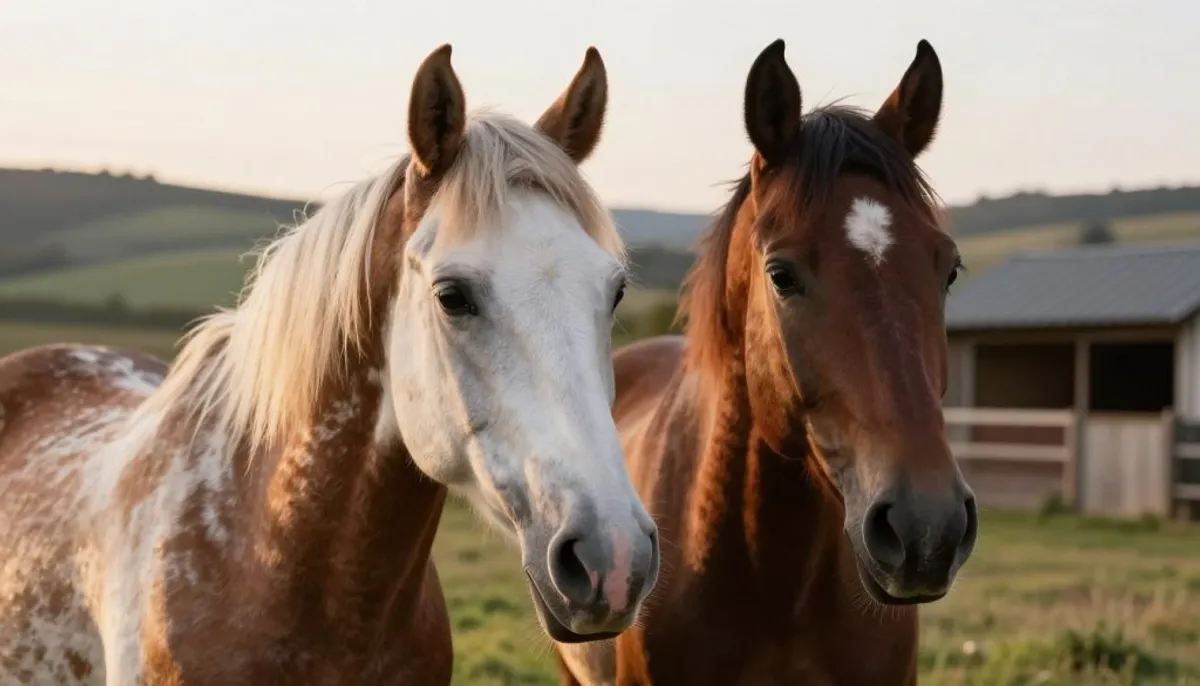
It is important to always follow the same order when observing a horse, without rushing. Compare both sides of the horse, note changes, and remain attentive to its behavior. If something surprises you, taking a photo can help track the evolution.
Regularly observing your horse is essential to prevent problems. If you spot an issue quickly, it is easier to treat. The horse's environment, such as dust or insects, can cause irritations.
| Observation Point | What Is Noticed Faster on a White-Headed Horse | What Is Noticed Faster on a Brown-Headed Horse | Simple Gesture to Maintain |
|---|---|---|---|
| Eye Contour | Signs of tears, deposits, slight redness on clear skin | Subtle swelling of the eyelid, local heat | Compare right/left, then wipe with a clean compress |
| Nostrils and Muzzle | Dirt, dried secretions, rubbed areas | Fine abrasion, sensitivity to touch, less visible crust | Observe in natural light, then palpate without pressing |
| Rubbing Areas (Halter/Noseband) | Soiling, dandruff, broken hairs | Gradual hair loss, thickening of the skin | Check the fit and run a finger under the straps |
| Cheeks and Jaws | Small discharges, mud traces, superficial irritations | Asymmetry related to early swelling, pain on pressure | Look from the front, then follow the lines of the face by touch |
Culture, Art, and Decoration: Horse's Head in Sculpture, Painting, and Objects
The horse's head is a symbol of elegance and strength that has marked the centuries. It will stylishly decorate your living room, office, or tack room. Just one carefully chosen piece can bring a lot of character.
This theme is seen everywhere. In sculptures, paintings, or decorative objects, it captures the eye. Riders and art lovers adore it for its expressiveness.
Styles and Inspirations
A metal sculpture adds an industrial touch. If it is made of wood, it brings warmth to the space. In resin, it offers pure lines and a modern look.
Paintings vary according to inspirations. Some are realistic, perfectly capturing the horse's eye. Others, more modern, play with shapes and contrasts.
- Attitude of the head: calm or alert
- Expression: details of the ear and gaze
- Palette: from warm colors to black and white
How to Choose a Piece
Carefully observe the materials and the work done. The quality of the patina or a weld can make all the difference. The goal is for it to be beautiful and easy to maintain.
Finding balance is key. Sometimes, a single sculpture is enough to mark a space. But a painting may need to be paired with others to create a harmonious ensemble.
Useful Markers for Comparison
| Type of Piece | Common Materials | Visual Asset | Ideal Ambiance | Point of Vigilance |
|---|---|---|---|---|
| Sculpture of Horse's Head | Metal, wood, resin | Volume, shadows, presence | Chic stable, loft, entrance | Stability, weight, quality of finish |
| Painting of Horse's Head | Canvas, art paper, wooden framing | Expression, movement, framing | Office, living room, hallway | Reflections of glass, color consistency |
| Decoration of Horse's Head | Leather, brass, ceramics, textile | Detail, equestrian nod | Saddle, library, reading corner | Wear, cleaning, resistance to moisture |
Focus on Craftsmanship in France
Handcrafted pieces are unique and carefully chosen. Like a capsule wardrobe, we prefer quality items. Well-made decoration ages well and retains its beauty over time.
About La Sellerie Française
La Sellerie Française offers luxury products made in France. They are custom-made or in limited series, by the best French artisans. They aim for a quality even higher than the Made in France label.
Useful Link
https://laselleriefrancaise.com
Conclusion
The horse's head tells us a lot. It speaks to us of its senses, how it communicates, and how it feels. Watching how it moves and reacts every day can show us changes. This helps to have a softer and more understanding relationship with it.
Knowing its anatomy and having a checking routine is crucial. Taking care of its teeth, maintaining good hygiene, and protecting it from insects prevents many problems. Knowing this allows us to intervene quickly, often in a simple way.
Safety is essential. Using suitable equipment and knowing how to handle the horse well reduces the risk of accidents. The environment also plays a significant role: good ventilation, comfortable shelter, clean bedding, exercise, and contact with other animals. All of this contributes to its well-being.
The horse's well-being largely depends on those who care for it. The Code of Practice for Equines emphasizes this. It promotes “The Five Freedoms” for a happy and healthy horse. Additionally, carefully decorating and choosing durable items, like those from La Sellerie Française, shows our commitment to their well-being.
FAQ
Why do we say that “everything goes through the horse's head”?
The horse's head is essential as it encompasses vital functions. Breathing, feeding, and perception come from the nostrils, lips, teeth, eyes, and ears. Facial expressions quickly show whether the horse is comfortable, scared, or in distress.
What simple markers help to understand a horse's communication through its head?
Monitor the posture and movements of the horse's neck and ears. Pay attention to where it looks to understand better. Also, check the Code of Practice on the field of vision and sensitive areas. These tips reduce surprises and strengthen your bond.
What visible signs indicate comfort, fear, or distress on the horse's head?
A relaxed horse has peaceful eyes and breathes calmly. Fear is noticeable by wide eyes and a raised head. Pain or distress is indicated by a stiff head or unusual reactions to touch.
What anatomical markers should one know to better observe a horse's head?
Memorize a simple map of the head: eyes, nostrils, and sensitive areas. This allows for identifying local problems or more general distress signals.
What quick routine should be done daily to examine the horse's head?
Check the eyes for any discharge and look at the nostrils. Examine the lips, symmetry, and reaction to touch. These checks help act quickly in case of a problem.
What warning signals should prompt immediate action?
React quickly if you see pain, swelling, or difficulty breathing. Acting promptly avoids serious complications and follows recommendations on animal welfare.
When should one seek veterinary advice for a head problem?
Consult a veterinarian if symptoms worsen or persist. Do not let the situation worsen. Seeking help is part of good health management according to the Code of Practice.
How do dental care practices protect comfort and performance?
Dental problems can cause pain and change the horse's behavior. Regular dental care prevents these issues and ensures its well-being.
What signs may indicate dental or oral discomfort?
Watch for strange chewing or slowness in eating. These signs may indicate a problem and require examination by an expert.
How to organize a serious dental follow-up program?
Organize regular visits with an equine dentist based on the horse's age and activity. Note everything that is done or recommended to keep a record.
Why is fly control around the head crucial?
Flies can cause irritation and increase the risk of injuries. Controlling flies is essential for the horse's well-being.
What practical solutions exist for protecting against insects around the head?
Put on a fly mask and carefully choose outing times. Using shelters also helps protect your horse from insects.
How to adopt a holistic approach against insects, not limited to the horse?
Combine the care of the animal with that of its environment. This method reduces irritation and increases the horse's comfort.
How do hygiene and grooming improve comfort “around the head”?
Cleaning around the eyes and nostrils prevents irritation. It also helps quickly discover any problems.
How does housing directly influence the eyes and nostrils?
Dusty or humid air irritates the respiratory tract and eyes. Adequate shelter reduces these problems, as indicated by the Code.
Why do space, bedding, and rest affect head safety?
A good environment and quality bedding reduce the risk of injuries. Sufficient rest decreases irritability and prevents defensive reactions.
How do social contacts and freedom of movement influence the horse's head?
A horse free to move and interact is more relaxed. Less stress means a more relaxed head and fewer stereotypical behaviors.
How to handle a horse's head more safely and respectfully?
Be calm and clear in your actions. Respect the horse's space to avoid fear and stress. This method strengthens a positive interaction with the horse.
How to check the fit of the halter, lead rope, or bit to protect the head?
Ensure there are no painful frictions on the horse. Adjustments may be necessary for its comfort.
What routines reduce accidents during head care?
Stay consistent in your gestures and adjust to the horse's reactions. This reduces stress and the chances of negative reactions.
White-headed horse or brown-headed horse: does the coat change the way we observe?
Yes, signs of problems may be more visible on certain colors. Monitor symptoms in all horses and document any changes.
Why is the horse's head such a strong motif in art and decoration?
The horse's head represents the elegance and strength of the bond between human and horse. It inspires decoration in various places.
What options exist in sculpture and painting around the theme of the horse's head?
There are sculptures and paintings of horse heads in various materials and styles. The expression and posture of the head are key for visual impact.
How to choose a horse's head for decoration without making a mistake?
Choose quality materials and check that the style matches your interior. A good piece can last a very long time.
Where to find high-end made-in-France pieces related to the equestrian world?
A: La Sellerie Française offers high-quality products made in France. These unique pieces are created by expert artisans.
What does “animal welfare” mean when applied to the horse's head?
The welfare of the horse's head takes into account physical and emotional comfort. Avoiding fear and pain is crucial, according to animal welfare principles.
Who most influences the well-being and safety daily, including horse's head and human?
Caregivers play a key role in the horse's well-being. Their behavior directly affects the quality of life and safety of the horse.