
In pro horse, every detail matters: food, water, rest, and the right action at the right time count. In the world of pro riding, we aim for performance. All while ensuring the comfort and health of the horse.
This document is intended for competition horses in France, whether they are in sport or racing. The goal is to improve their performance. And this, in a sustainable and respectful manner.
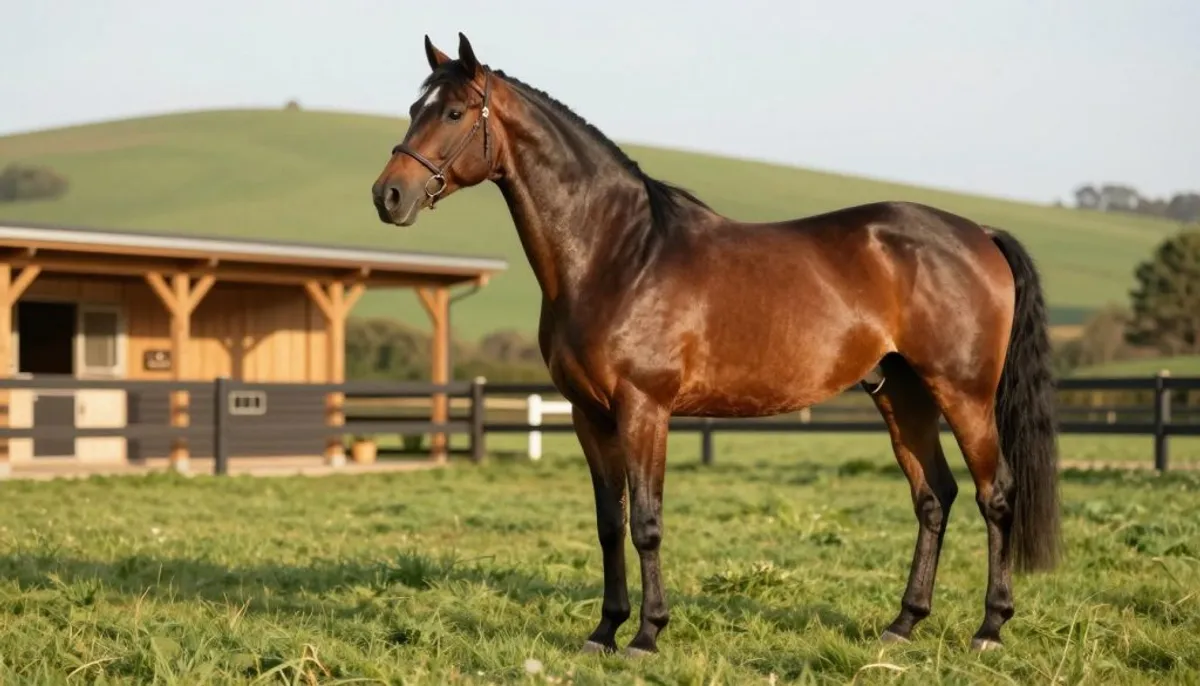
High-end nutrition is essential. Here we discuss the importance of a balanced diet, fibers, energy, supplements, and hydration. We provide you with simple tips for the stable.
High-level care is the second pillar. We cover training routines, specific care on the day of competition, recovery, and external care. All of this contributes to the horse's good shape and calmness.
Experts like PaskaCheval have created a comprehensive method. They offer over 70 products approved by professionals. More than 600 French experts trust this brand.
The goal is not to accumulate solutions thoughtlessly. It is necessary to choose the right options at the right time. Thus, we logically combine nutrition, care, and equipment. From the stable to the competition, everything is connected.
Key points to remember
- The pro horse aims for performance while protecting well-being on a daily basis.
- Professional riding requires a stable method, more than a unique "recipe."
- Top nutrition relies on the ration, useful supplements, and hydration.
- Advanced care covers training, the big day, and recovery.
- Competition horses in France benefit from regular, simple, and measurable follow-up.
- PaskaCheval highlights over 70 references and the support of more than 600 French professionals.
Pro Horse: understanding the needs of athletic equines in France
In France, a pro horse has a busy schedule. Between training, transport, and competitions, it’s intense. For them to stay at their best, nutrition, foot care, recovery, and digestive comfort are essential. Professionals seek simple methods and adjust as needed.
Racehorses and sport horses: true athletes
Racehorses, trotters, or gallopers, live differently from leisure horses. Their life on the racetracks requires much more in terms of care and training. In competition, even the slightest drop in form is immediately noticeable.
It is important to understand the terrain on which they operate. This includes the weather, the state of the track, and the stress of travel. These details help make good decisions without a fixed routine.
Performance goal without compromising well-being
Seeking performance means first protecting the horse. A top pro horse must be ready, recover quickly, and remain calm. This requires appropriate nutrition, good hydration, and specific care.
Equestrian competitions require meticulous preparation, blending performance and health. Risks must be avoided, and treatments must be followed precisely. Discipline requires this rigor to ensure safe progress.
Certified equine trainer and care team: key roles in daily life
The certified equine trainer directs the training program and its schedule. Around them, a team including caregivers and veterinarians shares essential data. Good communication allows adapting training to the horse's real capabilities.
Each horse is unique in terms of character, age, and health. Specialists like PaskaCheval advocate for individual attention. They create personalized nutritional programs that are easily adjustable.
| Monitoring marker | What the team observes | Current adjustment in the stable |
|---|---|---|
| Body condition | Stable weight, back line, muscle loss | Adjust energy, split meals, secure fibers |
| Digestive | Quality of droppings, appetite, discomfort after effort | Regular rhythm, clean water, slow dietary transitions |
| Locomotion | Heat, swelling, stiffness at the walk | Care for limbs, ground management, active recovery |
| Stress and behavior | Irritability, decreased attention, agitation in the stall | Calm routines, outings to the paddock, better load distribution |
| Recovery | Breathing, return to calm, sweating | Walking, gradual cooling down, monitoring hydration |
This framework clarifies the work for everyone, from caregivers to technicians. Thus, the pro horse maintains consistent performance, week after week.
Nutrition for performance horses: building a balanced and optimized ration
The nutrition of a professional horse is crucial. It helps with effort, recovery, and maintains consistent performance. It is important to aim for a constant diet and adjust according to specific needs such as discipline and weather conditions.
Foundations of the ration: energy, fibers, proteins, and digestive balance
Stable energy is essential, especially with frequent training. Fibers are fundamental for good digestion, with a regular supply of quality hay and water available at all times. This contributes to good digestive balance.
Proteins should be consumed with care, just enough for muscle development without excess. To check, one can observe the horse's body condition, coat, appetite, and droppings, which are good indicators of its health.
Mineral and vitamin supplementation: when and why to consider it
Mineral and vitamin supplements are necessary when the usual ration is no longer sufficient, such as during periods of intense training or recovery. The goal is to supplement what is lacking to maintain good health and avoid unnecessary excesses. This also contributes to better mobility and a positive mindset.
The choice of dietary supplements for horses must be made with precision. One must first ensure that the basic diet is correct before adding supplements for a determined period. This method helps limit excesses and easily track changes.
| Frequent situation | What can change in the ration | Point of vigilance |
|---|---|---|
| More demanding training block | Better distributed energy, reinforced fibers, protein adjustment | Preserve digestive balance and food intake |
| Transport + multi-day competition | Hydration, salt, targeted support via horse dietary supplements | Monitor stress, droppings, and recovery |
| Return to calm after effort | Softer ration, prioritize fibers, restore intake levels | Avoid keeping too high what is no longer useful |
Complex solutions: vitamins, minerals, plant extracts for targeted support
Some solutions combine vitamins, minerals, and plant extracts for specific needs. At PaskaCheval, we use in-depth knowledge of plants to support horse health. The secret often lies in a good combination of these ingredients.
These formulas provide additional support and do not replace training or the horse's natural quality. They are beneficial when the basic diet is adequate and the goal is well defined. The best results often come from small, well-managed adjustments.
Precision nutrition: raw materials, advanced cooking, and quality assurance
For a pro horse, it is crucial to have a very precise diet. This involves carefully chosen foods. Their quality must remain consistent, even if the horse is working harder.
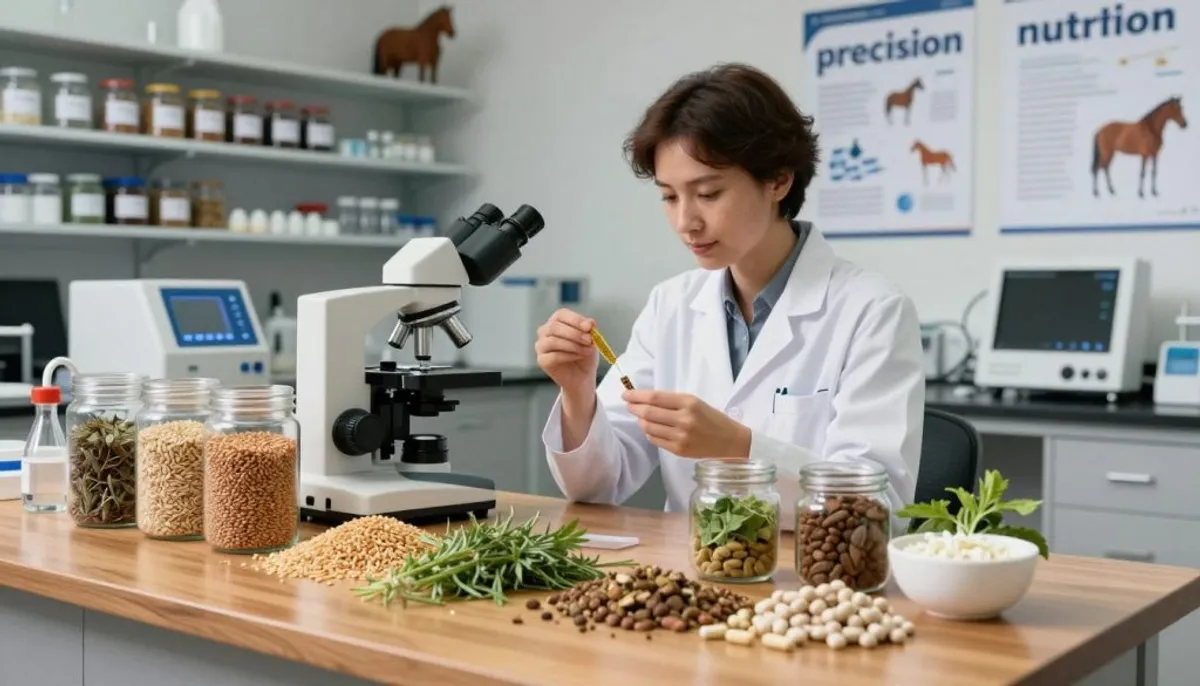
Selection of raw materials and traceability from sourcing to finished product
Each ingredient, such as grains or proteins, is chosen with care. We track each ingredient from its origin to the finished product. This ensures that we know exactly what the horse eats each day.
In France, places like Châteauneuf-sur-Sarthe ensure good production. This allows for effective and consistent quality control.
Manufacturing processes: advanced cooking methods and nutritional stability
The cooking of the foods influences their digestion and quality. RED MILLS uses special cooking methods. They ensure food safety without altering quality.
When foods are well made, it is easier to feed the horse properly. One can adjust the meal according to the effort without worrying about the quality of the product.
Quality control and certifications: securing batch consistency
Quality control spans all stages, from raw material to finished product. It uses rigorous analyses. Certifications like RCNA and Feed Chain Alliance guarantee a high level of quality.
Some foods meet the criteria for organic farming. This ensures consistent quality for professional horses.
Appropriate packaging and storage: preserving the effectiveness of formulas
Good packaging is essential to protect the food. The NFMS packaging prevents moisture and oxidation. This preserves the quality and taste of the foods.
In the stable, properly storing the foods is crucial. Bags must be kept closed and stored in a dry place. With good management, these practices make precise feeding simpler.
| Key point | What this changes daily | What is monitored |
|---|---|---|
| Batch traceability | Easier to reproduce the ration, even on the go | Origin of materials, dates, batch numbers, consistency of supplies |
| Advanced cooking methods | More consistent pellets, more stable palatability | Texture, digestibility, homogeneity of the mix, nutritional stability |
| Quality assurance and certifications (RCNA, Feed Chain Alliance) | Less variation between bags, better confidence throughout the season | Procedures, audits, analysis plan, management of non-conformities |
| NFMS packaging and storage | Better-protected formula during storage | Moisture, air, heat, bag closure, storage duration |
Advanced equine care through the stages: training, competition day, and recovery
An elite horse maintains its shape with a simple plan: training, competition, then recovery. This process avoids disruptions and ensures stability for the rider and the stable.
Advanced care for horses complements training without replacing it. They aim to support effort while preserving routines and daily well-being.
Before effort: preparing the body and locomotor comfort
Before exercise, the horse's body must be prepared, then needs adjusted to the training. A good warm-up, continuous hydration, and a consistent diet ideally prepare the horse.
Targeted care is chosen: muscles, breathing, or movement, without introducing too many new elements. The important thing is to have regular actions to keep the horse comfortable.
Competition day: simple, effective, and consistent routines
Consistency reigns on competition day. It is crucial to maintain usual routines to reduce stress.
A good warm-up and adequate recovery are essential. Advanced care aims to secure the horse's comfort above all.
After effort: recovery, limb comfort, and managing soreness
Immediately after, a return to calm is essential: walking, hydration, and observation. Recovery continues with continuous feeding and rest.
External care becomes crucial for limbs and skin, especially after intense effort. Clay + is often used to relieve limbs, paying attention to each horse.
| Highlight | Priority objective | Simple actions to maintain | Point of vigilance |
|---|---|---|---|
| Training | Build condition and locomotor comfort | Progressive warm-up, followed hydration, stable ration | Avoid piling on new elements at once |
| Competition day | Remain effective without disturbing the pro horse | Identical routines, stress management, control of breathing and sweating | Limit changes to maintain consistency in equestrian competitions |
| Post-effort | Optimize horse recovery and limb comfort | Return to calm, walking, water, targeted external care (e.g., Clay +) | Monitor heat, sensitivity, stiffness, and quality of rest |
Performance and absence of doping: securing supplements and care
In competition, every detail counts for a pro horse. Any addition to the ration must help without causing doubts during inspections. Choose safe products: simple ingredients, controlled processes, and complete traceability.
This aspect is crucial at the racetrack. We aim for efficiency and tranquility. Safe supplements and appropriate care prevent mistakes and maintain a reliable routine daily.
Choosing ranges designed for racing and terrain
Products designed for competition consider real challenges. They have clear ingredients and precise dosages. Controls, stress, and appetite changes are taken into account.
For a pro horse, it is better to choose a few well-targeted products. A limited selection and a constant plan reduce risks. Thus, you can easily track preparation before races.
Partnerships and controls: aiming for non-doping products
Companies are committed to safe products. For example, PaskaCheval collaborates with the Laboratory of Racing to certify non-doping supplements. This partnership reassures in competition, where any doubt is a risk.
It is also essential to rely on production consistency: quality checks, ingredient tracking, and traceability at all stages. This ensures the same quality with each purchase and for each preparation.
Good stable practices: batches, labels, dates, and tracking
Good organization in the stable is essential. Having a clear storage system and precise tracking avoids errors, especially if multiple people care for the same horse.
- Isolate "race" products in a specific area.
- Check labeling at each opening: ingredients, quantity, instructions, and precautions.
- Note the batch number and opening date for perfect traceability.
- Check expiration dates and eliminate questionable products.
- Keep an administration log: what, when, how much, and by whom, especially before a race.
| Control point | What is checked | Risk avoided in competition | Trace to keep |
|---|---|---|---|
| Batch number | Correspondence between bucket, label, and internal sheet | Product confusion, difficulty in case of inspection | Photo of the label + note of the batch |
| Labeling | Dosage, instructions, precautions, target species | Overdosage, inappropriate use, poor routine | Printed or archived product sheet |
| Dates | Expiration and opening date | Decreased effectiveness, storage issues | Log with opening date |
| Storage | Closed cabinet, dry, away from heat, separate area | Alteration, error on competition day | Storage plan + weekly check |
| Administration tracking | Product, quantity, timing, responsible | Duplicate, forgetfulness, unstable protocol | Stable notebook or tracking board |
| Product choice | Preference for safe and traceable supplements | Uncertainty during inspection, unnecessary stress | Invoice + batch reference per purchase |
Targeted physiological supports: hepatic, muscular, respiratory, immune
At PaskaCheval, we adopt a specific by function and personalized method. We first observe how the horse behaves during training. Then, we adjust support according to needs related to effort, climate, transport, and recovery.
This method allows following a simple plan, without unnecessarily accumulating products. We identify practical and easy tips for our horses' daily lives.
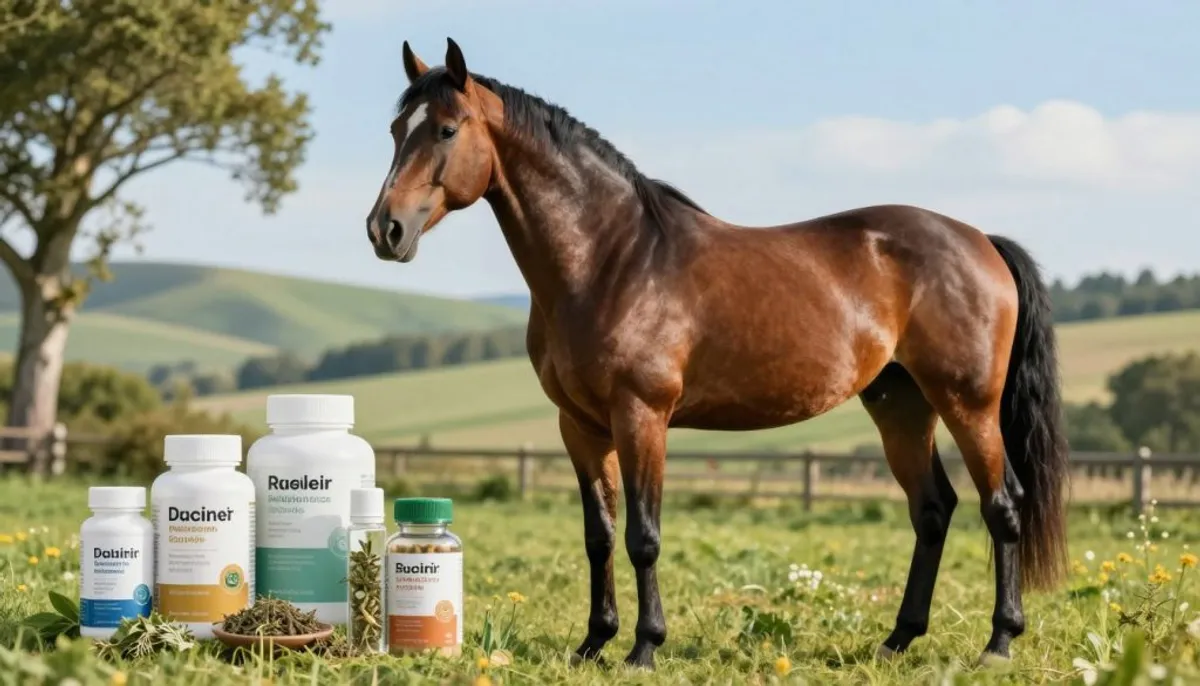
The detox and hepatic drainage plays an important role at each change of season, after intense training, or during a change in diet. This helps the horse to cleanse itself better from the inside. And we pay attention to its mood, appetite, and overall condition.
Algua Detox is recommended for the hepatic health of horses. Choosing the right time is crucial: prioritize a calm period, provide unlimited water, and maintain a balanced diet.
For muscle development, one must be patient and not rush the steps. Regular exercise, good proteins, and adequate recovery time are essential. Dietary supplements help, but do not replace training.
Myoselen E 2500 helps strengthen muscle endurance. Myo Builder is used to promote muscle growth. The goal is to improve tone, shape, and the ability to perform regular exercises.
Respiratory comfort makes exercise easier and recovery faster. To improve it, consider good bedding, quality hay, and good ventilation in the stable.
Respiral is an example of a product that improves breathing. It works well with good stable management and a gradual warm-up.
The immune system can be weakened by stress, particularly during transport, competitions, or changes in stabling. To strengthen it, ensure your horse gets enough sleep, stable nutrition, and well-measured training.
Adopt a holistic approach by planning additional support during the most stressful periods. Monitor overall condition, body temperature, and the quality of droppings closely.
- Adapt the duration of cures to the sports calendar, not to habit.
- Introduce only one change at a time to better read the horse's response.
- Note simple signals: appetite, recovery, attitude during grooming, breathing.
| Targeted function | When to consider it | Concrete signals to monitor | Cited example | Point of vigilance |
|---|---|---|---|---|
| Hepatic | Season transitions, after a work block, recovery | Appetite, general condition, coat, energy at the start of the session | Algua Detox | Avoid multiplying cures; maintain a stable ration |
| Muscular | Increased load, building condition, return to work | Soreness, quality of the top line, endurance | Myoselen E 2500, Myo Builder | Rest and training take precedence; adjust according to sweating |
| Respiratory | Dust, cold air, repeated efforts, short recovery | Coughing, noisy breathing, catching breath after effort | Respiral | Prioritize caring for the environment (hay, bedding, ventilation) |
| Immune | Transport, competitions, change of environment, stress | Decreased form, decreased appetite, sensitivity to temperature variations | PaskaCheval's functional approach | Monitor overall load and hydration, especially when traveling |
Hydration and electrolytes: preventing dehydration in the athletic horse
For a pro horse, water is very important. It helps increase performance, especially with more work, transport, or in hot weather. Even slight dehydration makes effort harder and recovery slower.
Why hydration directly impacts performance
A horse that loses water also loses minerals. Thus, its blood circulates less efficiently, and its muscles fatigue faster. This reduces performance, sometimes without visible signs at first.
Good recovery starts with simple things. For example, providing clean water, ensuring calmness, and good nutrition. This helps the horse gently recharge its energy.
Electrolytes: indications, key moments, and common mistakes
Electrolytes are useful when a horse sweats a lot. This can happen during intense efforts, competitions, van travels, or in hot weather. It is important to use them at the right time and ensure the horse drinks enough.
Do not give too many electrolytes just before the event if the horse does not drink well in a new place. A regular approach is better. It is also good to consult an expert to tailor needs to each horse.
Field monitoring: sweating, recovery, appetite, and droppings
Observing certain signs can help us better understand the horse's needs. One must take into account sweating, how long it takes to calm down, its desire to eat, and the appearance of its droppings. This helps us know if it is recovering well.
- Sweating: fine and diffuse sweat vs. very salty patches, white traces, sticky coat.
- Recovery: breathing that calms down quickly, attentive horse, smooth locomotion.
- Appetite: hay quickly resumed, water bucket frequented, unusual refusals to note.
- Droppings: drier, smaller, or on the contrary very soft after transport stress.
| Observed situation | What this may indicate | Practical adjustment to consider | Point of control in the following hours |
|---|---|---|---|
| Heavy sweating during a short session | High losses in salts, increased risk of dehydration in the athletic horse | Horse electrolytes after effort with unlimited water, then split ration | Return of appetite and frequency of drinking |
| Horse that drinks little in competition | Stress, "different" water, broken routine, performance deteriorating | Offer lukewarm water if needed, increase drinking opportunities, keep the same markers | Moisture of droppings and attitude in the stall |
| White salt traces on the neck | Very mineralized sweat, significant losses | Provide horse electrolytes spread throughout the day, without excess at once | Quality of recovery and flexibility in walking |
| Droppings drier and darker after transport | Insufficient hydration, slowed transit | Progressive rehydration, wet hay if well tolerated, calm upon return | Urinary volume and resumption of ration |
| Slow recovery despite usual effort | Water/salt balance to review, fatigue, heat, or poorly set ration | Review hydration timing + horse electrolytes, adjust according to intensity | Stability of performance in the next session |
Feet, tendons, and limbs: external care for lasting comfort
External care is not just aesthetic for a competition horse. They ensure good mobility, facilitate the chaining of training sessions, and prevent pain. The goal is clear: observe, maintain, and act quickly without complicating the routine.
The feet require constant monitoring. This includes cleaning hooves, managing moisture, avoiding shocks, and repairing cracks. PaskaCheval offers advice on caring for hooves, soles, and preventing diseases, especially on changing terrains.
Tendons fatigue quickly after effort. Adequate cooling followed by appropriate external care alleviates sensations. For this, Clay + is recommended to help limbs recover, through regular use.
Adopting a daily routine is more effective than occasional intense care. This routine is easily planned before, during, and after activities. It includes constant checks and care for at-risk areas.
| Priority area | Objective of external care | Simple daily actions | After training/race |
|---|---|---|---|
| Feet and hooves | Stability, grip, prevention of irritations | Cleaning, brushing, checking the frog, managing moisture | Rinse if sand/salt, inspect impacts, dry if needed |
| Tendons | Limit sensitivity, support recovery | Gentle palpation, monitoring heat, note in the stable log | Progressive cooling, targeted external care according to tolerance |
| Limbs | Locomotor comfort and overall recovery | Observation of swelling, skin care, monitoring friction | Application of Clay + on limbs, active rest, and walking |
When these actions become automatic, consistency sets in. The horse remains comfortable, and the team communicates clearly, preventing discomfort. Thus, advanced care makes perfect sense: precise and timely actions for always-performing limbs.
Quality equestrian equipment and high-end saddlery: the contribution of La Sellerie Française
Good equestrian equipment is crucial for a professional horse. It includes a well-fitted saddle, a properly adjusted bridle, and careful finishing. These elements make instructions more precise. In competition or training, comfortable gear makes all the difference.
High-end saddlery "made in France": a choice of durability and precision
La Sellerie Française offers durable and quality products. Their leather and stitching are meticulously selected. Thus, horses are less bothered by equipment and remain stable and comfortable. Good equipment reduces pressure on the horse and facilitates maintaining constant contact.
Unique, custom, or limited series products by French artisans
Custom and limited series items are created to meet specific needs. They take into account the shape of the horse, the type of discipline, and the rider's preferences. With such equipment, training gains precision without resorting to gimmicks.
Why "made from A to Z in France" makes a difference for the horse's comfort
Manufacturing entirely in France allows for control over every step of the process. For high-end items, this translates into better finishing and greater consistency in adjustments. Details that may seem minimal play an essential role in the horse's comfort, especially during intense efforts.
| Key point | Impact in professional riding | Desired effect on the horse's comfort |
|---|---|---|
| Adjustment (saddle/bridle) | Clearer aids, more stable posture for the pro horse | Less local pressure, freer locomotion |
| Finishing and stitching | More reliable equipment, consistent sensations from one session to another | Less friction, better skin protection |
| Durability of leathers | Adjustments that hold, fewer surprises in work | More constant contact, more stable support zones |
Useful link: https://laselleriefrancaise.com
To discover the products of La Sellerie Française, visit https://laselleriefrancaise.com. Maintaining the saddlery is important. Companies like PaskaCheval offer products for leather care. This helps keep the equipment clean, supple, and in good condition.
Conclusion
The strategy is clear: seek to be better, but without rushing. Everything starts with thoughtful feeding and nutrition adapted to the digestive system of the competition horse. It is essential to dose energy, fibers, and essential intakes according to the horse's physical activity.
Specific care also plays a crucial role. They assist the horse, from the liver to the muscles, through the lungs and the immune system. Hydration and electrolytes are particularly important, especially during intense exercises or in hot weather.
In competition, prioritizing safety and integrity is essential. Avoiding doping requires ethical choices and precise monitoring, such as the partnership of PaskaCheval with the Racing Laboratory. This also includes strict product control, careful presentation, and meticulous stable management.
Caring for the horse also encompasses external care, from feet to tendons, throughout the exercise. The equipment must be of good quality and well chosen. For example, quality saddlery, made in France like that of La Sellerie Française, reflects this commitment to excellence.
FAQ
What is the "Pro Horse" approach for a sport or racing horse in France?
"Pro Horse" seeks to improve performance while caring for the horse. It combines specialized nutrition, training, and advanced care. Thus, horses give their best, recover well, and remain comfortable every day.
Why are trotters and gallopers considered true athletes?
These horses, on the racetracks, exert significant and sustained effort. They require appropriate preparation and regular monitoring. This includes good nutrition, specific training, and health follow-up to be at their best.
Who is involved daily around an athletic horse?
Around a horse, there are trainers, riders, caregivers, owners, and jockeys. Success depends on the attention paid to details, such as the training plan and daily care.
What are the two key pillars: nutrition and care?
Nutrition and care form the basis of the horse's well-being. On one side, there is food and hydration. On the other, well-thought-out training and post-effort care.
How to build a well-balanced ration for a performance horse?
A good ration balances energy, fibers, and proteins, respecting the horse's digestion. It must support effort, ensure regular recovery while considering each horse's specific needs.
When to consider supplementation with vitamins and minerals?
Supplements should be considered during demanding periods like intense training or recovery. They must adapt to the overall ration without disrupting it.
Do "complex solutions" (vitamins, minerals, plants) really help?
These solutions can help by combining vitamins, minerals, and plants. They will not replace training but can provide additional support.
How can a "natural plant-based" approach help an athletic horse?
Using plants can support the horse's health in a preventive and gradual manner. This helps without overloading the organism.
What is meant by "precision nutrition" for performance horses?
"Precision nutrition" uses quality ingredients and rigorous control at every step. This guarantees consistent benefits for professional horses.
Why is traceability "from sourcing to finished product" so important?
Traceability ensures the quality and reliability of products. It allows tracking each step, from the source to the finished product.
What are advanced cooking methods in equine feeding for?
Advanced cooking methods keep foods stable and uniform. This is crucial when the effort required from the horse increases.
What certifications and quality control guarantees can be found in the sector?
Certifications like RCNA and Feed Chain Alliance are seen. Some products are also compatible with organic farming. This ensures quality and traceability.
Why do packaging and storage affect the effectiveness of a formula?
Poor packaging can diminish the effectiveness of products. Good packaging, like NFMS, and proper storage methods make a difference.
Where are some products mentioned in the "Pro Horse" ecosystem made?
Some products are made in Châteauneuf-sur-Sarthe and Malville. This localism is important for quality and consistency.
How to structure care over three times: training, competition day, recovery?
One must prepare before effort, remain simple on competition day, and facilitate recovery. This avoids surprises and maintains a balance between performance and health.
What care should be prioritized before effort?
Before effort, it is essential to support the horse's basic needs. Routines must align with training and promote well-being.
What to do on competition day to limit risks?
On competition day, keep a familiar routine with controlled hydration. Supporting without stressing the horse is essential.
How to manage post-effort recovery?
Recovery mixes rest, continuous feeding, and gentle care. Particular attention to legs and feet helps for the following sessions.
How do external care contribute to performance?
Daily care helps the horse feel good and work regularly. They are essential for a balanced routine.
Can you give an example of external care mentioned for limbs?
Clay + is ideal for recovery after effort. It is part of an effective routine.
Why is the absence of doping a central issue in competition?
Competition demands safe, non-doping products. Using reliable products reduces risks for trotters and gallopers.
What steps exist to secure "non-doping" products?
A partnership with the Racing Laboratory allows for certain products. This complements traceability and quality control.
What stable practices reduce the risk of error in supplementation?
Being rigorous in tracking and organization helps avoid errors. Carefully managing supplements improves results.
What does "by function" support (hepatic, muscular, respiratory, immune) mean?
Adapting support according to the horse's specific needs allows for better management. This means personalizing support without exaggerating.
What is the role of hepatic support during work periods?
Supporting the liver helps during intensive periods. Observing the horse's signs is crucial. For example, Algua Detox can be useful.
How to support muscle development without "overcompensating"?
Development must go hand in hand with training. It should be built without exaggeration. Myoselen E 2500 and Myo Builder are relevant examples.
Why is respiratory comfort a direct lever for performance?
Good breathing helps the horse perform better and recover. Appropriate management is necessary. Respiral can be an option.
How to support the immune system during stress (transport, competition)?
The preventive approach is key. One must manage nutrition and recovery periods attentively during stress.
Why is hydration crucial for the athletic horse?
Good hydration is essential for optimal performance and recovery. Lack of water affects the regularity of work.
When to use electrolytes, and what mistakes to avoid?
Electrolytes are useful in cases of intense sweating or transport. Their use must be managed well while remaining consistent.
What field indicators to monitor for adjusting hydration and recovery?
Observing sweating, recovery speed, appetite, and droppings guides necessary adjustments.
What external care to prioritize for feet, tendons, and limbs?
Caring for feet, tendons, and limbs is crucial. Good preventive maintenance and post-effort care help maintain mobility.
Why is caring for the frog so important?
Caring for the frog prevents support problems. Good hygiene and monitoring contribute to a healthy foot.
What role does equipment play in performance and well-being?
Good equipment supports the horse's comfort and performance. Precise adjustments avoid unnecessary pressures.
Why choose high-end saddlery like La Sellerie Française?
La Sellerie Française offers top-quality equipment, made in France. Their custom products promote comfort and durability.
Where to find La Sellerie Française?
Useful link: https://laselleriefrancaise.com
Why connect leather maintenance and horse preparation?
Properly maintaining leather ensures the longevity of the equipment. This complements the overall approach, aligned with the high expectations of riders.
Who is PaskaCheval and what type of support is highlighted?
PaskaCheval is recognized for its expertise in the equestrian world. They offer personalized support, with expert advice for each horse.
Why is the "case by case" approach essential in professional riding?
Every horse is unique. Adapting care and nutrition ensures better performance and more well-being.
What off-topic elements should be excluded when seeking useful information in France?
Ignore irrelevant pages like connections or regional choices. Focus on the essentials: nutrition, care, and competition.
How does "Pro Horse" fit into a global and holistic support logic?
"Pro Horse" connects everything for the horse's well-being: nutrition, hydration, care, and equipment. This holistic approach aims for peak performance.