
Horseback riding is an exciting sport that goes far beyond fun. It works many muscles and strengthens the body as a whole. Priscille Le Grelle, a doctor with the French Federation of Equestrianism (FFE), explains the benefits of horseback riding for physical health.
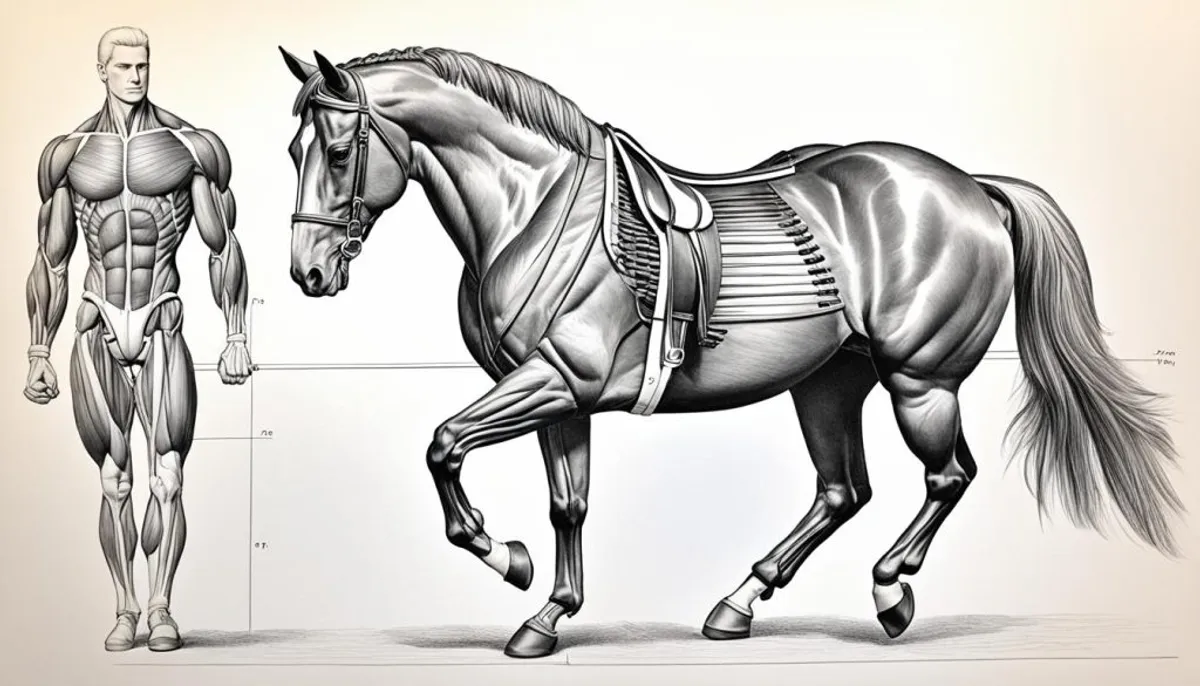
Main Points to Remember
- Horseback riding engages many muscle groups symmetrically
- It strengthens both deep and superficial muscles
- Regular practice of horseback riding tones the abdominal and back muscles
- It also contributes to the firming of the legs and glutes
- Horseback riding also mobilizes the muscles of the arms and shoulders
Horseback Riding, a Complete Sport for Overall Muscle Strengthening
Horseback riding is more than just a leisure activity. It is a complete sport that works the entire body. Whether you are a beginner or an experienced rider, horseback riding strengthens your muscles in a balanced way.
The Muscle Groups Engaged by Horseback Riding
Many muscles are used in horseback riding. They help with balance, directing the horse, and staying in the saddle. Your abdominal, back, glute, leg, and arm muscles are all engaged. This strengthens your body as a whole.
Horseback Riding Strengthens Deep and Superficial Muscles Symmetrically
The movements of the horse work your deep and superficial muscles in a balanced manner. This is crucial for your health and performance. You will have better posture and more stability, which are essential for horseback riding.
Shape Your Abs and Strengthen Your Back While Riding
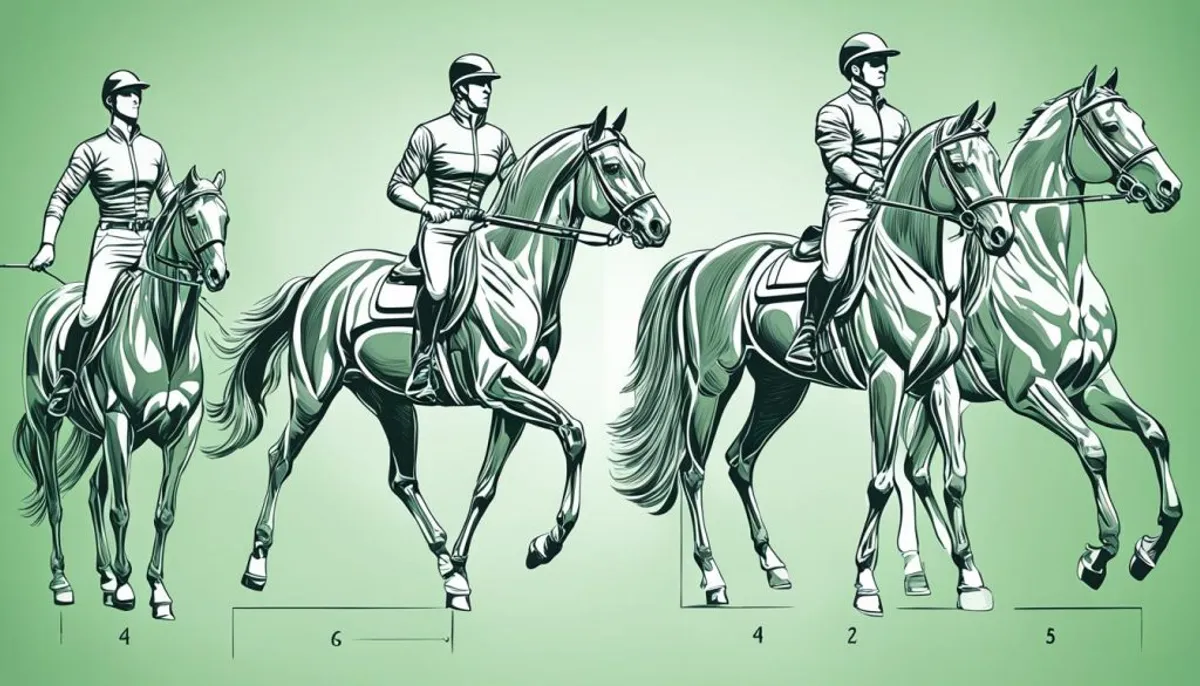
Horseback riding engages the abdominal muscles, such as the rectus abdominis, obliques, and transverse muscles. These muscles, along with those of the back, help riders find balance and good posture. Thus, horseback riding is beneficial for the health of the back.
How Horseback Riding Engages the Abdominal Muscles
While riding, the abdominal muscles are crucial for distributing weight and maintaining good posture. Regular practice of horseback riding naturally strengthens this area, offering numerous benefits for muscle strengthening.
The Benefits of Horseback Riding for Back Health
In the saddle, the back muscles are engaged to stay upright and adapt to the horse's movements. Horseback riding works the back muscles, strengthening the lumbar musculature and protecting the spine. It also prevents back pain.
Whether you are a beginner or an experienced rider, horseback riding helps you naturally shape your abs and strengthen your back. This equestrian activity improves your posture, balance, and overall well-being.
Tone Your Legs and Strengthen Your Glutes Through Horseback Riding
Get on your mount and prepare to sculpt dream legs and glutes! Horseback riding is a sport that engages many muscles. Your legs and glutes work hard to help you stay balanced and stable in the saddle.
The calves, hamstrings, and adductors are essential for communicating with the horse and absorbing shocks. The gluteus maximus, gluteus medius, and gluteus minimus also strengthen, aiding your stability.
Horseback riding is a great way to tone your legs and strengthen your glutes. It gives you a beautiful and balanced silhouette. Whether you are a beginner or an experienced rider, this sport will help you become stronger, more enduring, and more powerful.
| Muscles Targeted by Horseback Riding | Beneficial Effects |
|---|---|
| Calves (gastrocnemius), hamstrings, adductors | Balance, stability, communication with the horse, shock absorption |
| Gluteus maximus, gluteus medius, gluteus minimus | Maintaining stability in the saddle |
Horseback Riding: Which Muscle is Worked?
Horseback riding is a complete sport that works many muscles. The arms and shoulders are essential, even if they are not the most engaged. They help maintain the connection with the horse and guide it.
The Muscles of the Arms and Shoulders in Action While Riding
In the saddle, your arms and shoulders work to control the horse. They help you stay balanced and steer precisely. Horseback riding: which muscle is worked? The arms in horseback riding and shoulders in horseback riding are key to mastering your mount.
Stable Maintenance: A Complementary Muscle Strengthening
Horse care and stable maintenance also strengthen the arms and shoulders. Grooming, cleaning, and carrying buckets engage these muscles. This provides additional strengthening alongside horseback riding.
The arms and shoulders may not be the most engaged, but they are crucial for controlling the horse. They also benefit from strengthening through stable care.
Conclusion
Horseback riding engages and strengthens all muscle groups, from abdominals to glutes. It also affects the back, legs, and arms. It is a complete sport that helps to build muscle or maintain physical condition without the need for intensive training.
By practicing horseback riding, all muscles work in a balanced manner. This includes both deep muscles and superficial muscles. You develop strength, endurance, and flexibility. Whether you ride for leisure or competitively, you will enjoy these physical benefits.
Caring for your mount with passion and regularity is essential. This will help you maintain your fitness and physical condition in a fun way. Your balance, posture, and agility will also improve, facilitating your progress in horseback riding.
FAQ
What are the main muscle groups engaged in horseback riding?
Horseback riding works the trunk, leg, and arm muscles. This includes the abdominals, back, glutes, quadriceps, hamstrings, and shoulder and arm muscles.
How does horseback riding strengthen muscles in a balanced way?
The movement of the horse works the muscles in a balanced manner. This improves the rider's balance and stability.
What are the benefits of horseback riding for the abdominal muscles and back?
Horseback riding strengthens the abdominal muscles, helping to find good balance. It also works the back muscles, strengthening the spine and preventing back pain.
How does horseback riding tone the legs and glutes?
While riding, the leg muscles are engaged for balance and stability. The glute muscles also develop, helping to maintain stability in the saddle.
Which arm and shoulder muscles are engaged during horseback riding?
The arms and shoulders are essential for directing the horse via the reins. They also help adjust the center of gravity. Stable maintenance strengthens these muscles.