
Your equine companion can, just like us, face health issues that affect their daily life. The skin often serves as the first warning sign.
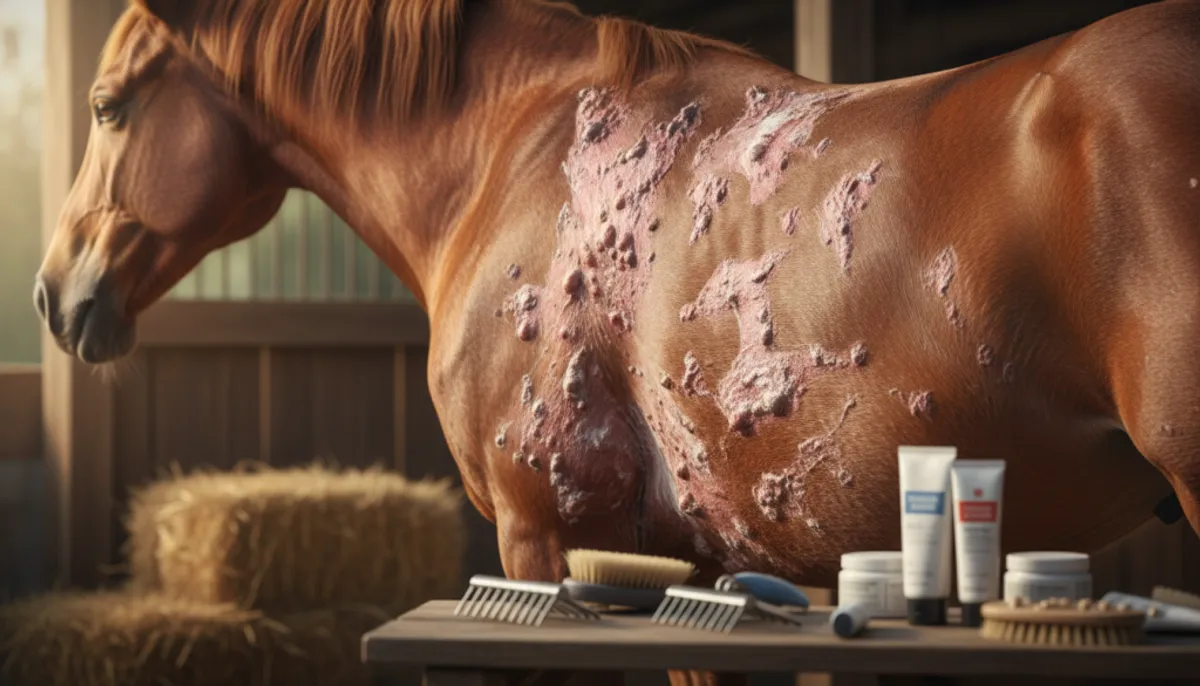
A dull coat, patches, persistent itching, or hair loss are signs not to be overlooked. These manifestations can reveal a deeper skin discomfort.
Understanding the origin of these conditions is essential for acting quickly and effectively. The causes are numerous: environment, allergies, parasites, or internal imbalances.
This guide accompanies you to decode the symptoms, identify triggering factors, and discover suitable solutions. Protecting your animal's well-being begins with careful observation.
Key points to remember
- Skin health is an excellent indicator of the overall condition of the animal.
- Early detection of symptoms allows for more effective management.
- The origins of skin disorders are varied (environment, allergies, infections).
- A precise diagnosis by a professional is essential for targeted treatment.
- Preventive measures exist to limit the risks of occurrence.
- Regular observation of your horse's coat and behavior is crucial.
- Do not hesitate to consult a veterinarian at the first signs of alert.
Introduction to skin problems in horses
The skin of your mount is much more than just a simple covering; it reveals the state of its organism. According to current veterinary observations, skin condition is an essential indicator of the animal's overall health.
Presentation of the subject and its importance
This natural barrier is constantly exposed to external aggressions. Dust, parasites, and weather conditions can alter its integrity.
An untreated condition quickly impacts your companion's morale and athletic performance. Vigilance is therefore paramount.
Context and stakes for equine well-being
Owners must regularly observe the texture and appearance of the coat. A change can signal an imbalance.
Understanding the basics of equine dermatology allows for anticipating complications. This ensures a better quality of life for equines.
The main stakes are:
- Maintaining the protective function of the skin.
- Acting early in response to the first signs.
- Adapting the environment to limit risks.
A proactive approach is essential. It preserves this faithful mirror of your horse's internal state.
Understanding horse skin problems
Various skin diseases frequently affect equines, each with its specificities. Understanding these pathologies allows for appropriate and rapid action.
Definition and types of skin diseases
The range of conditions is broad. It ranges from simple irritations to complex fungal infections.
The RESPE, monitoring network, actively tracks the evolution of these pathologies in horses. These sensitive animals react to allergens, parasites, and climate.
Each skin problem has its own characteristics. A veterinary diagnosis is therefore essential for targeted treatment.
Why early diagnosis is essential
Identifying signs as they appear is crucial. This prevents rapid spread within a stable.
A healthy animal has supple skin. Any anomaly should be a warning signal.
Acting quickly with the help of a professional preserves your companion's well-being. It also ensures the effectiveness of the care provided.
Symptoms and warning signs
Skin manifestations in equines are varied, and their rapid recognition is key to effective management. Careful observation during daily care allows for early detection of these indicators.
Itching, lesions, and hair loss
Intense itching often drives the animal to rub vigorously. This behavior exacerbates the lesions and can create wounds.
Localized hair loss is a major clinical sign. It often accompanies allergic reactions or infections.
Skin lesions often manifest as circular areas without hair. This form is typical of certain fungal infections.
Variations according to conditions
Visible symptoms change depending on the underlying pathology. Summer dermatitis causes severe itching, especially at the base of the tail.
Ringworm shows round, scaly patches. Sarcoids form persistent skin masses.
| Condition | Main Symptoms | Appearance of Lesions | Frequent Location |
|---|---|---|---|
| Summer dermatitis | Severe itching, hair loss | Redness, crusts, thickening | Mane, base of the tail, belly |
| Ringworm (Dermatophytosis) | Circular hair loss, scales | Round patches, clear edges | Head, neck, back |
| Sarcoids | Skin masses, sometimes ulcerated | Nodes, warts, flat plaques | Belly, limbs, head |
Causes and contributing factors
The appearance of a skin condition in your mount rarely has a single origin. Several factors, both internal and external, often combine to create a favorable ground for imbalances.
Allergies, infections, and environmental factors
Allergies are a major trigger. Bites from midges or the presence of dust and pollen in the environment can provoke violent reactions.
A bacterial or fungal infection easily establishes itself on weakened skin. Persistent moisture in soils or stalls is one of the key factors for their development.
The impact of hygiene and climate
Climate change also alters the risks. Dry summers followed by very humid winters favor the emergence of new pathologies in horses.
Insufficient hygiene in living areas is another aggravating factor. A soiled bedding or poorly maintained stall becomes a breeding ground for parasites.
The first line of defense relies on simple measures:
- Maintain a clean and especially dry environment.
- Regularly observe the skin and coat of your horses.
- Daily ventilate the stabling areas.
Acting on these elements significantly limits exposure to pathogens.
Details of main skin diseases
From summer dermatitis to sarcoids, the spectrum of epidermal pathologies is broad. Knowing their distinctive signs allows for precise action.
Summer dermatitis and mud fever
The recurrent equine summer dermatitis (DERE) occurs from April to October. It triggers severe itching at the neck and base of the tail.
Mud fever, or dermatophilosis, forms characteristic crusts on the limbs. The bacterium Dermatophilus congolensis proliferates in humid areas.
Dermatophytosis, dermatophilosis, and other conditions
Ringworm (dermatophytosis) is highly contagious. It causes hair loss in circular patches on the body.
Sarcoids are benign skin tumors. They represent 20% of tumors in young horses.
Melanomas affect more than 80% of older gray equines. Veterinary monitoring is crucial in these cases.
| Disease | Causal Agent / Type | Main Symptoms | Typical Location |
|---|---|---|---|
| Summer dermatitis (DERE) | Allergy to midge bites | Intense itching, hair loss, redness | Neck, tail, belly |
| Mud fever (Dermatophilosis) | Bacteria (Dermatophilus congolensis) | Thick crusts, oozing | Limbs (pasterns) |
| Ringworm (Dermatophytosis) | Fungus | Circular hairless patches, scales | Head, neck, back |
| Sarcoids | Benign tumor | Skin masses (nodes, warts) | Head, neck, belly |
| Melanomas | Tumor (pigmented) | Black nodules under the skin | Perineum, tail, parotid region |
Therapeutic approaches and natural treatments
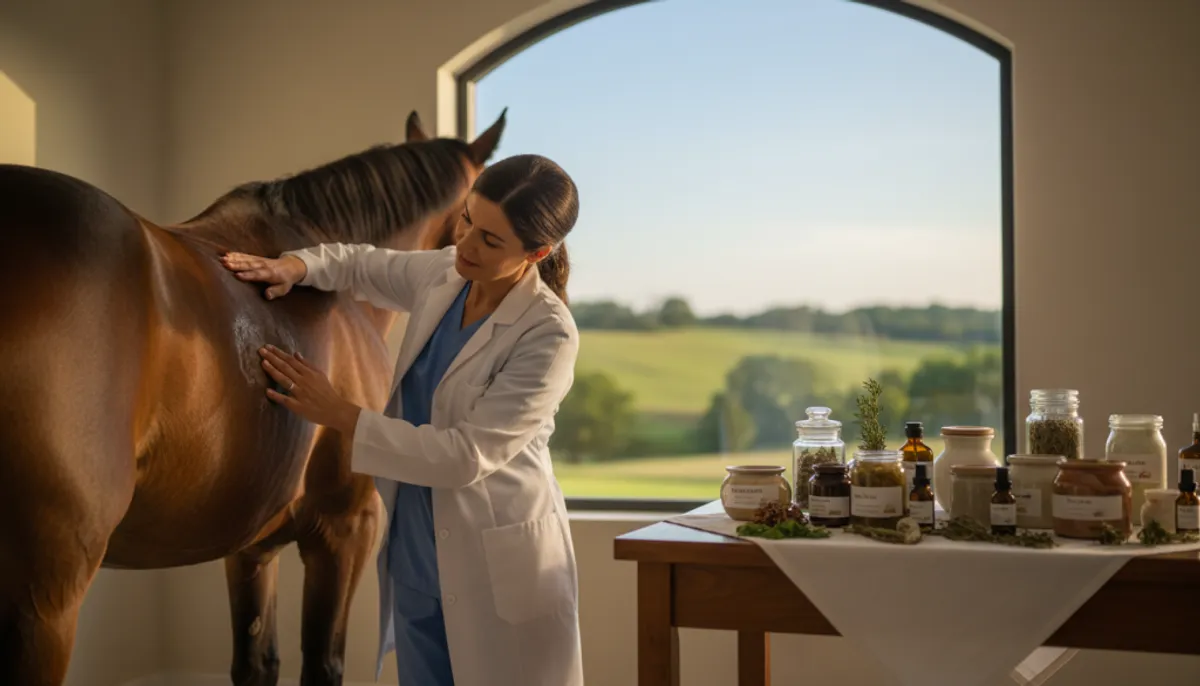
The treatment of a skin disorder relies on an adapted strategy, sometimes combining conventional medicine and gentle solutions. The goal is to soothe discomfort and address the underlying cause.
Topical solutions and antifungal treatments
For severe itching, the veterinarian often prescribes products to be applied locally. These lotions or ointments quickly soothe irritation.
Against ringworm, the use of antifungals is essential. They come in the form of lotions or tablets.
In cases of dermatophilosis on the limbs, meticulous cleaning with antiseptic soap is crucial. This removes crusts and prevents superinfection.
Veterinary interventions and herbal treatments
In complex cases, veterinary intervention may be necessary. Systemic medications combat the infection from within.
Natural products offer a gentle alternative. Some vegetable oils soothe the irritated skin of sensitive horses.
Herbal supplements support the animals' immunity. They help the body fight against diseases.
Following professional recommendations prevents infections from becoming chronic. This vigilance protects your horse's long-term health.
The role of the environment and hygiene
Preventing skin conditions primarily involves rigorous control of your equine's living environment. A healthy setting significantly limits risks.
Action on these two pillars is simple but requires consistency. It effectively protects your mount.
Importance of stalls and sanitation
Daily cleaning of stalls is fundamental. Removing wet bedding drastically reduces the proliferation of mites and other pathogens.
A clean and well-dried environment is essential. It prevents mud and limits exposure to disease agents.
Regular ventilation of living areas complements this approach. It maintains a healthy atmosphere for all horses.
Grooming rituals and daily care
Complete grooming allows for a thorough inspection of the epidermis. It enables early detection of insects or small lesions.
Disinfecting equipment after each use prevents cross-contamination. This habit protects all the horses in the stable.
The use of anti-insect blankets forms a very effective physical barrier. It protects against bites responsible for many allergies.
| Preventive Measure | Main Target | Recommended Frequency | Impact |
|---|---|---|---|
| Cleaning the stall | Mites, moisture | Daily | Drastic reduction of pathogens |
| Complete grooming | Skin inspection, insects | Daily | Early detection of skin problems |
| Anti-insect blankets | Midges, horseflies | Seasonal (spring/summer) | Protection against allergies |
| Disinfection of equipment | Cross-contamination | Weekly | Limits the spread of conditions |
High-end products made in France by La Sellerie Française
La Sellerie Française embodies artisanal excellence in the service of equine health. This brand offers you unique products, made from A to Z in France by the best artisans.
This is a true commitment to the quality and well-being of your horses. Each creation is designed to last and protect.
Quality of materials and artisanal know-how
Complete manufacturing in France ensures a rigorous selection of raw materials. Technical textiles and soft leathers are chosen for their softness and durability.
This unique artisanal know-how limits friction. It thus prevents skin irritations often caused by unsuitable equipment.
In the case of a sensitive horse, this attention to detail makes all the difference. The skin remains healthy and comfortable.
Examples of suitable accessories and care
Among the flagship products, there are custom anti-insect blankets. They form an effective physical barrier against allergens.
Work wraps and natural fiber pads allow for excellent breathability of the epidermis. They prevent moisture accumulation.
Investing in this equipment means giving the best to your companion animals. You also support local craftsmanship while protecting your mount's skin.
Case study: management of summer dermatitis
A practical example perfectly illustrates the importance of a preventive strategy against allergic reactions to insects. Managing this condition requires constant protection throughout the summer period.
Specific symptoms and targeted interventions
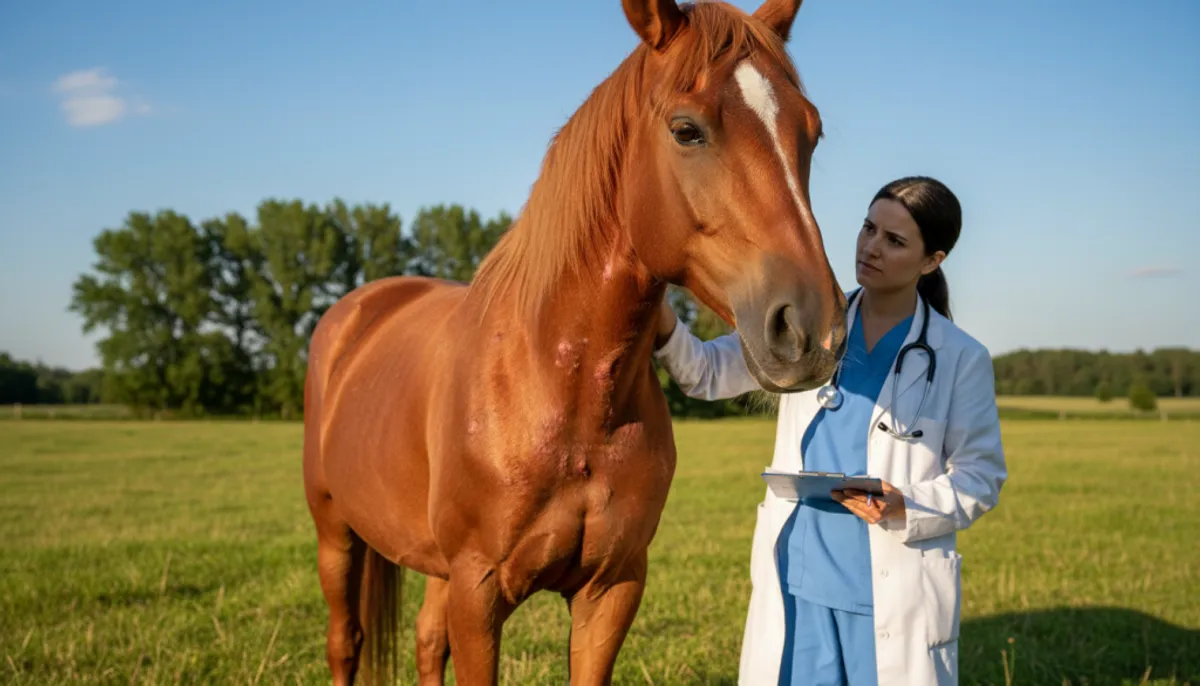
In this situation, the equine presented significant hair loss on the neck. This alopecia resulted from repeated insect bites.
The symptoms included oozing lesions. They caused very intense itching.
A daily application of soothing lotions was instituted. This topical care relieved the animal's immediate discomfort.
Feedback and practical recommendations
The use of a full blanket changed the game. It drastically reduced insect bites.
This case shows that prevention is key for horses suffering from chronic summer dermatitis. Increased monitoring of the skin allows for adjustments in interventions.
It also prevents the aggravation of wounds due to scratching. This vigilance protects the well-being of sensitive animals.
| Action Implemented | Main Objective | Observed Result |
|---|---|---|
| Application of soothing lotion | Relieve itching and dry lesions | Visible reduction of inflammation within 48 hours |
| Wearing a full blanket | Physical barrier against biting insects | Drop of over 80% in new bites |
| Daily monitoring of the coat | Early detection of new irritated areas | Faster and more targeted interventions |
Practical tips for monitoring and protecting your horse
Good daily reflexes allow for the rapid detection of warning signs of a skin disorder. A simple routine ensures the protection of your mount.
Signs to observe and frequency of checks
The RESPE recommends regular inspection of the limbs and head. These areas often host the first anomalies.
It is advisable to check more often during seasonal changes. This helps anticipate the most common diseases in horses.
Skin problems can be varied. Watch for any hair loss, redness, or change in coat texture.
When to consult a veterinarian
Consulting a veterinarian is essential if crusts or lesions persist. Professional advice is crucial for appropriate care.
Conditions in horses can be avoided through rigorous hygiene. Constant monitoring of the animal remains the best prevention.
There are different types of care that can be applied. Your veterinarian will guide you towards the most effective treatment for your companion.
Conclusion
Constant attention and simple gestures are your best assets to preserve your equine's protective barrier. Rigorous hygiene of their environment complements this preventive approach.
Quickly spotting a change in the epidermis allows for targeted intervention. Consulting a veterinarian at the first signs ensures appropriate care and lasting healing.
The best prevention against recurring conditions remains this vigilance combined with good practices. It preserves your companion's comfort over time.
Caring for your horse's skin is a true investment. It ensures their vitality and strengthens your bond for many years.
FAQ
What signs should alert me to a skin problem in my equine?
Watch for intense itching, localized hair loss, the appearance of crusts or lesions. Red patches, especially on the head, neck, or back, and a dull coat are also warning signals. A quick consultation with a veterinarian is recommended.
Is summer dermatitis and mud fever common?
Yes, they are among the most common conditions. Summer dermatitis is a severe allergic reaction to insect bites. Mud fever (dermatophilosis) is a bacterial infection favored by persistent moisture in the limbs.
Can my animal catch ringworm?
Absolutely. Ringworm is a highly contagious fungal infection. It manifests as round hairless areas and can be transmitted to other animals and sometimes to humans. Isolation and antifungal treatment are necessary.
How does the environment influence skin health?
Factors such as humidity, mud, insects, and dirty bedding are major triggers. A clean and dry environment, with good parasite management, is crucial to prevent many diseases.
Are there suitable care products to prevent these issues?
Yes, quality products make a difference. La Sellerie Française offers gentle grooming accessories and protections like anti-insect blankets, designed with artisanal know-how for your companion's comfort and protection.
When should I absolutely call an animal health professional?
Consult without delay if symptoms worsen rapidly, if lesions ooze, or if your equine shows signs of pain. A precise diagnosis by a veterinarian is essential for effective treatment and to avoid complications.