
The horseshoe is much more than just a simple object. It is seen on doors, given at weddings, or worn as jewelry. It symbolizes luck and protection throughout the centuries with elegance.
The horseshoe combines two elements for its protective strength. The iron, which wards off evil, and its crescent shape. Pliny the Elder already praised its benefits in the first century. Today, whether fixed to the stable or transformed into jewelry, it retains its recognizable appearance.
In the home, it symbolizes attention and history during important moments. In equestrianism, even if the material changes, the symbol remains. It is often placed above doors, a guardian against the evil eye, according to popular traditions.
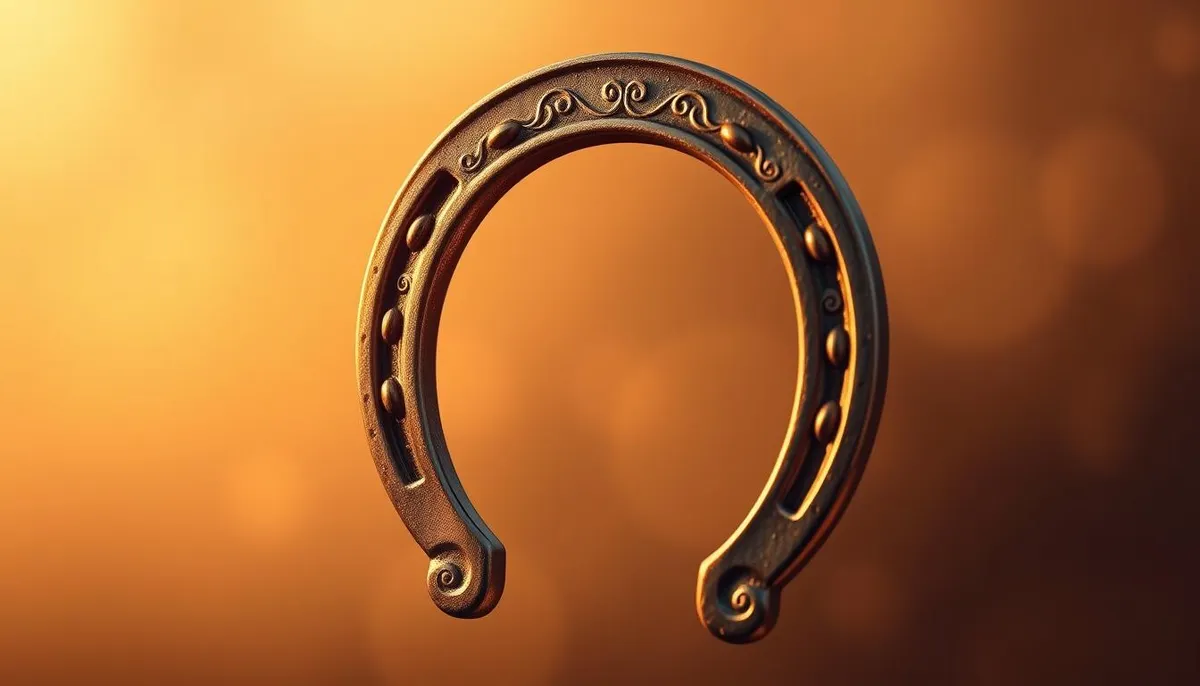
This guide takes you to discover the history and importance of the horseshoe. You will learn to choose a piece that combines history, beauty, and meaning.
Key Points
- The horseshoe is an ancient lucky charm, linked to luck and protection.
- Its symbolism comes from the protective iron and the crescent shape inherited from Rome.
- Pliny the Elder mentions its beneficial virtues as early as the 1st century.
- Placed above the door, it is said to ward off the evil eye according to popular beliefs.
- Between tradition and equestrianism, materials have evolved without altering the icon.
- Current use: decoration, wedding gifts, and elegant style jewelry.
Origins and Symbolism of the Horseshoe in Popular Beliefs
The horseshoe has a long history, moving from antiquity to our homes. With its unique shape and solid material, it symbolizes protection, luck, and fertility. A simple iron arc can become a symbol of luck in many regions.
Ancient Roots: Greeks, Roman Lunula, and Fertility Symbolism
For the Greeks, a crescent evoked the moon and promised fertility. The Romans wore a lunula to attract good fortune. Pliny the Elder already explained the importance of these lunar symbols.
From these ancient beliefs, the idea that a curved shape can capture luck was born. The iron, worked with fire, seemed to control the mysterious. Thus, it became a symbol of good fortune, loved by all.
Transmission to Christianity: Protection Against Evil and the Devil
With Christianity, the "C" shape of the iron was seen as a sign of Christ. It was supposed to repel evil and witchcraft. Hanging a horseshoe at the entrance became a protection against the devil.
The iron, solid and durable, represents unwavering faith. In homes, it protected against the evil eye, blending ancient and Christian beliefs.
The Role of the Number Seven and Holes as a Lucky Charm
Horseshoes often have seven holes, symbolizing luck. This number evokes the days of the week and the seas of the world. Each hole and nail represents a wish or an important moment.
This organization is not by chance but an invitation to luck. The number seven links the object between superstition and tradition, giving it a special place in the home.
From Superstition to Universal Symbol of Luck
From antiquity to the medieval era, the horseshoe traveled from Ireland to the Middle East. Its simple shape became a universal symbol of luck.
Oral transmission and traditions solidified its reputation. It represents more than luck: fertility, protection, a legacy that transcends superstition to become a common symbol.
horseshoe
The horseshoe has two main roles. In farriery, it protects the hooves of horses. It also ensures better grip for equestrianism. But in everyday life, it is a lucky charm. It is seen as a symbol of luck and protection in front of homes.
Historically, it was made of forged iron. This material was chosen to ward off the evil eye. Modern horseshoes can be made of aluminum or even precious metals for jewelry. But they still maintain that special shape inspired by the ancient Chaldeans.
Horseshoes are hung above doors or worn as jewelry. They are also a traditional gift for special occasions. If you find a horseshoe by chance, it is believed to bring more luck than buying one.
Horseshoes often have seven holes, a lucky number. In equestrianism, they are adapted to the needs of the horses. This practice remains true to the tradition of forged iron and expertise in farriery.
| Aspect | Use | Material | Shape / Details | Perceived Benefit |
|---|---|---|---|---|
| Hoof Protection | Farriery and equestrian sports | Steel, forged iron, aluminum | Technical profile, pins, clips | Grip, comfort, durability |
| Domestic Talisman | Above the door | Forged iron | Chaldean crescent, 7 holes | Lucky charm, luck, protection |
| Jewelry and Accessories | Pendants, bracelets | Silver, gold, steel | Miniature, smooth or engraved | Elegance, everyday talisman |
| Rituals and Gifts | Weddings, births, housewarmings | Forged iron or polished metal | Original nails preserved | Lasting luck, living tradition |
Legends and Superstitions Surrounding this Lucky Charm
From Ireland to the Mediterranean, stories make the horseshoe a symbol of protection. It represents a union between superstition and craftsmanship. It is against the evil eye and hidden forces.
Saint Dunstan and the Promise Extracted from the Devil
Saint Dunstan, a blacksmith who became an archbishop, is said to have trapped the devil with a horseshoe. He only released him after obtaining a promise. The devil vowed never to enter a house protected by a horseshoe. This story reinforced the idea of protection in people's minds.
The Protective Power of Iron Against Witches, Fairies, and the Evil Eye
In the Middle Ages, iron was believed to repel witches and keep fairies away. In the Levant, its crescent shape fights against the evil eye. These stories, passed down from generation to generation, perpetuate the superstition surrounding the horseshoe.
Finding a Horseshoe vs. Buying One: Beliefs and Practices
Finding a horseshoe confers more "vitality" than buying one. Especially if it still bears nails, it is believed that its protection is stronger. People often clean found horseshoes, bless them, and hang them to attract luck.
Position at the Entrance of the House: Points Up or Down
If the points are up, they keep the luck. Down, they share luck with visitors. These discussions are found near racetracks and in English pubs. They testify to a living superstition linked to legend, protection, and cultural heritage.
Materials, Shapes, and Evolution Between Tradition and Equestrianism
The horseshoe has evolved from forged iron to lightweight alloys. It retains its important symbolism. Farriers adapt the model to the horse's hoof. Modern equestrianism aims for performance. Crescent shapes, known as Chaldean shapes, continue to captivate. They are linked to the magnetism of the metal.
From Forged Iron to Modern Alloys in Equestrianism
Forged iron is renowned for its strength. Aluminum, being lighter, is preferred for racing. Tempered steel is chosen for its resistance on various terrains.
The choice of material depends on several factors. Outdoors, durability is sought. On track, lightness is essential. Farriery takes each horse into account.
Chaldean Shapes, Therapeutic Shoes, and Farrier Variants
The Chaldean shape resembles a moon. "Bar" shoes support the heel. Some therapeutic shoes have special features for the horse's health.
The number of holes is adjusted for good balance. The goal is comfort and injury prevention. This helps the horse feel better.
Symbolism of the Material and Magnetism in Beliefs
The iron from the forge is seen as protective in folklore. Its magnetism is reputed to influence energies. This symbolism coexists with its practical utility.
There were horseshoes made of gold or silver for prestige. But forged iron remains the main symbol. It symbolizes identity, craftsmanship, and heritage.
The Horseshoe in the Home: Decoration, Protection, and Energy
The horseshoe combines tradition and modernity in our homes. It brings protection, good energy, and a unique style. Whether in Ireland or Paris, this lucky charm is always well-regarded.
Quick Tip: Clean it well, then think of your wishes while hanging it. A simple gesture for a great effect, according to feng shui.
Above the Front Door to Repel Spirits
If you hang it above the entrance, it protects your home. Points up, it captures luck; points down, it shares luck with visitors. Placing two horseshoes together amplifies these benefits right from the entrance.
This tradition transcends borders: in the USA, it keeps ghosts away; in England, it soothes the nights. The important thing is to do it in harmony with your decor.
Decorative Styles: Rustic, Minimalist, Elegant
For a rustic effect, a weathered forged iron horseshoe is perfect. It harmonizes with wooden doors and enriches an entrance. In minimalist style, choose shiny metal and clean shapes for a modern touch.
For an elegant look, prefer finishes in brass, nickel, or silver. Framing the horseshoe or engraving initials makes it unique. It makes a beautiful gift and decorates wonderfully.
Feng Shui and Association with Other Lucky Charms
In feng shui, place it at the entrance with the points up. This keeps luck inside. Add a blue eye or a clover for extra protection.
The harmony between the material of the horseshoe and the decor is key. A coherent and meaningful decoration makes a house more welcoming.
The Horseshoe in Jewelry and Accessories
The horseshoe is a classic in jewelry. It symbolizes rural tradition and simple elegance. This motif is loved for its luck and versatile style, ranging from urban daily wear to equestrian outfits.
Pendants, Rings, and Bracelets as Contemporary Talismans
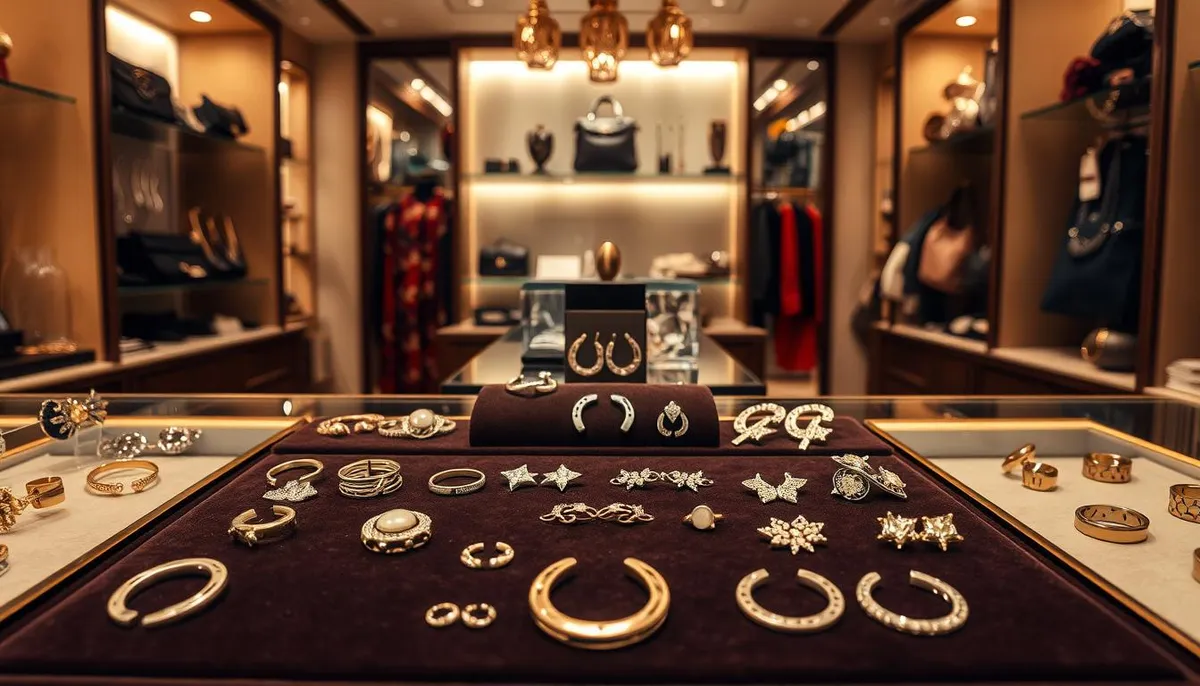
Gold or silver pendants are small talismans. With diamonds, sapphires, or onyx, brands like Cartier or Chaumet make them modern while retaining their lucky charm aspect.
Rings and bracelets draw inspiration from the horseshoe for their shape. They are perfect for everyday wear, whether simple or combined. They pair well with earrings, necklaces, and even men's accessories, such as tie clips or belt buckles.
Weddings, Anniversaries, Births: A Gift Full of Meaning
Giving a horseshoe pendant for a wedding follows Irish and Greek traditions. With a personal engraving, it becomes a unique gift for a birth or an anniversary.
A simple bracelet for turning 18, a ring to celebrate a success, or a pendant for a new life. Each piece of jewelry represents a wish for long-term happiness and elegance.
Precious Metals and Stones: When Elegance Reinforces Symbolism
Yellow gold symbolizes wealth, while white gold and platinum offer a fresh look. Silver is a reminder of the authenticity of stables. Colored stones add special meanings, such as serenity or prosperity, and diamonds add a touch of protection.
Choosing a delicate bracelet, a unique ring, or a traditional pendant highlights this lucky symbol. It becomes an icon of style and meaning.
Cultural Uses and Beliefs Around the World
The horseshoe is seen as a lucky charm everywhere, from the countryside to cities. Its shape is linked to ancient rites and recent uses. It can be found from Ireland to the Middle East, including in medieval Europe and the equestrian tradition in France.
Ireland, England, and Medieval Europe
In Ireland, it is placed above the door for luck. A bride may even wear a small one for extra happiness. In England, it is believed to ward off bad dreams and unwanted visitors.
In medieval Europe, there was the legend of Saint Dunstan. It was believed that the horseshoe repelled witches and protected the home along with other amulets.
Middle East, Chaldeans, and Protection Against the Evil Eye
In the Middle East, its crescent shape is used against the evil eye. The Chaldeans saw it as a symbol of good energies and a reminder of the cycles of nature.
This view is shared in ancient Greece and Rome. The lunula and other amulets were linked to fertility, wealth, and protection.
French Influences and Equestrian Tradition
In France, it is popular due to the equestrian tradition and farriery. It is traditionally fixed above the door, following the customs of Ireland and England.
Whether in workshops or racetracks, its orientation – U-shaped or upside down – is debated. This shows how deeply it is rooted in our practices and daily symbolism.
Choosing a Characterful Horseshoe with La Sellerie Française
At La Sellerie Française, each horseshoe is unique. It tells its story through forged iron and the color of the patina. These high-end objects are made to last. They symbolize elegance and high quality.
High-end pieces, made in France, crafted from start to finish
La Sellerie Française is committed to made in France. Everything, from the selection of metal to the finishing, is French. Each step guarantees beauty and technical quality. The final pieces are durable, well-balanced, and elegant.
Custom or limited series by the best French artisans
You can choose according to your tastes. Whether for a special event or limited series, anything is possible. The French artisans focus on quality and detail.
Authenticity, forged iron, and exceptional craftsmanship
The forged iron and choices of metal and patina bring a special touch. You can add initials or dates to personalize each piece. This showcases the true craftsmanship of La Sellerie Française and its commitment to authenticity.
| Criterion | La Sellerie Française | Benefit for the Buyer |
|---|---|---|
| Origin | Complete made in France production | Clear traceability and quality assurance |
| Material | Preference for forged iron and noble metals | Durability, visual presence, and authentic feel |
| Finish | Carefully crafted patinas, polished edges, sharp engravings | Refined aesthetics, decorative or ritual use |
| Creation Method | Workshops of French artisans | Recognized craftsmanship, precise details |
| Formats | Custom and limited series | Unique piece, strong identity, lasting value |
| Uses | Entrance, living room, ceremonial gift, jewelry | Symbolic protection and daily elegance |
Whether to beautify the entrance, give a unique gift, or add a personal touch, choosing La Sellerie Française means opting for style. With its commitment to made in France and the work of French artisans, it sets a standard for high-end quality.
Conclusion
The horseshoe binds material and memories. The iron symbolizes protection, its shape evokes antiquity. Tradition unites Greeks, Romans, and Christianity. Legends, like that of Saint Dunstan, enrich this symbolism. Thus, it has become a symbol of luck through the ages.
It represents luck and protection against evil. It is said that its seven holes bring good fortune, and it wards off evil spirits. Placed at the entrance, its direction has significance. Associated with other amulets, it doubles its protective power.
In equestrianism and design, it appears modern. It evolves, from forged iron to jewelry, without forgetting traditions. In decor, it beautifies walls and doors, bringing elegance and good fortune.
Giving a horseshoe is to offer hope and protection. It attracts equestrian enthusiasts and those who love objects full of history. La Sellerie Française creates unique pieces, blending tradition and luck with elegance.
FAQ
Why is the horseshoe considered a universal lucky charm?
It derives its strength from iron, which wards off evil, and its crescent shape, which comes from the Roman lunula. It symbolizes protection and luck, which is why it is found above doors, as jewelry, or given as a special gift.
Where do the ancient roots of the horseshoe come from?
In Greece, its crescent shape symbolized fertility. In Rome, it was a sign of wealth, according to Pliny the Elder. Today, it is a symbol of luck in Europe and the Middle East.
How did Christianity adopt this symbol?
Early Christians saw it as a defense against evil. Its "C" shape reminded them of "Christ". Thus, it became a strong symbol in medieval legends.
What is the significance of the number seven and the nail holes?
Horseshoes often have seven holes, a lucky number (like the days of the week). Keeping the original nails is believed to enhance their protection.
Is the horseshoe a superstition or a shared symbol?
It is both. The superstition contributes to its aura, but it is recognized as a symbol of protection in several cultures, from Ireland to the Middle East.
What does the legend of Saint Dunstan tell?
A: Saint Dunstan, a blacksmith and archbishop, is said to have trapped the devil with a horseshoe. This story made the horseshoe a powerful protector.
Does iron have protective power against witches, fairies, and the evil eye?
Yes, European folklore says that forged iron wards off witches and fairies. Its shape, protective against the evil eye, is used as an amulet.
Is it necessary to find a horseshoe for it to bring luck?
Finding a horseshoe is considered luckier than buying one. Especially if it comes from a real horse and retains its nails. Intention and symbolism matter a lot.
How should it be oriented above the entrance door?
Placing the points up retains luck. Down, it spreads it to all. Some place two to combine the effects.
What materials and shapes exist between tradition and equestrianism?
Farriers now use lightweight metals like aluminum for racing. The horseshoe maintains a traditional shape, but some designs help care for the hooves.
Does the material have a "magnetism" in beliefs?
Iron is considered "magical" in Europe. It is said to stop negative energies, making it popular in beliefs and feng shui.
Where should a horseshoe be placed to protect the house?
It is traditionally placed above the entrance door. It can also decorate hallways and kitchens. Pair it with other symbols like the blue eye for extra protection.
What decorative styles match a modern interior?
It adapts to everything: rustic, minimalist, or elegant. Forged iron adds a warm touch to every interior.
Does feng shui recommend a particular orientation?
Yes, points up keep luck in the house. This applies especially to the entrance or living room. Other symbols are added to harmonize the energy.
Which horseshoe-shaped jewelry is most appreciated?
Pendants and bracelets in gold or silver, simple or with stones, are highly sought after. They offer protection and style in daily life against the evil eye.
For what occasions should a horseshoe jewelry be given?
For weddings, births, or a new home. It is a gift full of hope and luck, loved by riders and design enthusiasts.
Do precious metals enhance the symbolism?
Yes, they add to the prestige of the talisman. Nero himself had horseshoes made of gold. This shows that the material can intensify the symbolism without altering it.
Which regions have popularized this lucky charm?
Ireland and England for protection, medieval Europe with Saint Dunstan, and the Middle East against the evil eye. The usage varies from French countrysides to American races.
How does French tradition influence design?
French farriery favors a sober yet elegant approach. This includes the crescent shape and quality finishes, respecting the protective symbolism.
What does La Sellerie Française offer for a characterful horseshoe?
It offers luxury creations, made to measure in France. They combine authenticity, forged iron, and high-end finishes, for a true exceptional lucky charm.
Can a horseshoe be personalized at La Sellerie Française?
Yes. With engravings, choice of patinas, and custom dimensions. The goal is to offer beauty, meaning, and practical function.
Why choose French artisans for this symbol?
Their expertise guarantees superior quality, choice materials, and complete traceability. This ensures a durable and meaningful product, respectful of traditions and equestrianism.