
Do you dream of welcoming a horse into your life? This exciting adventure requires rigorous financial preparation. The well-being of your future companion depends on it.
The budget to consider is based on several elements. You need to think about the animal itself, the necessary equipment, the type of boarding chosen, and regular care.
This comprehensive guide details each expense category. From the initial acquisition to recurring costs, you will have a clear vision.
Making an informed and calm decision thus becomes possible. We accompany you in this important reflection.
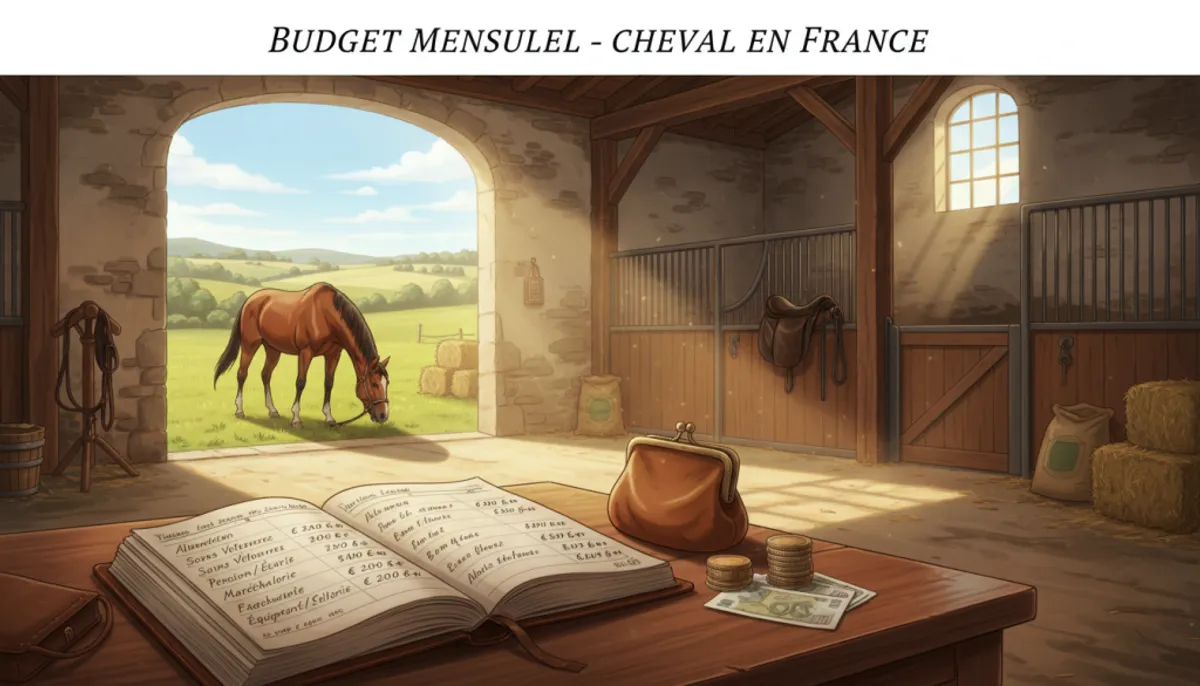
We will explore the different accommodation options. Essential veterinary care and required equipment will also be reviewed.
The goal is simple: to ensure a fulfilling life for your animal. For this, a precise understanding of costs is crucial.
Assessing your long-term financial capacity is essential. This responsibility is beautiful, but it requires adequate planning.
Key points to remember
- The financial commitment for a horse is significant and must be anticipated.
- Costs vary considerably depending on the type of boarding (stable, pasture, half-board).
- Veterinary care and farriery represent essential recurring expenses.
- Basic equipment (saddle, bridle, pad) requires an initial investment.
- Feeding and bedding constitute regular monthly expenses.
- Unexpected costs, such as veterinary emergencies, must be planned for.
- A realistic estimate ensures the animal's well-being over time.
Overview of the cost of a horse in France
The total cost of a horse in France consists of several distinct, fixed, and variable elements. Rigorous planning is key to calmly welcoming your future companion.
This overall vision allows you to anticipate long-term expenses. It thus guarantees the well-being of the animal.
Introduction to equine budgeting
Establishing an equine budget means mapping out all predictable and unpredictable expenses. The initial investment, the purchase price, varies greatly.
It depends on the breed, age, origins, and performance in competition. Style and character also influence this initial item.
The major expense categories
Several categories of recurring costs structure the monthly budget. Here they are:
- Accommodation: Boarding in a stable or pasture is often the heaviest expense.
- Feeding: Hay, pellets, and supplements meet the nutritional needs.
- Health: Veterinary care, farriery, and dental care are essential.
- Equipment: Saddle, bridle, and maintenance gear represent a starting investment.
- Protection: An appropriate insurance secures your project against unforeseen events.
Each owner must evaluate these items based on their project, whether for leisure or sport.
Elements influencing the budget
Before committing financially, it is crucial to understand the elements that influence expenses. Two initial decisions have a major impact on your budget.
The purchase of the horse and the veterinary visit
The purchase price is highly variable. A leisure horse can range from €2,500 to €5,000. For an animal intended for sport, expect to pay between €5,000 and €20,000.
A veterinary visit before the purchase is essential. A simple examination costs around €100. For a complete assessment with X-rays, the fee can reach €500.
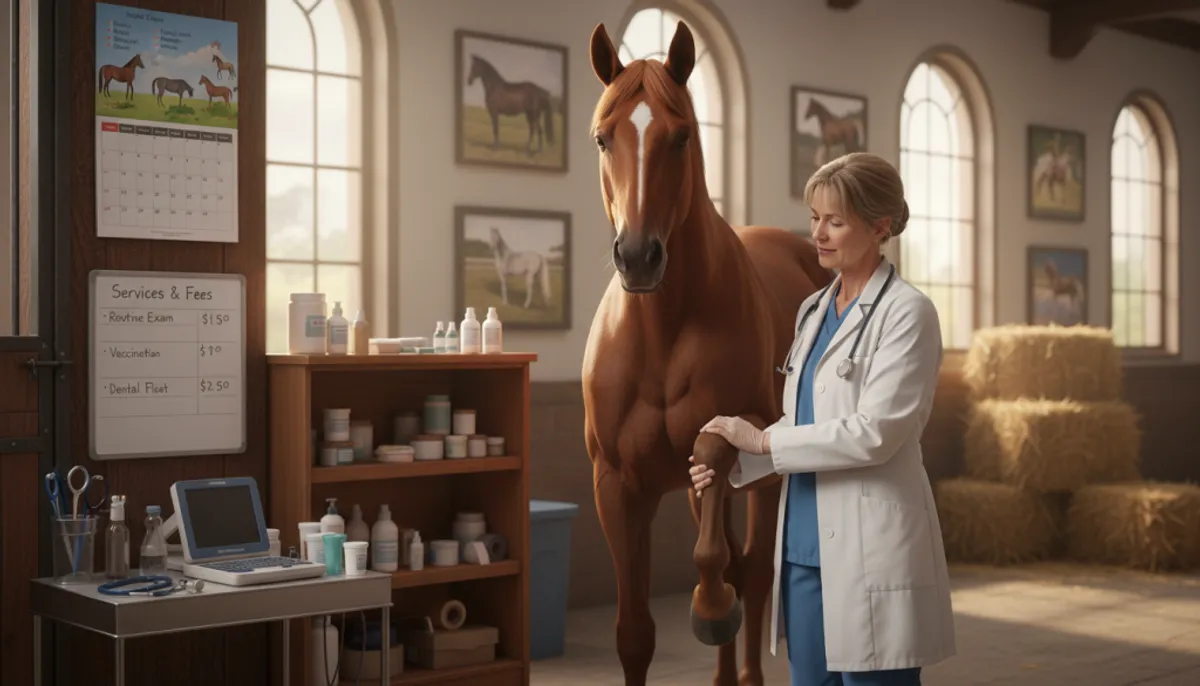
Don't forget the basic equipment. A saddle, bridle, and pad represent an investment of at least €500.
Choosing a horse based on breed, age, and use
The type of animal chosen determines its cost. A young horse requires more training time. An older and more experienced equine often has a higher price.
Its age and breed also influence the initial expense. A project for simple riding or competition changes everything. Clearly defining your project allows you to adjust this first expense item.
This reflection protects the future owner and ensures the animal's well-being.
Accommodation options and types of boarding
The living environment of your equine is a major decision that impacts its daily life and your finances. Three main solutions are available to you.
Pasture boarding versus stable boarding
Pasture boarding in a stable is often preferred. The animal lives in a herd, which corresponds to its natural way of life. Its well-being is thus favored.
Conversely, stable boarding offers superior comfort for the rider. The equine is sheltered from the elements. Included services, such as grooming, simplify the routine.
Advantages of home boarding
Welcoming your companion on your property requires space. You need to plan for at least one hectare of pasture per animal. For two equines, plan for two hectares.
The direct monthly budget is then reduced. You manage the feeding and hay yourself. This also involves initial costs for equipment and fencing.
The owner has total control over the environment and care. This is a time commitment that allows for a unique relationship.
| Type of accommodation | Required area | Estimated monthly budget | Main advantages |
|---|---|---|---|
| At home | 1 ha / animal | €100 to €150 | Total control, privileged relationship |
| Pasture boarding | Collective | €150 to €250 | Herd life, natural well-being |
| Stable boarding | Individual box | €350 to €600 | Comfort, included services, ease |
Monthly expenses: feeding, maintenance, and care
Keeping your companion in top shape involves specific recurring costs to anticipate each month. These ongoing expenses ensure its well-being and health on a daily basis.
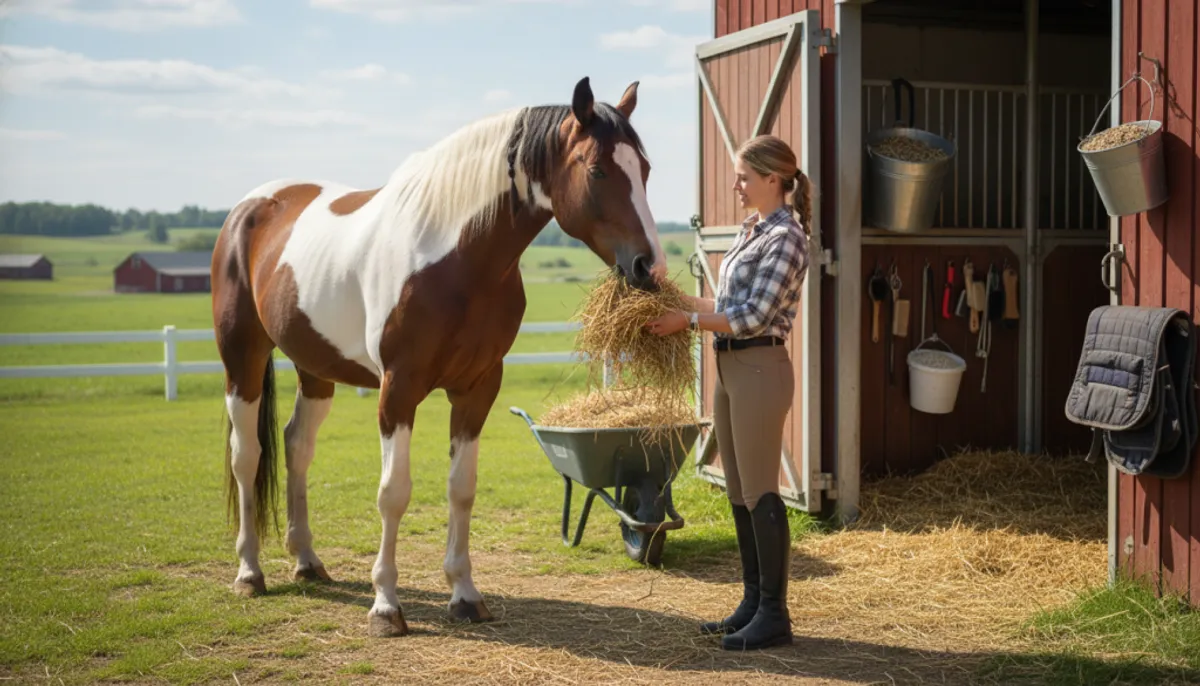
The cost of feeding and equipment
Feeding is fundamental. Quality hay and appropriate pellets make up the bulk of the ration.
You also need to plan for the purchase of maintenance equipment such as brushes and blankets.
Health costs and regular visits
Veterinary and professional care are essential. The farrier intervenes for shoeing or trimming every 6 to 8 weeks.
This costs between €50 and €100. Annual vaccinations protect against diseases. Their price ranges from €40 to €80 per year.
Wormers are administered 2 to 4 times a year. Each dose costs €20 to €30.
An annual visit to the equine dentist is recommended. Expect to pay €70 to €100.
The osteopath can also be consulted for mobility issues. Their price is similar.
Finally, a routine veterinary visit allows for a complete assessment. Its cost ranges from €100 to €200.
How much does a horse cost per month - Detailed budget
Managing the equine budget relies on a clear comparison between monthly and annual expenses. A detailed view allows you to adjust your choices and ensure an optimal quality of life for your companion.
Comparison between monthly and annual budget
The recurring costs each month form the basis of your planning. They typically include boarding, feeding, and bedding.
In addition, there are essential annual expenses. Veterinary care, farriery, and riding lessons require rigorous management of the overall budget.
Engaging in competition significantly increases this annual total. Entry fees and transport for competitions represent an additional item.
Estimating costs based on different maintenance options
The monthly price varies greatly depending on the chosen type of facility. Comparing available options is crucial to optimize your expenses.
A spot in a stable for owners costs on average €500. This package often includes basic services for the animal's well-being.
| Maintenance option | Average monthly cost | Typical services included | Impact on annual budget |
|---|---|---|---|
| Economical pasture boarding | €250 to €350 | Accommodation, hay, supervision | Moderate, veterinary fees to add |
| Complete stable boarding | €500 to €700 | Box, feeding, grooming | High, but care sometimes included |
| Sport/competition package | €700 to €900 | Training, transport to competitions | Very high, competitive engagement |
Each owner must anticipate unforeseen events. Building a safety net, in addition to the monthly budget, is a wise precaution.
Unexpected expenses and equine insurance
Peace of mind in owning a horse comes from anticipating risks and having appropriate coverage. An accident or sudden illness can incur very high costs.
It is wise to plan for two types of protection. The first covers your legal liability. The second protects your budget against health-related uncertainties.
The importance of liability insurance
Liability insurance is a cornerstone of security. It comes into play if your equine causes damage to a third party or their property.
As an owner, your responsibility is engaged. Check if your home insurance policy already includes this coverage.
If not, purchasing specific liability insurance is essential. It prevents major financial troubles in the event of a dispute.
Emergency care and veterinary follow-up
Medical emergencies come with a high price. A surgery for colic can, for example, reach €4,500.
A health insurance policy for equines becomes essential. Its annual cost typically ranges from €100 to €1,000.
It covers unexpected veterinary expenses. Regular follow-up, even without symptoms, is also a valuable visit.
It helps detect problems early. This prevention protects both the animal and your budget in the long run.
The excellence of made in France and artisanal know-how
Choose French artisanal excellence to equip your mount. This decision combines quality, durability, and ethics.
It transcends simple equestrian fashion. It is a commitment to the well-being of your partner.
La Sellerie Française and its high-end products
La Sellerie Française embodies this philosophy. It offers unique equipment, made from start to finish in France.
Its artisans create custom pieces or limited series. Each saddle is designed for optimal function and comfort.
This quality surpasses traditional labels. It is a guarantee of origin and authentic craftsmanship.
Why choose French craftsmanship to equip your horse
Here are some wise tips for every owner. Investing in durable equipment is wise.
A saddle suited to your horse's morphology prevents back problems. It also improves your riding.
Local know-how ensures impeccable finishing. Every detail matters for the function of the item.
Prioritizing made in France supports the local economy. It is a choice that enhances your budget in the long term.
Aesthetics and fashion combine with performance. Thus, you provide your horse with exceptional equipment.
Conclusion
The conclusion of this guide reminds you of the importance of rigorous planning for the well-being of your equine partner. Defining a realistic monthly budget is the first step towards a passion lived in complete serenity.
The purchase of a horse deserves thorough consideration. Including a prior veterinary visit ensures the health of your future companion and avoids many issues.
Your choice of accommodation, whether it be a pasture boarding or a stable, directly influences the cost each month. It also determines the daily life and flourishing of the animal.
An annual check-up and appropriate insurance can be effective shields against unforeseen events. Planning each expense is key to providing a happy and balanced life for your horse.
FAQ
What is the average monthly budget for a horse in boarding?
The budget varies greatly depending on the lifestyle. For pasture boarding with provided hay, expect around €250 to €400. For a box in a stable with all services, the bill can rise from €500 to €800 per month. This price often includes accommodation and basic meals.
What regular maintenance costs should be anticipated?
Fixed expenses for health and well-being should be anticipated. Farriery by a farrier costs between €80 and €120 every few weeks. Add in wormers and vaccinations. An annual veterinary visit for a check-up is also recommended.
Is insurance mandatory for an owner?
Liability insurance for horses is not legally mandatory, but it is strongly recommended. It protects you in case of an accident caused by your animal. Specific liability insurance is an essential budget item for any serious owner.
What feeding costs should be considered?
Feeding depends on the type of horse and its activity. A horse in pasture primarily eats grass and hay. In a stable, purchasing hay, pellets, and supplements represents a significant monthly expense. Breed, age, and work intensity directly influence these needs.
Should I plan a budget for unforeseen events?
Absolutely. Even with a healthy horse, emergency care can arise. It is wise to save the equivalent of several months of boarding to handle a colic or injury. An unplanned visit to the veterinarian represents a significant cost.
Why choose quality French equestrian equipment?
Opting for French artisanal craftsmanship, like that of La Sellerie Française, guarantees durability, comfort, and safety. A well-fitted saddle prevents back problems. Investing in high-quality equipment is a guarantee of well-being for your horse and peace of mind for you, whether you engage in leisure riding or competition.